For roughly a decade, Japanese regional banks treated their own government’s bonds like expired milk. Why bother with negative yields when US Treasuries and equities offered actual returns? Now, one of those banks is coming back to the table.
Iyogin Holdings, a regional banking group, is set to resume purchasing Japanese government bonds (JGBs) for the first time since around 2016. CEO Kenji Miyoshi confirmed the bank will consider re-entering the bond market once yield volatility settles down.
Why now, after ten years on the sidelines
The short answer: Japanese government debt actually pays something now.
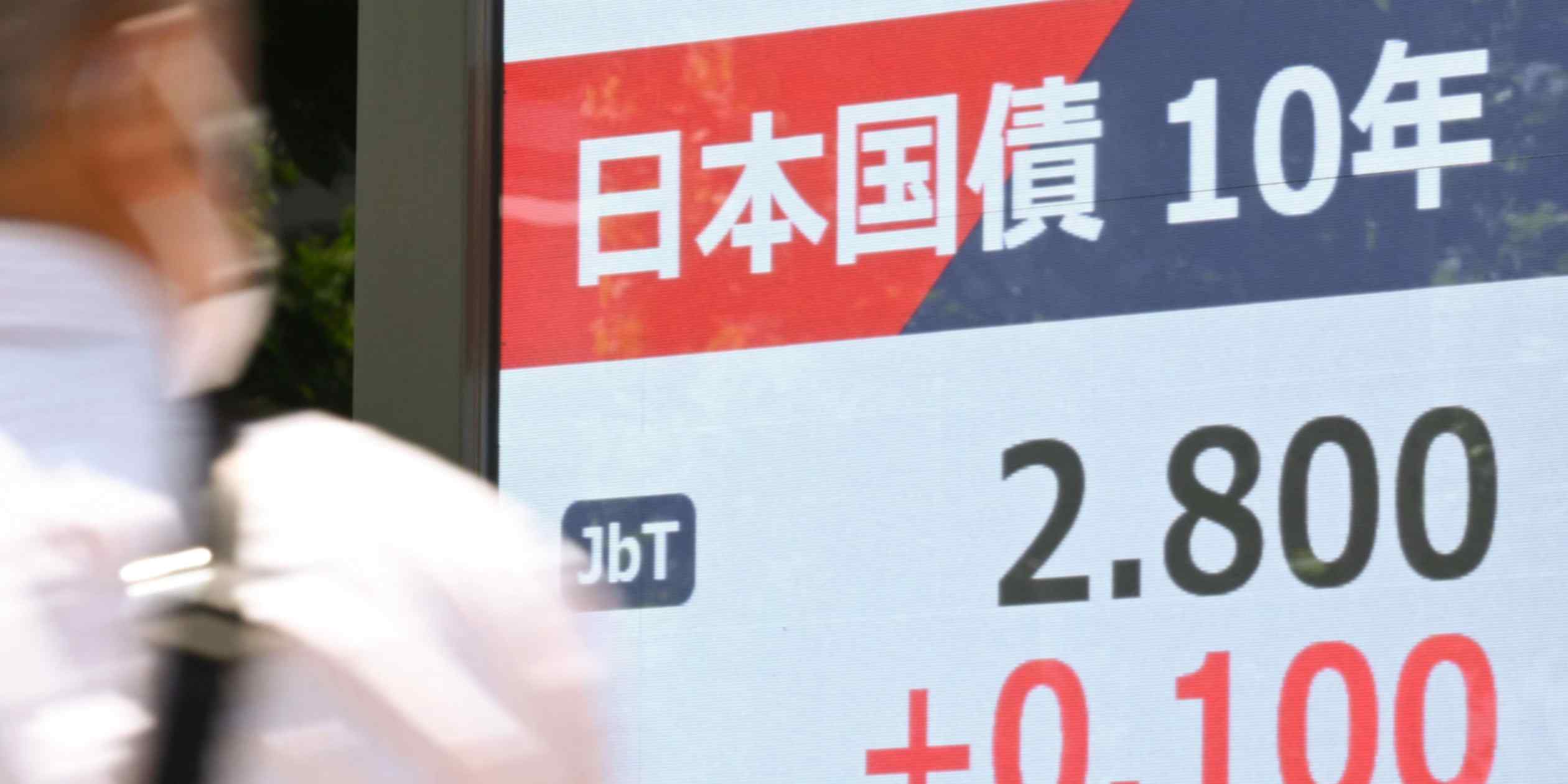
Japan’s 10-year JGB yields have climbed to roughly 2.6%, a dramatic departure from the near-zero and outright negative levels that defined the previous era. The catalyst behind rising yields is the Bank of Japan’s gradual retreat from its massive bond-buying program. The BoJ has been reducing its monthly JGB purchases by ¥400 billion per quarter, a tapering schedule designed to slowly wean the market off central bank support. That process began with plans stretching into early 2026, with further reductions mapped out into 2027.