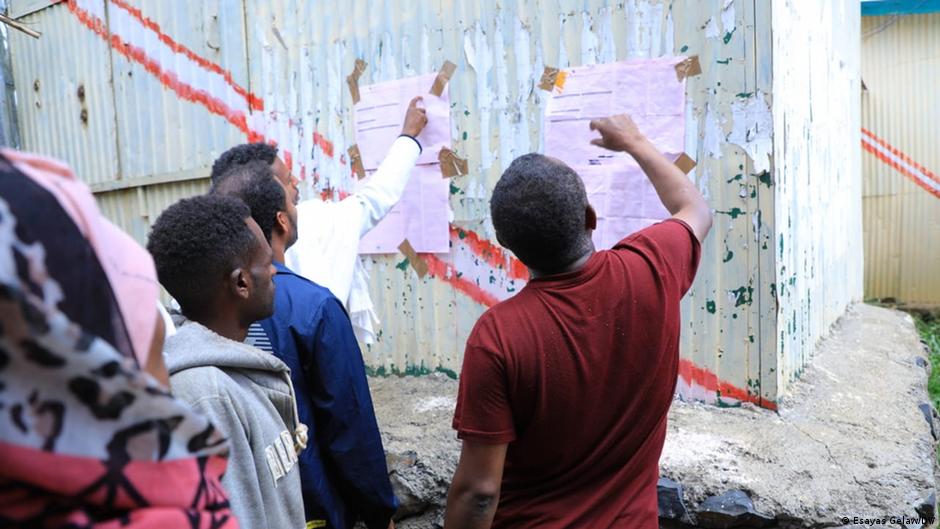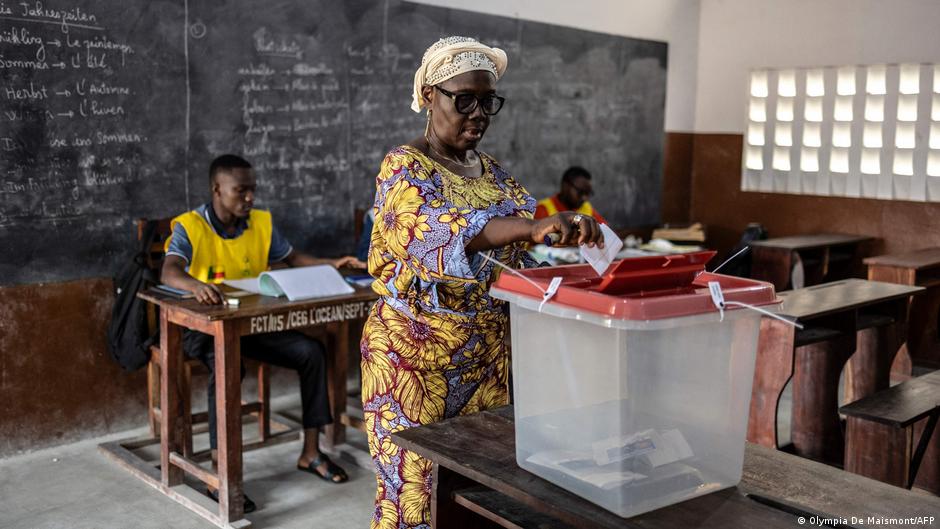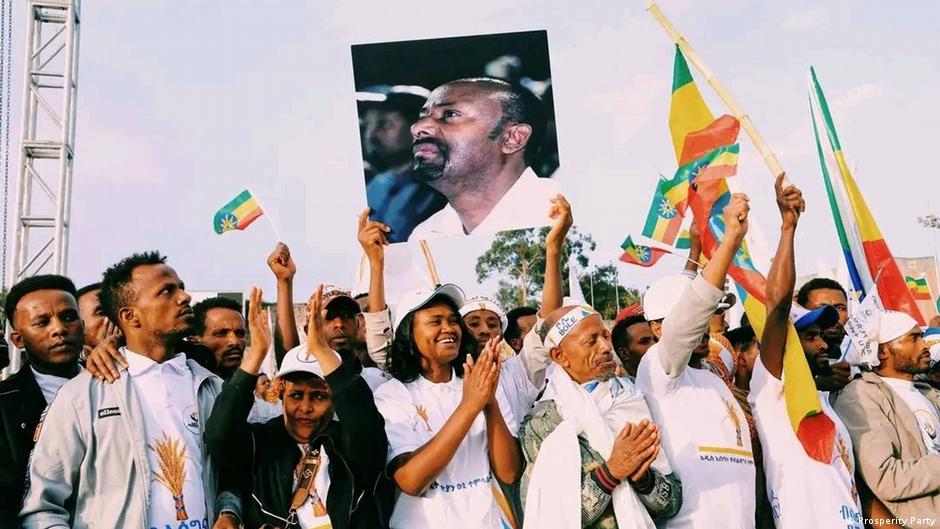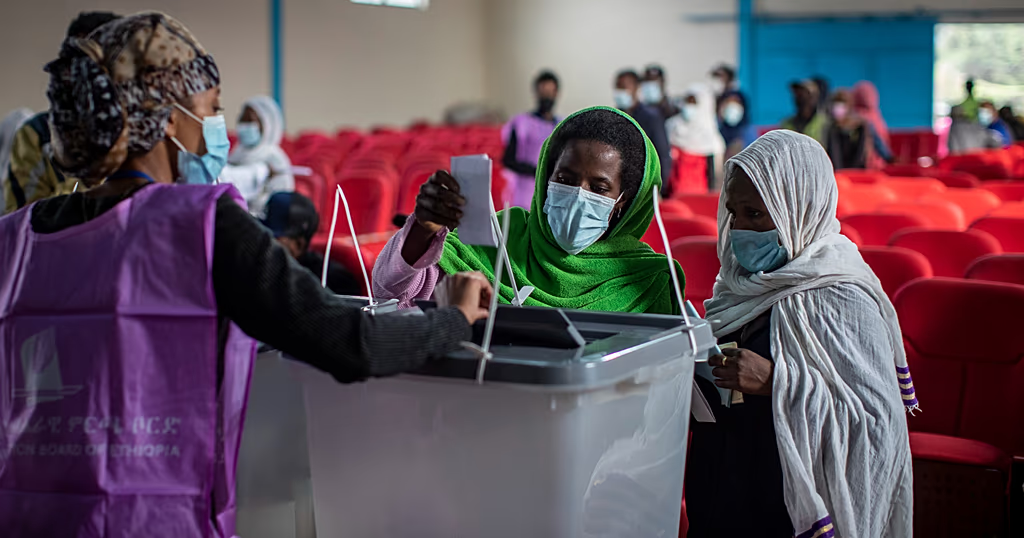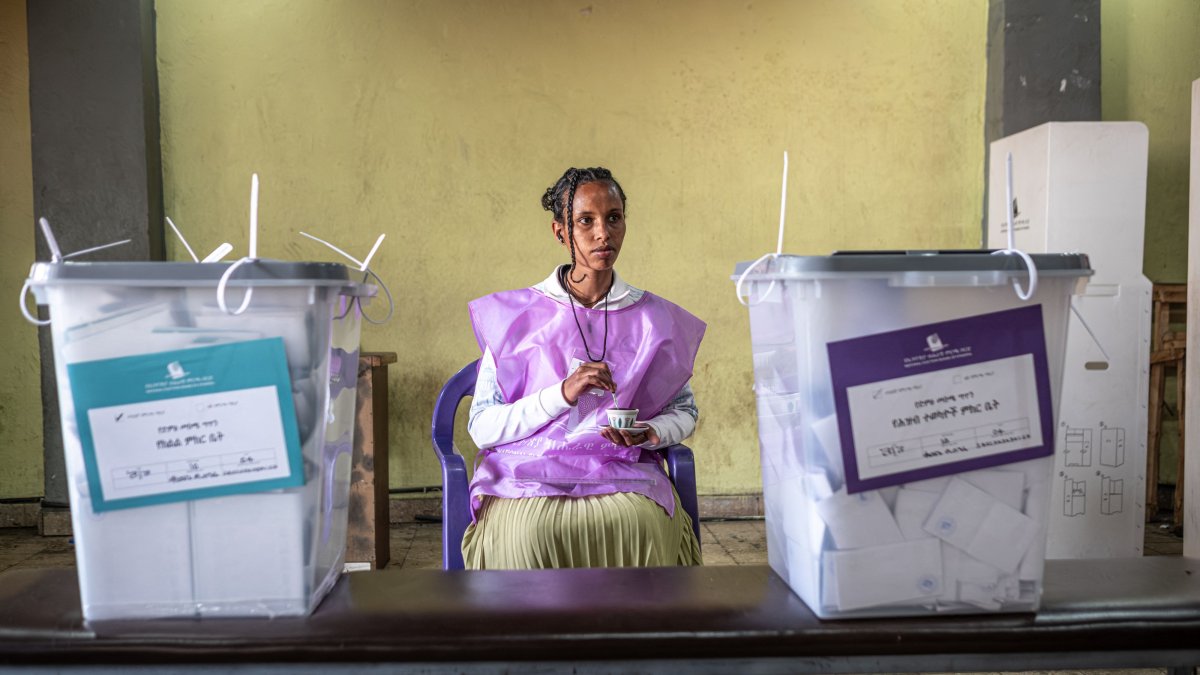
With the general elections held on June 1, Ethiopia formally completed another chapter in its democratic process. While official results have not yet been announced, the expectation that Prime Minister Abiy Ahmed's Prosperity Party would secure a landslide victory was already a widely held view among political observers. Yet, the true significance of this election lies not so much in the outcome at the ballot box, but in the structural realities the process itself has laid bare, and in the implications of those realities for Africa's second most populous country and the broader region.
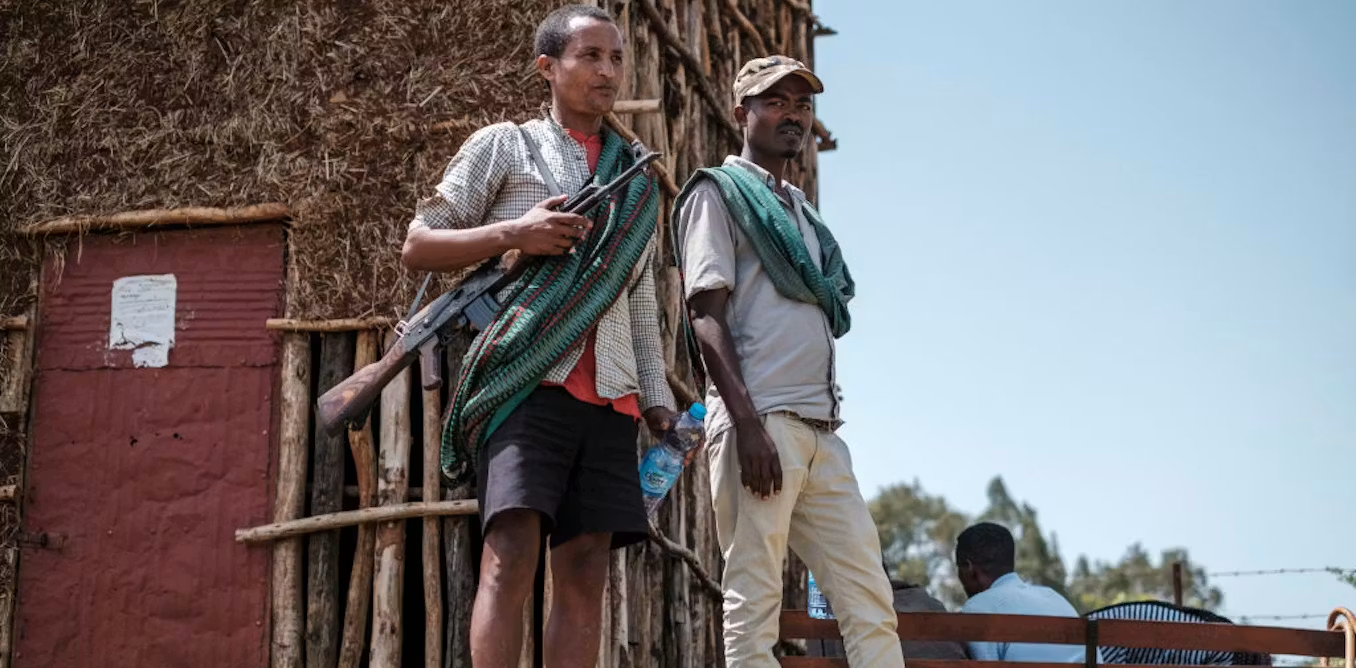
The Ethiopian Electoral Board suspended or cancelled voting in dozens of constituencies, citing "unfavorable conditions." In Tigray, the epicenter of the 2020-2022 civil war, no elections were held at all. The region continues to grapple with mass displacement, and in recent months, clashes between the federal government and the Tigray People's Liberation Front (TPLF) have flared once again. Violence by Fano militias in Amhara and armed conflict in Oromia persisted throughout election day. Dozens of civilians are reported to have been killed in armed attacks carried out on the day of the vote itself.
This picture raises direct questions about the election's legitimacy. The extreme fragmentation of opposition parties and their inability to build meaningful organizational capacity at the national level have rendered the Prosperity Party's unchallenged dominance at the polls an almost structurally inevitable outcome. Restrictions on independent media, harassment and detention of journalists, and the severe narrowing of freedom of expression are among the factors reinforcing this uncompetitive environment.