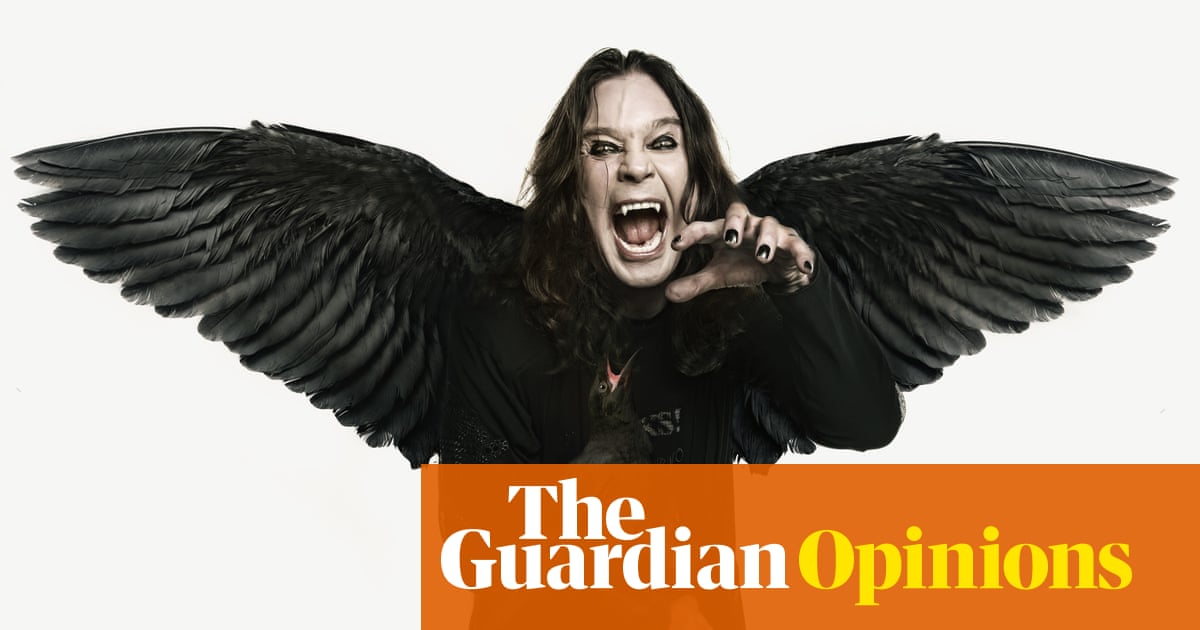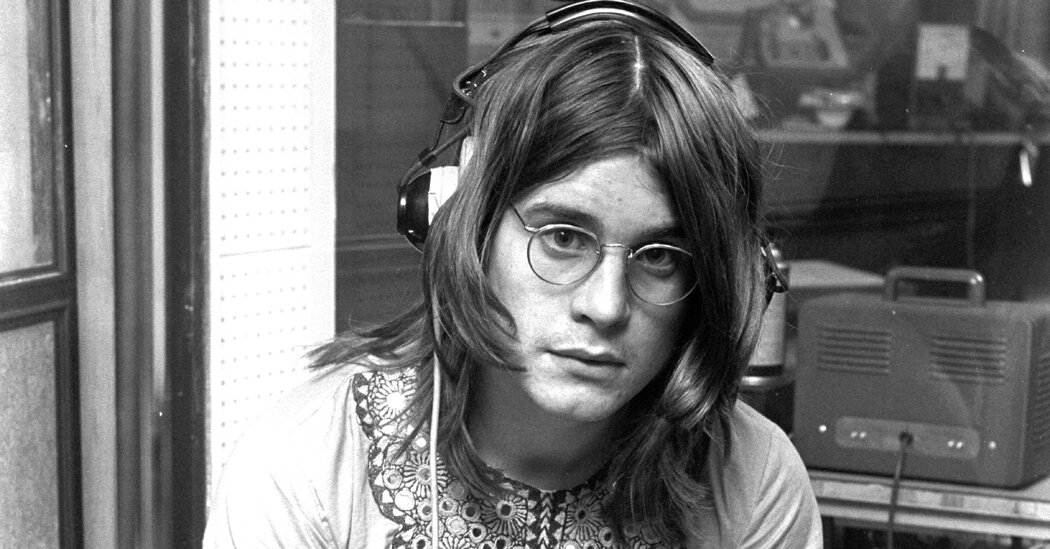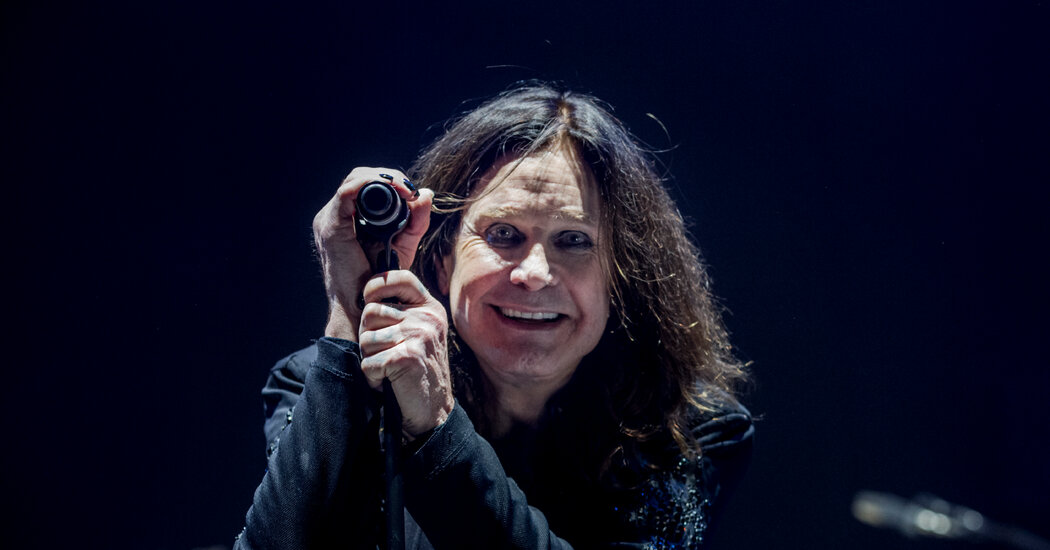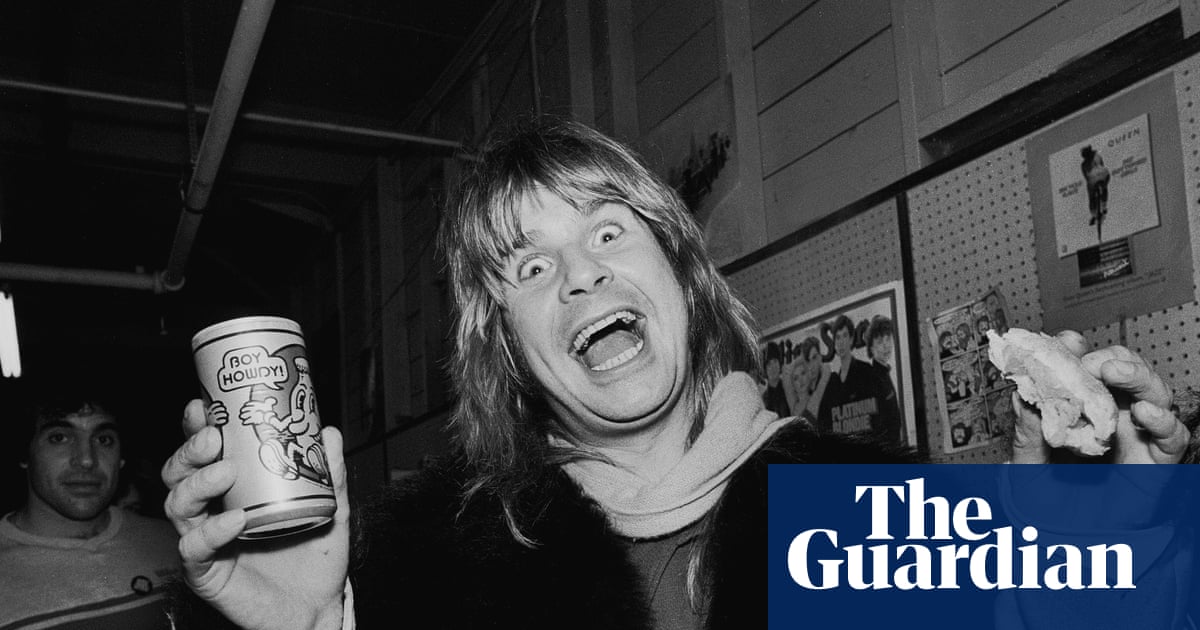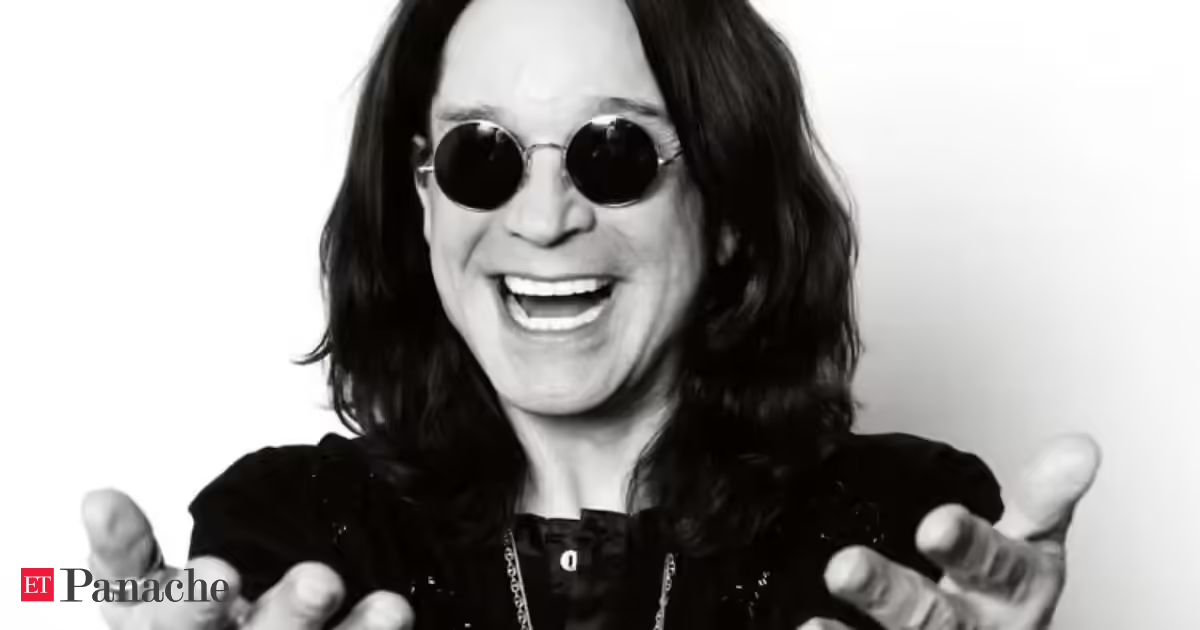
Ozzy Osbourne, one of the most recognisable figures in heavy metal music, is widely known for his work as the lead vocalist of Black Sabbath and later as a solo artist who helped shape the sound and identity of the genre. Born in Birmingham and rising from a difficult early life, he became a defining presence in rock history, both for his music and his larger-than-life public persona. Beyond his albums and performances, Osbourne also left behind reflections on life that were often direct, unfiltered, and rooted in personal experience.“The funny thing is, I was never much of a fighter. Better a live coward than a dead hero, that was my motto.”This quote of the day, taken from his autobiography I Am Ozzy, captures a very personal way of thinking rather than a polished public statement. In it, Osbourne openly admits that he did not see himself as someone driven by confrontation or physical bravery. Instead, the quote points toward a survival-first mindset, where staying alive matters more than proving courage in dangerous or high-stakes situations.The phrase “Better a live coward than a dead hero” challenges the usual idea that heroism is always about standing your ground no matter the cost. In Osbourne’s framing, the value shifts away from reputation or pride and moves toward survival. It suggests a practical outlook shaped by experience, where avoiding unnecessary risk can sometimes be the more sensible choice, even if it does not look admirable from the outside.A life shaped in Birmingham before fameOzzy Osbourne was born John Michael Osbourne in Birmingham, England, in 1948. He grew up in a working-class environment where life was not particularly easy or stable. School did not last long for him, and early adulthood included a mix of small jobs and trouble with the law. He spent time in prison for burglary when he was still very young, an experience that later became part of the rough foundation of his life story.You Might Also Like:Music eventually became the turning point. He started singing in local bands before forming what would become Black Sabbath with Tony Iommi, Geezer Butler, and Bill Ward. The band took its name from a horror film and built a sound that was heavy, dark, and completely different from much of what was popular at the time.Their early albums in the 1970s helped shape what later became known as heavy metal. Songs like Paranoid, Iron Man, and War Pigs gave the band a reputation for intensity and a kind of unsettling energy that fans connected with immediately. Even when critics were divided, the audience kept growing.Leaving Black Sabbath and starting againBy the late 1970s, tensions inside Black Sabbath had grown. Osbourne eventually left the band after being fired following the Never Say Die! tour in 1978. For a while, things were unstable for him personally as well. He struggled with substance use and a sense of direction after losing the group that had defined his career.But this phase did not end his music life. With support from Sharon Arden, who later became his wife, he rebuilt his career as a solo artist. His debut album Blizzard of Ozz in 1980 marked a strong comeback, especially with tracks like Crazy Train. It showed that he could work outside the band structure and still reach a large audience.You Might Also Like:His solo career continued through albums like Diary of a Madman and later releases across several decades. The sound evolved, but his identity as a heavy metal frontman stayed consistent.Fame beyond music and public attentionOsbourne’s life was not limited to music. In the early 2000s, he became widely known to a new audience through the reality show The Osbournes, which aired on MTV. It showed his family life in a very unfiltered way, and for many viewers, it was the first time they saw him outside the “Prince of Darkness” stage persona.The show made him a pop culture figure beyond rock fans. It also softened his public image in some ways, showing him in ordinary situations at home with Sharon Osbourne and their children.Health struggles and later yearsIn his later years, Osbourne faced several health issues, including Parkinson’s disease and complications from past injuries. These challenges affected his ability to tour, and he eventually stepped back from live performances. Even so, he continued to record music and stayed connected to his long-time collaborators.Despite physical limitations, he still made appearances and worked on new material in his final years. His presence in the music world remained strong, even when he was not actively touring.Osbourne’s influence is often described as foundational in heavy metal. As part of Black Sabbath, he helped shape a sound that many later bands built upon. His solo career added another layer, showing that his identity was not tied to just one group.He also became a symbol of excess, survival, and reinvention. His life included moments of chaos, public controversy, and personal rebuilding. But through all of it, he remained a central figure in rock history.
Quote of the day by Ozzy Osbourne: 'The funny thing is, I was never much of a fighter. Better a live coward than a dead hero, that was my motto...' British rock legend's life philosophy was to choose survival over performative heroism
Ozzy Osbourne, the legendary Black Sabbath frontman and solo artist, is remembered as one of the defining figures of heavy metal, known for shaping the genre with its dark, heavy sound and iconic tracks. Rising from a difficult working-class upbringing in Birmingham, he turned to music after early struggles and became a global rock star, first with Black Sabbath and later through a successful solo career that produced hits like “Crazy Train.” His reflections on life, including his blunt view that “better a live coward than a dead hero,” reveal a survival-focused mindset shaped by personal experience rather than traditional ideas of heroism.
832 words~4 min read