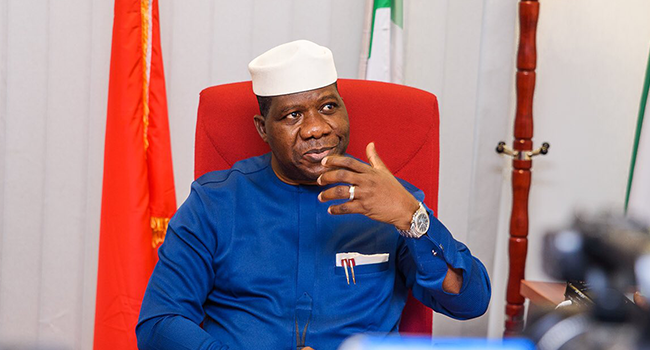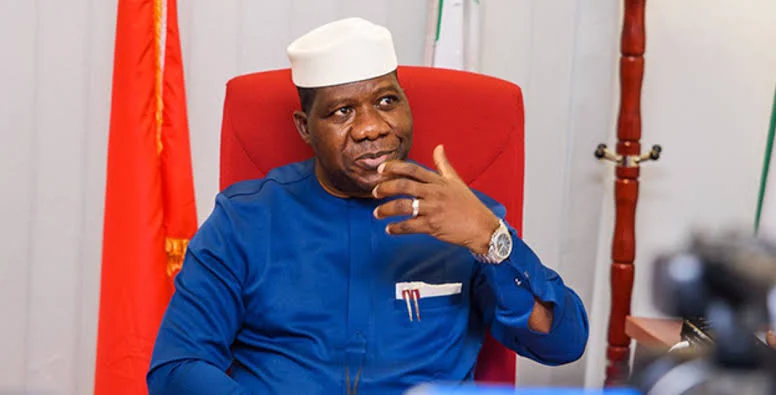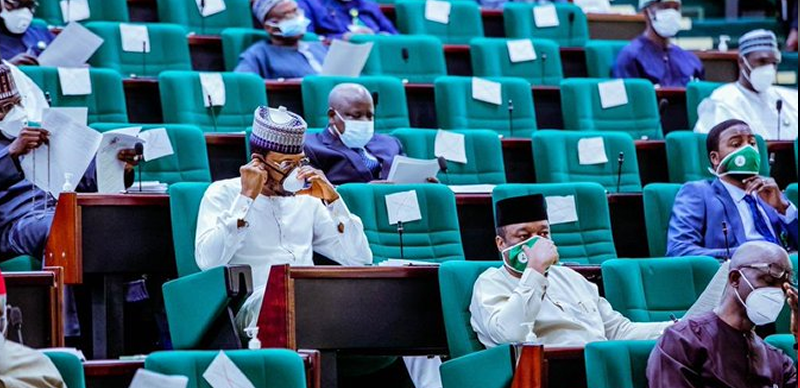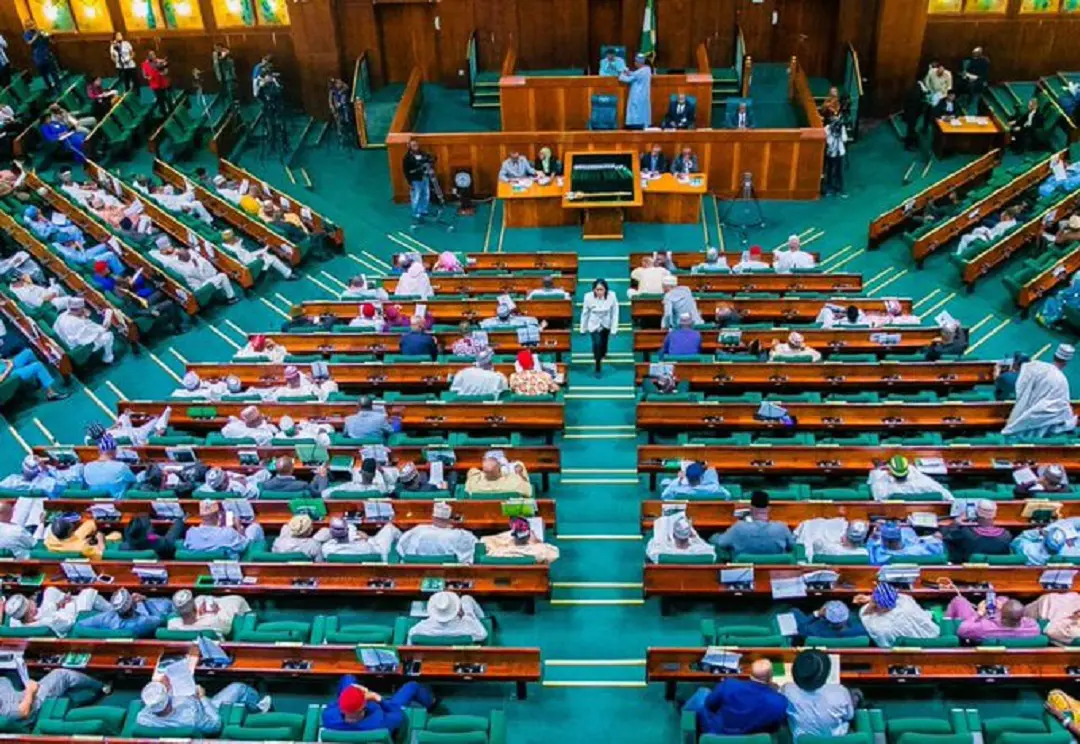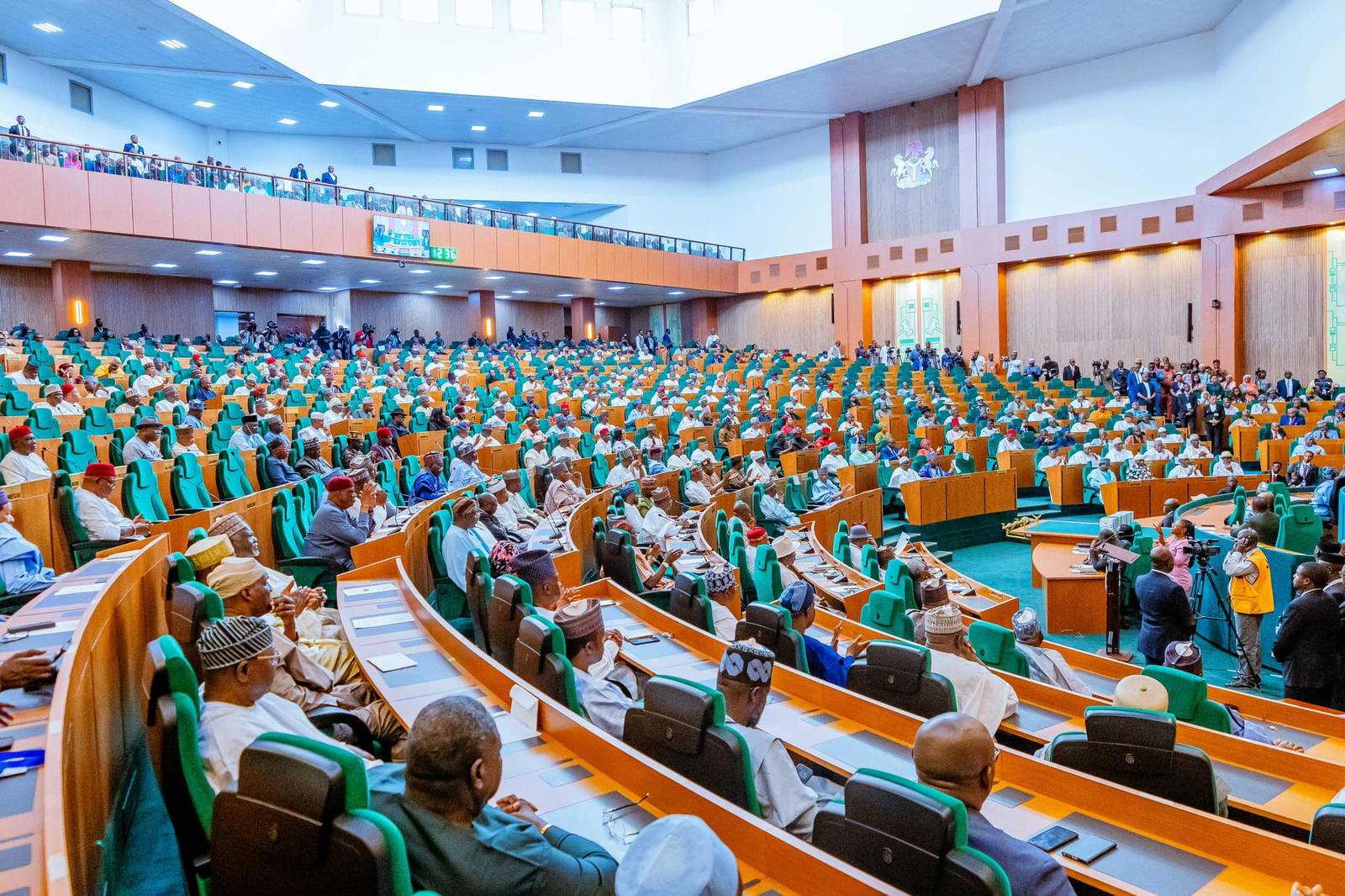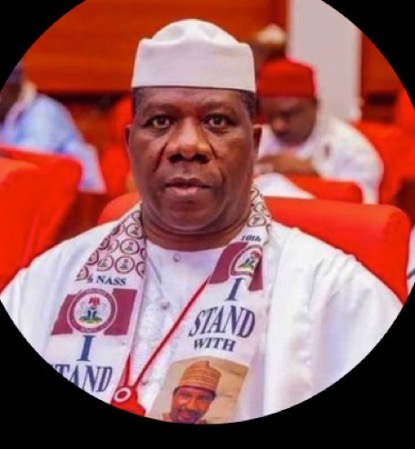
For years, the state police debate in Nigeria occupied that familiar political territory where pessimistic (some would argue realistic) Nigerians say ideas go to be discussed endlessly and never acted upon. What is happening in the Senate right now is different, and the man most responsible for that difference is Senate Leader Opeyemi Bamidele.
Bamidele has pushed to isolate the state police bill from the ongoing 1999 Constitution review process entirely, treating it as a matter of immediate national urgency rather than a provision that can wait its turn in a lengthy legislative queue. The logic is hard to argue with. Nigeria’s police-to-citizen ratio currently stands at 1:650, against a UN-recommended minimum of 1:460. The gap between those two numbers is filled, daily, by kidnappings, banditry, and communal violence.
The bill’s framework is more structurally ambitious than most public commentary suggests. It does not simply hand governors a police force. It removes policing from the Exclusive Legislative List and creates a dual structure, federal and state, with supervisory commissions designed to limit the obvious risk that state police become instruments of political persecution. Whether those safeguards hold in practice will depend entirely on implementation, but the architecture is considered.