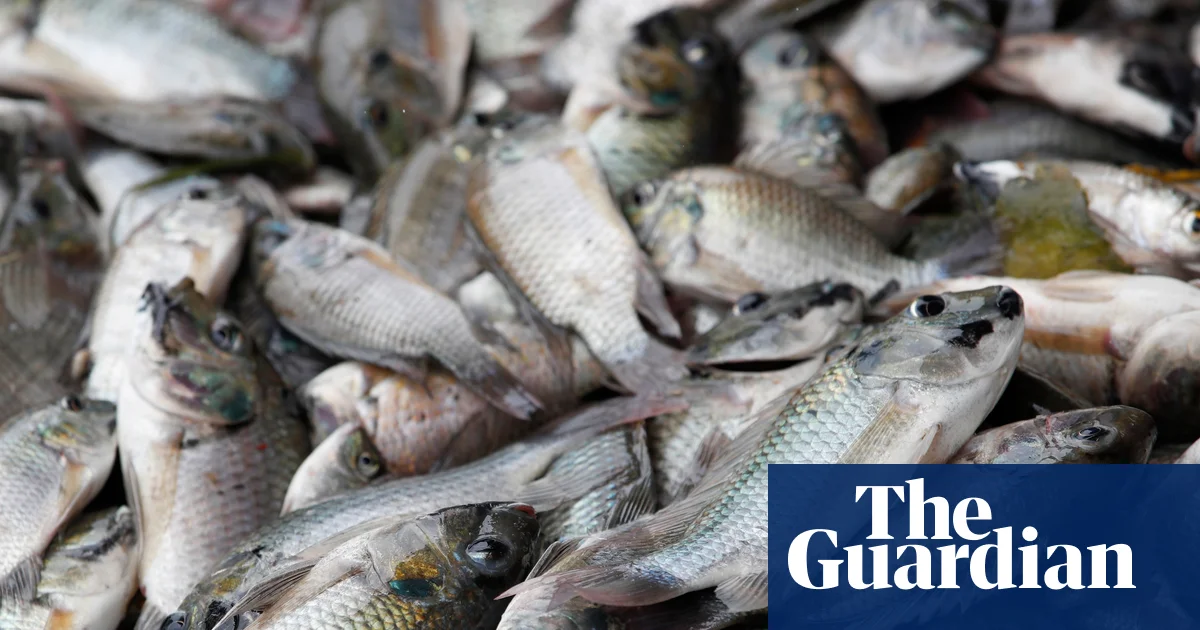
At first glance, it may appear to be a simple question. Yet it exposes a potentially significant anomaly within Thailand's fisheries data system. While government agencies have consistently maintained that Thailand legally imported blackchin tilapia only once—and solely for research purposes—official records indicate that the same species was subsequently exported in remarkably large quantities to foreign markets during roughly the same period. To this day, the most critical question remains unanswered: why have these commercial traces never been fully and transparently explained to the public? The story begins in 2010, when Thailand authorized what was reportedly the only legal importation of blackchin tilapia: approximately 2,000 fish brought into the country for research under the supervision of government authorities. Officials later stated that the project had failed and that all imported specimens had been destroyed.
Yet by 2012, reports had begun to emerge documenting the presence of blackchin tilapia in Thailand's natural waterways. Within a relatively short period, the species had spread across multiple coastal provinces and brackish-water ecosystems.
This naturally raises a fundamental question. If there was only a single legal importation and the research project was terminated as claimed, how did the species manage to establish itself and proliferate so extensively throughout the country?