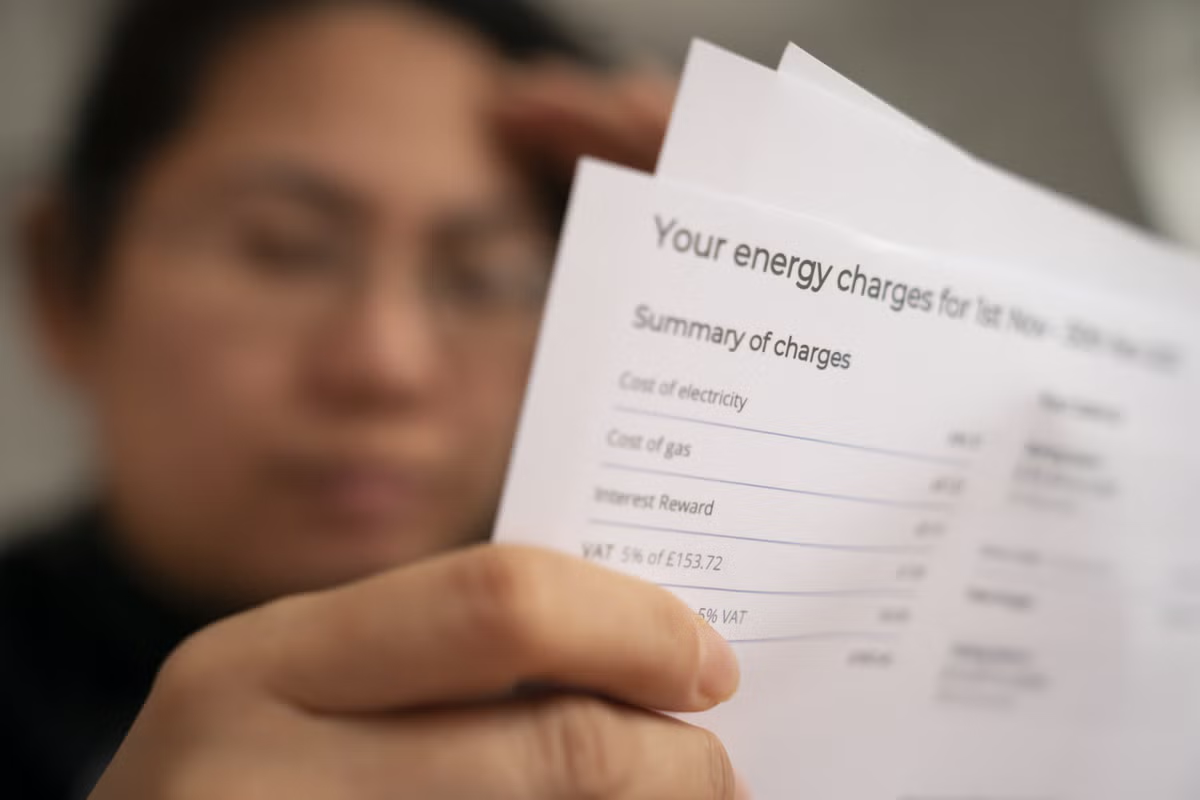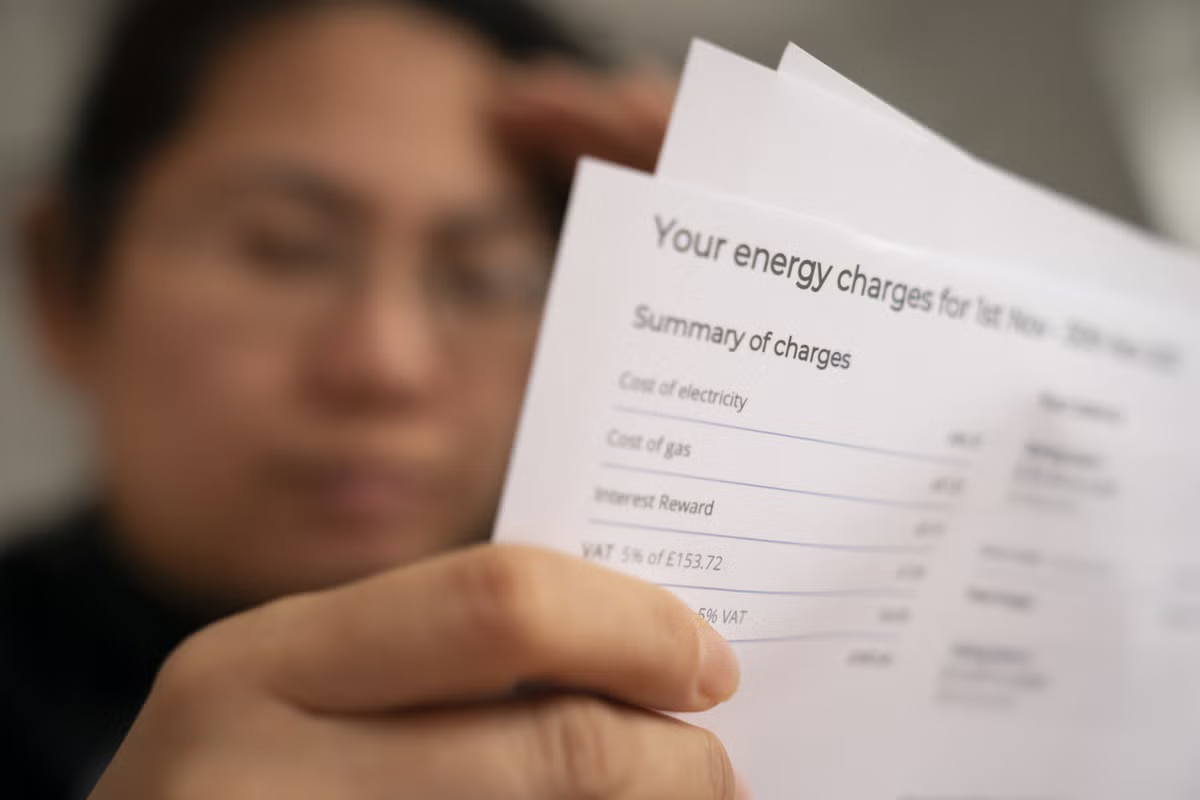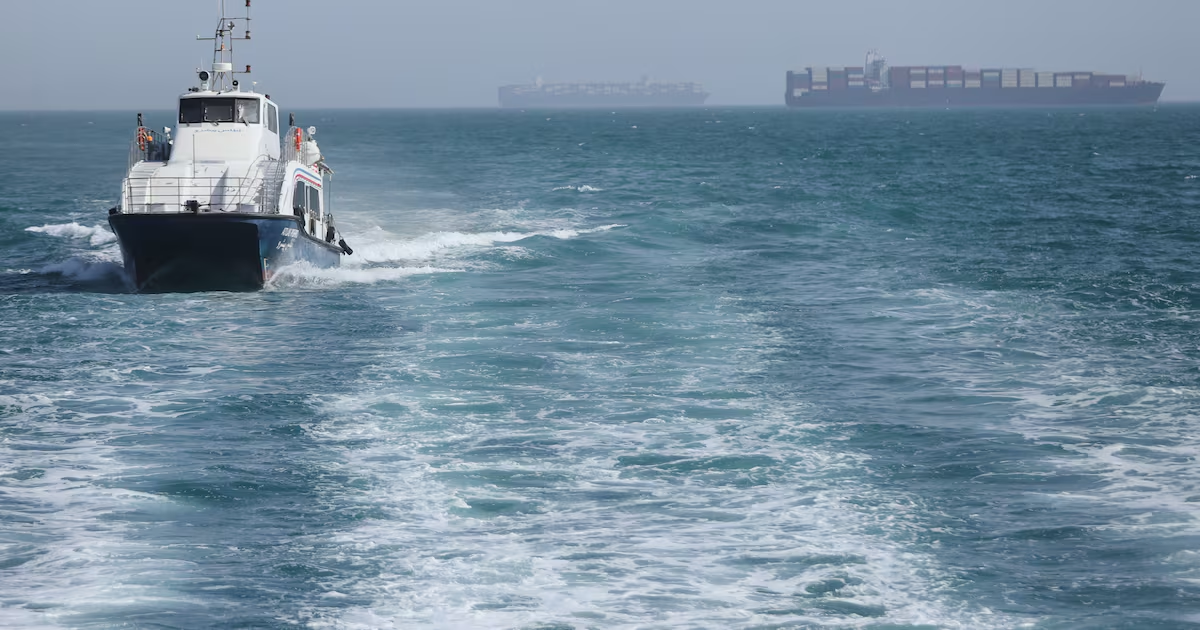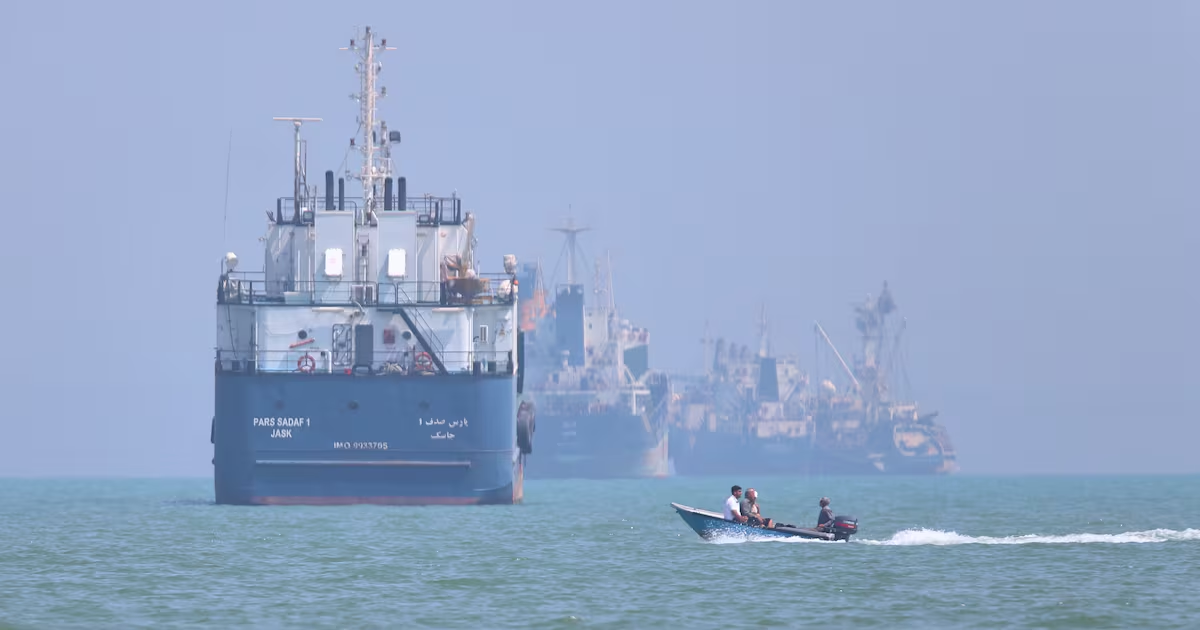
The latest figures for the number of households falling behind on their electricity and gas bills will increase pressure on the Government to provide some form of support to households. According to the Commission for Regulation of Utilities, one in four gas accounts and one in seven electricity accounts were in arrears at the end of March. This represents an increase of 11 and 5 per cent respectively over the last twelve months. Concerningly, the amounts in arrears have also increased. With interest rates on the way up – the ECB has moved by 0.25 per cent – and the inflation rate rising this, households are under pressure. Signs of a resolution to the crisis in the Gulf have led to some fall in wholesale oil prices, but the outlook here remains unclear and even if a deal is signed it would take months for energy markets to return to any kind of normality.The Government has signalled that energy costs will be looked at in the context of October’s budget, but has not given any indication of what it might do. An official task force is also looking at the wider issue of energy costs and how the market operates here, but its final report is awaited. There are important questions to answer here, such as how the bill for energy infrastructure upgrades will be paid for and what the split is between energy bills and taxpayer funds. There are, of course, a range of reasons why prices here are at the top of the EU league. The State is heavily reliant on gas to produce electricity, and this has knock on effects on electricity bills, even as the share of renewables rises.On top of this, the costs of maintaining and operating energy infrastructure in Ireland are high due to the small size of the market and the low density of housing. And the paucity of connections to other markets from which we could import cheaper electricity is also unfortunate – a key link to France is being built, though has been delayed.This wider agenda is essential. A realistic plan for Ireland’s energy transition remains vital, and it needs to spell out the implications for consumers, as well as taking a realistic view of when offshore wind energy might be available. The promise is cheap, renewable and secure energy supplies. The road to get there remains unclear.In the short term, much will depend on events in the Gulf. It is hard see how the Government can resist pressure to take some additional measures to offset the impact of high prices on households. It is important that it heeds the advice of the Economic and Social Research Institute – reiterated last week – that support should be targeted at those in need. The institute’s work has demonstrated clearly that it is less well-off households who not only are less able to meet rising bills, but also spend a higher proportion of income in this area. It is here that help should be directed.
The Irish Times view on energy supports: focus on those who need them
The Government is under pressure to help households as arrears rise on energy bills
502 words~2 min read