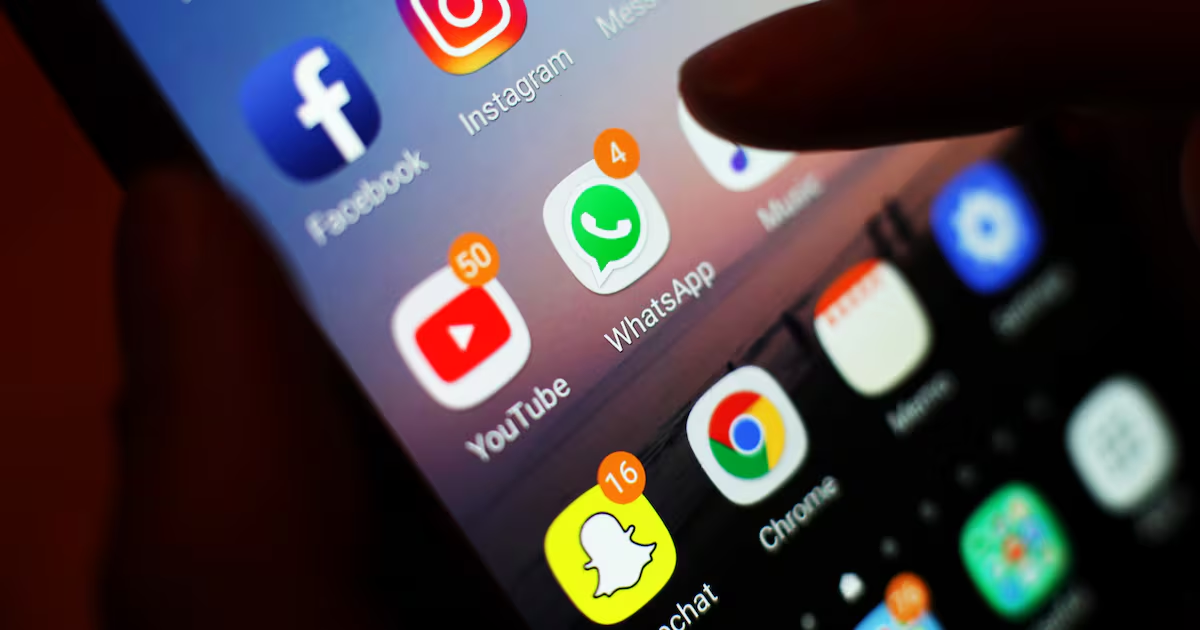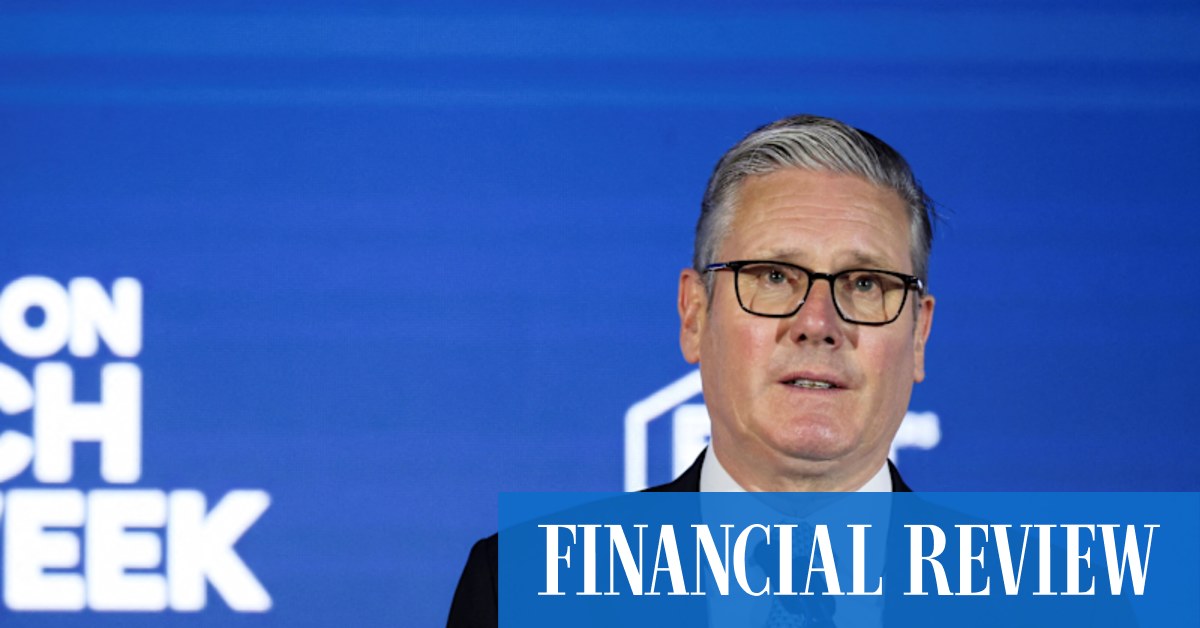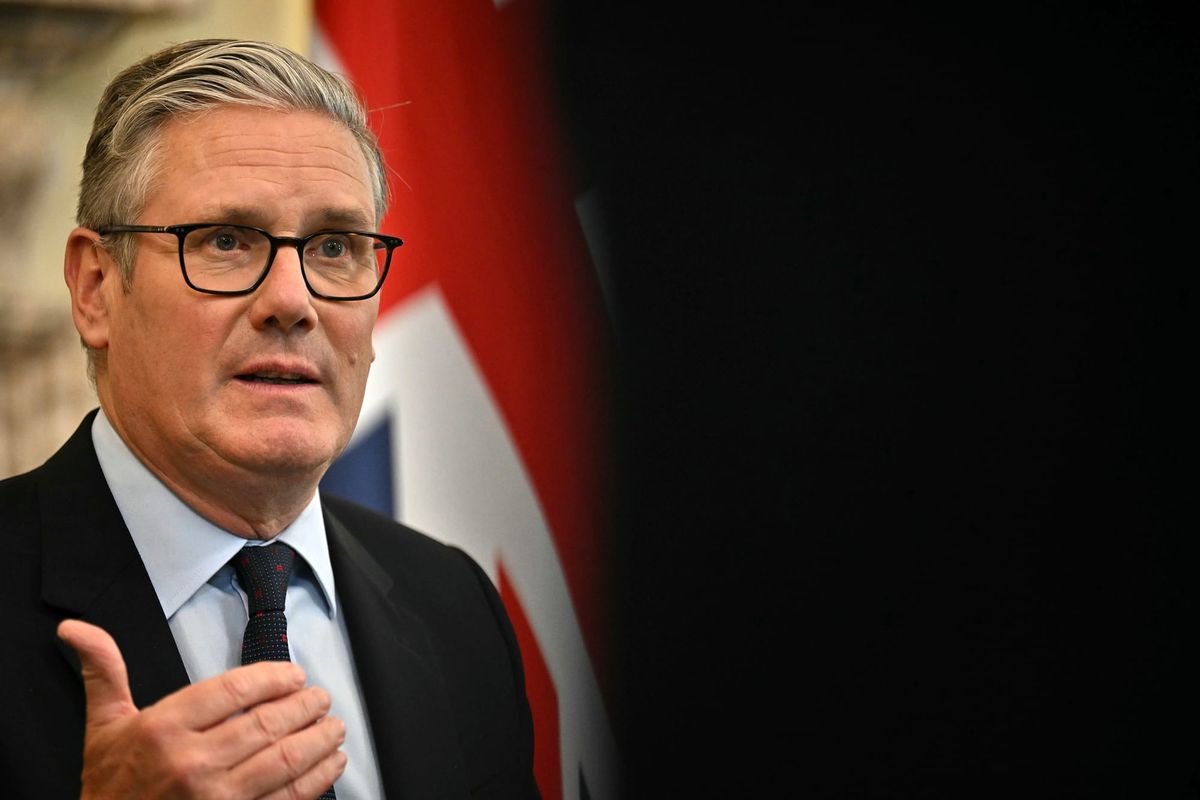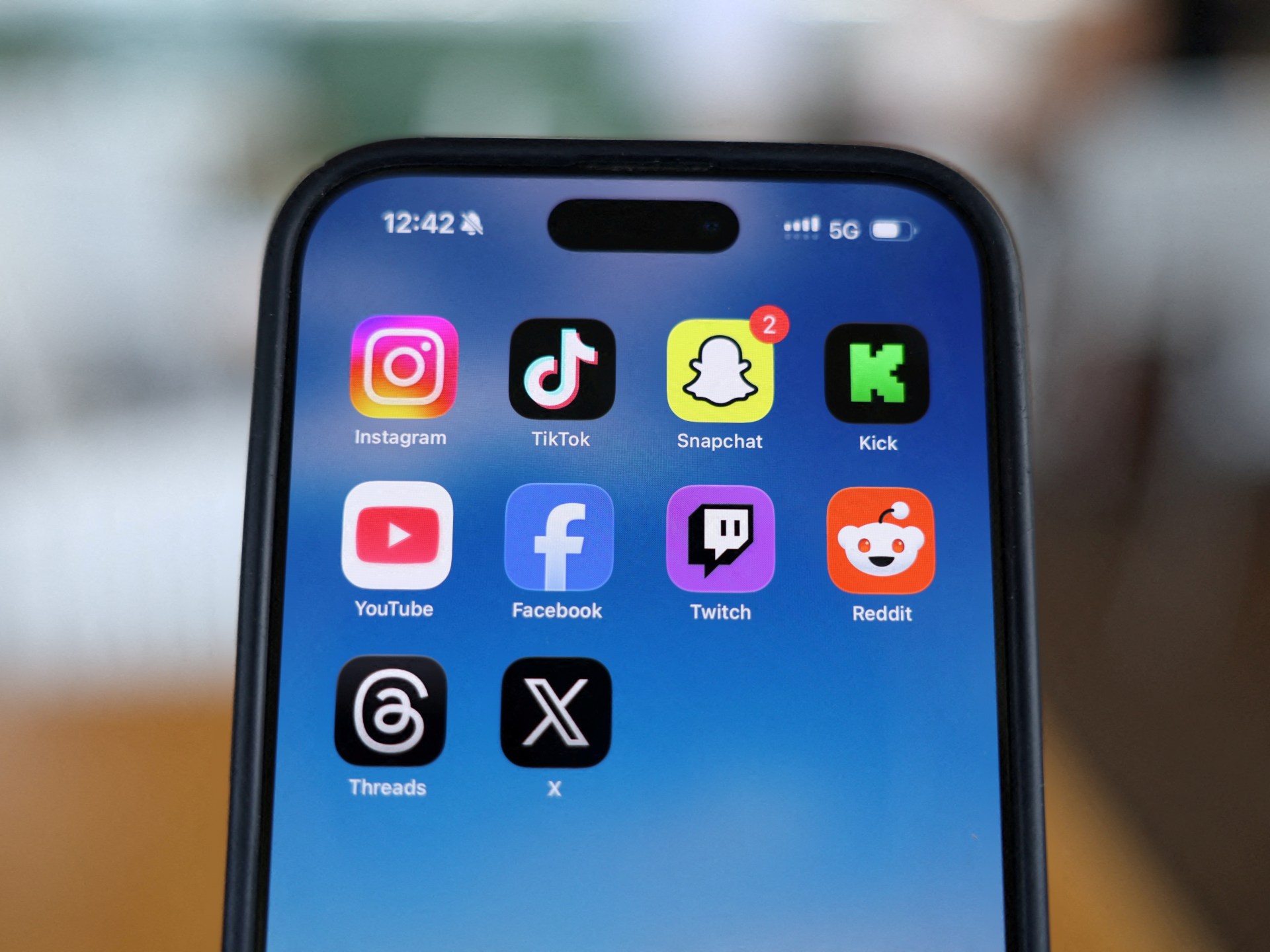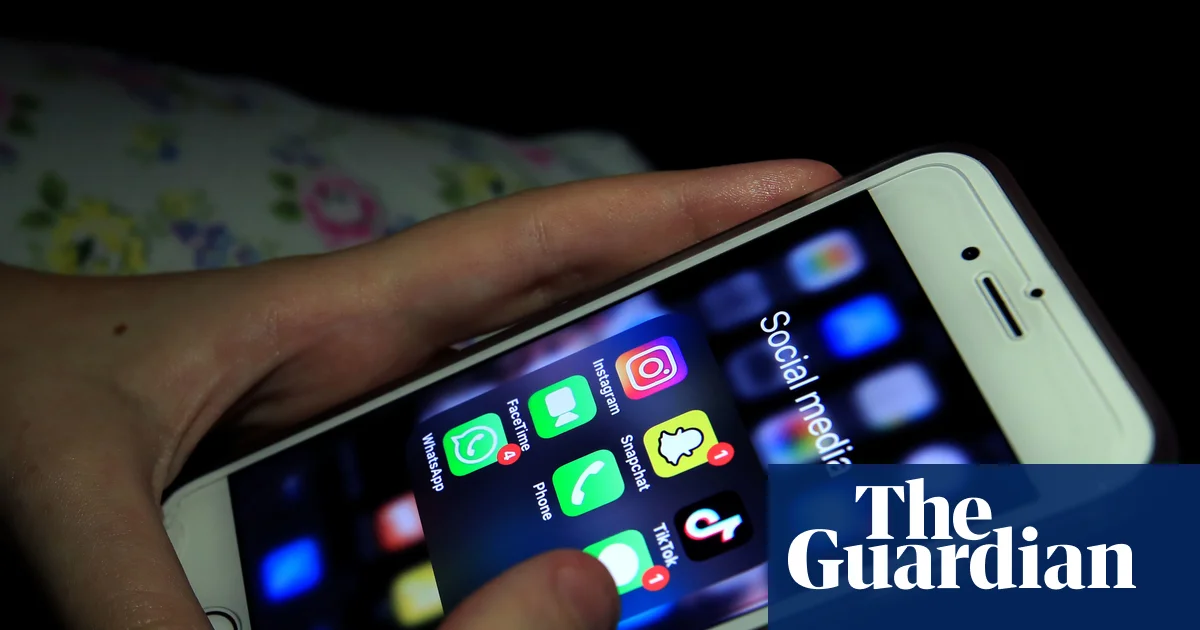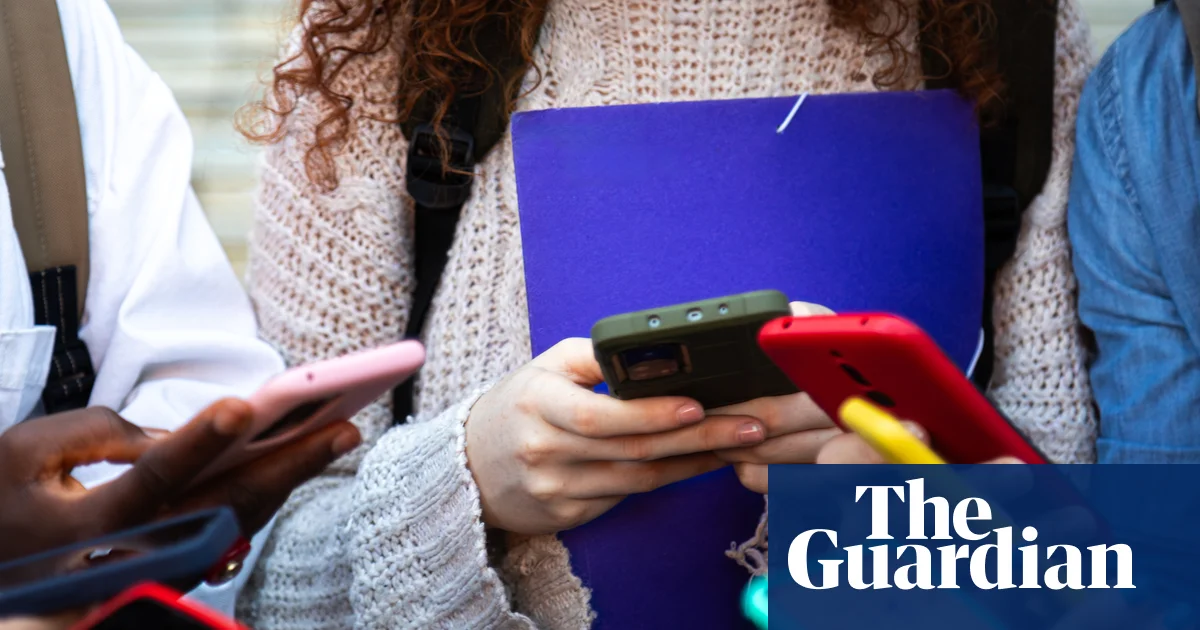
Keir Starmer is expected to announce sweeping “Australia-plus” restrictions on under-16s accessing harmful social media apps, a move the government has framed as taking the side of parents against “huge tech giants”.The announcement follows a consultation on online safety that closed on 26 May, giving ministers weeks to come up with policies after receiving more than 116,000 responses. Industry sources and child safety advocates have described the process as “rushed” and driven by a political timeline. It is not clear when the ban could come into force.Key to the ban is one of the thorniest issues in technology regulation worldwide: how can tech giants verify key details about their users without taking very invasive measures – such as requiring government-issued IDs? At present, the UK regulator Ofcom offers some flexibility in how age verification is done under the Online Safety Act. That could change with tomorrow’s ban.Here is what we know so far.What is the UK prime minister preparing to announce?Starmer is preparing to ban access for under-16s to a number of social media apps – sources close to the process expect this to include all the major social media apps. Currently, the age restriction for major social media platforms is 13 but there is no official government-mandated age limit.He is also expected to announce restrictions for platforms that are not banned, with certain features withheld for under-16s. Those features will include: chats with adult strangers and livestreaming. It has also been reported that 16 and 17-year-olds will be set time limits for using social media.Under-18s are also expected to be blocked from using romantic or sexual AI chatbots.Why is the government introducing an age limit?The prime minister has been sceptical about introducing a ban. His concerns have included whether such a move would push teenagers on to the dark web or leave them with the “cliff edge” scenario of entering the world of social media at the age of 16 with no experience of how to handle it.However, the introduction of an under-16 ban in Australia has led to a change of heart, having prompted many Labour MPs and some cabinet ministers to push for the UK to do the same. In January, more than 60 Labour MPs wrote to the prime minister calling for a ban.There has also been a steady drumbeat of pressure from safety campaigners for further restrictions, although views on an under-16 ban are mixed within that group. The Molly Rose Foundation, a charity established by the family of Molly Russell, a British teenager who took her own life after viewing harmful online content, said a ban would be “unenforceable” and “masks the absence of any credible plan to stop childhoods being blighted and young lives lost by out of control algorithms”.Parents support a ban, with nine out of 10 parents who responded to the consultation expressing support for it.The UK already has a legal framework for tackling harmful content, the Online Safety Act, which is overseen by the communications watchdog, Ofcom.Has the ban worked in Australia?Social media apps have been placed under a blanket ban in Australia, where the age limit applies to any service that allows social interaction between two or more users and whether it allows users to post material. As a result, a broad range of apps are banned, from TikTok and YouTube to Snapchat, X, Instagram and Facebook.A report from Australia’s eSafety commissioner has said a “substantial proportion” of under-16s in the country kept their accounts, managed to create new ones or have bypassed age gating systems. However, the commissioner added that a “significant number of social media accounts of children aged under 16” have been removed, deactivated or restricted from signing into platforms.
Why is the UK launching an ‘Australia plus’ social media ban and how will it work?
Government wants to back parents against ‘huge tech giants’ though some feel the process has been rushed
877 words~4 min read