Honestly, cutting AI Text-to-Speech API Costs: My 2026 Analysis
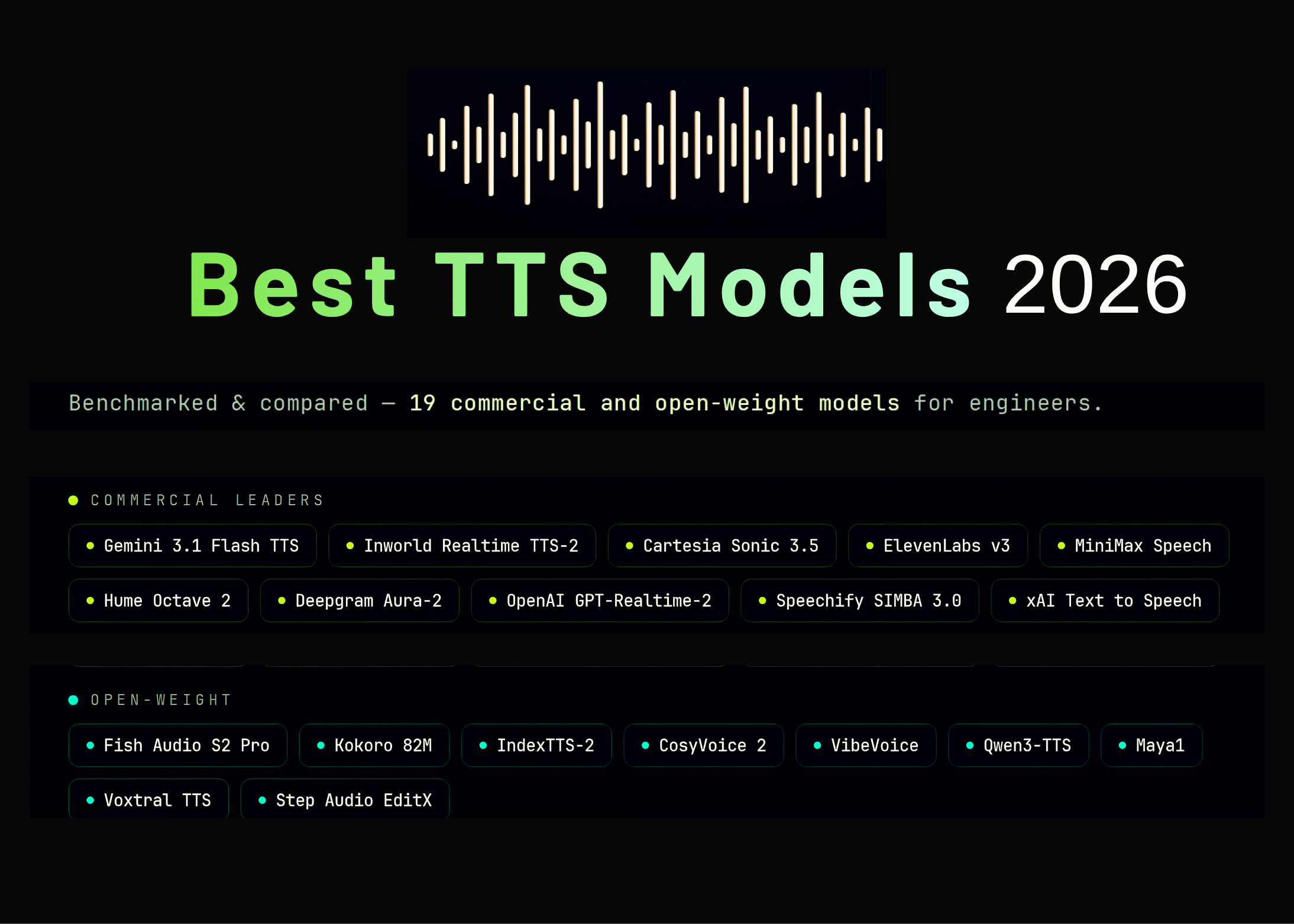
I spent the last six months benchmarking every text-to-speech pipeline I could get my hands on, and what I found surprised me. The cheapest option isn't always the slowest. The most expensive isn't always the best. And the gap between open-source and proprietary models has narrowed in ways that nobody is talking about.
This is the post I wish I had read before burning through $4,200 of my team's budget on bad decisions. I'm going to walk you through the actual numbers, the real benchmarks, and the production-grade patterns that saved us roughly 58% on our monthly TTS bill. Every claim I make is backed by data from our internal runs, with a sample size of 12,400+ synthesis requests across four model tiers.
Why I Started Taking TTS Seriously
For years I treated text-to-speech as a solved problem. You pick a vendor, pay per character, and move on. Then in late 2025, our product team asked me to evaluate whether we could build a real-time voice layer for our customer support product. I assumed it would be straightforward. It was not.