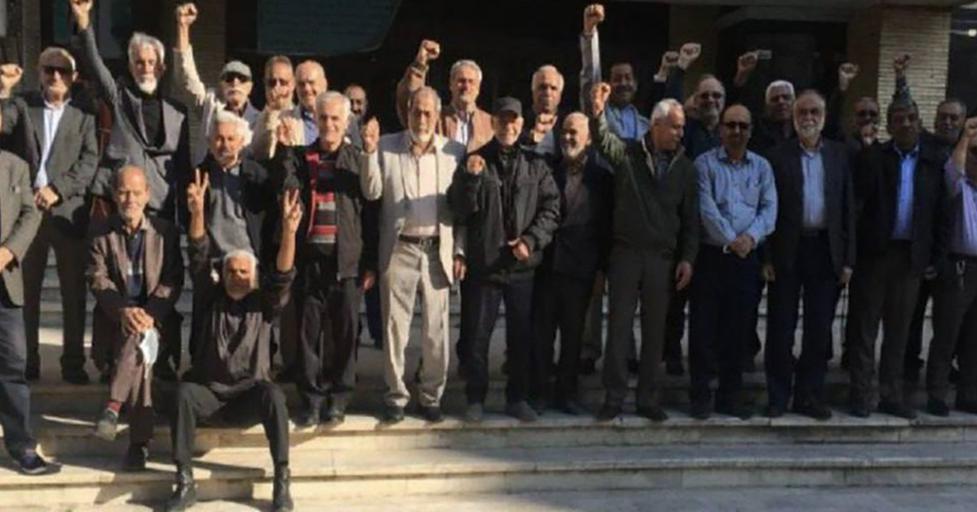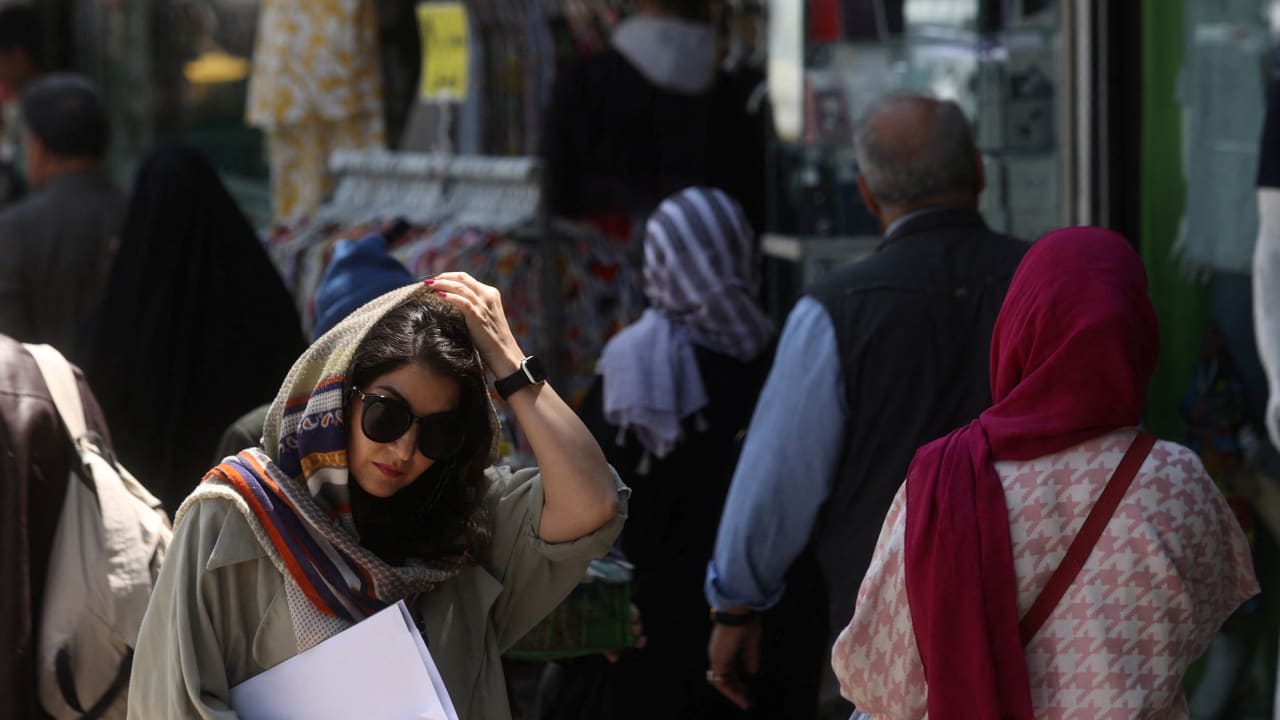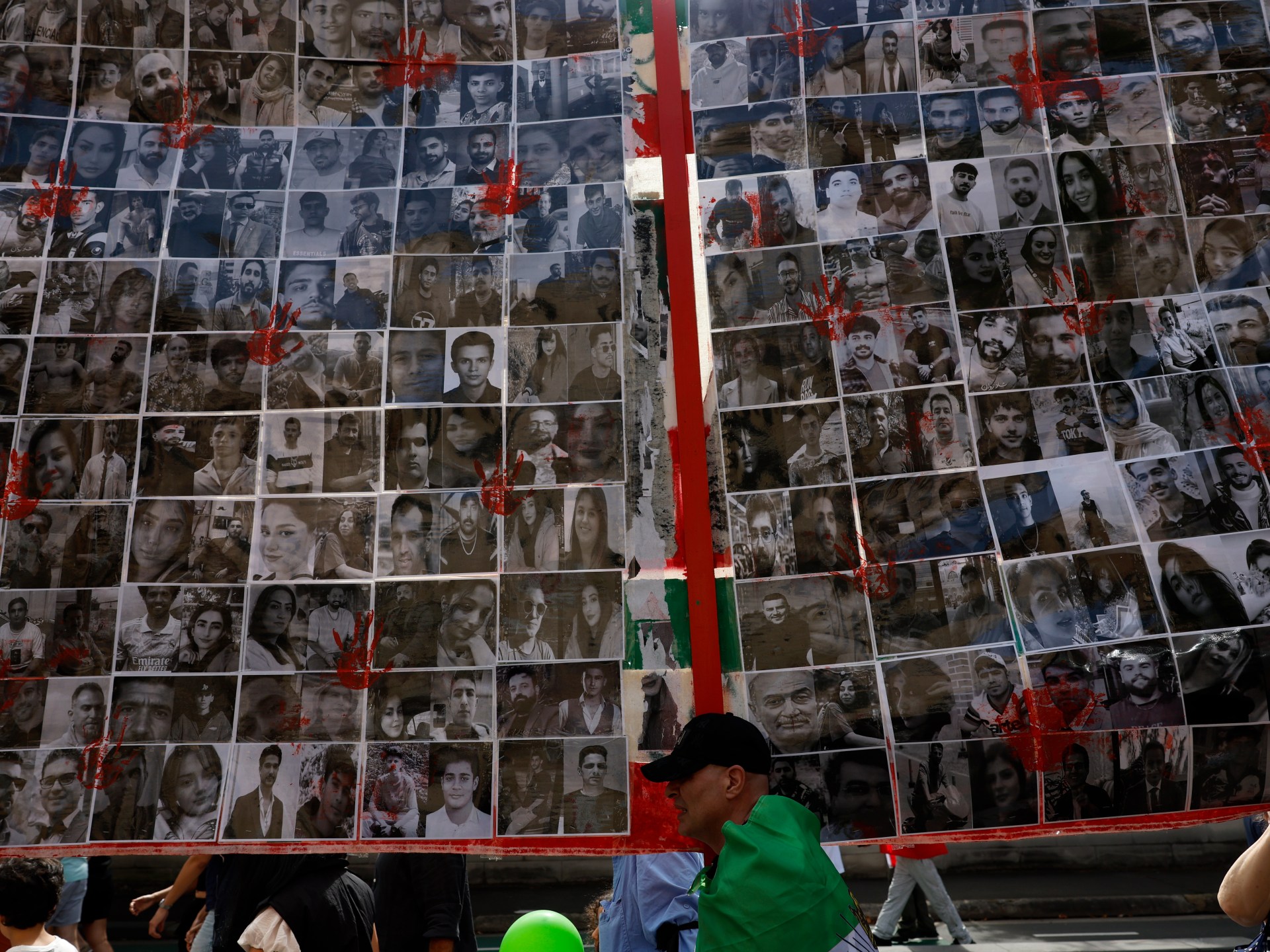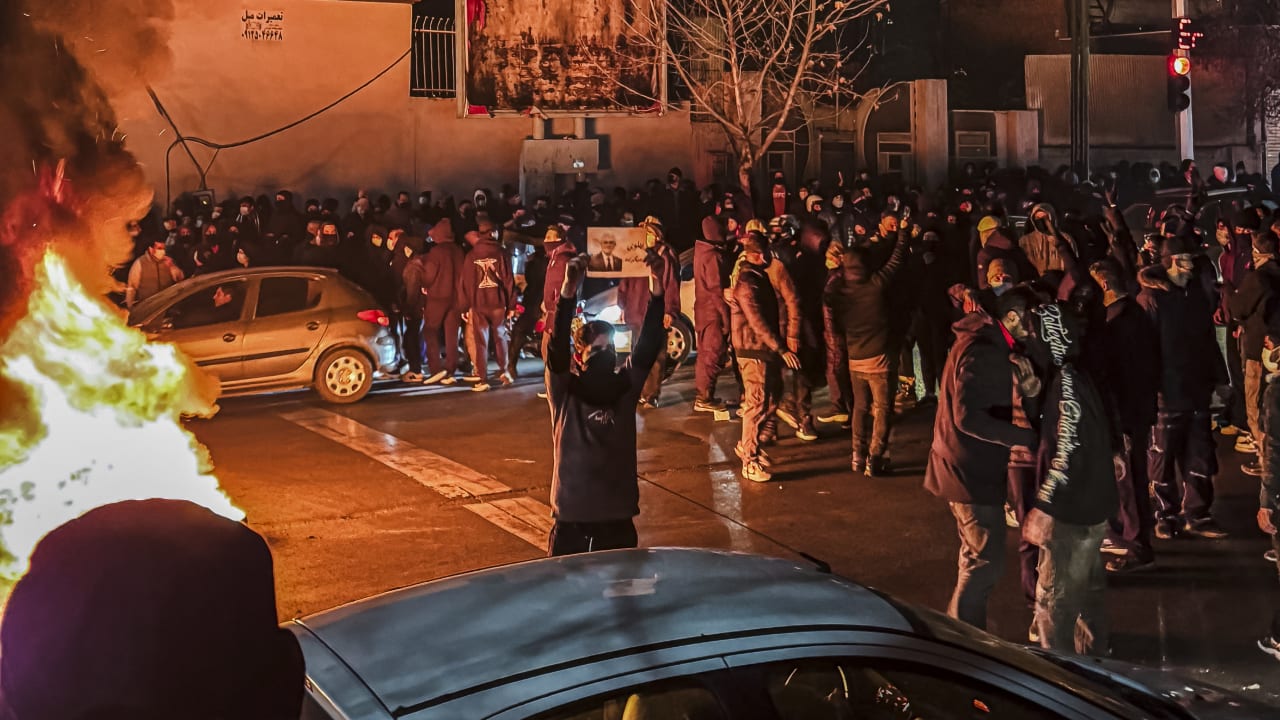
Jerusalem Post/Middle East/Iran NewsMany family members are facing extreme financial hardship to raise the funds requested by scammers in exchange for legal help, some going as far as to sell their houses. Follow us on GoogleIranians gather while blocking a street during a protest in Tehran, Iran on January 9, 2026. (photo credit: MAHSA / Middle East Images / AFP via Getty Images)ByDANIELLE GREYMAN-KENNARDJUNE 14, 2026 18:20Dozens of families of those imprisoned by the Islamic regime for participating in the December demonstrations have been targeted by a series of costly fraud schemes, Dadban, a network of pro-bono lawyers and jurists that provides legal counsel, education, and support to political prisoners, protesters, and rights activists in Iran, claimed on Saturday.A wife of one of the protesters detained in December, referred to as Mrs. M, told Dadban that she received a call from an unknown number. The caller claimed to be cooperating with the IRGC, and claimed she needed to pay 400 million tomans, nearly $300, to persuade the judge to grant her husband bail. The funds were not immediately available to Mrs. M, who was forced to raise the money and suffer “considerable hardship” in doing so, but were instead handed over to an individual at an established location. Once the payment was made, Mrs. M said the individual turned off their phone and disappeared, leading her to believe she had been the victim of fraud.In another case reported on by Dadban, the sister of a detainee was contacted via Telegram about her brother’s case. The individual, who is understood to have had access to at least part of the case file based on confidential information he had in his possession, promised to have her brother’s charges reduced from espionage, which could lead to the death penalty, to a lesser charge for the price of 50 Bitcoin. In this case, the sister did not fall for the attempted fraud, according to Dadban.In another reported case, several detainees were assigned a lawyer by the regime’s Criminal Investigation Department. When their families met with the lawyer for consultation and follow-ups on the case, the lawyer demanded several billion tomans in legal fees, claiming that through his special connections, he could secure the detainees' release.The fraudsters had access to private case informationDadban noted that in many of the cases, the fraudster claimed to have close ties with judges, investigating magistrates, or other judicial officials and, in the majority of cases, had access to information not publicly available.People gather during protest on January 8, 2026 in Tehran, Iran (credit: Anonymous/Getty Images)“These individuals possessed details that ordinary people could not have accessed,” the group confirmed. “This strongly suggests that they had access to at least part of the case file or had obtained information from within the system.”The legal group stressed that depriving families of detainees of information about legal processes, their loved one’s well-being, and their cases makes families more vulnerable. With the added emotional and psychological strain impacting their decision-making processes, fraudsters are taking advantage of families, some of whom have been forced to sell their homes to fund the scammer’s promises, the group asserted.“There is little doubt that financial corruption exists within parts of Iran's judicial and security systems. The more important question, however, is whether influential individuals can actually interfere in national security cases and alter the course of legal proceedings in favor of the accused. This is a question that many families ask Dadban after receiving such deceptive offers, wondering whether paying these sums could actually make a difference,” the group stated.Families of protesters hoped to sway legal proceedingsDadban confirmed it reviewed dozens of cases where families were promised an improvement in a detainee's case, whether by changing the charges to a lesser crime or by granting bail, but none of the payments resulted in success.Rebin Rahmani, a director at the Kurdistan Human Rights Network, confirmed to The Jerusalem Post that such scams are “very common, both for [the families of] political and non-political detainees.”“Individuals often approach families claiming they can help secure a detainee’s release or reduce their sentence, and they ask for money in return. In many cases, however, they do not actually do anything meaningful,” Rahmani said. “A common pattern is that people present themselves as intermediaries with judges, prosecutors, or other officials and collect money from desperate families based on promises of influence or special access. In practice, many of these promises never materialize, and the families lose significant amounts of money.”Follow us on Google
Families get scammed trying to help protesters imprisoned by Iranian regime | The Jerusalem Post
Many family members are facing extreme financial hardship to raise the funds requested by scammers in exchange for legal help, some going as far as to sell their houses.
TL;DRAI
Scammers defraud families of detained Iranian protesters, demanding $300 to 50 Bitcoin with access to judicial case files. Reveals critical weakness in governmental access controls: poor information security enables organized fraud at scale.
748 words~3 min read