I. From Tubes to Topology
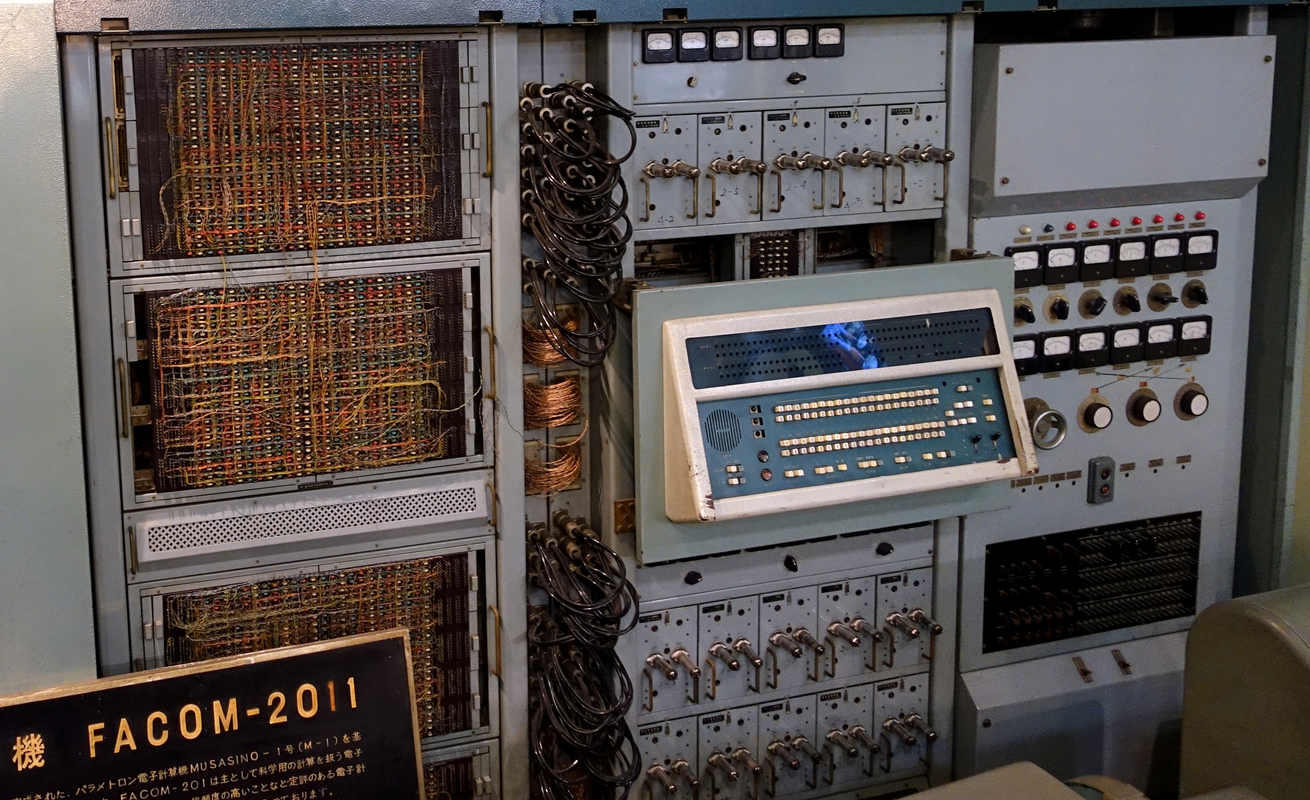
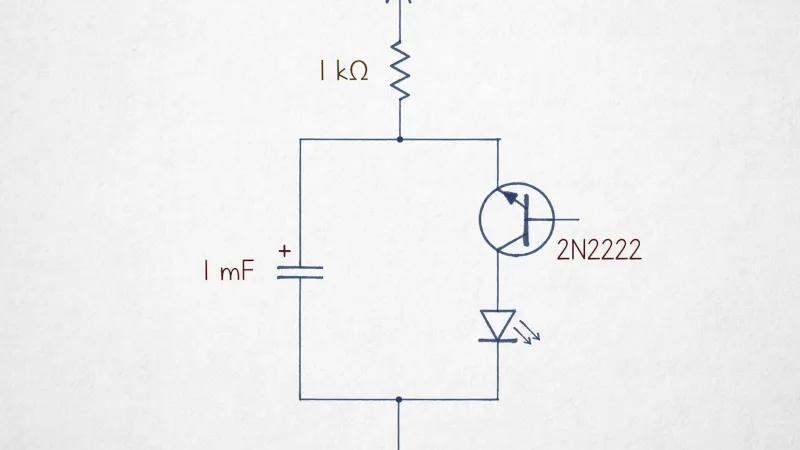
Miniaturization replaced the vacuum tube with the transistor. The currency of compromise shifted from watts of heater power to milliwatts of leakage and dissipation. The circuit remained a set of separate decisions, each of which could be touched, desoldered, rearranged. Compromises lived in four distinguishable layers, from the technical specification to the printed circuit board pattern.
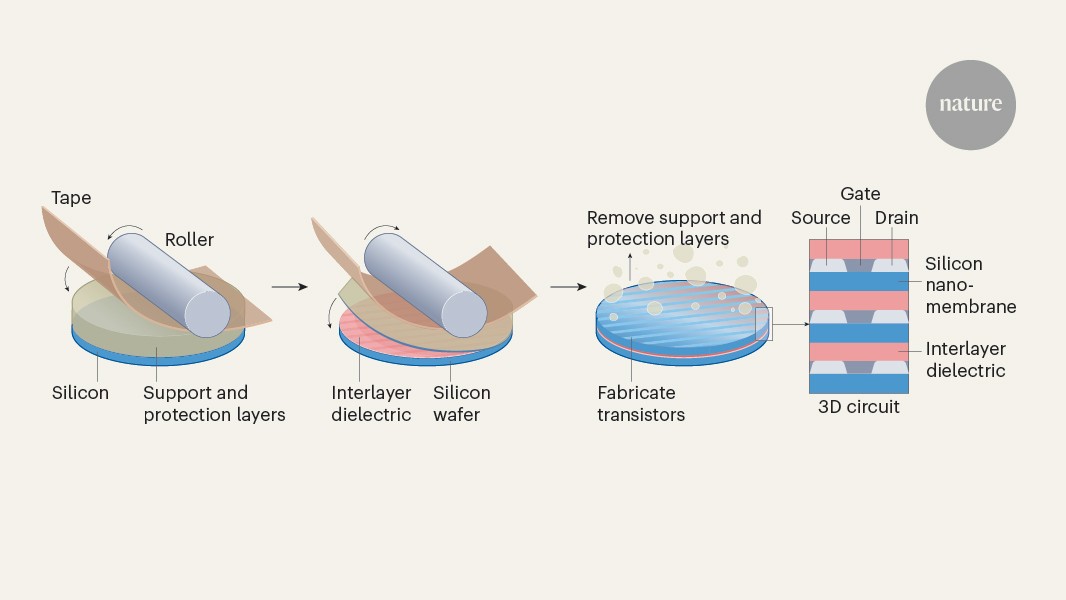
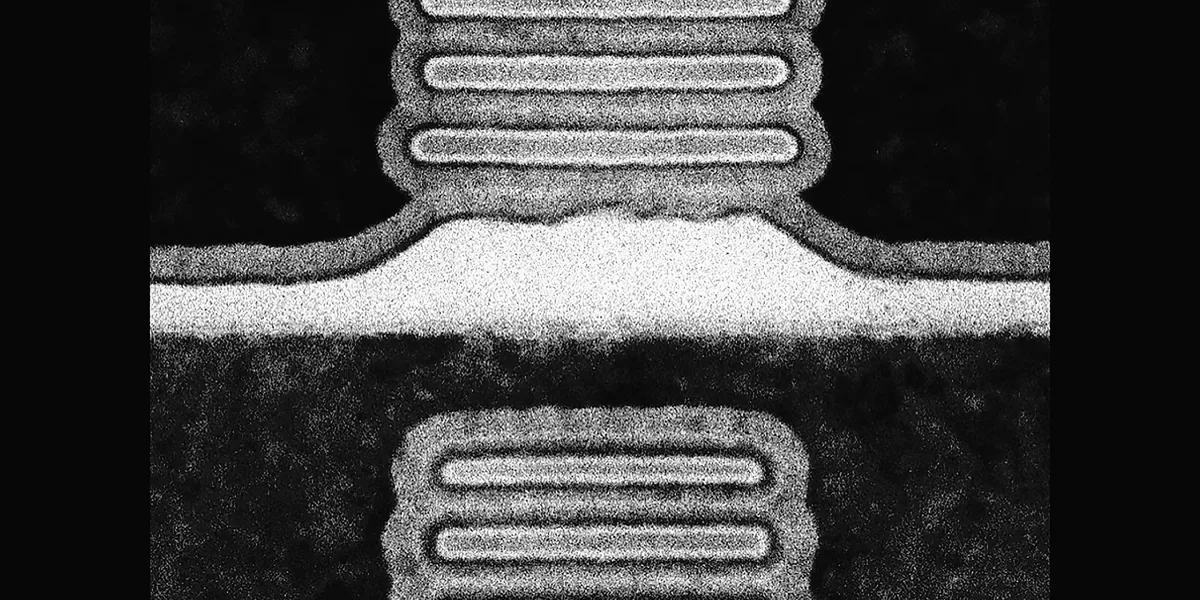
Micro-miniaturization did not continue the reduction — it changed the method of packaging. Four layers were pressed into a fifth: the transfer of topology onto a substrate. Component selection, routing, and power filtering ceased to be separate actions; they became a single lithographic pattern. The price for density turned out to be not size, but loss of transparency. The overweight of the sum of compromises, previously visible on the board, went inside the crystal.
Together with compression, a bundle of feedback connections emerged. In a discrete circuit, feedbacks were explicit — they could be broken with a probe. In an integrated circuit they became distributed: thermal, substrate-coupled, parasitic capacitive. The problem ceased to localize at a point; it began to drift through the network of compromises. Drift manifests not where it is born: noise in the speaker can begin as a supply sag in another corner of the die, and bias instability as heating of a neighboring stage. The network itself becomes the channel for error transport.