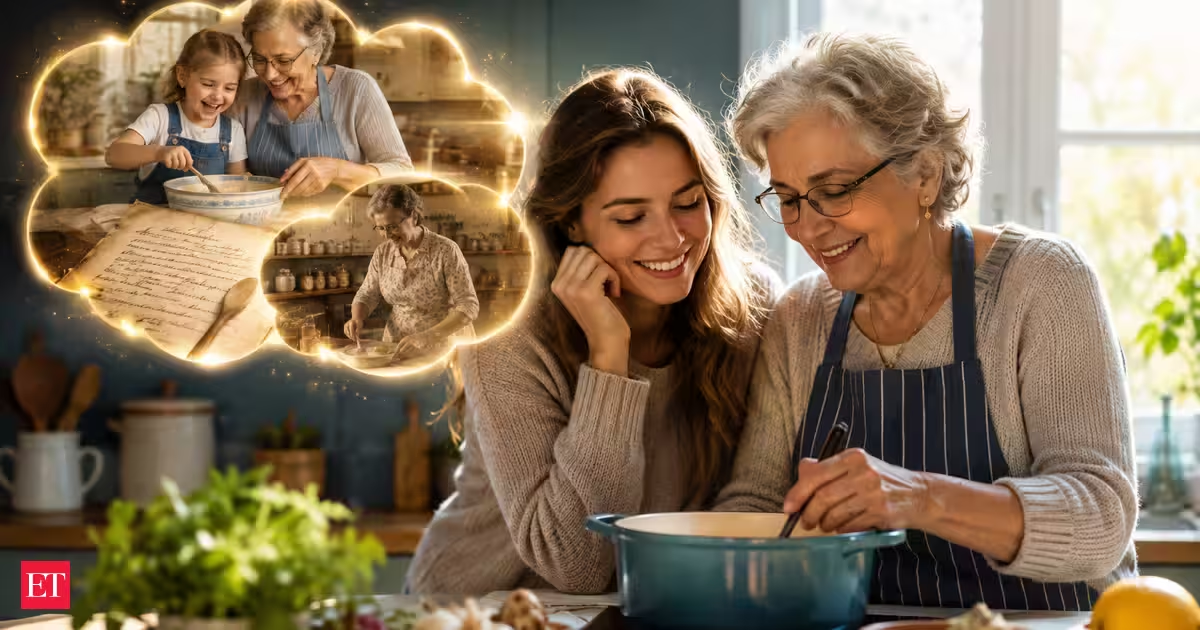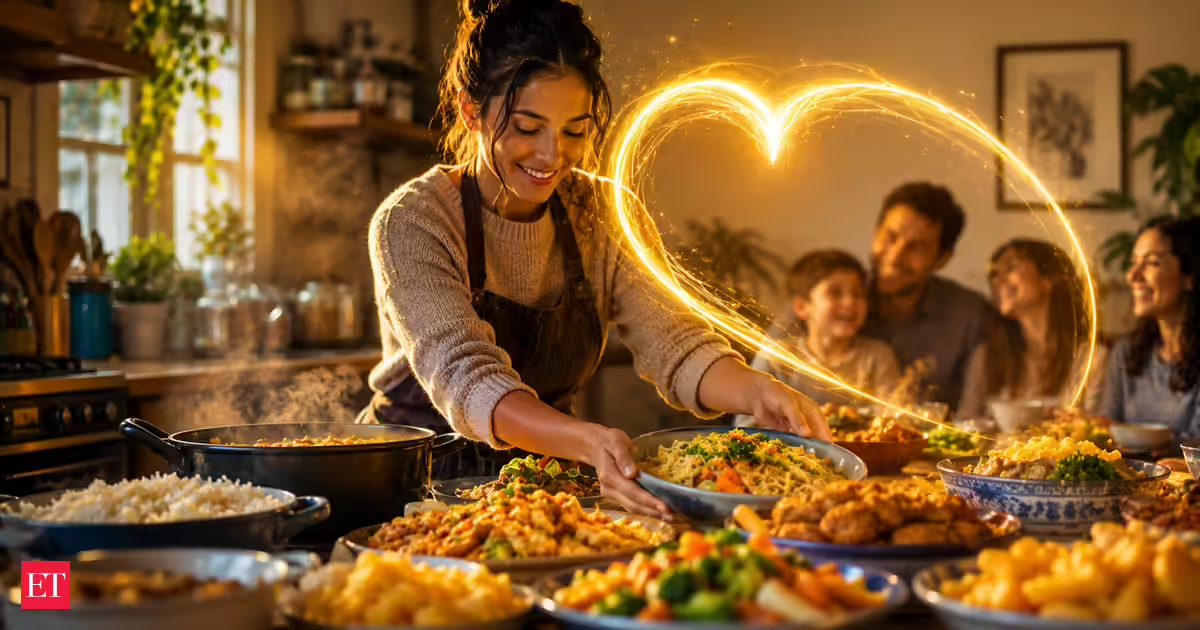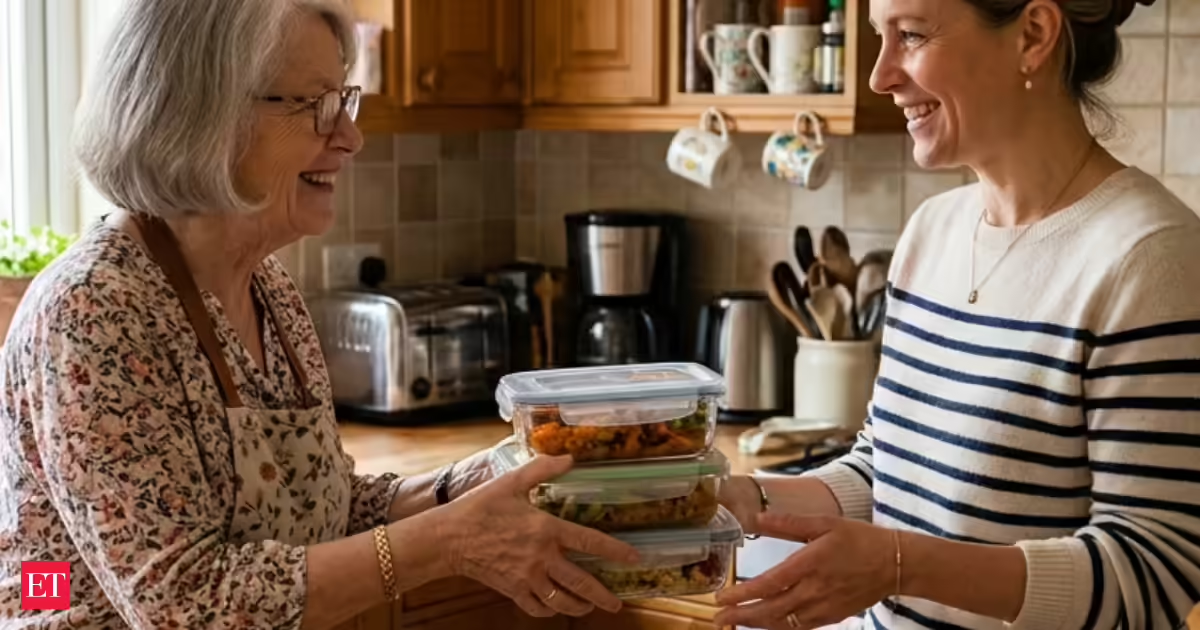
Psychology suggests the grandparent who wraps leftovers for everyone isn’t fussing; they’re turning care into something tangible, because some generations learned love lands best when it can be carried homeSynopsisGrandparents often express love through practical help like sending food. Research shows this instrumental support boosts their mood. These gestures, like packed containers of food, are a way of saying 'I've got you.' This tradition, common in many families, offers tangible care. It's a reliable way to show affection without words, a gesture that benefits everyone involved.She's not just packing food she's packing love. Image Credits: Google GeminiThat moment when grandma starts bringing out containers before you've even found your shoes? That’s not her overdoing it. According to a study published in The Gerontologist, when older adults provide everyday practical help to their grown children, it's linked to a more positive mood for them too. So before you wave off the leftovers, it's worth knowing: she's not being fussy. She’s speaking her love language.For a lot of American families, especially those with immigrant roots, or strong Southern, Midwestern, and multigenerational traditions, food has long been the unspoken way of saying “I’ve got you.” And the research supports this more than you would think.Care you can actually holdPsychologists categorize family support into two types: emotional support (the hugs, the “I’m proud of you” texts) and instrumental support (the stuff that actually makes life easier). According to a nationally representative US study published in Palliative & Supportive Care, family caregivers who get more practical, hands-on help from others tend to report less distress.A container full of leftovers checks that instrumental box perfectly. It's dinner sorted. One less decision to make after a long day. This is care you can keep in your fridge and pull out when you need it most.It's basically a love languageFamily researchers have long charted how support is exchanged from generation to generation day to day. The above-mentioned study, published in The Gerontologist, followed middle-aged adults for a week and found that most participants gave their adult children some form of emotional support, advice, or practical help, like running errands or helping out with everyday tasks, over that time. Providing that kind of support was linked to a better mood for the giver.Every container is a little act of care. Image Credits: Google GeminiWhen grandma hands you a container “for the road,” it's not because she thinks you're incapable of feeding yourself. She's following a daily routine that researchers say actually makes her feel good, too. It is not a one-way chore. It's something she gets something out of, too.Why it seems larger than foodLeftovers could also be about something else. They turn an abstract feeling into something you can actually carry. Psychologists studying love languages have found that one of the most reliable ways people express and receive love is through “acts of service,” doing something helpful for someone instead of just saying nice things. A study published in the journal PLOS ONE found that when a person expresses love in a way their partner or family member actually prefers, both parties report a higher level of satisfaction with the relationship.A neatly packed container is just that: worry, made into something useful, handed to you at the door. It also literally takes something off your plate. And you don’t have to worry about dinner tonight. Somebody's already done that part for you.Grandparents have always shown up this wayThis trend is nothing new, nor is it random. A US population-based study published in the Journal of Family Issues, using data from the Health and Retirement Study, notes that American families commonly provide one another with practical and emotional support across the life course, in keeping with longstanding patterns of family members helping each other through everyday needs. Most of all, grandparents have long been the quiet family functionaries, keeping things going behind the scenes.This is how grandma says I've got you. Image Credits: Google GeminiHence the leftover ritual feels so familiar. No big parade. It’s a small, repeated action that says: I’m still watching out for you, even after you’ve left the house. Those little things eventually add up to more than any one meal.It's not the same in every family, and that's okayOf course, not every family shows love in this way, and that is okay. Some families show care by calling. Some show care by driving you to the airport. Some show care by always remembering your coffee order. The point isn’t that leftovers are the “right” way to show love. The point is, these practical, everyday gestures the ones it’s so easy to overlook, are supported by real psychology as meaningful expressions of care.The bottom lineSo next time grandma starts gathering containers before dessert is even finished, give her a break. This is not an eccentricity, the studies say. It’s one of the oldest, most reliable ways families say “I love you” without actually saying it.It’s care that doesn’t need applause. All it needs is a fridge to call home.( Originally published on Jun 13, 2026 )Read More News on(Catch all the US News, UK News, Canada News, International Breaking News Events, and Latest News Updates on The Economic Times.) Download The Economic Times News App to get Daily International News Updates....moreless
Psychology suggests the grandparent who wraps leftovers for everyone isn’t fussing; they’re turning care into something tangible, because some generations learned love lands best when it can be carried home
Explore how grandma's habit of sending you home with leftovers isn't just fussiness; it's a tangible expression of love backed by psychological research. Discover the significance of practical support in familial relationships.
876 words~4 min read