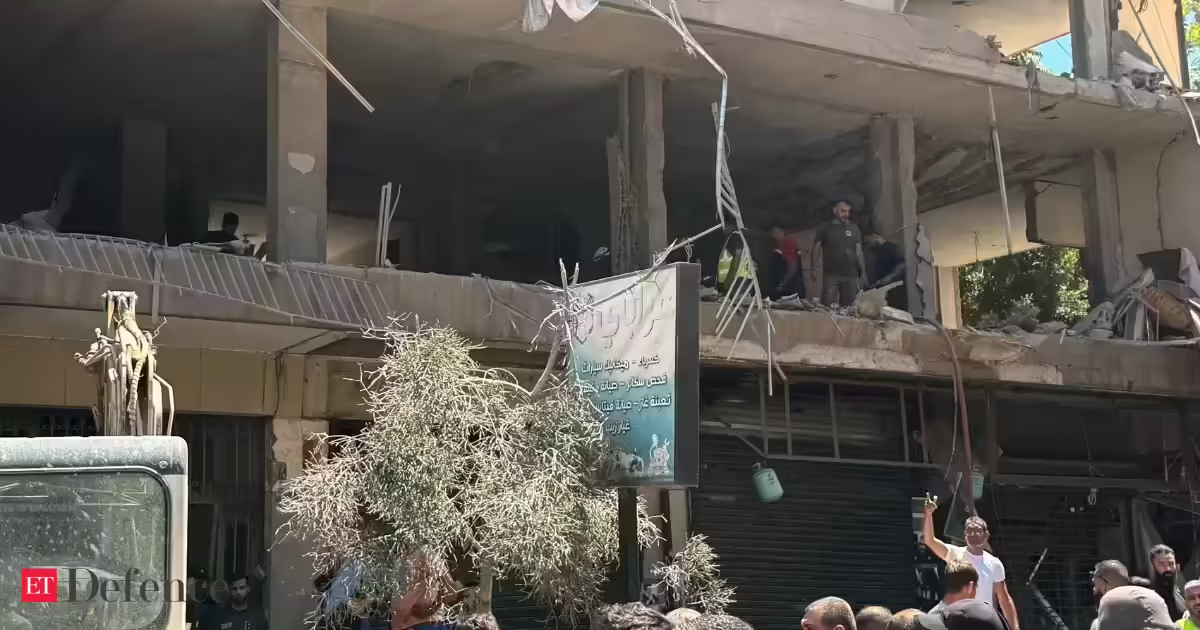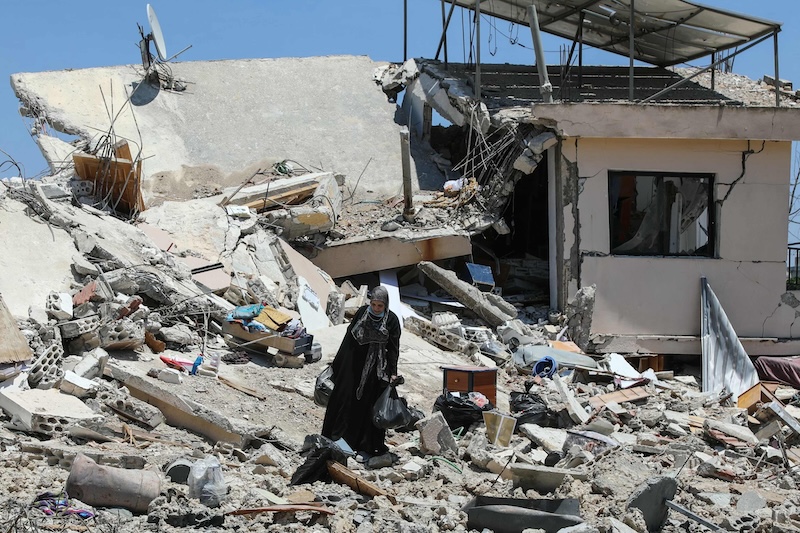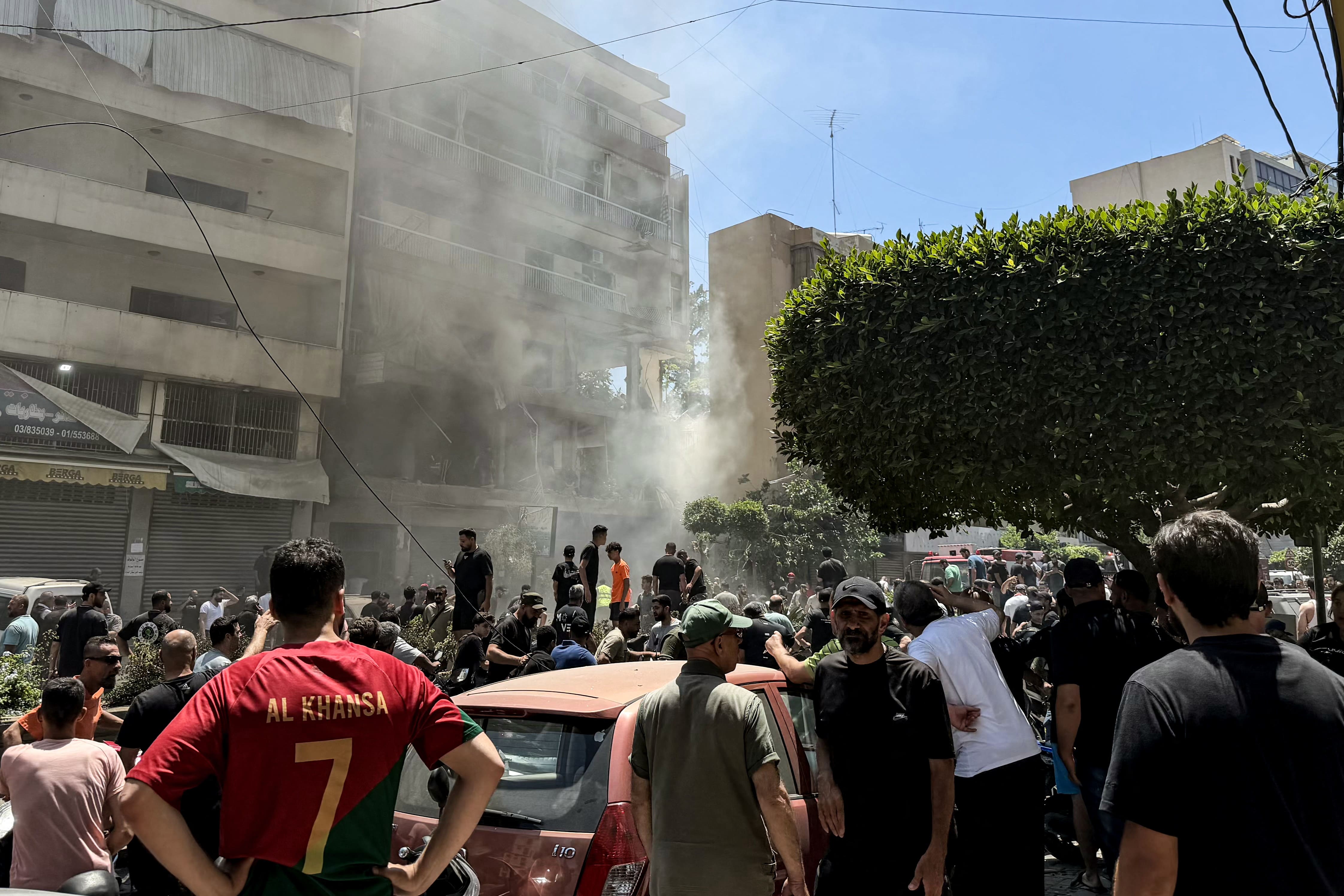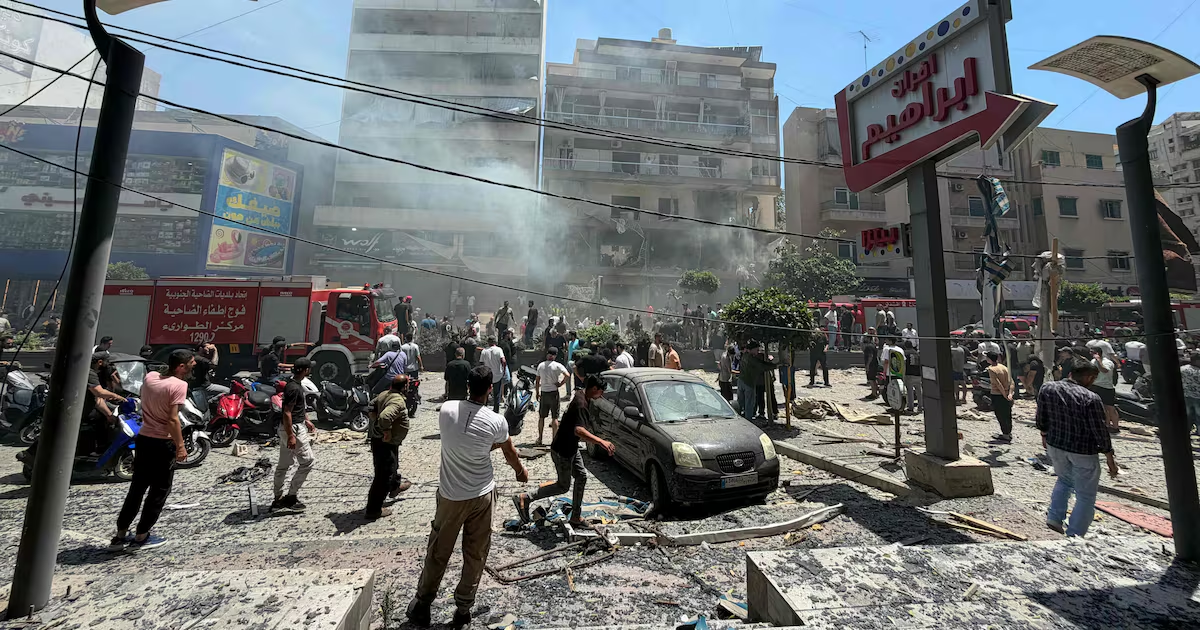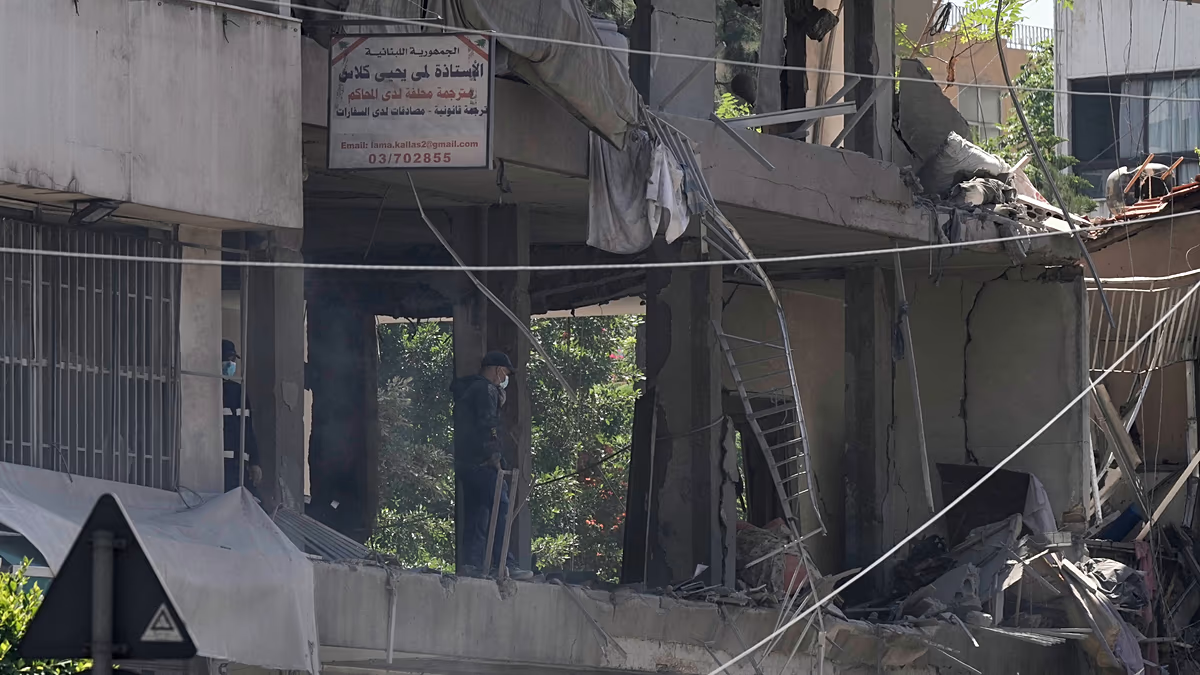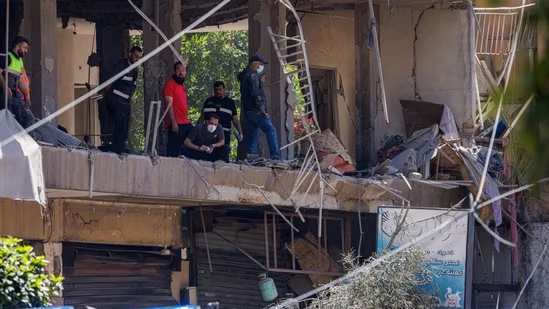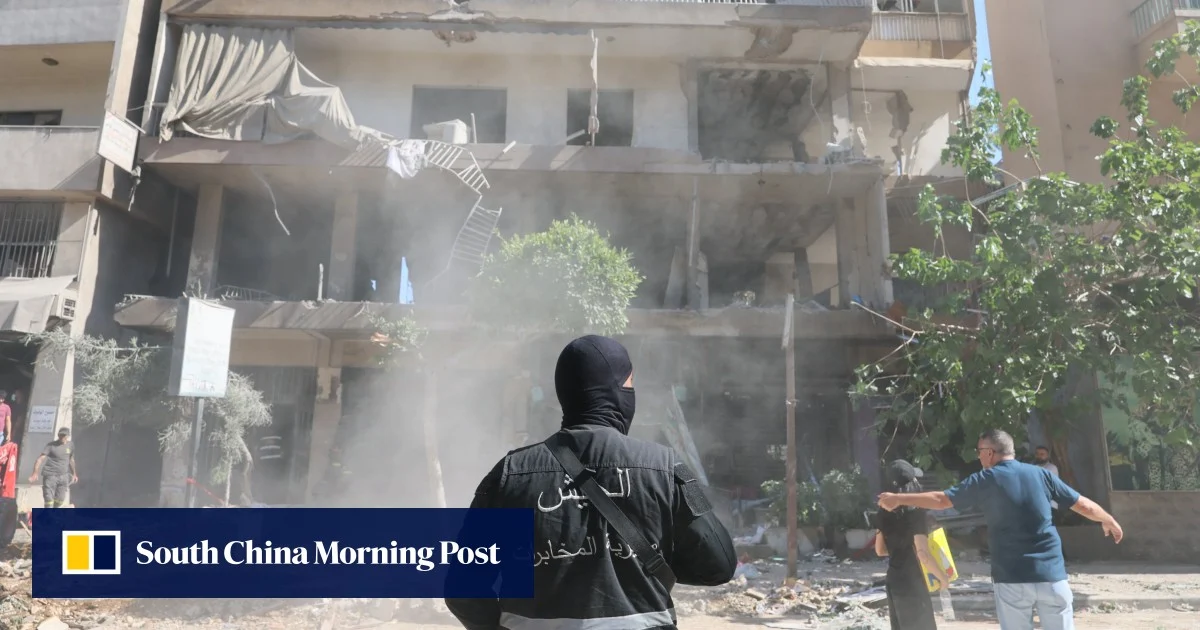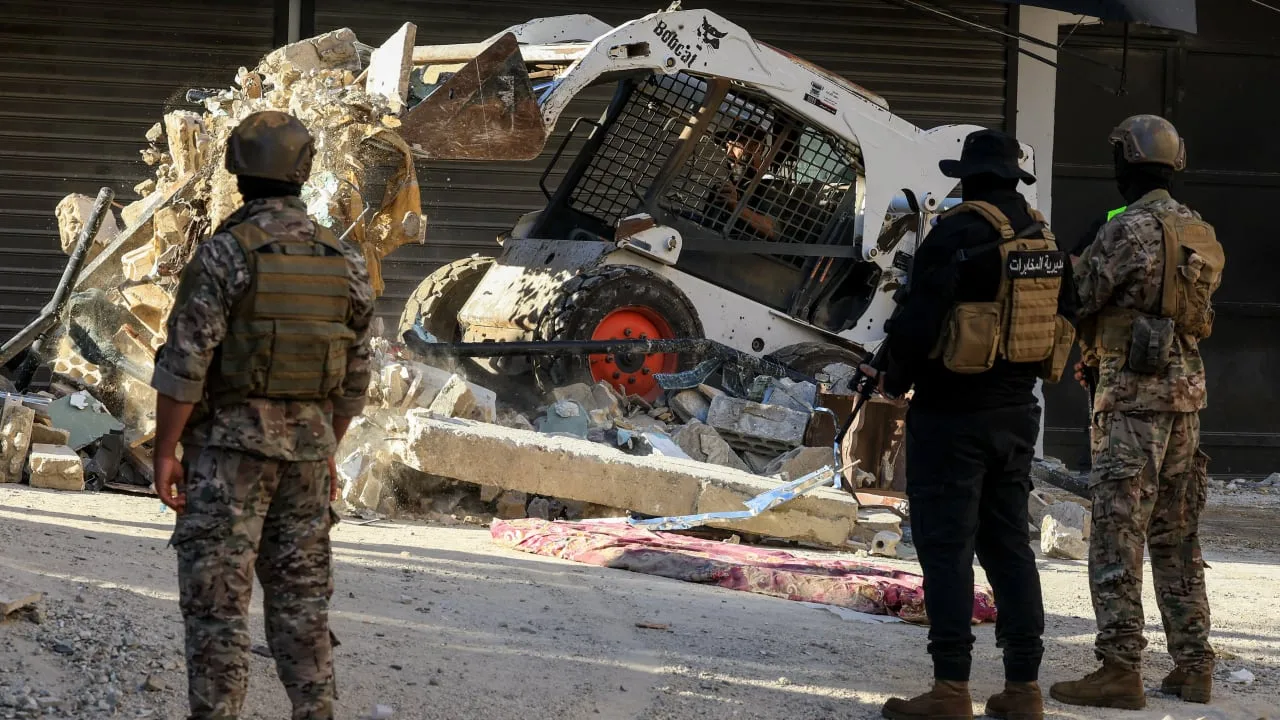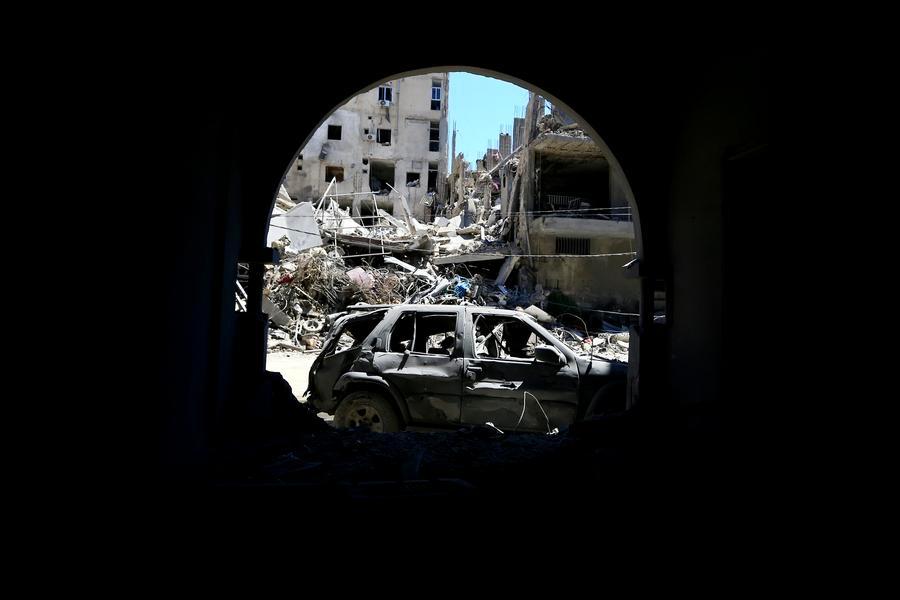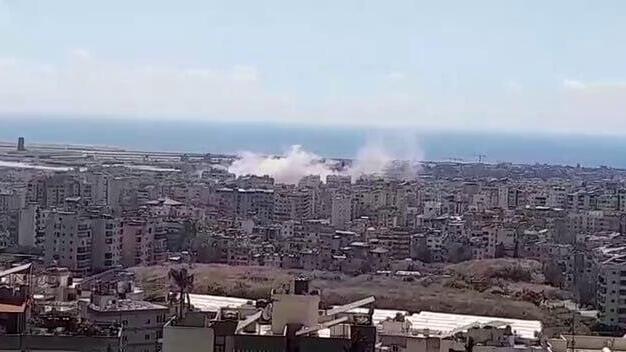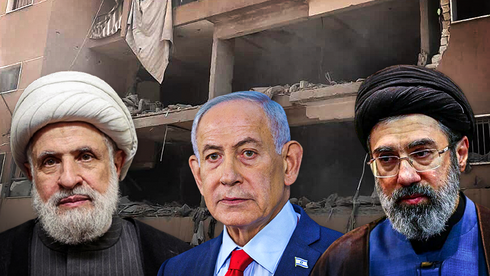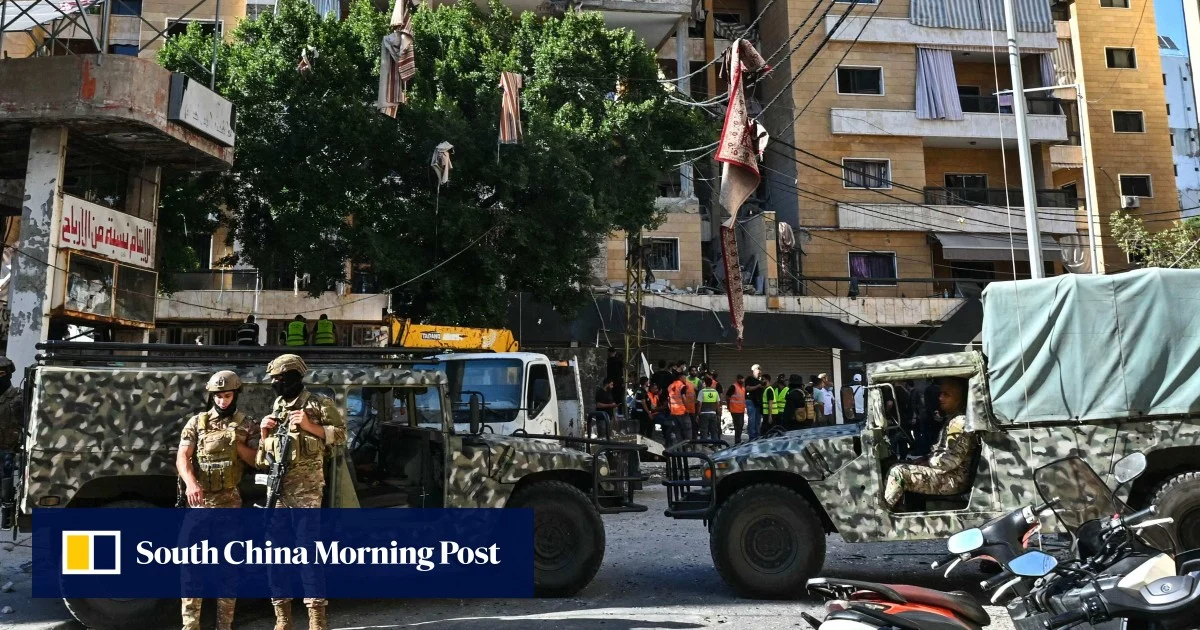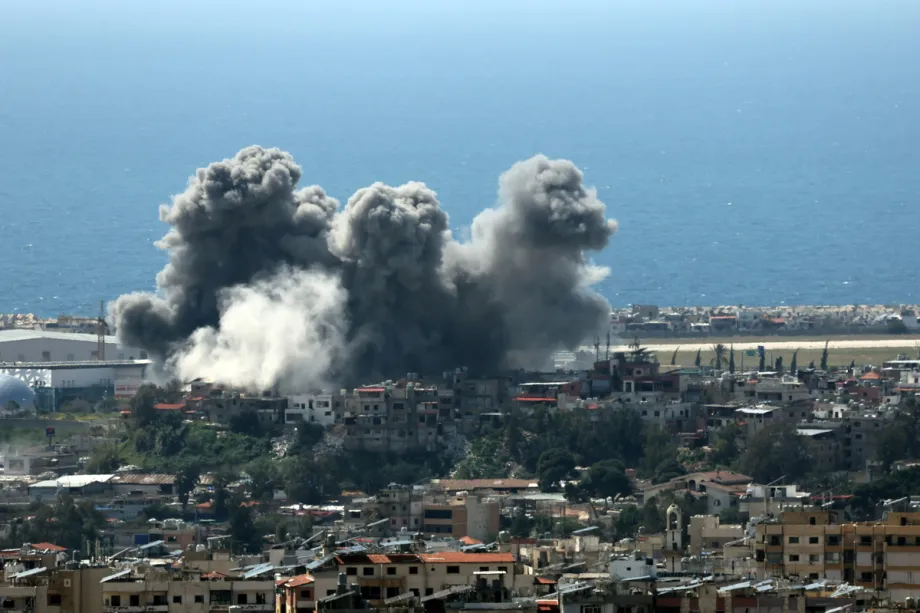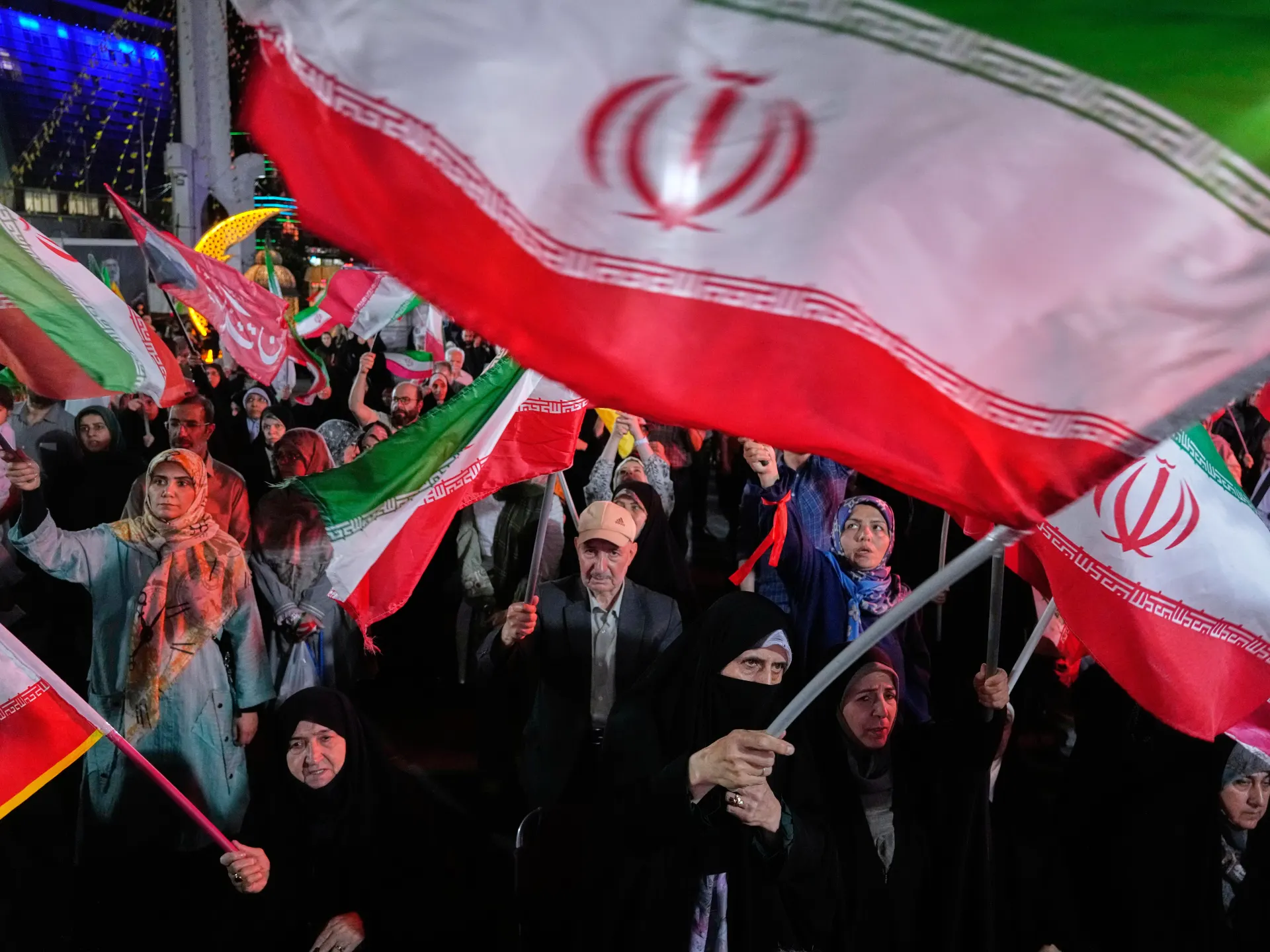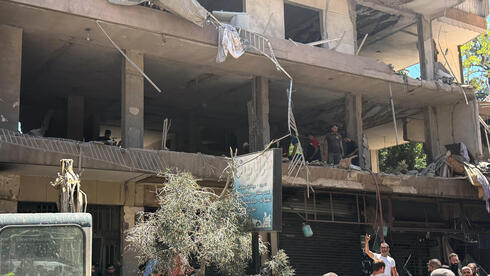
Israeli officials say the Beirut strike is shaping a new security doctrine against Hezbollah, while Iran threatens a response and a diplomat tells Fox News the attack was a ‘clear attempt’ to undermine a US-Iran memorandum“It is not certain that the current strike means the strikes are over,” Israeli officials said after the IDF attacked what it said was a Hezbollah command center in the Dahieh district, the terror group’s stronghold in the Lebanese capital.Footage from IDF's Dahieh strike (Video: IDF)The officials said the strike was “critical and is shaping the security concept against Hezbollah in Lebanon.” They noted that senior Israeli officials had already declared that any fire crossing the border from Lebanon into Israel would be met with strikes in Dahieh.The strike followed Hezbollah’s launch of three drones that exploded inside Israeli territory. The IDF described the impact sites as a “military area,” but Israeli officials called that definition “somewhat strange,” noting that at least one drone exploded near homes in the western Galilee community of Shlomi.“Hezbollah excused the fire by claiming it had targeted Israeli bases inside Israeli territory,” the officials said. “Before the strike, senior Israeli officials held talks with Netanyahu and pressed him to carry it out. The defense minister was also involved in the decision.”4 View gallery The building that was targeted4 View gallery The apartment that was attacked (Photo: AP/ Bilal Hussein)Prime Minister Benjamin Netanyahu and Defense Minister Israel Katz issued a joint statement moments after the strike, saying: “In accordance with the directive of Prime Minister Benjamin Netanyahu and Defense Minister Israel Katz, the IDF struck in response to Hezbollah fire toward Israel. Israel will not tolerate fire toward its territory.”According to the IDF, the target was a Hezbollah command center “used by Hezbollah terrorists to advance terrorist attacks against Israeli citizens and IDF soldiers operating in southern Lebanon.”“Prior to the strike, steps were taken to mitigate harm to civilians, including the use of precise munitions and aerial surveillance,” the military said.Footage from the scene of the attackLebanon reported three people killed and 15 wounded after two Israeli Air Force fighter jets dropped four munitions on the target in Beirut. Nearly two hours after the strike, sirens were activated in the western Galilee.The strike also drew immediate threats from Iran. Ebrahim Rezaei, spokesman for the Iranian parliament’s National Security and Foreign Policy Committee, wrote on X that “one must not fall into the misconception. Even if you want an agreement or understandings, the way to reach them is to punish the Zionist regime.”“If this mad dog is not restrained, even before the ink on the understandings dries, it will bite our leg,” he wrote.4 View gallery Scene of the strikeIranian parliament speaker Mohammad Bagher Ghalibaf also joined the threats, saying the Israeli “invasion” of Dahieh had again proven that “America has neither the will nor the ability to fulfill its commitments, and without that there can be no progress. The game of ‘good cop and bad cop’ is outdated.”Iran’s Khatam al-Anbiya headquarters, the country’s emergency command, said that “the Zionist crimes will not remain unanswered.”Fox News reported, citing a diplomat “familiar with the talks,” whose identity and country were not disclosed, that the Dahieh strikes were creating difficulties in finalizing a memorandum of understanding.“This is a clear attempt by Israel to sabotage the agreement and drag the United States back into the war,” the diplomat said.4 View gallery The Dahieh, BeirutThe strike came amid growing reports of a developing agreement between Washington and Tehran that is expected to have direct implications for the northern front. CNN reported earlier Sunday that a Qatari delegation, in coordination with the United States, had left for Tehran to help finalize a memorandum of understanding between the Americans and the Iranians, who are demanding that Israel halt its activity in Lebanon.Qatar’s Al-Araby channel reported that the visit was intended to resolve comments submitted by Iran. The CNN report, published before the Dahieh strike, said plans to sign the memorandum digitally and remotely were meant to prevent last-minute complications.Meanwhile, fighting in southern Lebanon continues at high intensity, with developments on the ground unfolding against the diplomatic clock. In recent days, friction with Hezbollah terrorists has increased, a familiar dynamic in what Israeli officials describe as the final stretch before potential arrangements, when each side tries to set facts on the ground and improve its position.The IDF is trying to neutralize the background noise. “Not everything being said is accurate,” a senior military official said from the field. “Especially in the current era, we have learned to protect our soldiers physically and mentally. We are practiced for the possibility of agreements. Their desire to harm us is constant, and so is our goal of striking them.”The official said the intensified emphasis on defense and protection was not a product of the past few days, but part of a broader approach that has accompanied the campaign throughout.
Iran threatens response after Israel strikes Hezbollah’s Dahieh, officials warn more may follow
Israeli officials say the Beirut strike is shaping a new security doctrine against Hezbollah, while Iran threatens a response and a diplomat tells Fox News the attack was a ‘clear attempt’ to undermine a US-Iran memorandum
TL;DRAI
Israel struck a Hezbollah command center in Beirut, killing 3, in retaliation for drone attacks from Lebanon. The strike undermines US-Iran memorandum negotiations, creating geopolitical risks affecting regional tech supply chains and investment.
817 words~4 min read