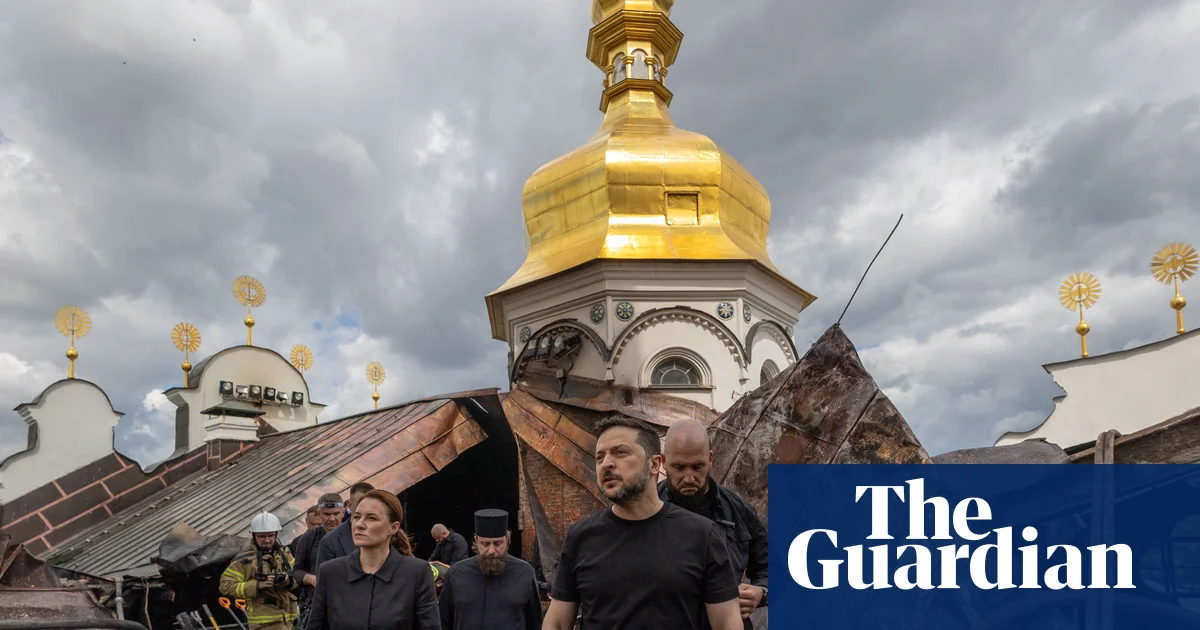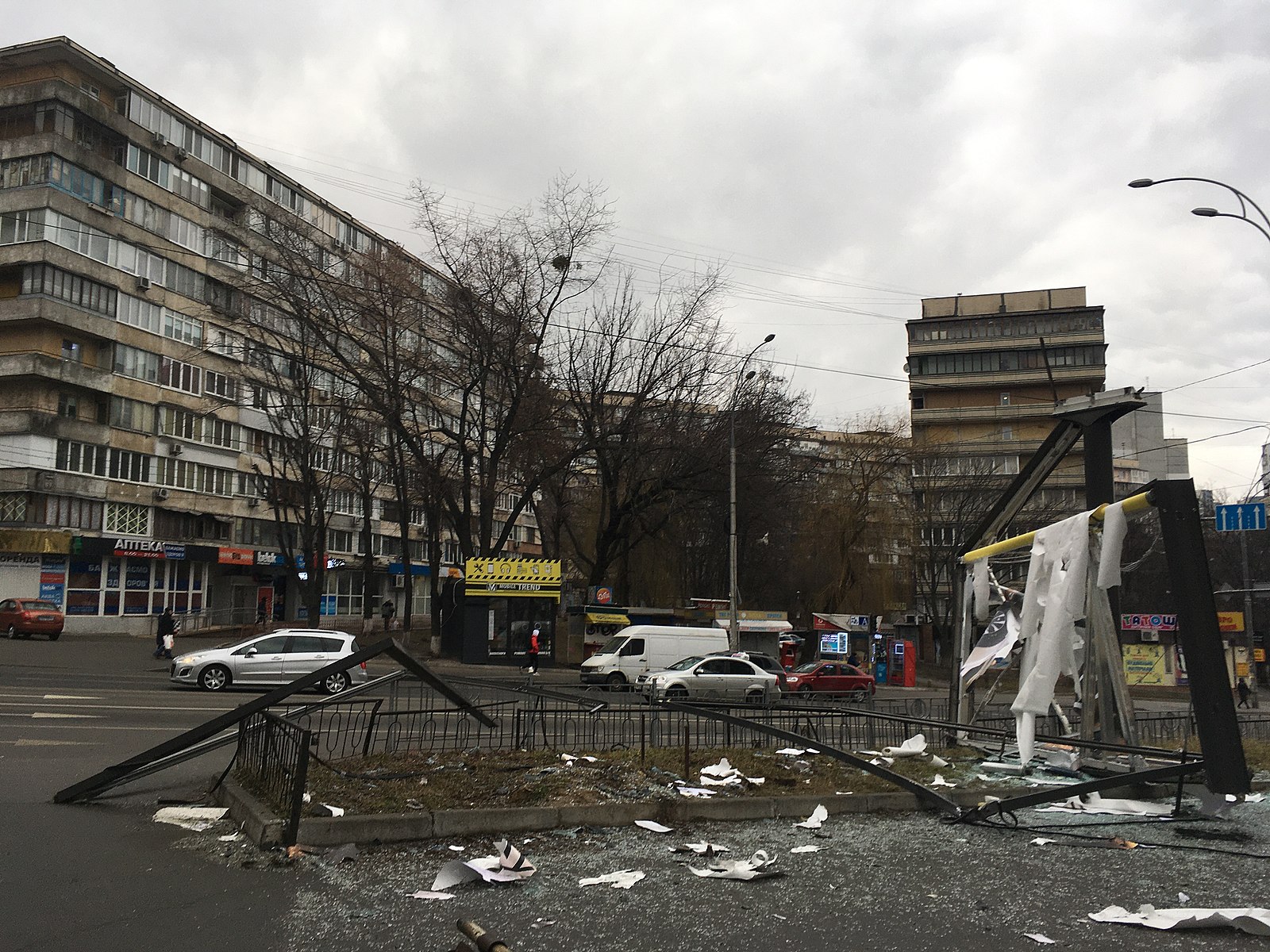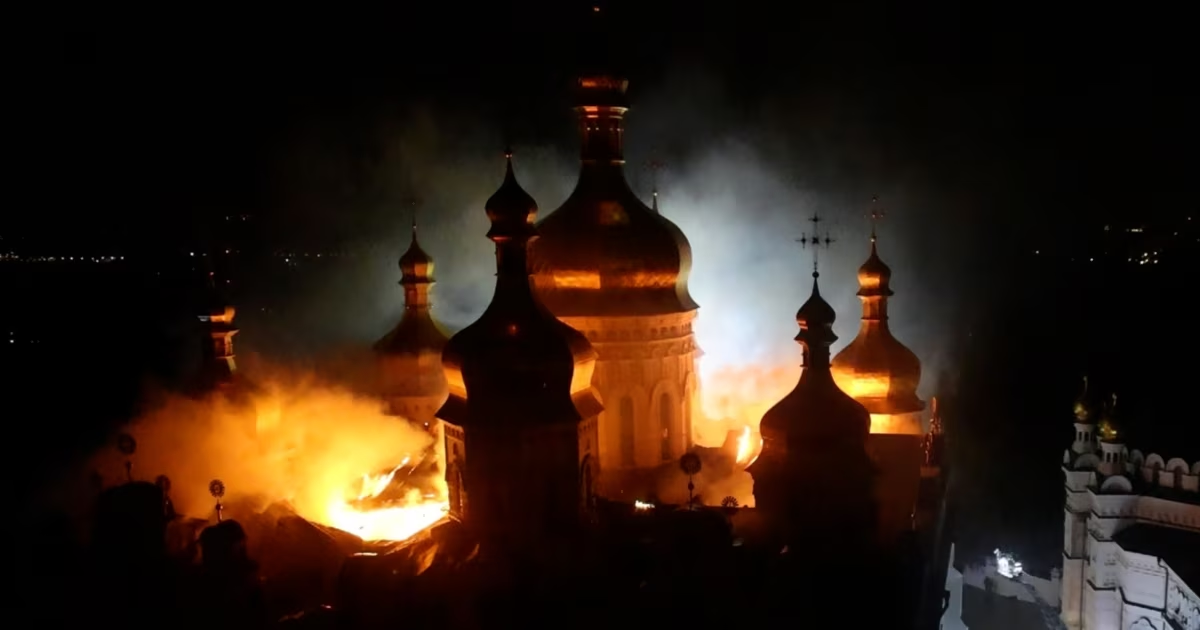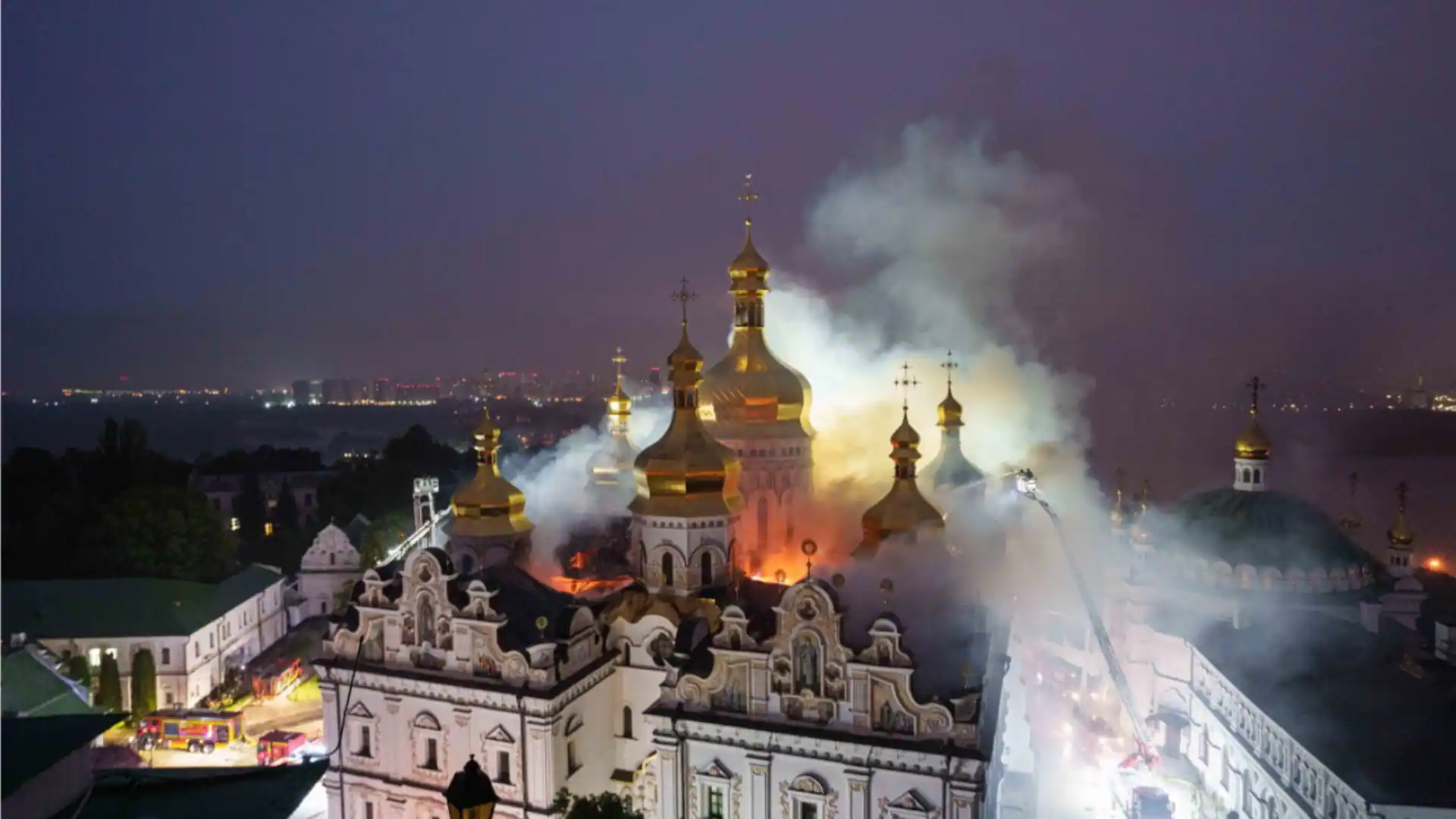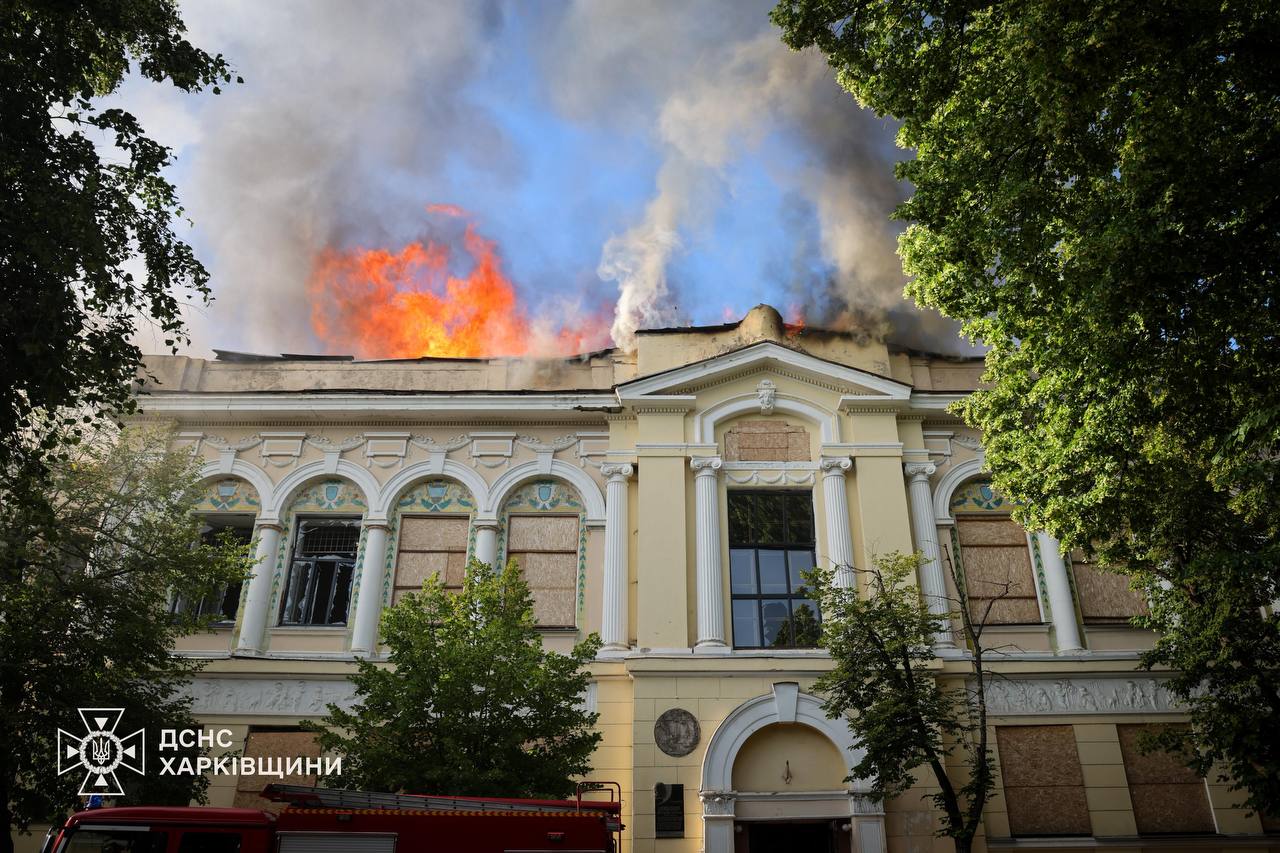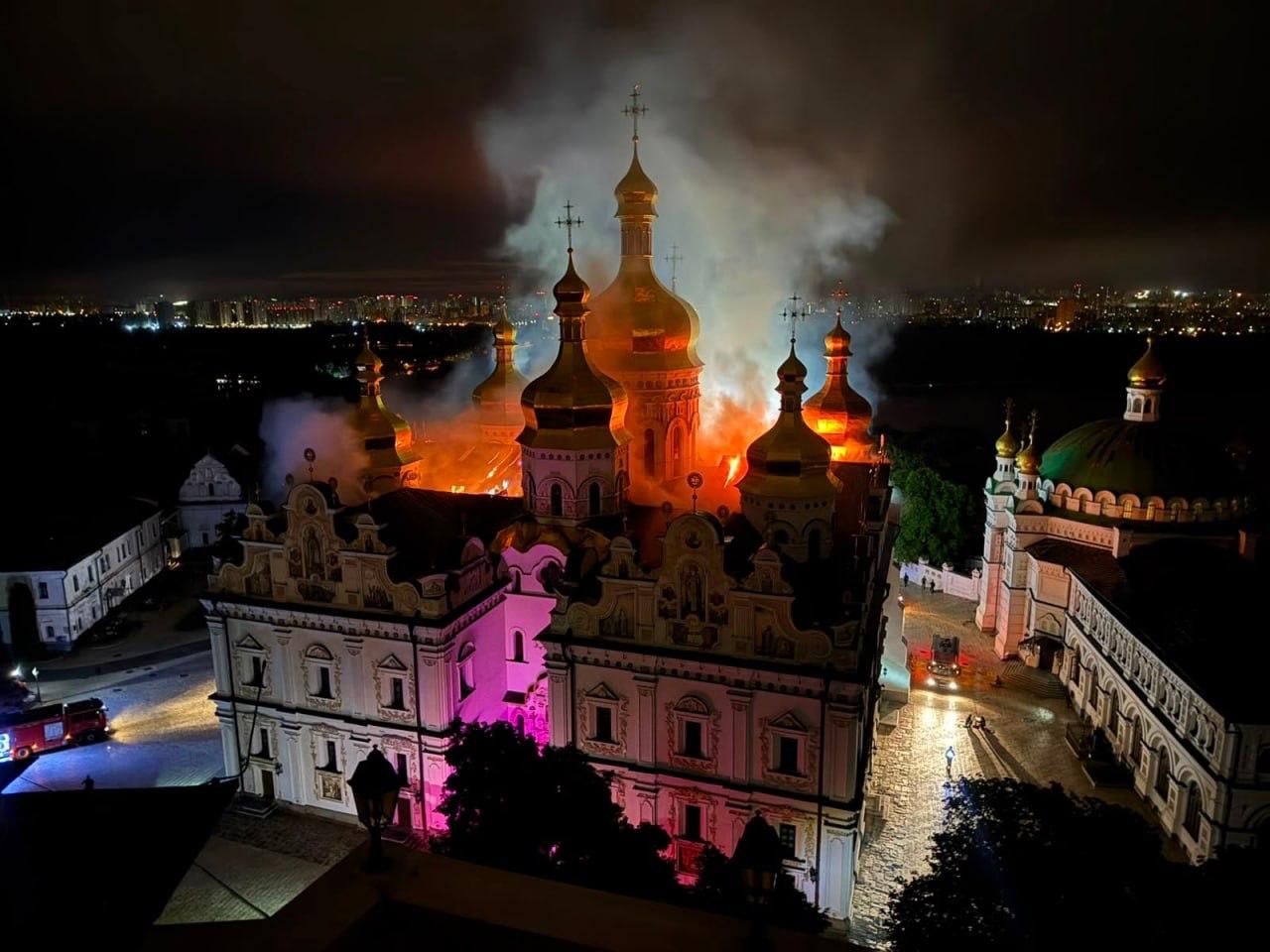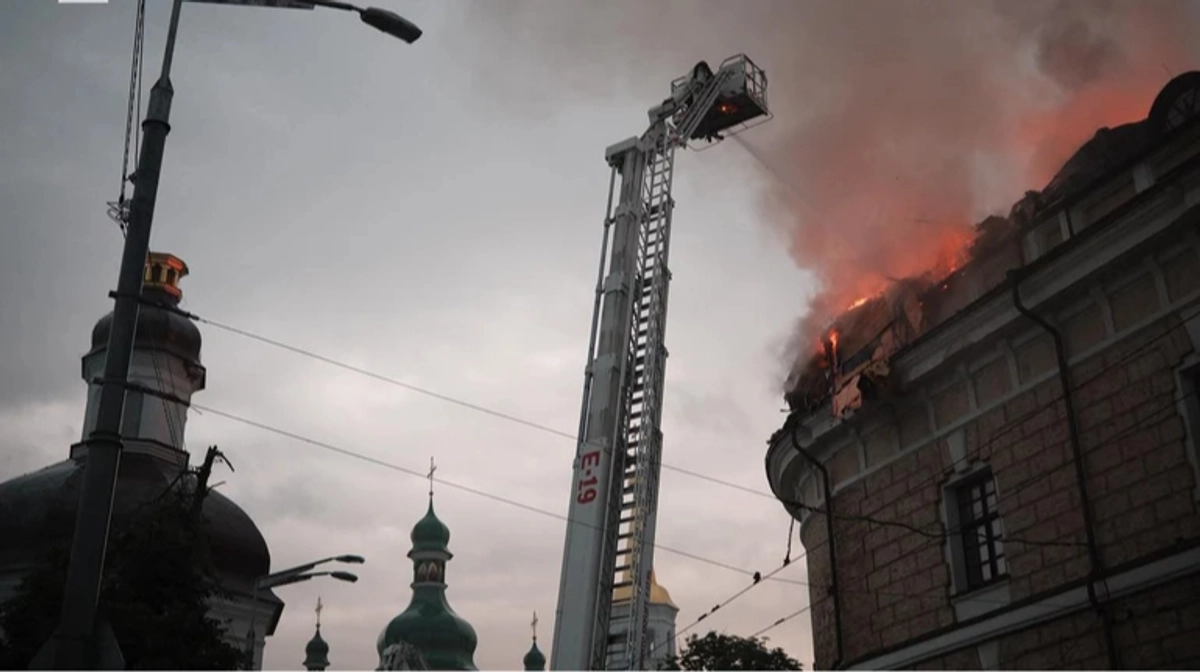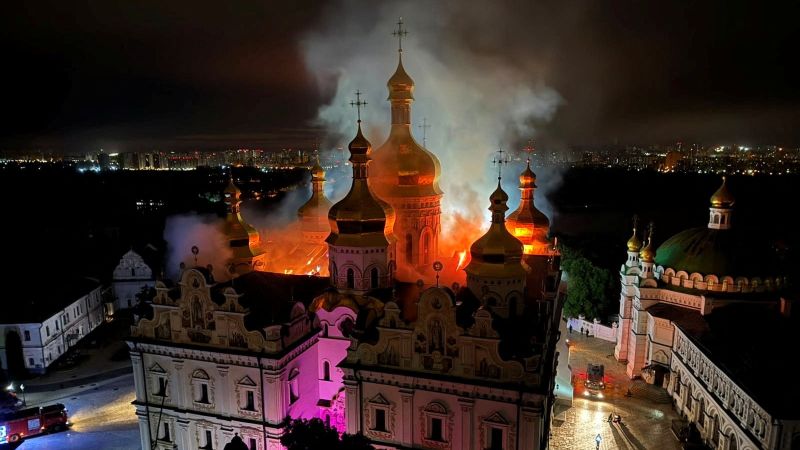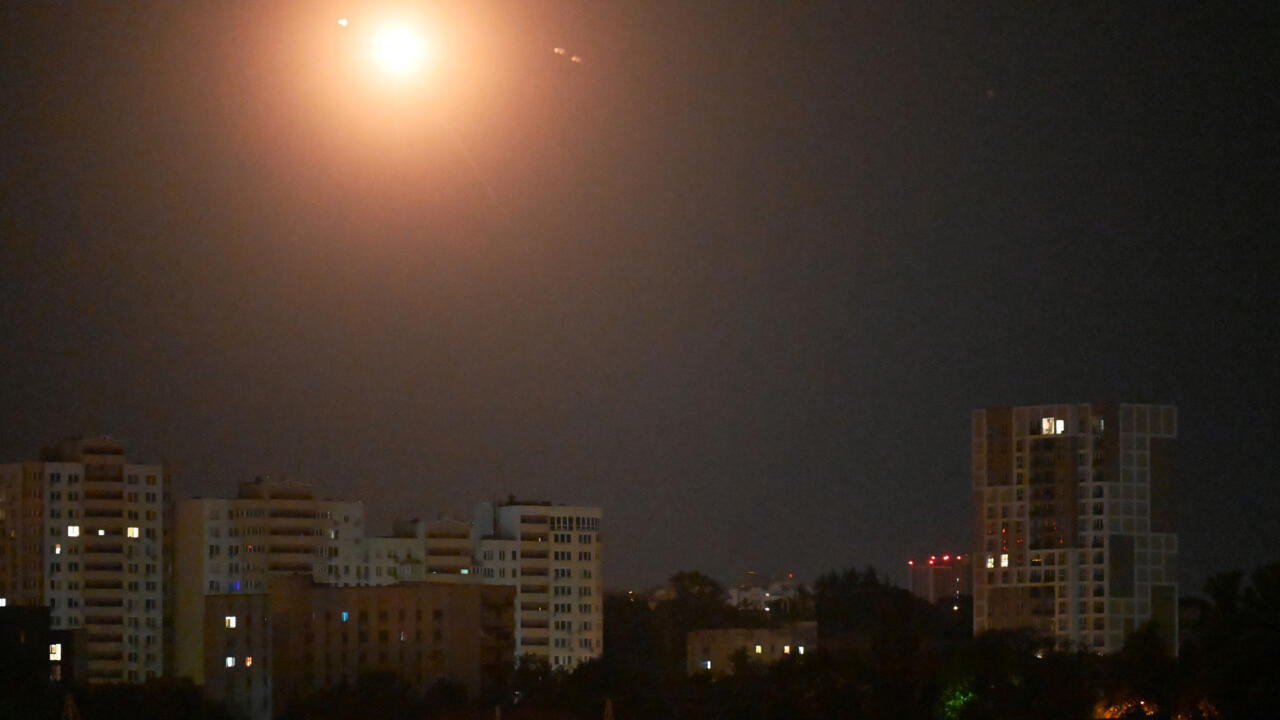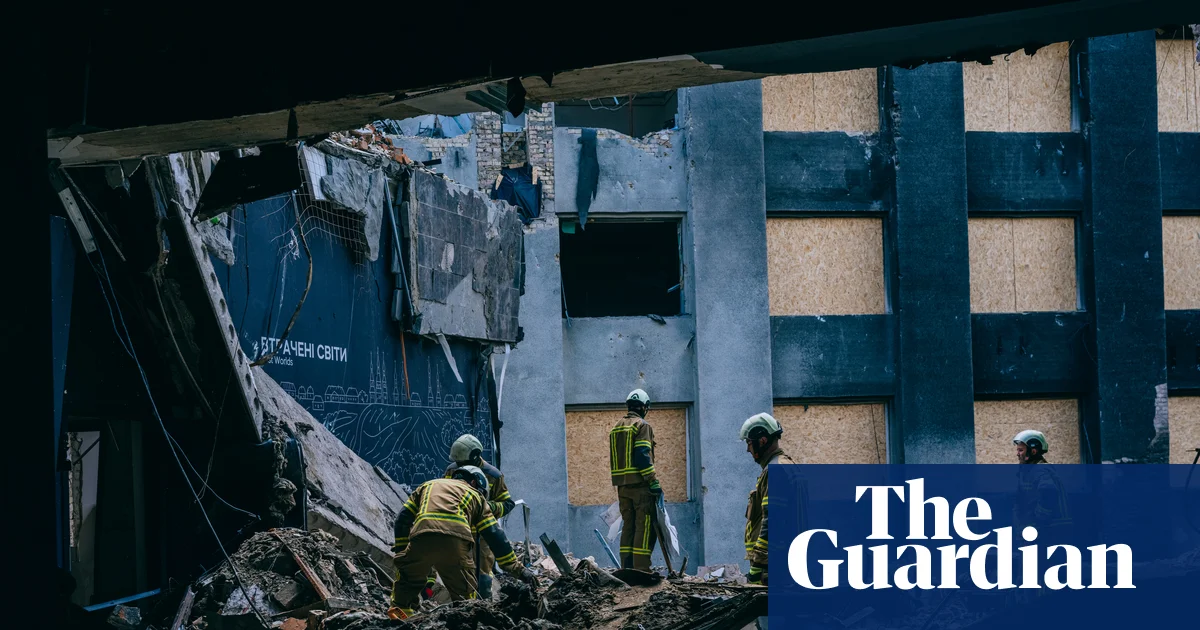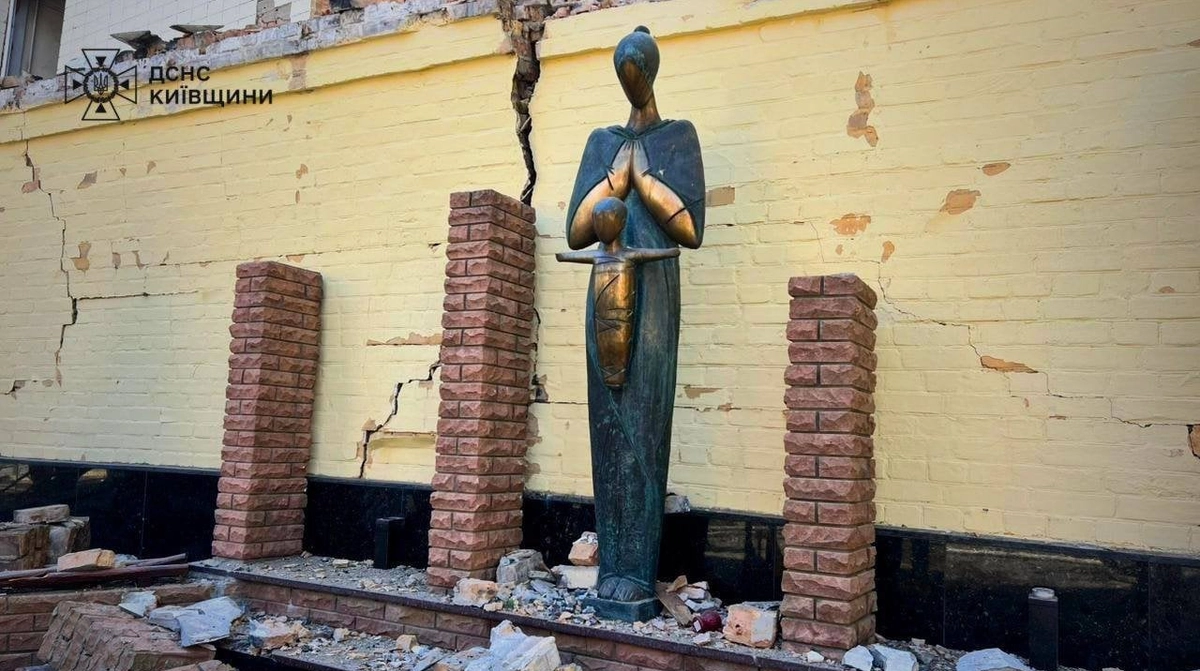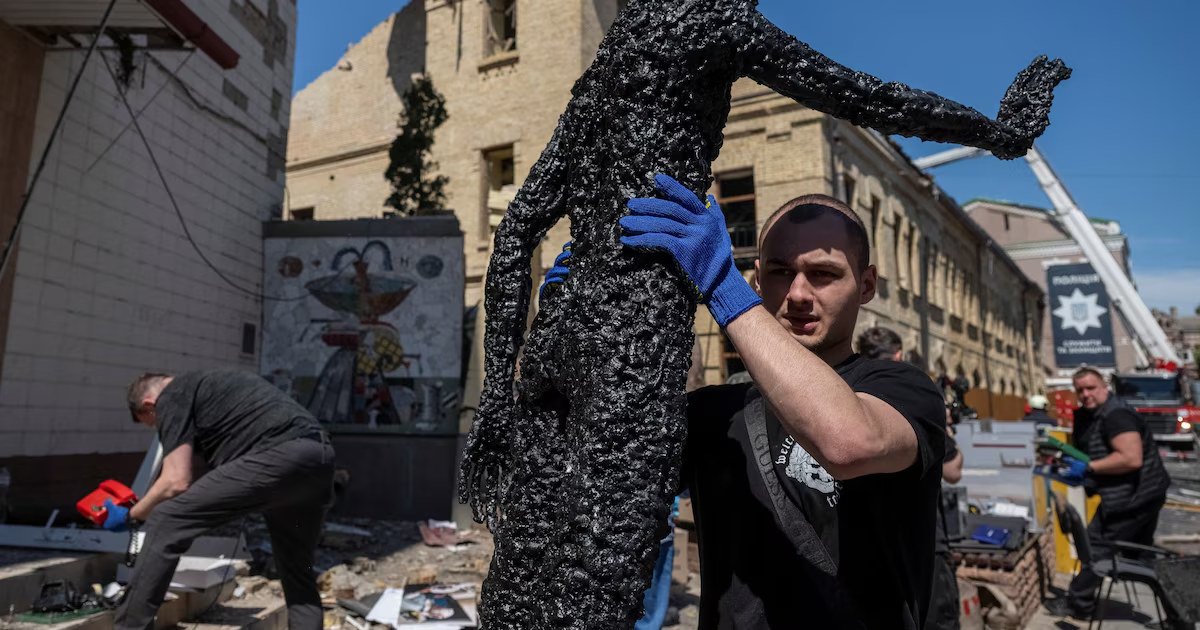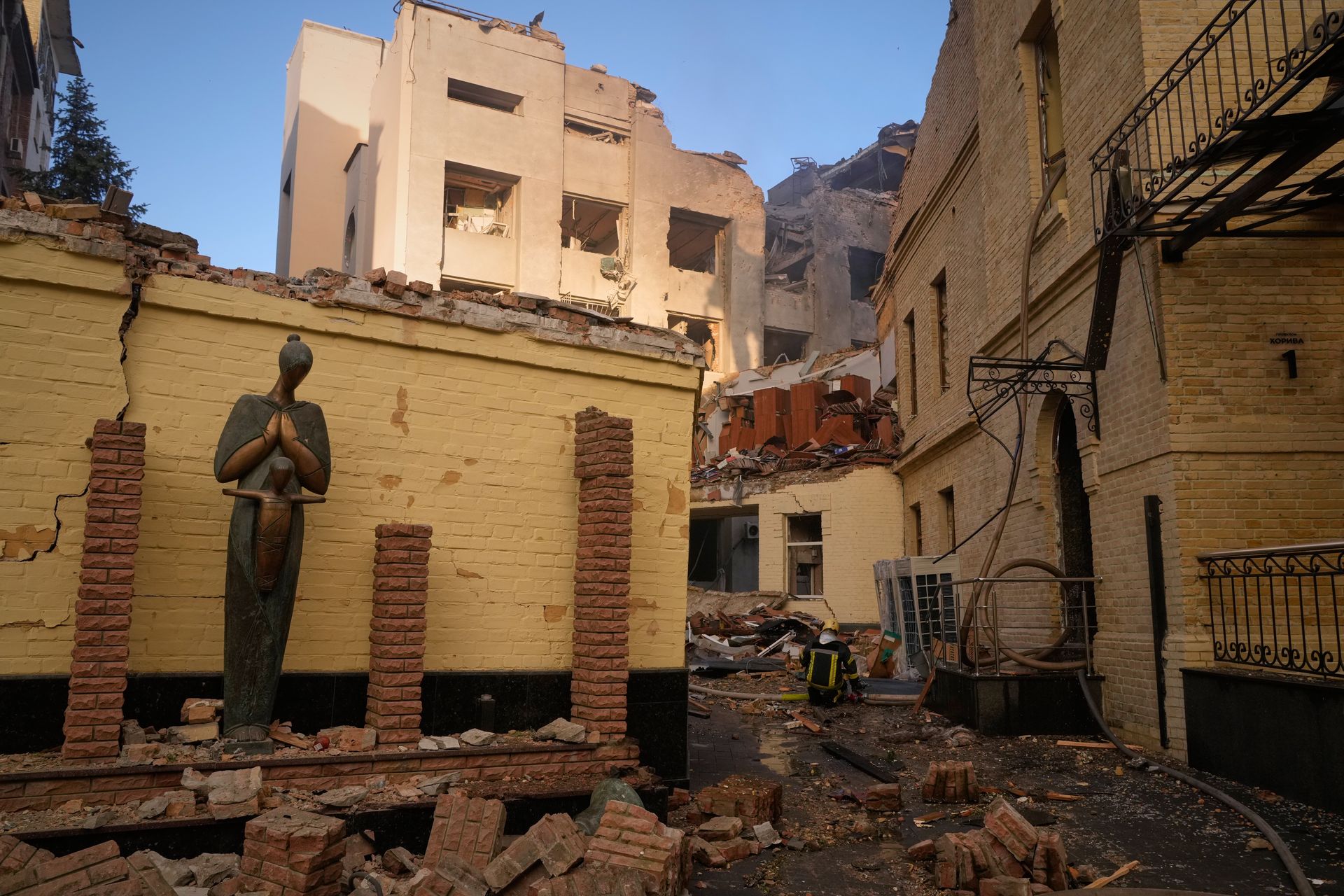
At 5 a.m. on May 24, employees at Kyiv’s Chernobyl Museum heard the thud of what was almost certainly an Iskander missile.In wartime Kyiv, a thud is never just a sound. It is a question. Where did it hit? Who was hurt? What is burning?Within moments, word began to spread. The missile had struck the Chernobyl Museum, which had reopened to the public barely four weeks earlier.
POLL SHOWS TUCKER CARLSON LOSING HIS GRIP ON GOP AS CONSERVATIVE UKRAINE SUPPORTERS TAKE ON PRO-RUSSIA VOICES
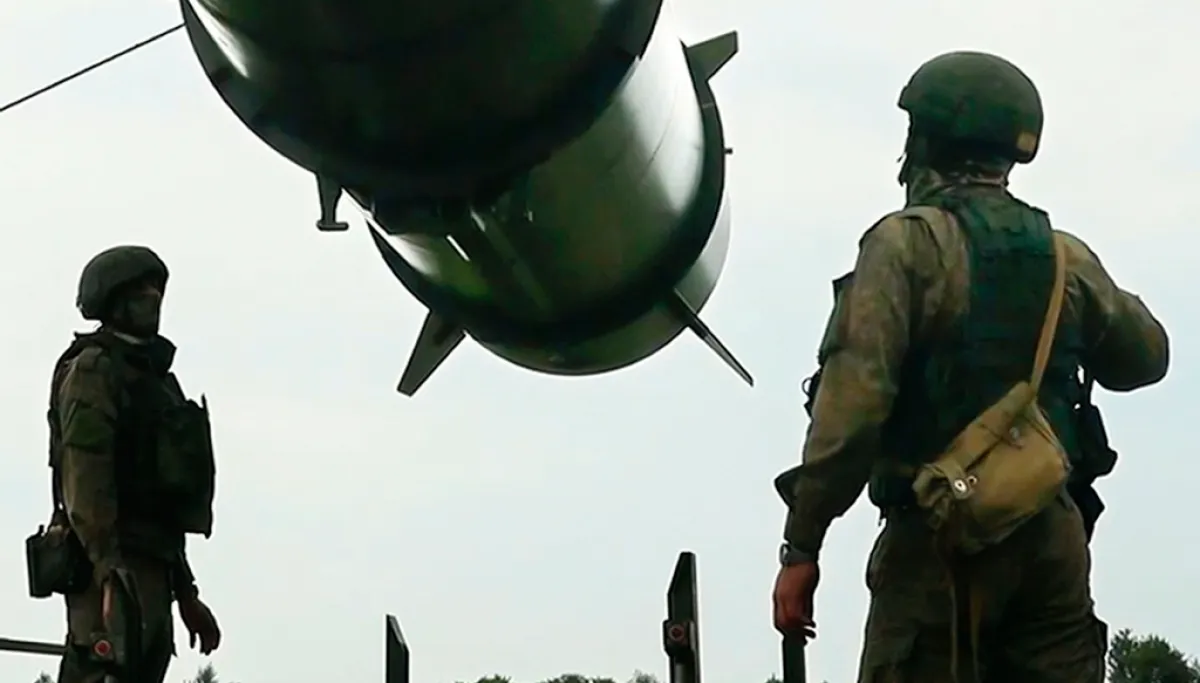
The weapon itself was almost grotesquely expensive. An Iskander-M missile is estimated to cost about $2.4 million, meaning Russia had spent millions to strike a museum whose purpose was to preserve evidence, memory, and truth.
“I arrived to the museum at 5:20 a.m., 20 minutes after I was told about the attack,” Vitalina Martynovska, the museum director, told me. “After that, we had to wait for the permission to enter the building from firefighters and explosives experts before we could start our evacuation efforts. We understood that we did not have a lot of time and we had to move very quickly.”
Rescuing and saving the museum’s artifacts wasn’t easy. Water poured through shattered windows. Glass covered the floors. Smoke drifted through galleries that only hours earlier had held some of the most important records of the world’s worst nuclear accident.