Story audio is generated using AI
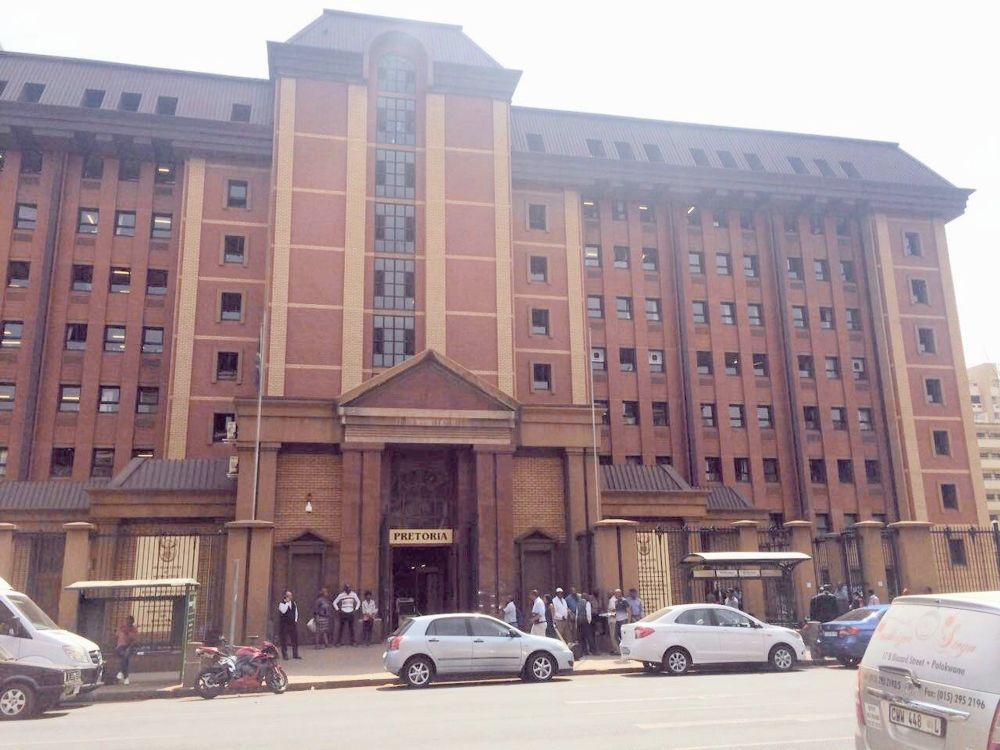
A full bench of the Pretoria high court has to decide on whether former Gauteng judge president Dunstan Mlambo acted beyond his powers when he issued a directive for mandatory mediation in civil cases before trial and whether his decision should be set aside. The question currently before the full bench has been put by the Personal Injury Plaintiff Lawyers Association (Pipla), representing personal injury lawyers around South Africa. It says the directive is “unworkable and unconstitutional”. Should the directive be set aside, it would change how the Gauteng high courts deal with allocating trial dates in civil cases. The office of the Gauteng judge president, Mlambo, before his promotion to deputy chief justice, issued the directive in April 2025 for mandatory mediation in civil matters before trial allocation. The directive was a move to deal with the mounting caseload as litigants were allocated dates for hearing as far into the future as 2031. The association represented by advocate Altus Joubert argued in court on Friday that Mlambo acted beyond his powers when he issued the directive which led to litigants losing their trial dates. The effect of the directive was that all civil cases allocated 2027 dates were withdrawn and would need to undergo mediation before trial allocation. In the case of the Road Accident Fund (RAF), which clogs most of the court rolls weekly, the forfeiting of trial dates started in 2026. Most of the association’s clients represent victims litigating against the RAF. Joubert argued that while the constitution gives the high court powers to regulate and protect its own process, “it is submitted that the directive and protocol go far beyond this”. “It has the same effect as legislation that substantially affects the rights of litigants and imposes costly obligations on them to attain a right under section 34 of the constitution [right of access to courts],” Joubert contended. The RAF agreed to pay R15,000 per mediation, but the association estimates the cost of mediation for each client could be between R33,000 and R47,000. The association wants the court to set aside the directive and for parties whose matters have been removed from the trial roll pursuant to the directive to reapply to the registrar for a trial date. The full bench, which will decide the matter, comprises Labour Court judge president Mogomotsi Molahlehi, Mpumalanga High Court judge Brian Mashile and Labour Court judge Portia Nkutha-Nkontwana. Advocate Mpilo Dlamini, representing the office of the Gauteng judge president, argued the mediation protocol was amended in October 2025 to address issues of limitation of access to trial dates and justice in matters which could not be mediated. “The first respondent [judge president’s office] is sued for performing his judicial (management) functions in issuing the directive and the mediation protocol as amended,” he contended. “We respectfully submit that the powers of the first respondent to issue the directive and the mediation protocol are an incidence or important part of the inherent powers of the courts to regulate their own processes as set out primarily in section 173 of the constitution and section 8 of the Superior Courts Act.” The constitution states that the high court has the inherent power to protect and regulate its own processes and to develop the common law, taking into account the interests of justice. “We submit that the legislation that specifically gives effect to the constitutional powers bestowed on courts for the management and functioning of the courts is the Superior Courts Act. Section 8 of the Superior Courts Act in particular grants the heads of the courts the power to manage and regulate their respective courts. This is the power which is at the centre of this application.” He argued that without regulation of court process, the right to access courts would not be protected.“The issuing of directives plays a critical role in the administration of justice. The right to access courts does not entitle a litigant to choose which processes apply and which should not apply. That would render the right ineffectual, if not result in nonfunctioning courts.” Dlamini maintained Mlambo, by issuing the directive, did not act beyond his powers. “The first respondent, as the head of the Gauteng Division of the High Court, was empowered and entitled to issue the impugned directive and the mediation protocol. “This is the power which he exercises in performance of his judicial functions. Any suggestion that he might have overstepped his powers, unfortunately, is not supported by the evidence, considering the fact that there have been various amendments to the directive and the protocol that have catered for any discount on the applicants.” Judgment was reserved.