Subtraction, not addition, is emerging as the central threat to Republicans in the 2026 election.
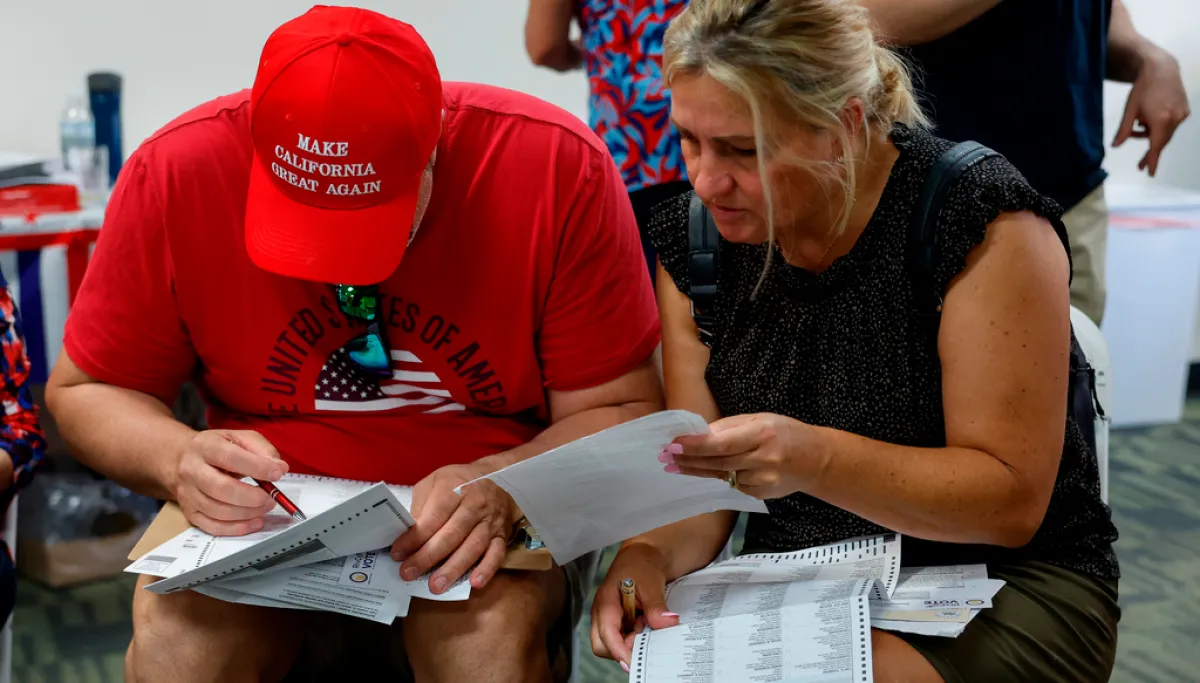
The subtraction risk for Republicans is the prospect that President Donald Trump’s slipping approval rating among his 2024 voters will cause meaningful components of the coalition that elected him to sit out November’s midterms.
Polls suggest that’s a greater danger for the GOP than the possibility that Democrats will add a big cache of new votes — either by turning out many people who did not participate in 2024, or by convincing a significant share of 2024 Trump supporters to vote blue.
In that way, the emerging 2026 landscape looks very different from the “blue wave” election of 2018 — when Democrats were boosted by a historic outpouring of new voters opposed to Trump and substantial defections from his 2016 voters. At a moment when Americans are so negative on the country’s direction, and the image of both parties is so tarnished, few strategists on either side are expecting nearly as many new voters in November — nor do many expect overall turnout to approach its 50% level from 2018, the highest for a midterm election since 1912.
“When both parties are viewed negatively, you are probably going not to see a lot of new voters,” said Texas-based GOP strategist Matt Mackowiak, with a view widely shared on both sides.