TL;DRGM’s chief product officer says its personal autonomy tech will expand until it covers robotaxi territory, keeping a ride-hailing play on the table.
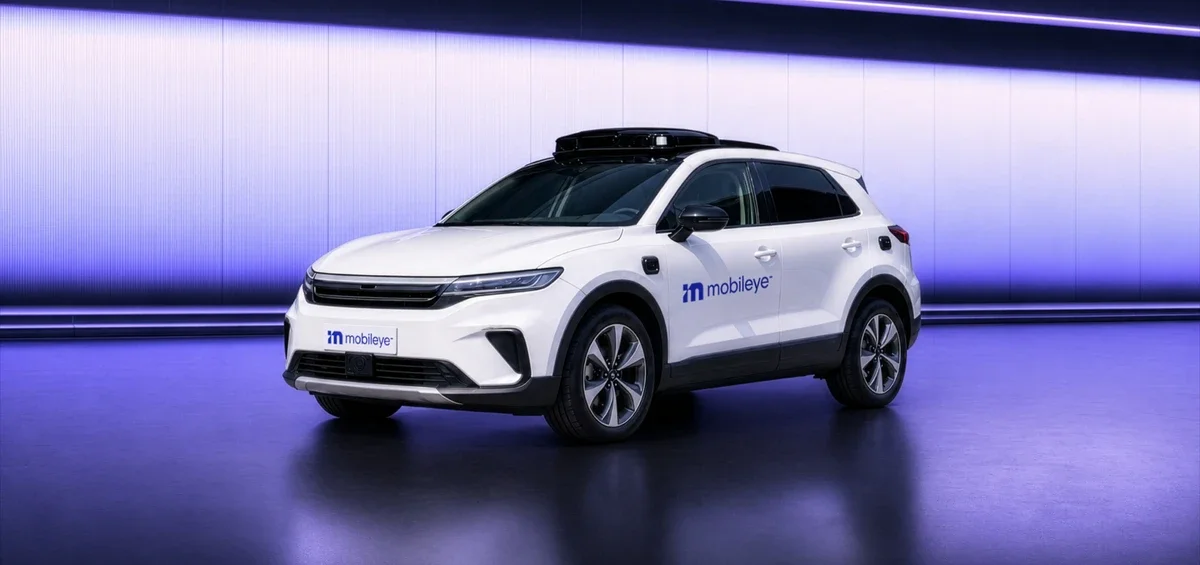
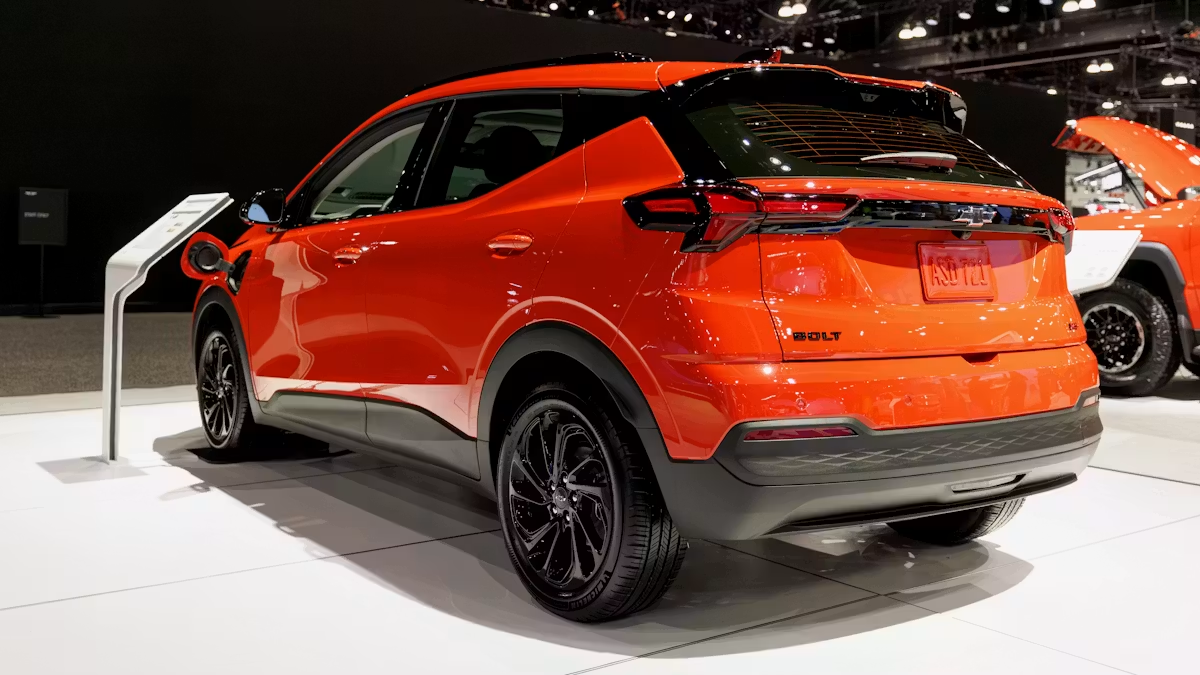
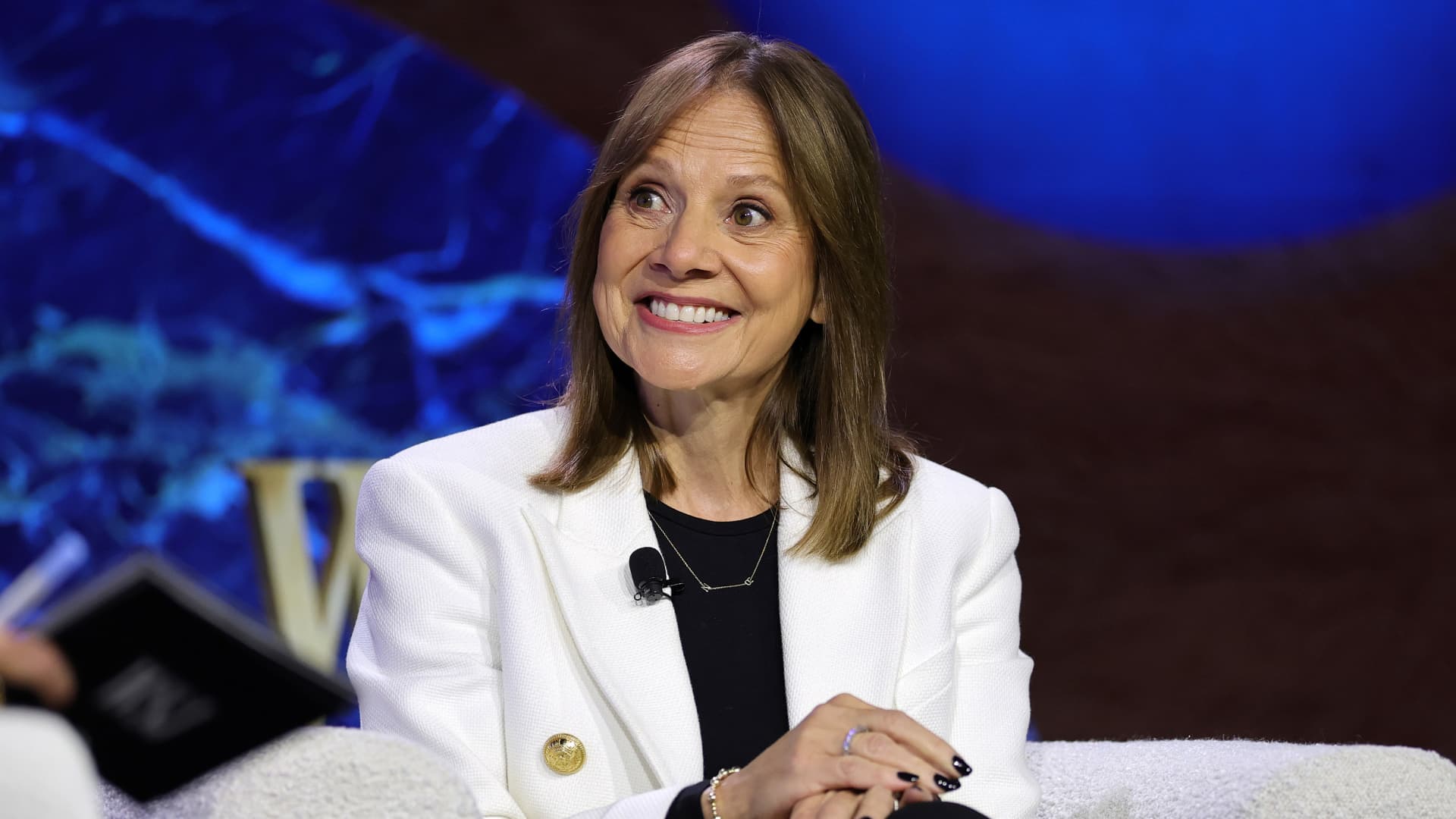
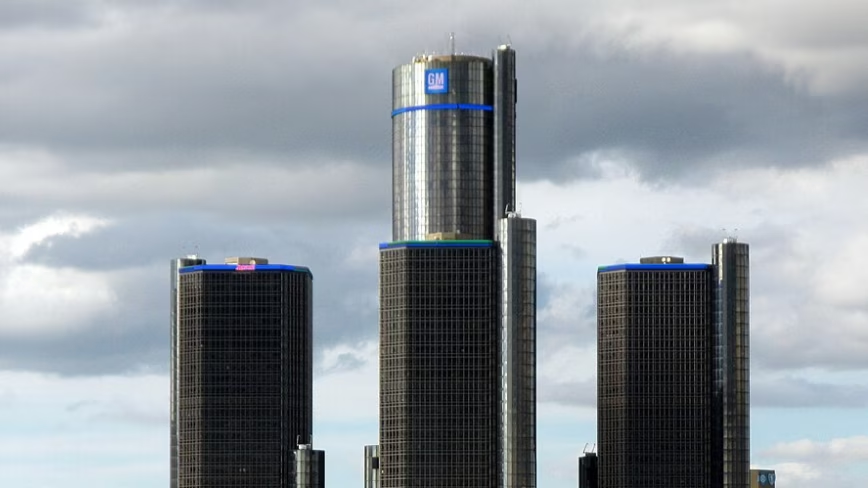
General Motors shut down Cruise, its $10 billion robotaxi division, in December 2024. Eighteen months later, the company’s chief product officer says GM’s autonomous vehicles will eventually be capable of operating as robotaxis anyway. Sterling Anderson, the former head of Tesla’s Autopilot program, told Business Insider that GM’s personal autonomy strategy and the robotaxi business model are on a collision course.
“Ultimately, the two converge. Our operating region looks identical to the operating region of a robotaxi company,” Anderson said. “The question at that point becomes, ‘Why not offer them in a robotaxi-type application as well?‘”
Anderson’s approach starts with highway driving and works outward. GM is breaking the driving experience into segments, tackling long stretches of motorway first before expanding to arterial roads and urban centres. The idea is that by the time the system handles enough road types, the coverage area will be indistinguishable from what a dedicated robotaxi operator needs.
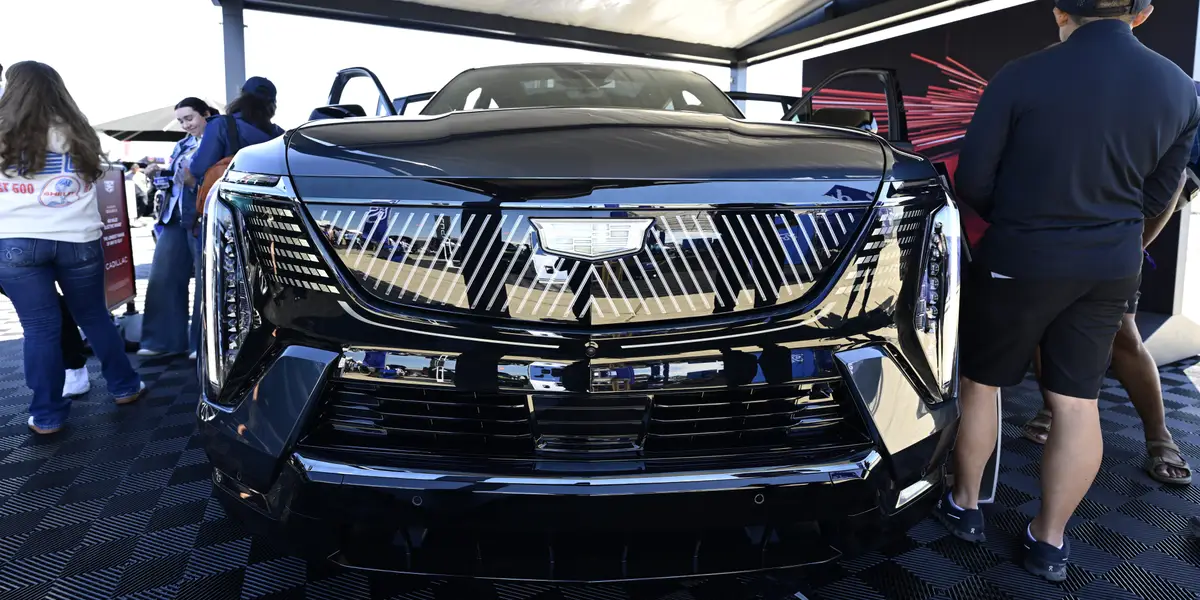
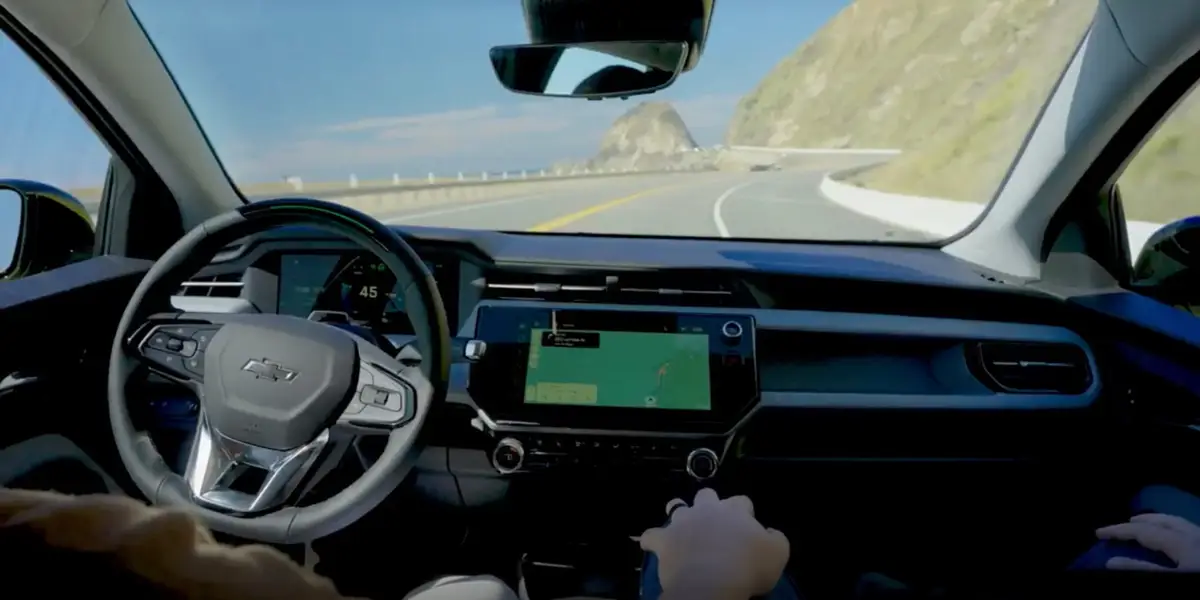
The foundation for that expansion is Super Cruise, GM’s hands-off, eyes-on driver assistance system. In April, GM said customers had driven one billion hands-free miles with the feature across roughly 750,000 vehicles covering 700,000 miles of North American roads. The company plans to introduce eyes-off highway driving on the Cadillac Escalade IQ in 2028, upgrading Super Cruise from a Level 2+ system to Level 3 using lidar, radar, and cameras.