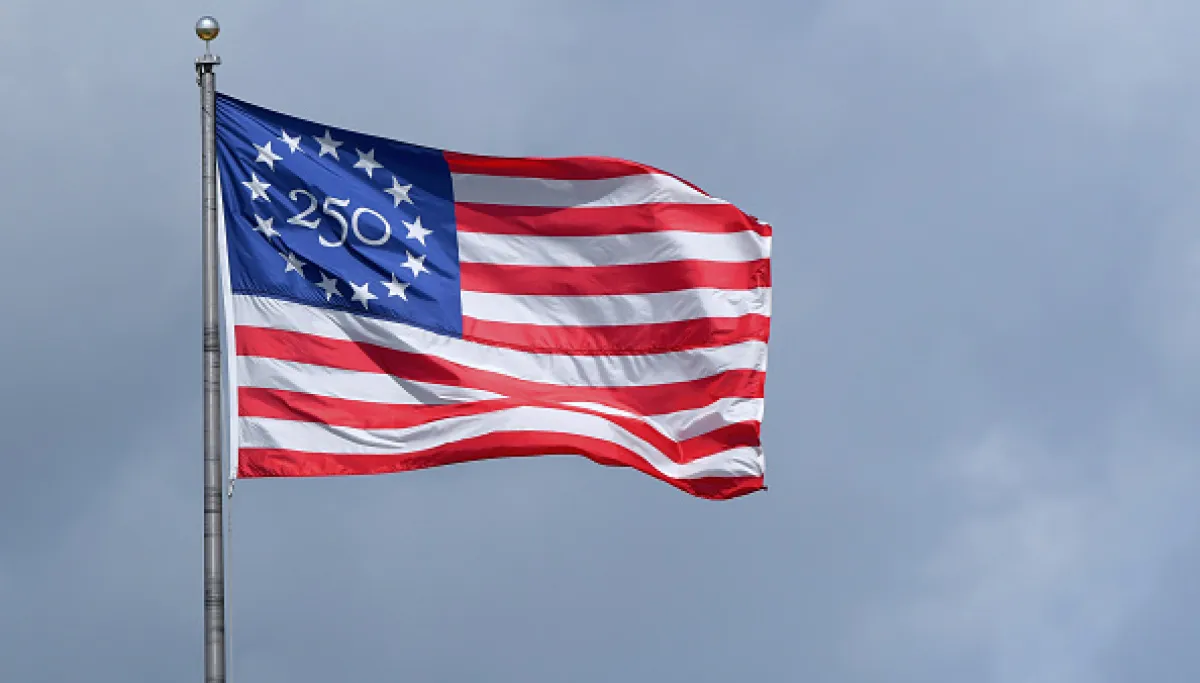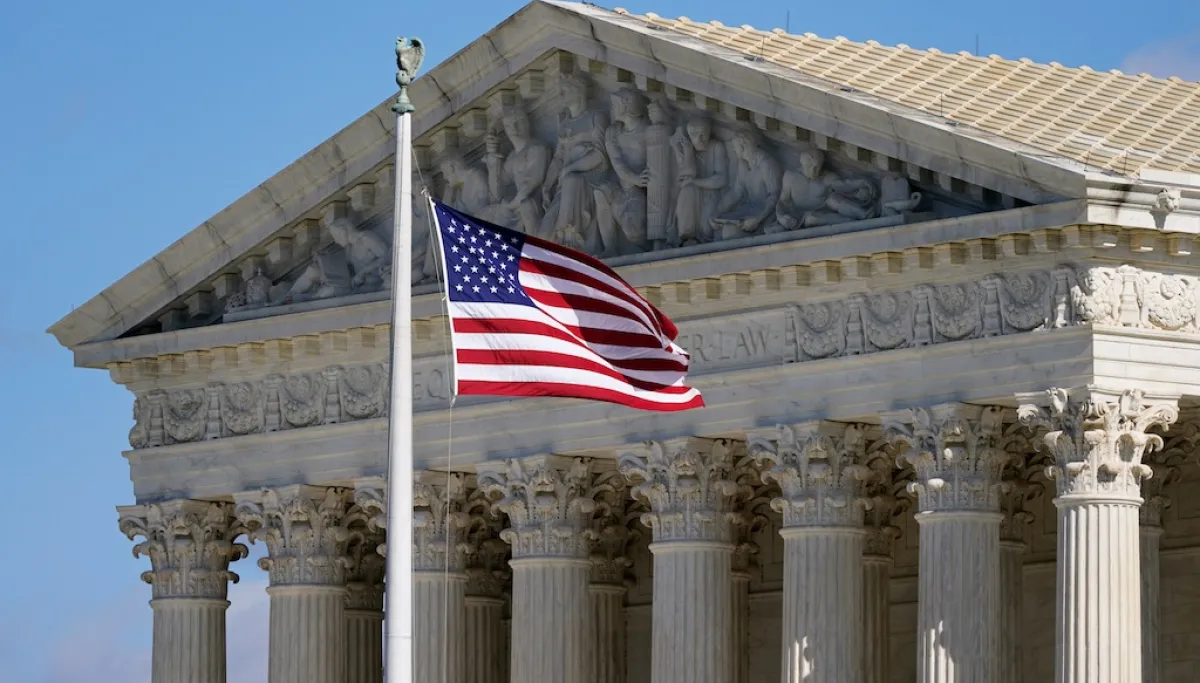
Nearly 250 years after the Second Continental Congress adopted a resolution establishing the Stars and Stripes as the official flag of the United States, we mark another Flag Day celebrating Old Glory and the enduring freedom it represents. But this occasion also marks another year in which Congress no longer has the constitutional authority it once had to decide how our most sacred symbol should be protected.The American flag is not simply a textile of red, white, and blue. Each thread binds together America’s history, culture, and diversity, and represents the unity, sacrifice, and resolve exercised in our nation’s biggest triumphs and tragedies. It is a symbol recognized worldwide by those longing for the freedoms we enjoy here at home.This is the flag that endured a night of relentless attacks from British warships in 1814, the sight of it battered but still standing compelling Francis Scott Key to pen the Star-Spangled Banner. This is the flag raised victoriously by Marines on the Island of Iwo Jima, held in determination by civil rights leaders, planted by astronauts on the moon, and hoisted by first responders on 9/11. This is the flag held by U.S. Olympians medaling on the podium after competing on the world stage and grasped in the hands of every newly naturalized citizen.
The decision to ban flag burning belongs to the people
The flag unites us in a way nothing else can, and it is the public who deserves a say in whether it should be protected as our national symbol.
760 words~3 min read