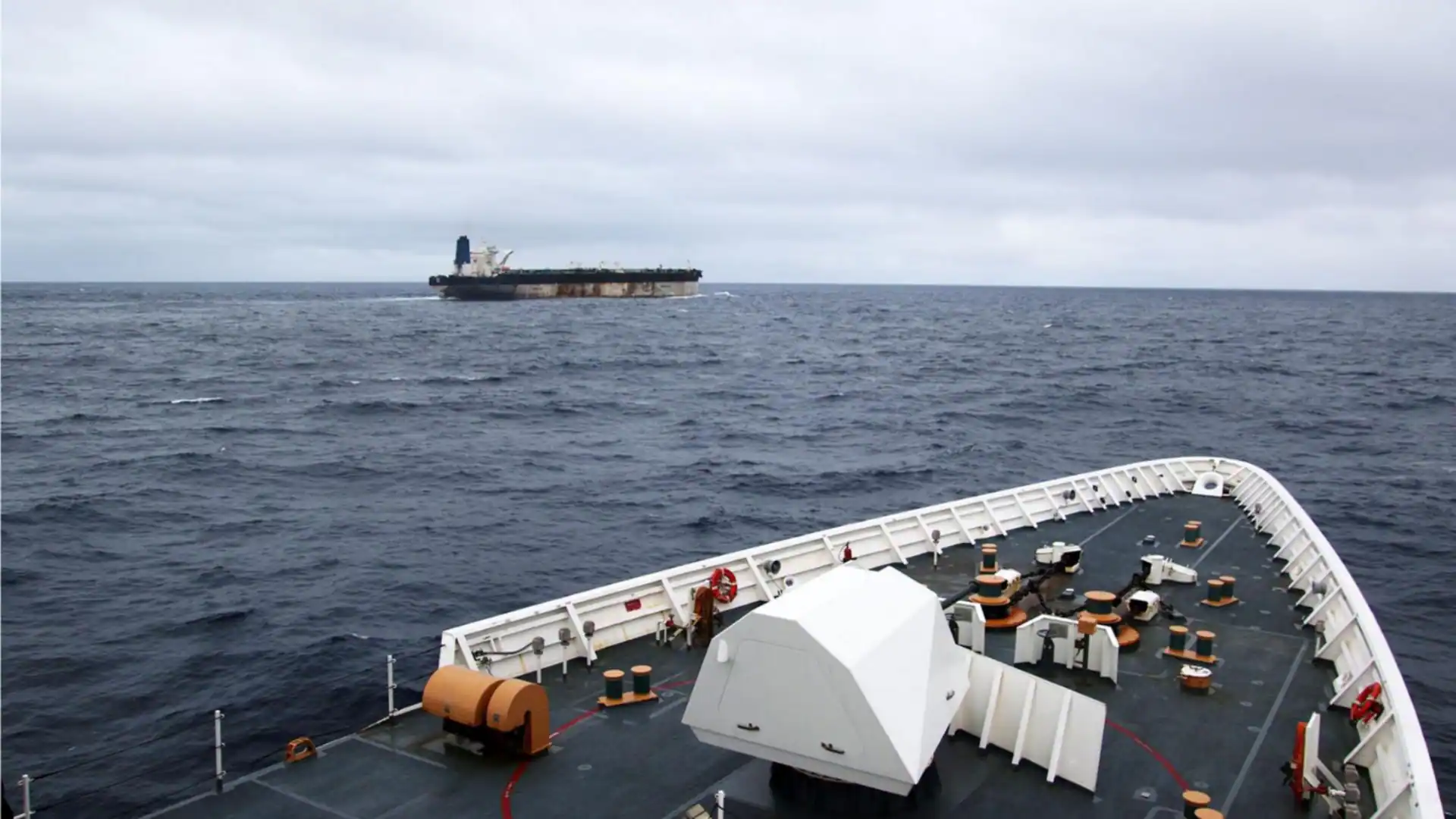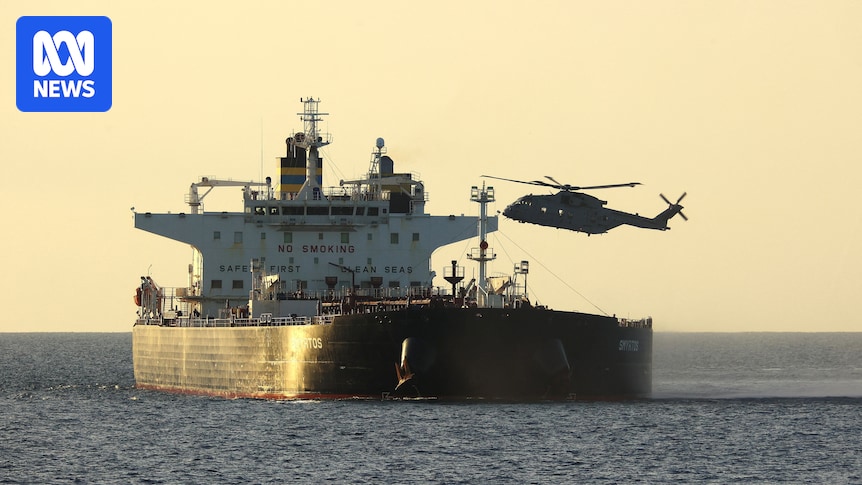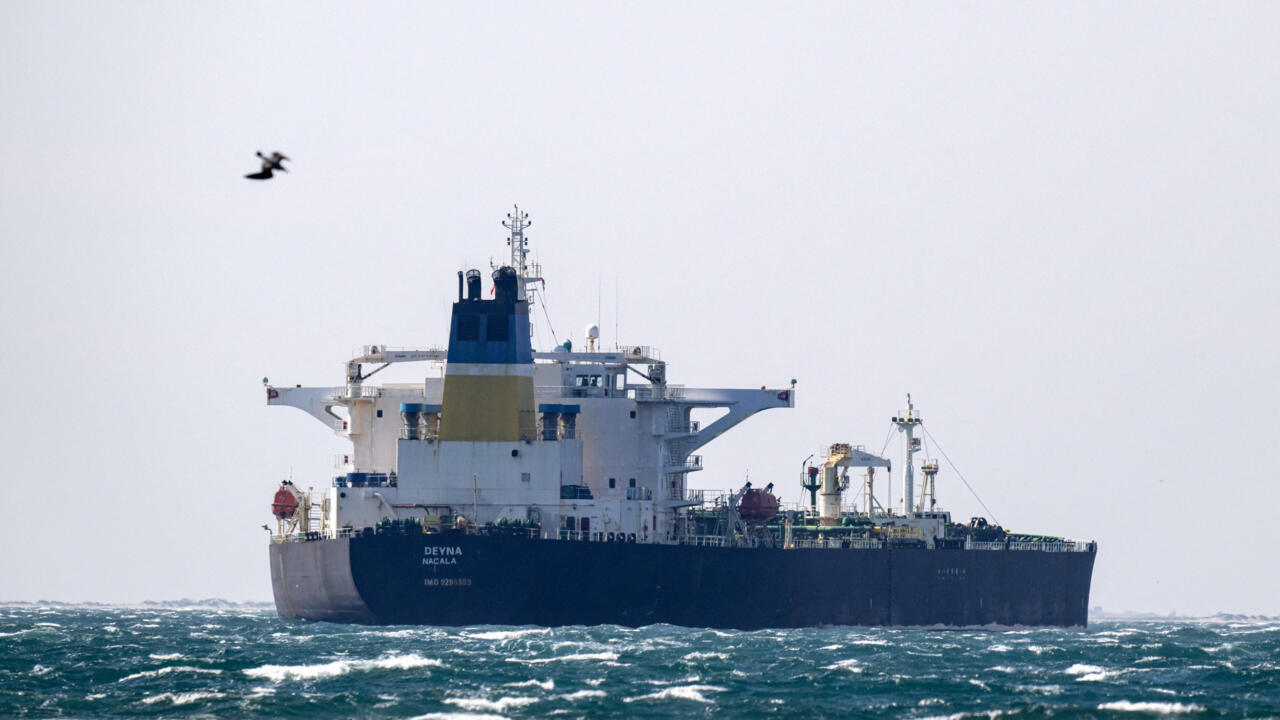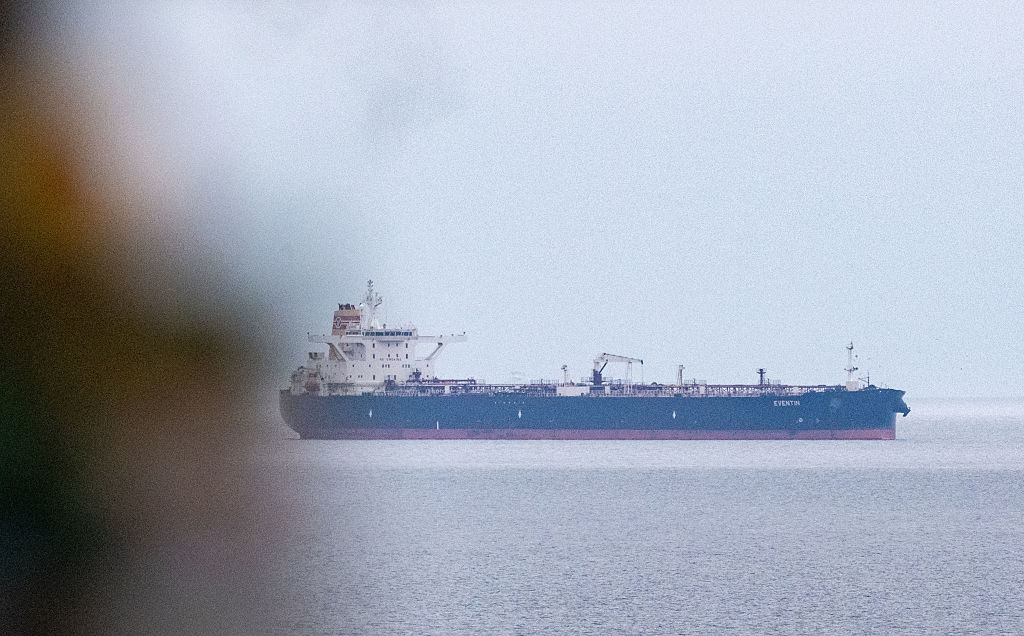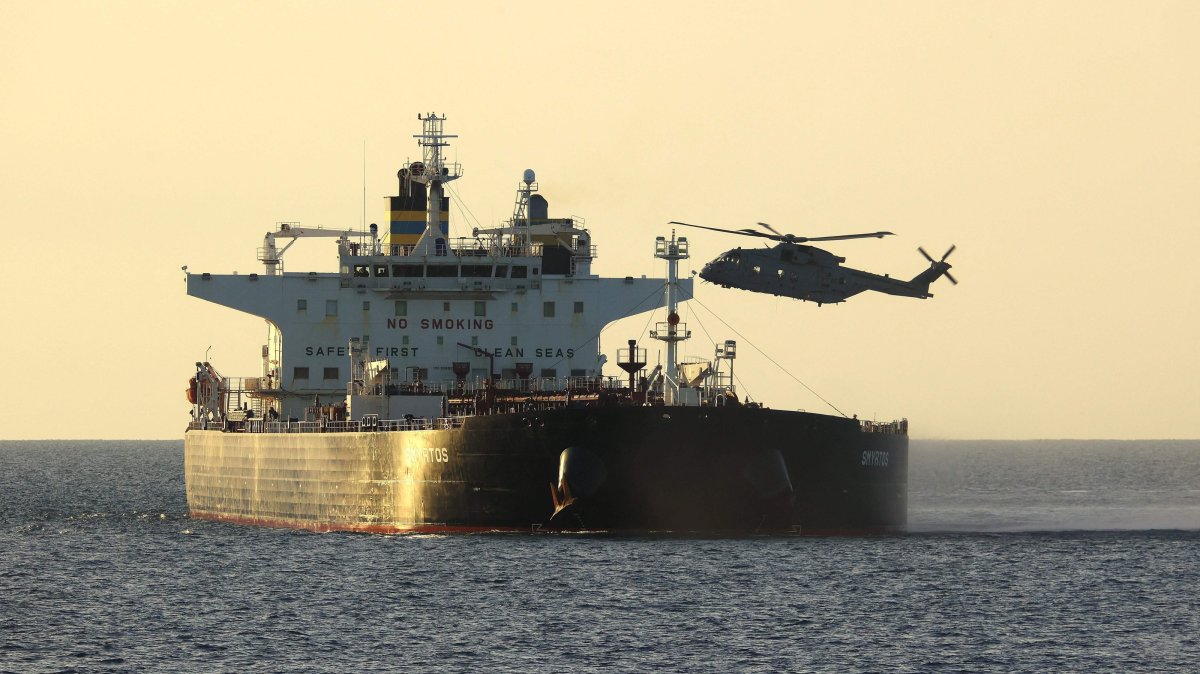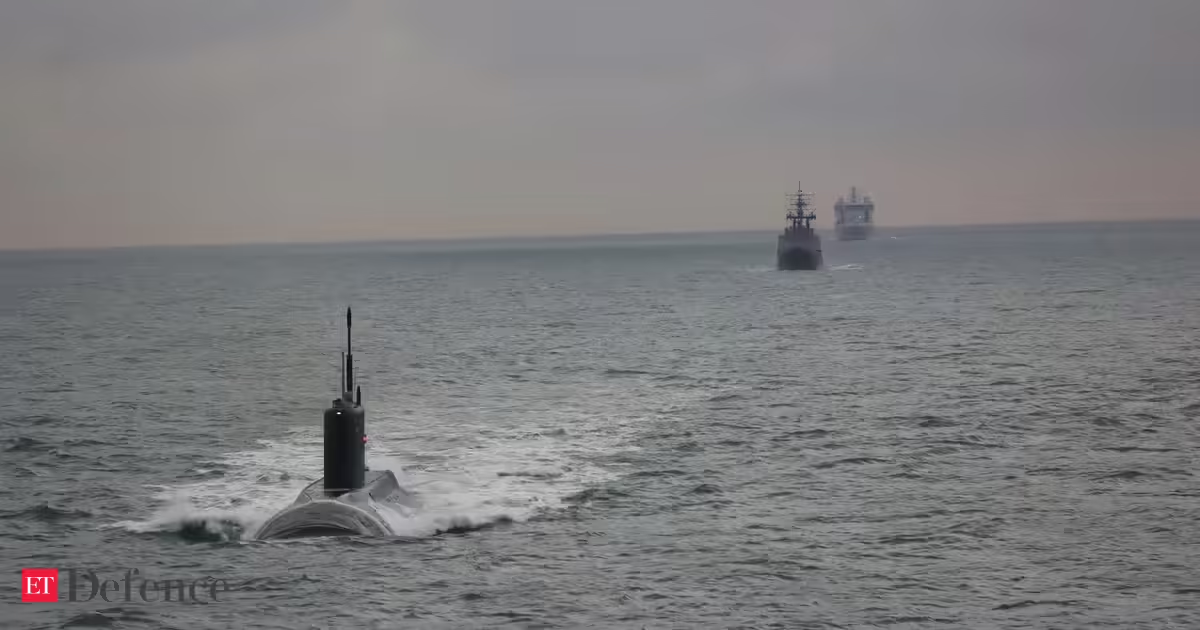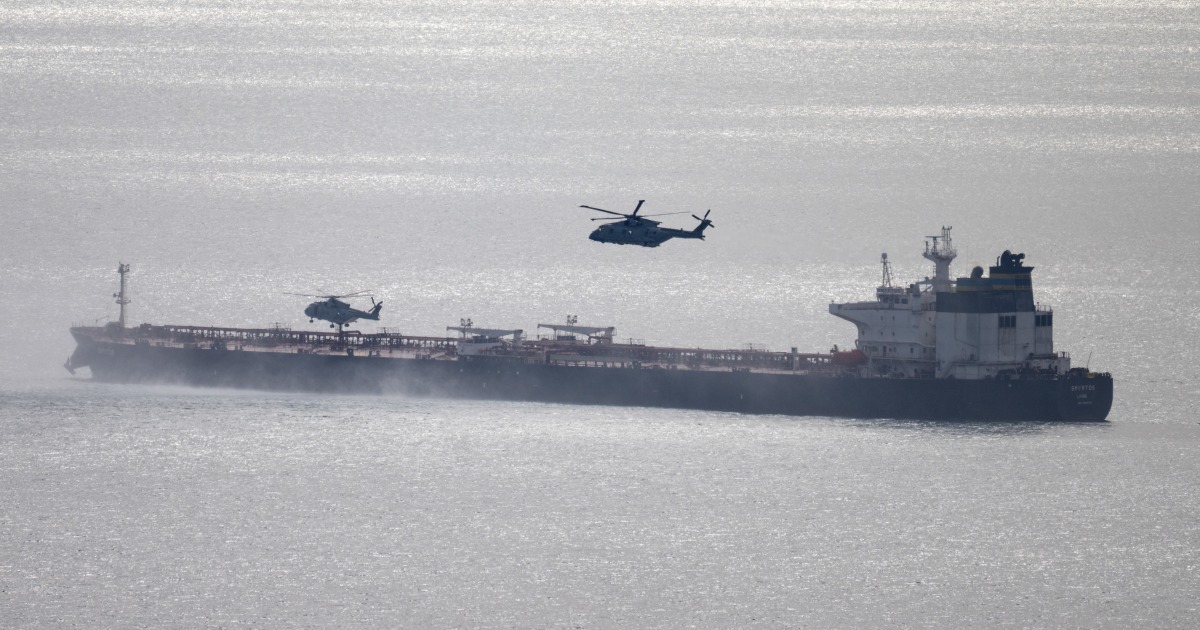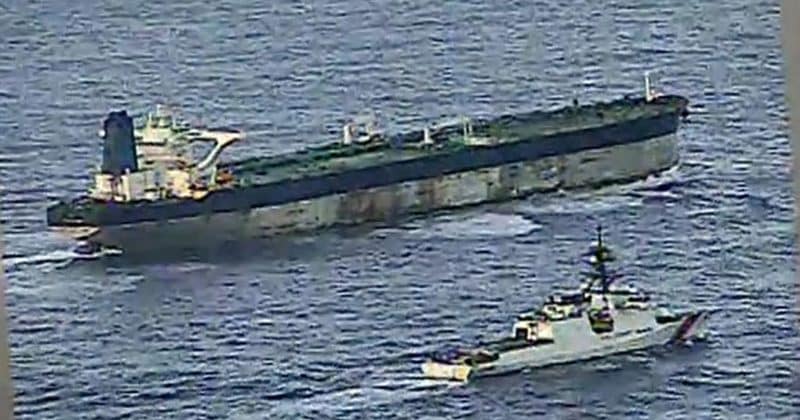
The UK has intercepted a Russian shadow fleet oil tanker in the English Channel, marking an escalation in Western efforts to enforce sanctions tied to the conflict in Ukraine.
Roughly 500 vessels pass through the English Channel on any given day, and for Russia’s shadow fleet, which consists of aging, often poorly insured tankers carrying sanctioned oil under murky ownership structures, it’s been a relatively uncontested route.
The shadow fleet and why it matters
Russia’s shadow fleet is essentially a workaround. After Western nations imposed price caps and sanctions on Russian crude following the invasion of Ukraine, Moscow assembled a flotilla of tankers operating outside conventional insurance, flagging, and ownership frameworks. These vessels carry Russian oil to buyers willing to pay above the Western price cap, routing revenue back to the Kremlin’s war effort. Vessels frequently sail under flags of convenience, sometimes operating under what authorities describe as false flags, making identification and legal action complicated.
In March 2026, UK Prime Minister Keir Starmer authorized the Royal Navy and law enforcement agencies to intercept and, if necessary, detain these vessels within UK territorial waters. The English Channel, given its strategic importance as a chokepoint between the Atlantic and North Sea, was explicitly included in the authorization.