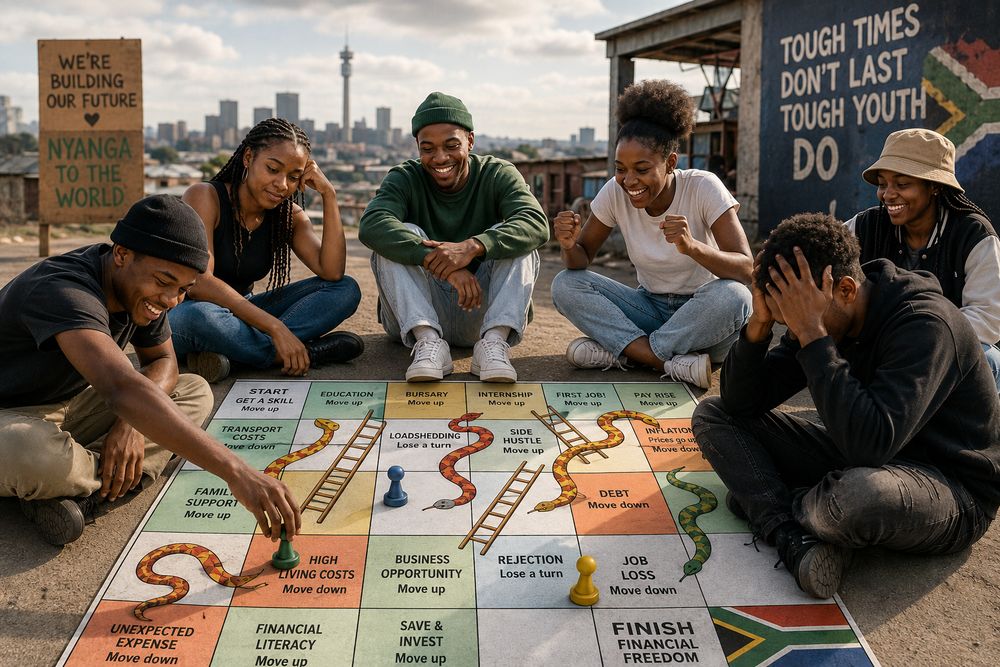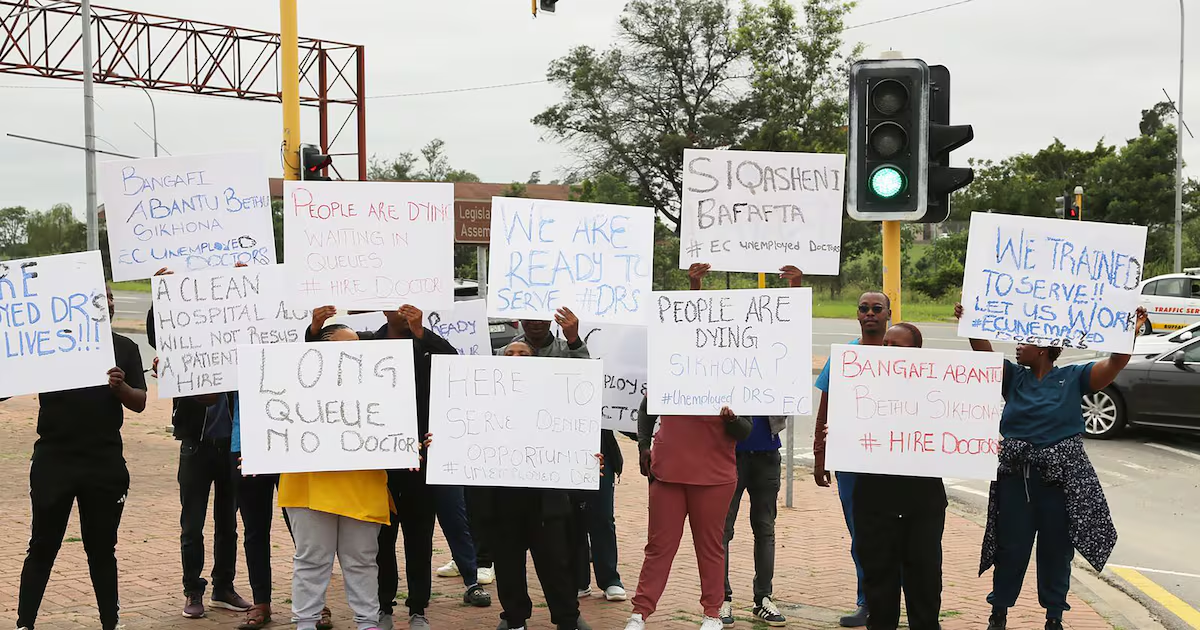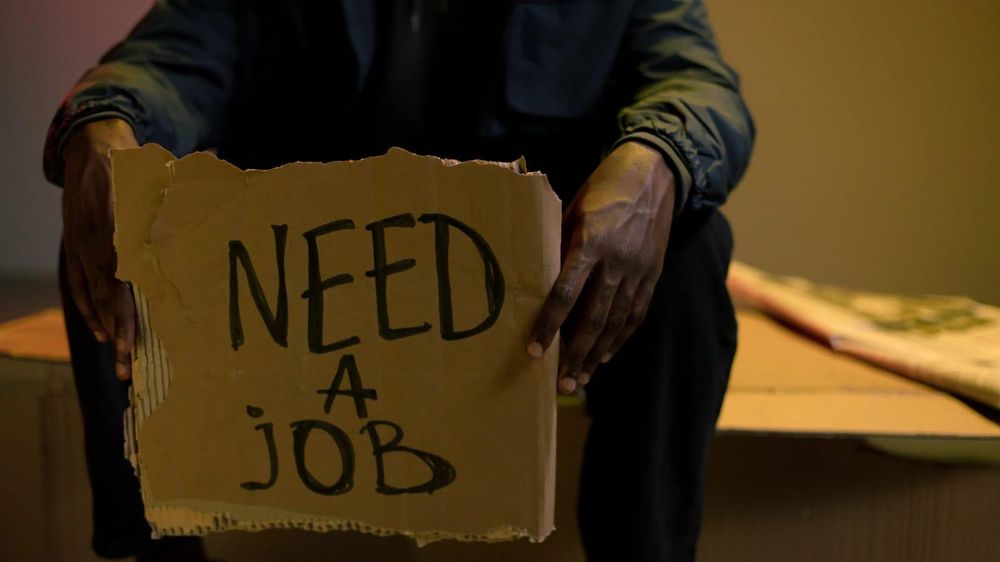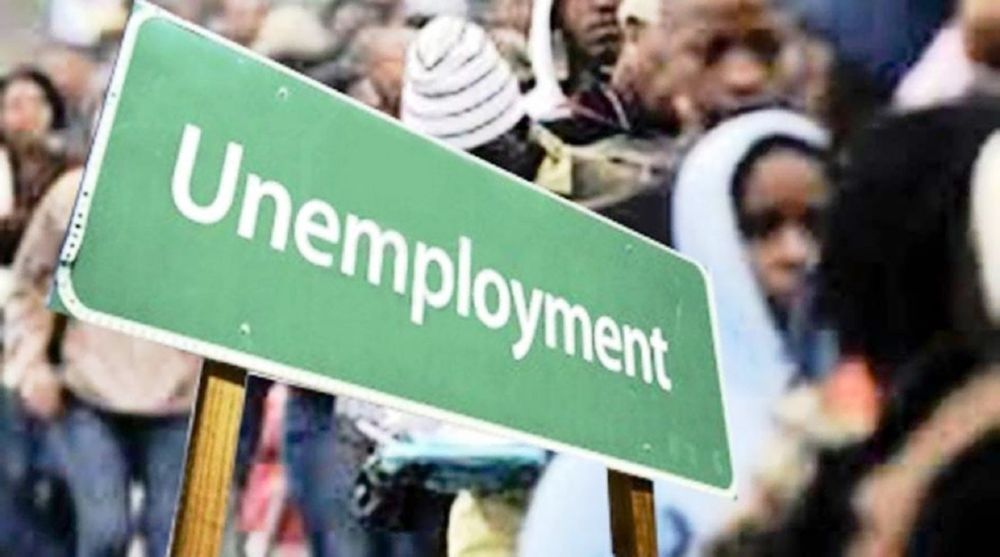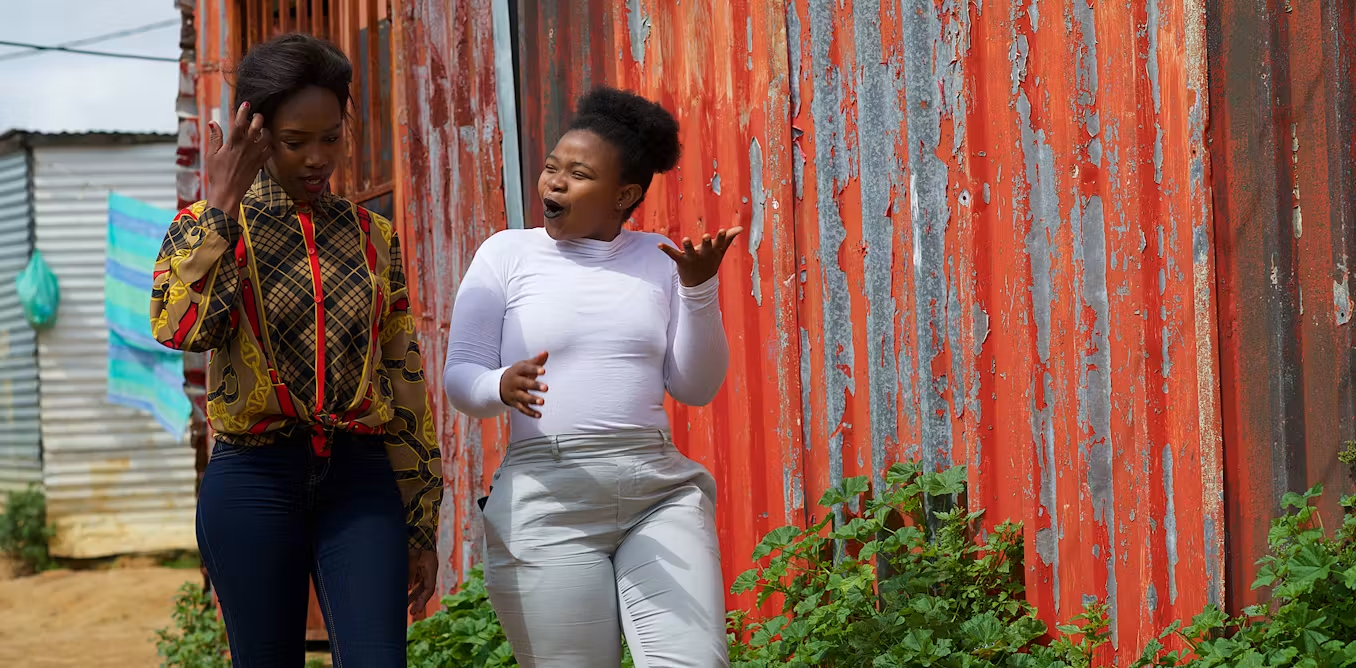
Thirty-two years after South Africa became a democratic state, the futures of millions of young people in the country are shaped to a large degree by uncertainty, exclusion, poverty and discouragement. As one lens on this scene, unemployment in the age group 15-34 borders on 46%.
I am an educational psychologist who has done 35 years of research on the career-life stories of young people growing up in contexts marked by extreme poverty, exclusion, inequality and disadvantage. These hardships shape their career development and views of the ever-changing world of work.
I have encountered many young people who have bottled up and eventually internalised repeated experiences of disenchantment, rejection and “failure”. Some have dropped out of education, lacking support. Others have completed their schooling only to learn that marks and qualifications alone could not open doors to successful futures. In many instances, in their environments, unemployment and unemployability have become normalised.
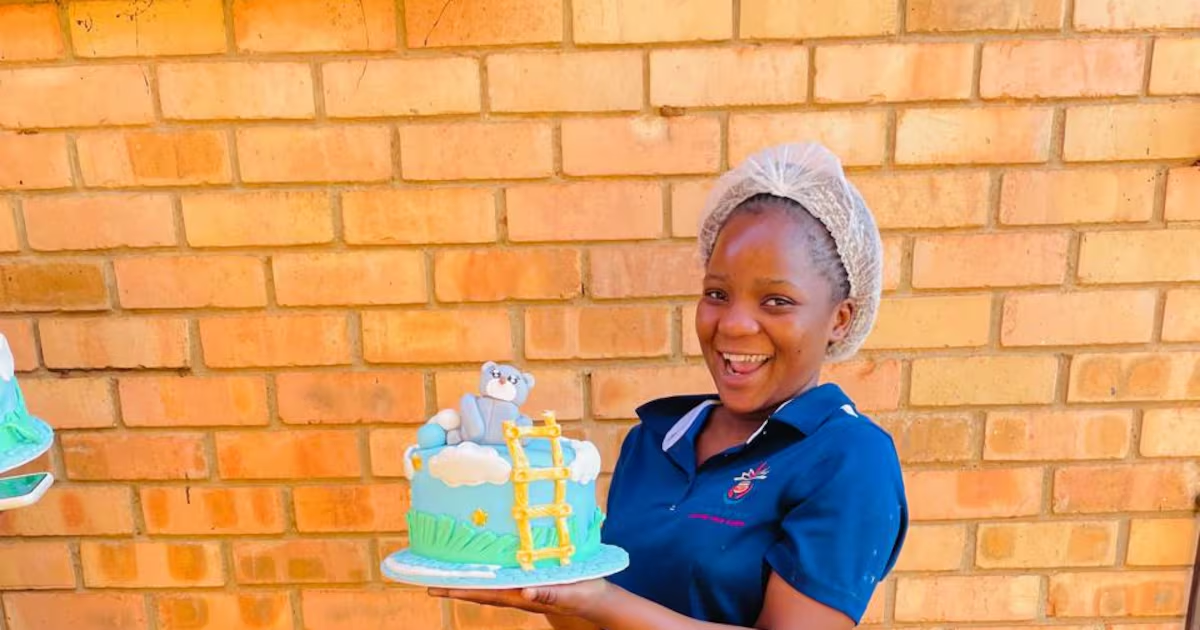
Yet many show resilience, adaptability and determination to find work and to construct meaningful lives.
In a recent journal article, I described an intervention which involved career counselling for a group of 51 disadvantaged black South Africans, aged around 27. They had experienced poverty, unemployment, social exclusion, and limited access to educational and occupational opportunities. I wanted to assess whether counselling could help them use their resilience as a resource. Could it improve their adaptability? And if so, how?