Published Jun 14, 2026, 3:00 AM EDT
The AV-8 Harrier jet is decommissioned after an official sunset ceremony at Marine Corps Air Station Cherry Point in North Carolina
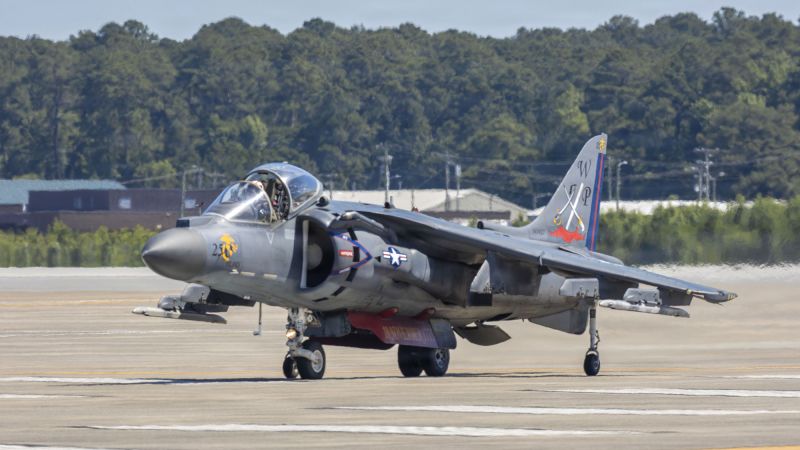
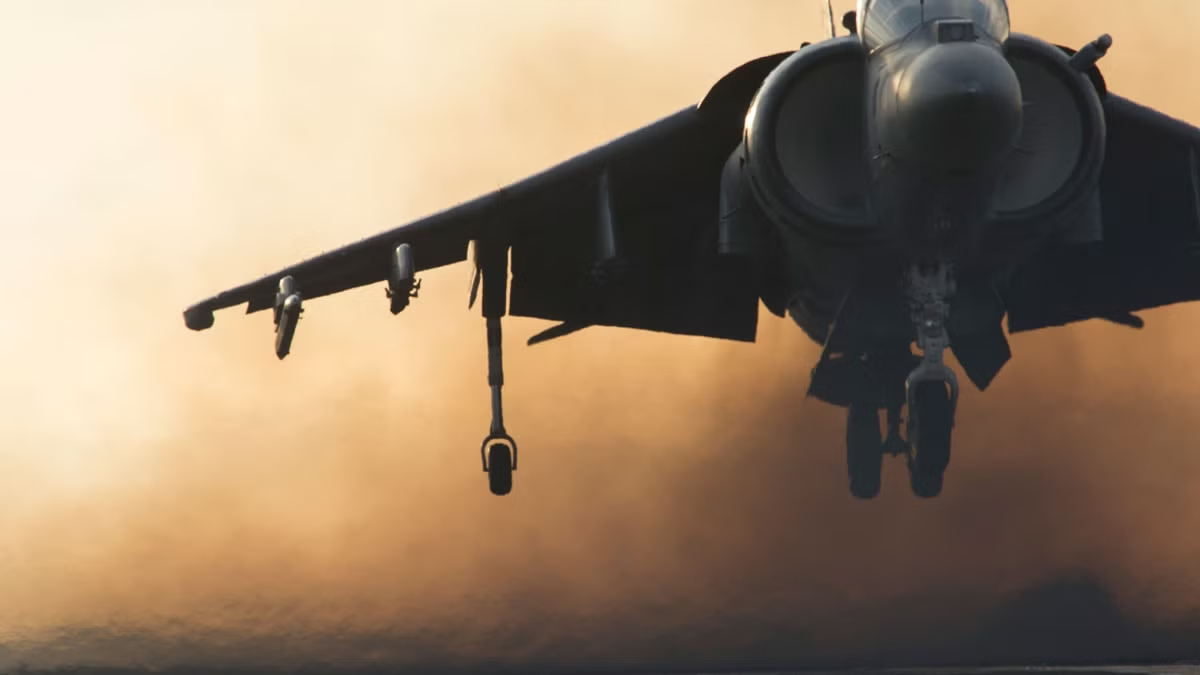
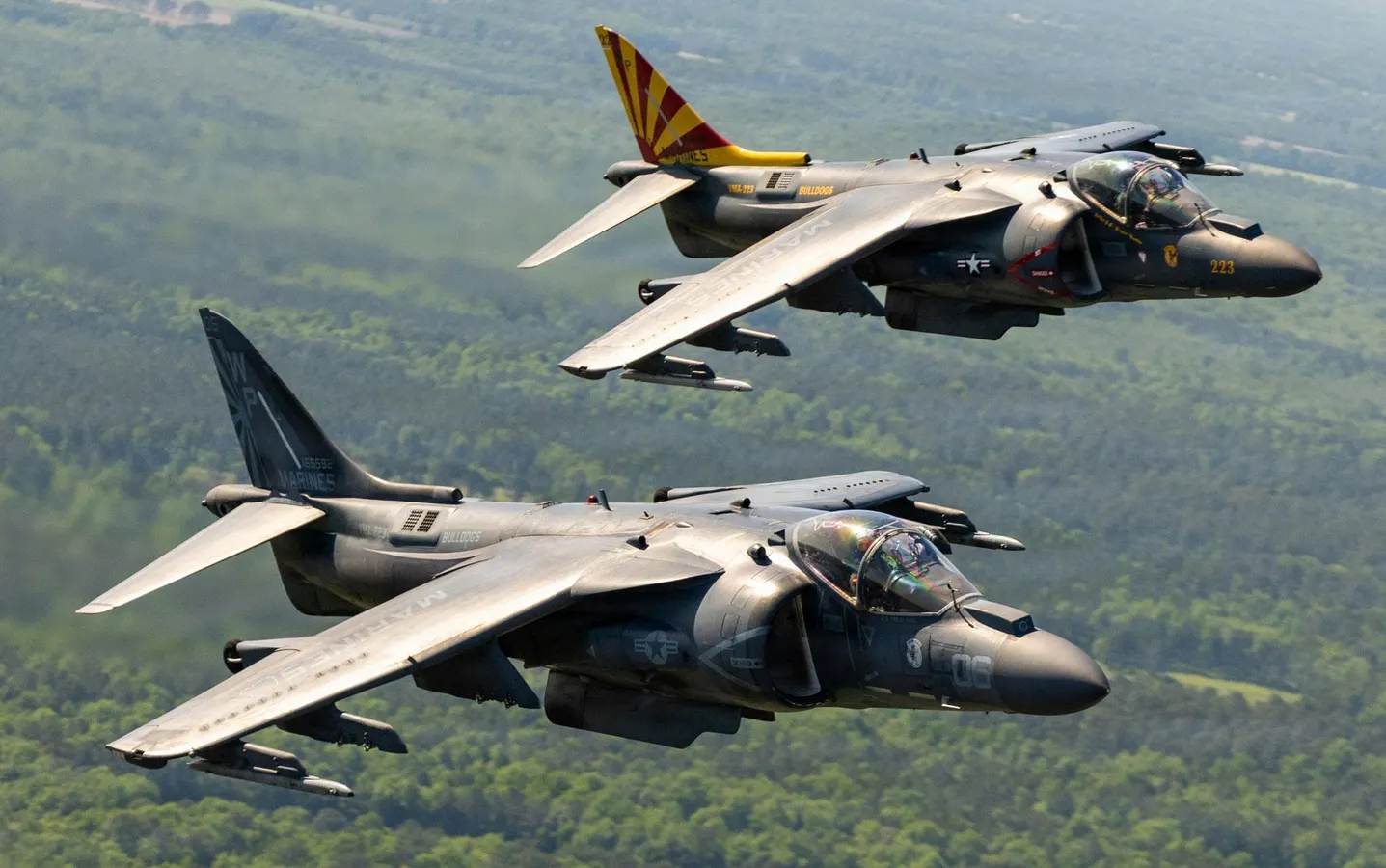
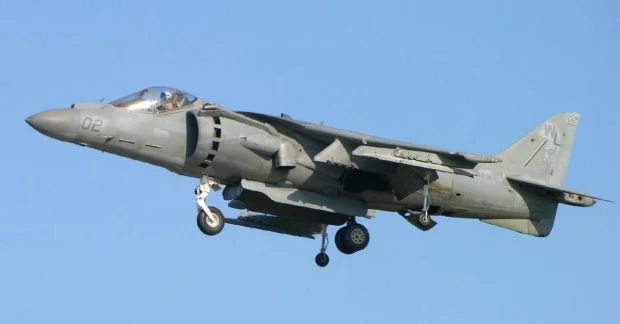
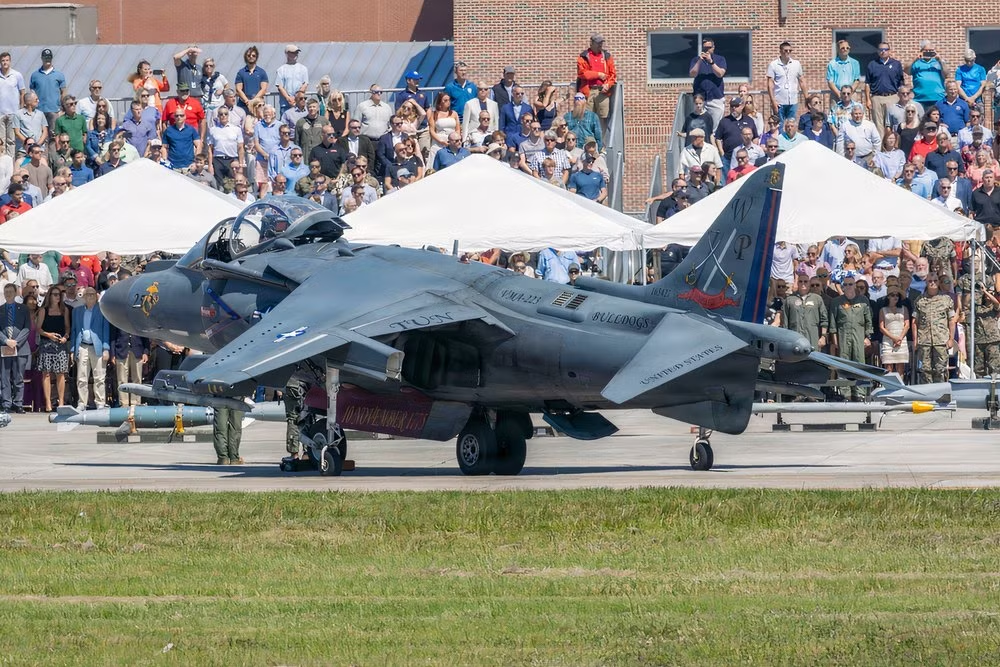
For an aircraft that's seen its share of high-flying sunsets, the Marine Corps AV-8 Harrier jet has had a sunset of its own. The jet, known for its unique ability to take off and land vertically without ever needing a runway, has been decommissioned in an official sunset ceremony at Marine Corps Air Station Cherry Point in North Carolina. “The Harrier will be remembered for its distinguished combat legacy, legendary Vertical/Short Take Off and Landing (V/STOL) capability, and the Marines and sailors that made the community special,” Lt. Col. John B. Cumbie, commanding officer of Marine Attack Squadron 223, said in his remarks shared with Military.com.
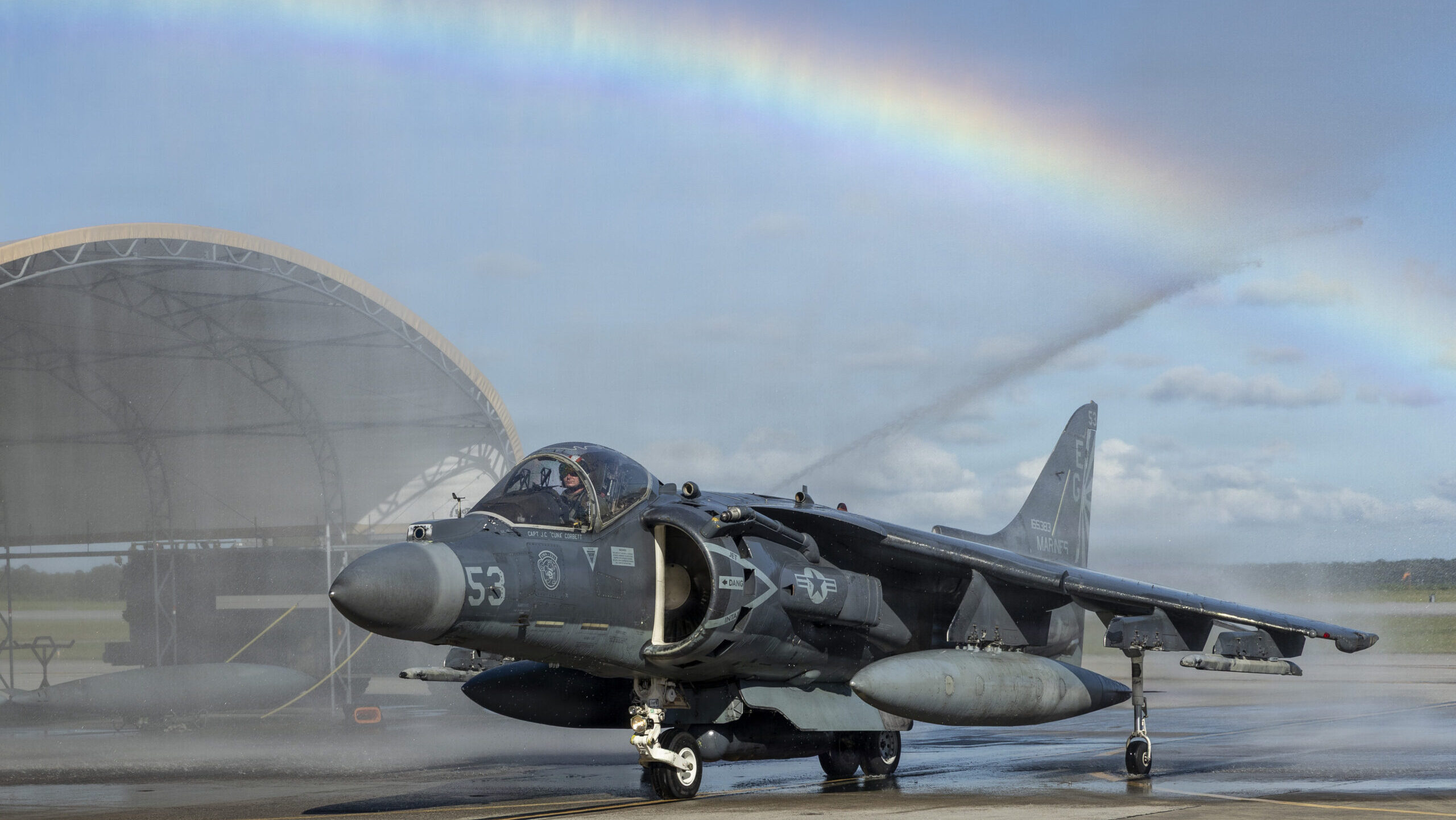
U.S. Marine Corps AV-8B Harrier II jet on display at Marine Corps Air Station Cherry Point, which held a sunset ceremony for the historic fleet (Lance Cpl. Bryan Giraldo)
An icon of Marine aviation for 55 years, the first version, the AV-8A, was developed by British engineers in the 1960s, according to a Marine Corps news release shared with Military.com. The Marines began using the jets in 1971, and had an upgraded version, the AV-8B, built by McDonnell Douglas, beginning in 1985. In all those years, the Harrier jet has been a favorite of air show spectators and military aviators, who have marveled at its speed and maneuverability under the tightest and most harrowing of circumstances. "I have loved the Harrier from the very beginning. I wanted to fly it in flight school, and was fortunate that I got to live that dream," Lt. Col. Mike Rountree, a retired Marine Corps pilot and Harrier jet expert, who spoke to Military.com. "It's a pilot's dream aircraft." Rountree retired from the Marine Corps in 2022, after 22 years of service. His assignments, including his last as commanding officer at the Marine Corps Naval Station in Iwakuni, Japan, involved flying the Harrier jet. "The Harrier allowed the Marine Corps to achieve its mission during Operation Iraqi Freedom. We had air, ground, and logistics in one package, one aircraft. The Harrier brought that vision to bear," Rountree said. "The vision was revolutionary, and the Harrier brought the technology and logistics to achieve it."