(Image credit: Tom's Guide)
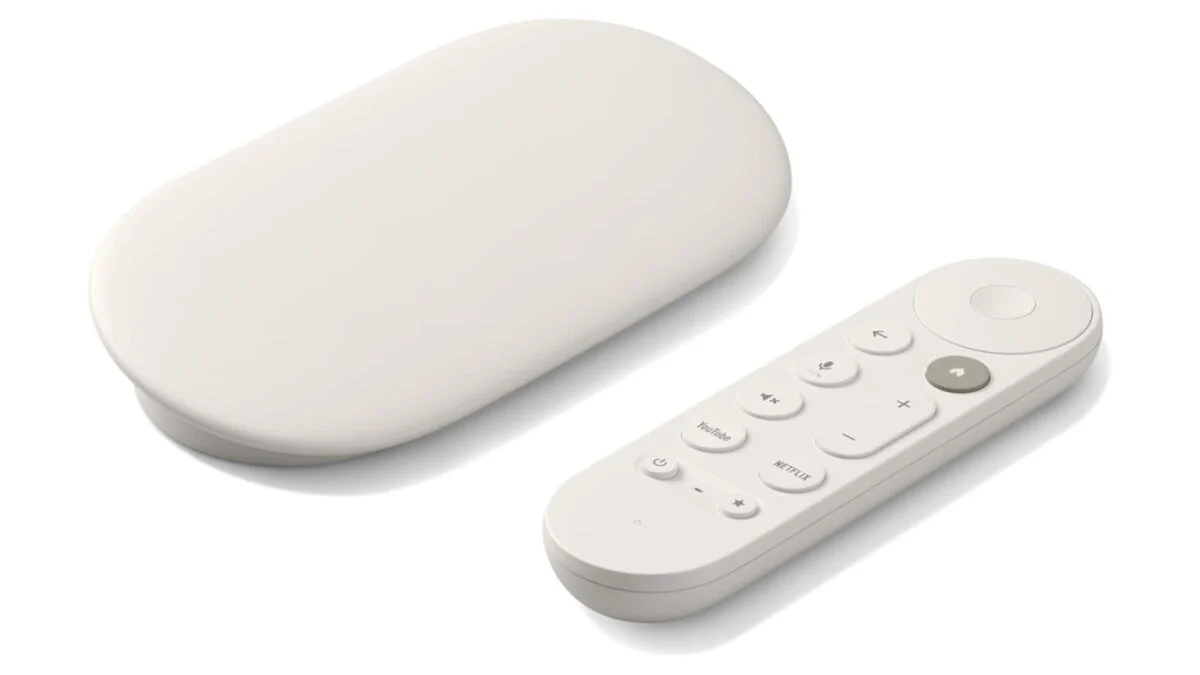
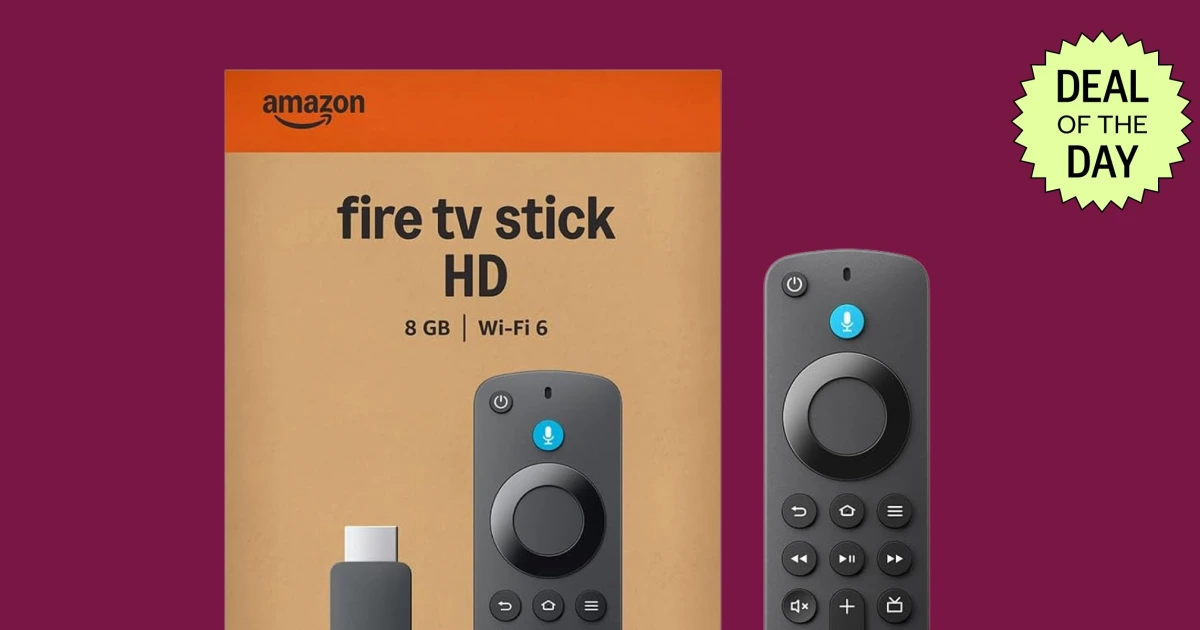
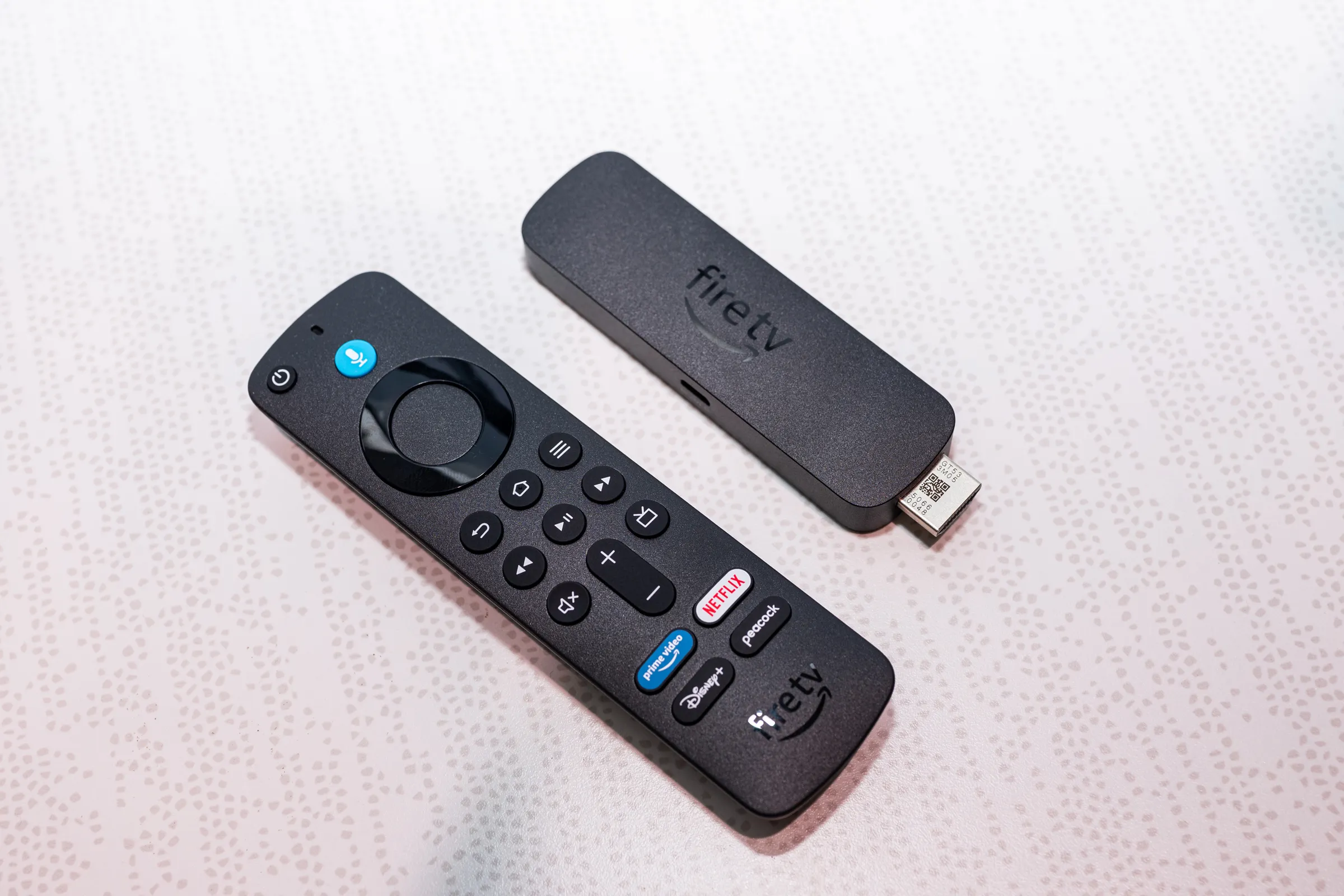
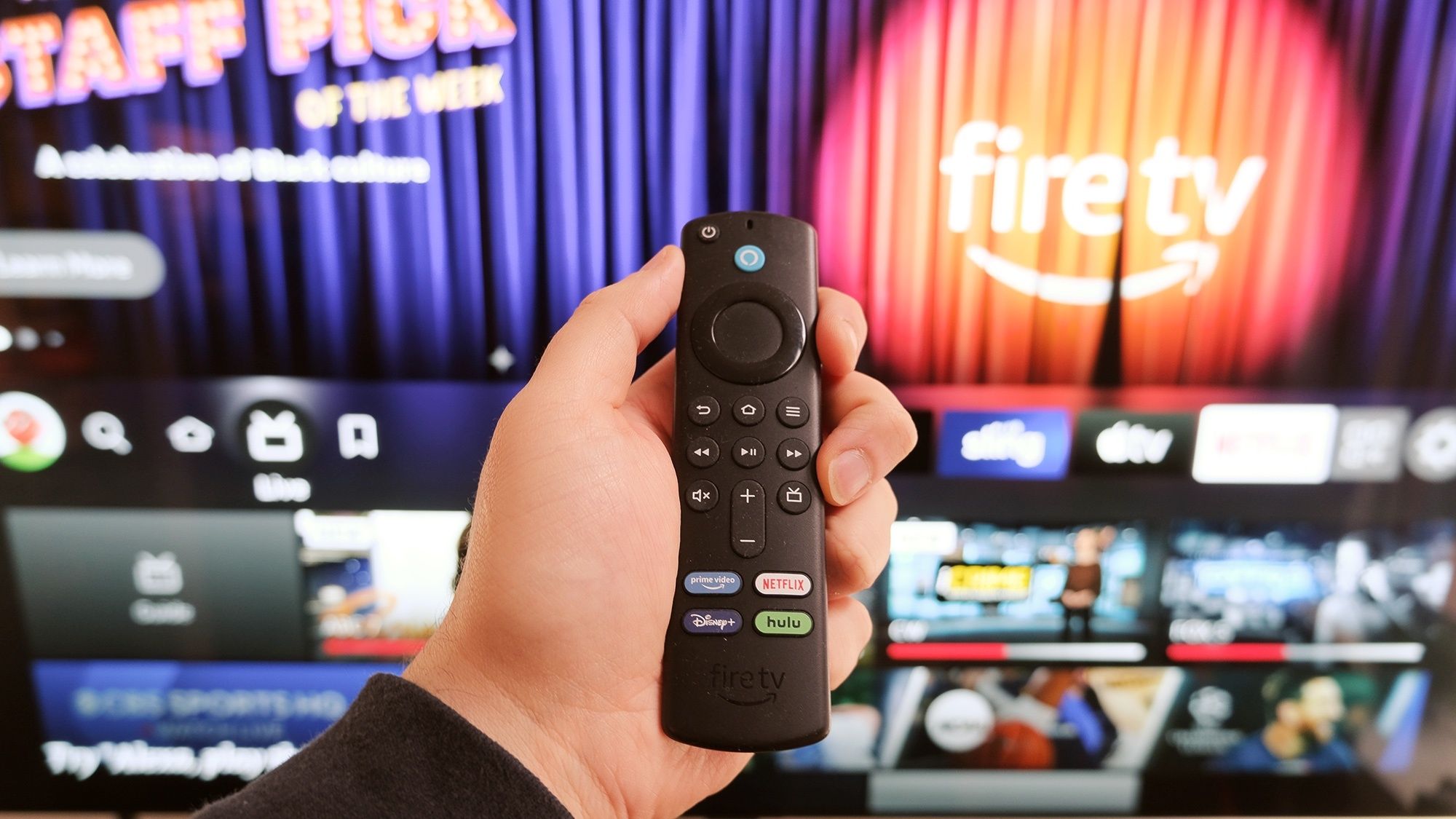
Lately, you may have noticed your Fire TV Stick taking a beat longer to respond, or that the Netflix scrubber lags where it didn't before. Apps hesitate to load where you remember them being snappy. None of that is your imagination, and it isn't the stick aging out, either — both the Apple TV 4K and the Fire TV Stick 4K Max are still among the best streaming devices you can put behind a television.What's changed, mostly this spring, is what the major streaming services are putting on top of that hardware. Netflix, Disney+ and others have stepped away from native platform players, and instead. have started to ship custom video engines with their streaming sticks.Those engines are slower, less responsive and bypass the operating system features Apple and Amazon spent years building. The stick itself isn't dragging — the apps are dragging the stick.Why your streaming stick feels slower
(Image credit: Henry T. Casey)The smoking gun was Netflix's April rollout of a custom video player on Apple TV this year.The smoking gun was Netflix's April rollout of a custom video player on Apple TV this year, which dropped the native tvOS AVPlayer it had used for years. FlatpanelsHD broke it down first, and the rest of the Apple press piled on within a couple of weeks.In practice, the first thing you're likely to notice is a lack of responsiveness. The Siri Remote's touch surface, which on every other app gives you smooth scrubbing, has been demoted to budget-smart-TV behavior. A single back-press no longer skips ten seconds — it pauses, brings up a frame selector and waits for a second click. That extra beat, multiplied across every instance, is the new normal for many people when browsing Netflix.In addition, several useful tvOS features stopped working simultaneously. Automatic Subtitles, the one that turns on captions when you mute or skip back, doesn't fire inside Netflix anymore, and Enhance Dialogue, which pulls speech forward over score and effects, isn't available.The slide-up info overlay that showed Dolby Vision, Atmos and exact playback resolution has been replaced with Netflix's own UI, which isn’t much use for most people. Even the iPhone Remote app has stopped talking to it properly.Get instant access to breaking news, the hottest reviews, great deals and helpful tips.Netflix is the worst offender, though it isn't alone. Disney+ has been running a custom player on Apple TV for some time, which is part of why a few system-level features don't behave there either. Netflix's separate refusal to integrate with the Apple TV app's universal "Up Next" row is unchanged from earlier years — your watchlist looks half-empty because Netflix has chosen not to feed it.The motive is, in part, cost. Writing fully native apps across tvOS (Swift), Fire OS (an Android fork), Roku (BrightScript), Samsung's Tizen and LG's webOS is genuinely expensive at the scale that streamers operate, and a single custom video engine deployed across all of them saves money.Owning the player layer also keeps the telemetry within the streamer's walls rather than handing it to Apple or Amazon, which matters more than it used to, as ad-supported tiers drive most subscriber growth across every major service. Losing tvOS features must be, from their perspective, an acceptable cost.Fixes that actually help