Hwang Joo-young
Staff reporter at The Korea Herald’s National Desk, based in Seoul. Covers South Korea’s national security and foreign policy, with a focus on the Defense, Foreign and Unification Ministries, as well as the National Assembly.Before entering journalism, served as an Air Force officer. Experience includes providing translation and interpretation, as well as strategic input for planning efforts, at the ROK-US Combined Forces Command. During three years of military service, took part in six major South Korea-US combined exercises.
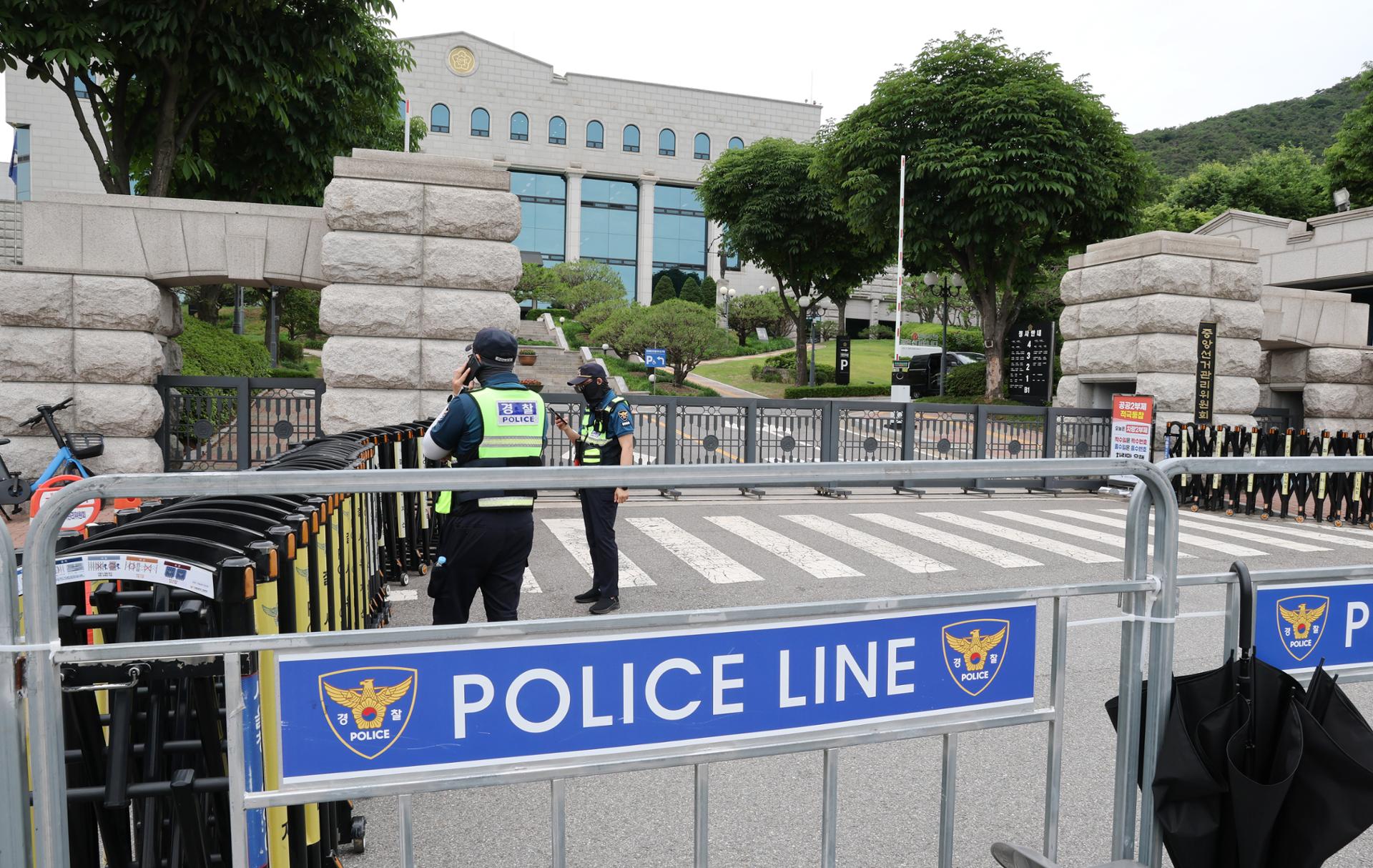
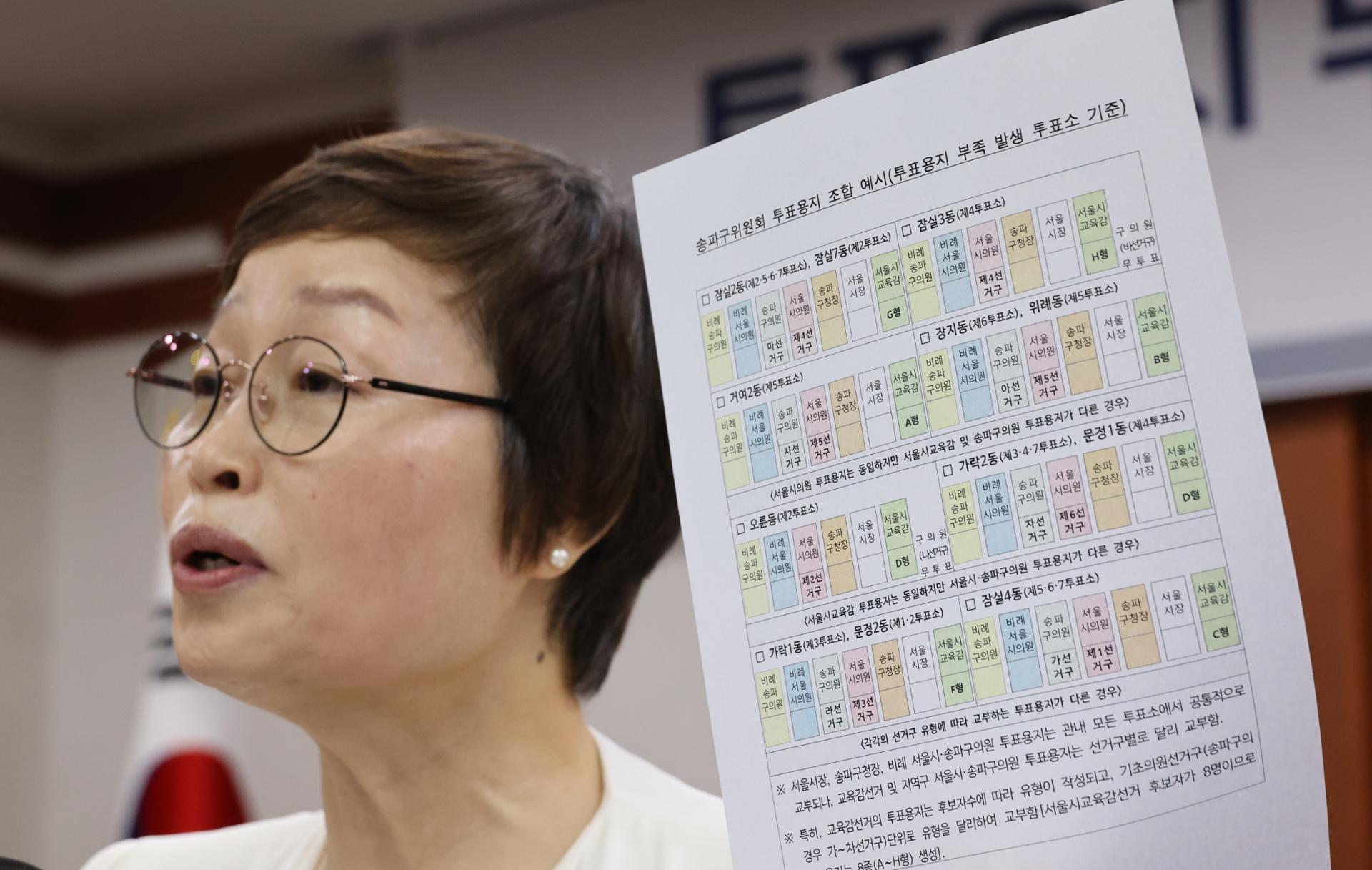
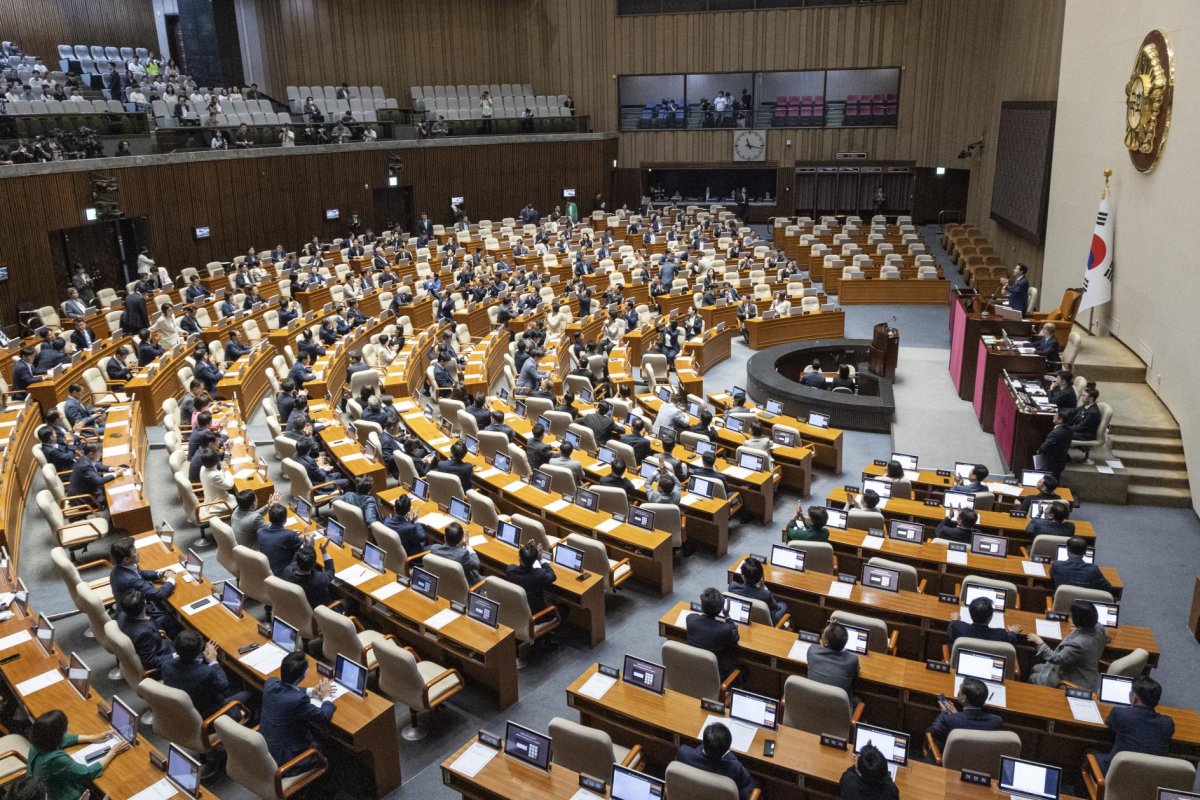
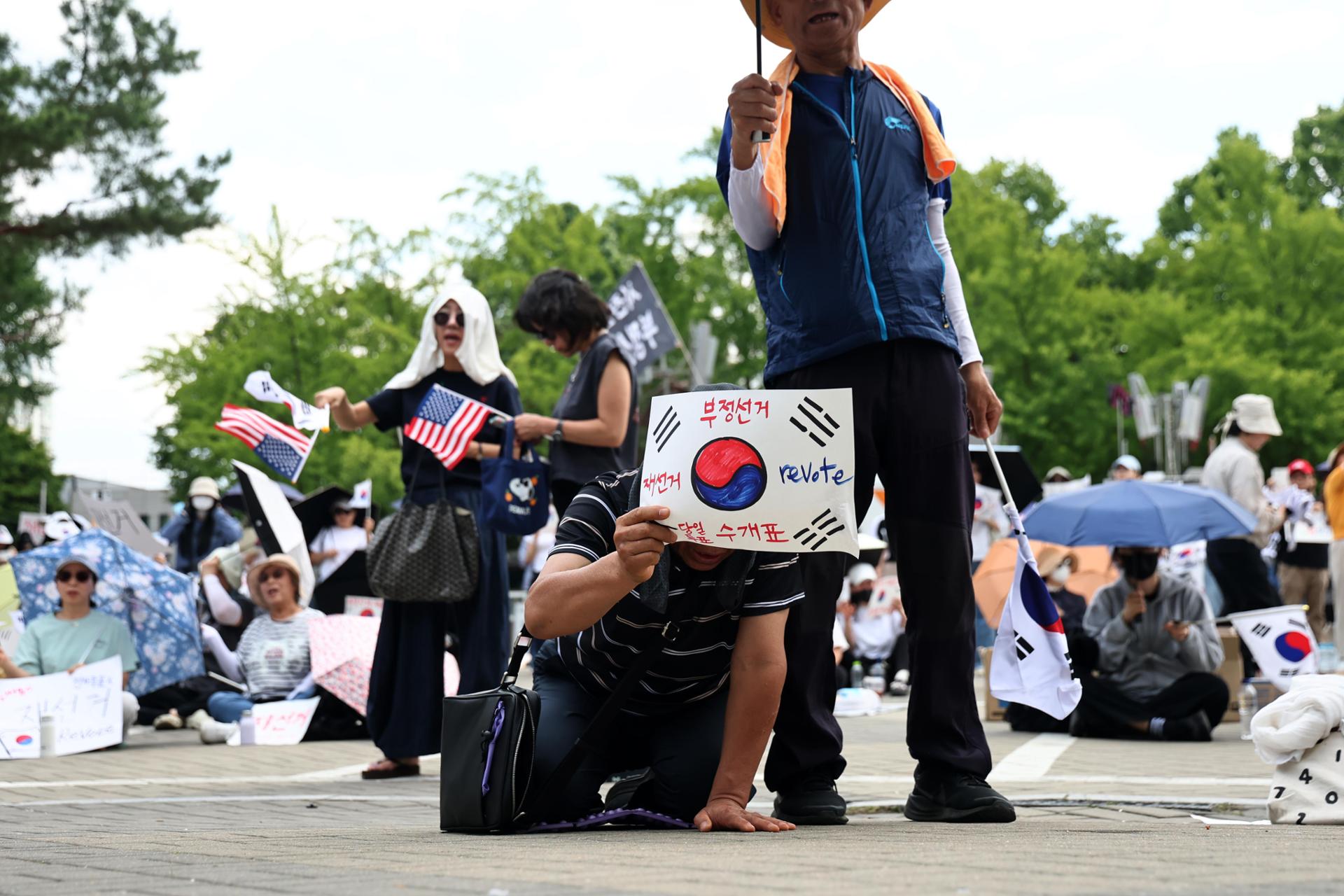
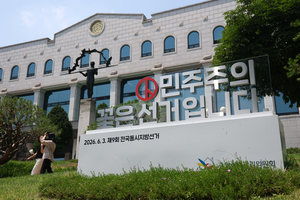
Headquarters of the National Election Commission in Gwacheon, Gyeonggi Province (Yonhap) South Korea’s rival parties are moving to overhaul the National Election Commission, launching separate task forces in response to ballot shortages during the June 3 local elections that are fueling criticism that the election watchdog failed to protect voters’ constitutional rights.The ruling Democratic Party of Korea and main opposition People Power Party broadly agree on the need to improve the commission’s administrative capacity and strengthen oversight of the body, according to sources Sunday.But they differ sharply over how far the reform should go, with the Democratic Party leaning toward institutional repairs while preserving the NEC’s constitutional independence and the People Power Party calling for a more fundamental restructuring that could amount to dismantling the current system.The debate has also opened the door to a possible constitutional amendment, as the NEC is an independent constitutional body whose composition and status are set out in the Constitution.On Wednesday, the Democratic Party launched an election system reform task force led by Rep. Song Ki-hun. The party plans to hold a second meeting Tuesday to discuss the broad outline of reform measures and a related forum the following day.The People Power Party is also preparing to launch its own task force to review legal revisions aimed at overhauling the election watchdog, according to party officials. Rep. Na Kyung-won is being considered as a possible head of the panel.Capacity and oversightThe immediate focus of the reform push is on addressing what lawmakers describe as the NEC’s lack of administrative competence, exposed by ballot shortages during the local elections.The commission has faced increasing criticism following revelations that officials were aware of possible ballot shortages at some polling stations as early as the morning of Election Day.Within the Democratic Party, one proposal under review is to increase the number of full-time members at the National Election Commission.Under the current system, the NEC has one standing commissioner, while its chair is traditionally a Supreme Court justice serving concurrently in a nonstanding capacity.Some critics say the chair should become a full-time, accountable post, while the number of standing commissioners should be expanded to allow the commission to function more effectively.Independent Rep. Han Dong-hoon, who formerly served as leader of the People Power Party and returned to the National Assembly through a by-election held alongside the local elections, has separately proposed a bill to change the NEC chair from a nonstanding post concurrently held by a Supreme Court justice into a full-time position with clearer responsibility.Lawmakers are also calling for revisions to laws and regulations governing NEC personnel, training and internal management, arguing that the election watchdog needs a more professional administrative structure.Another major pillar of the reform debate is oversight.Rep. Yoo Yong-weon of the People Power Party has submitted a revision bill to the National Election Commission Act that would require the NEC to appoint an inspector general and submit an annual audit report to the National Assembly before the opening of the regular parliamentary session.A second-term Democratic Party lawmaker also said on condition of anonymity that oversight should be strengthened without undermining the NEC’s constitutional independence.“The core of this reform is how to reinforce the monitoring function,” the lawmaker said. “One option could be to create an organization dedicated to auditing the NEC, or to establish an audit body under the NEC that operates independently.”Constitutional independenceThe constitutional status of the NEC, however, makes sweeping reform difficult without revising the Constitution.The current NEC system was created in 1963 after an election on March 15, 1960, when the election management body was separated from the then-Interior Ministry and established as an independent constitutional institution.The purpose was to prevent the executive branch from controlling elections.Under the Constitution, the NEC is composed of nine members: three appointed by the president, three elected by the National Assembly and three nominated by the chief justice of the Supreme Court. The Constitution also restricts the grounds on which NEC members can be removed from office.Expanded external auditing could also require constitutional revision.Last year, the Constitutional Court, the highest court on constitutional matters, ruled that the NEC is not subject to administrative inspection by the Board of Audit and Inspection, the state audit agency placed under the president.The court said such oversight would run counter to the constitutional intent of insulating the election watchdog from influence by the president and the executive branch.Both parties appear open to discussing a constitutional amendment, including one that could introduce a stronger external audit mechanism, but they remain divided over its direction.The Democratic Party argues that reform should preserve the constitutional principle of the election watchdog’s independence while improving the NEC’s capacity, accountability and internal structure.The People Power Party, by contrast, has put more emphasis on dismantling the current structure.Rep. Park Sung-hoon, the conservative party’s chief spokesperson, argued Saturday that many members of the public believe the NEC should be dismantled, adding that the issue would ultimately have to be discussed alongside a constitutional amendment.Some opposition lawmakers have also argued that the NEC should be turned into a nonpermanent body and placed under the Interior Ministry for stronger administrative supervision.Political commentator Park Sang-byeong said the rival parties are likely to agree on the need for stronger oversight, but the discussion could become more politically divisive if it expands into a constitutional debate over the NEC’s status.“The ballot shortage incident has created rare bipartisan pressure for reform, but the question is whether the parties can agree on the scope of change,” Park said. “Once the debate moves toward a constitutional amendment or dismantling the current system, partisan calculations are likely to become much stronger.”