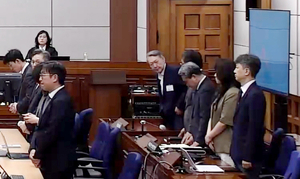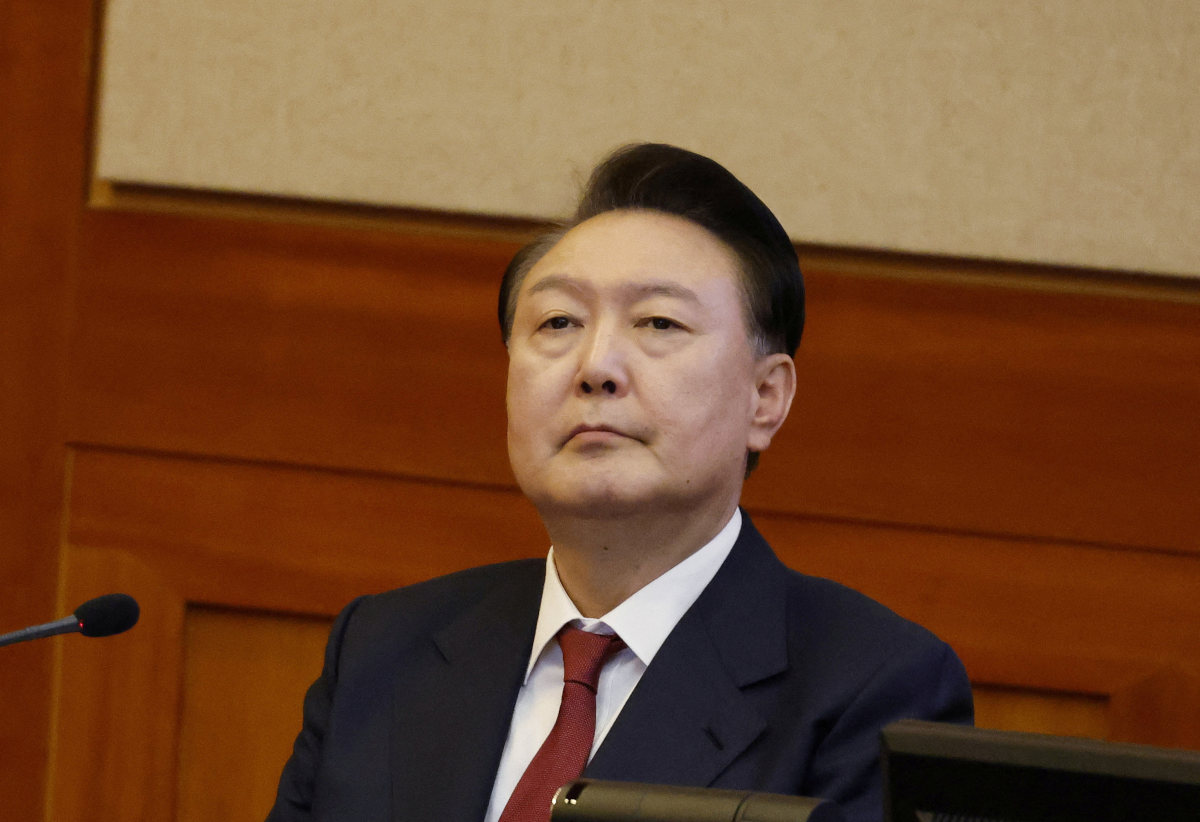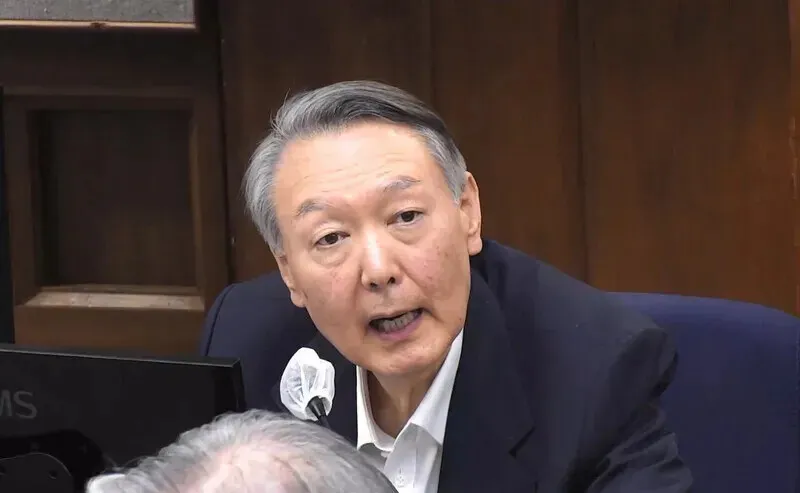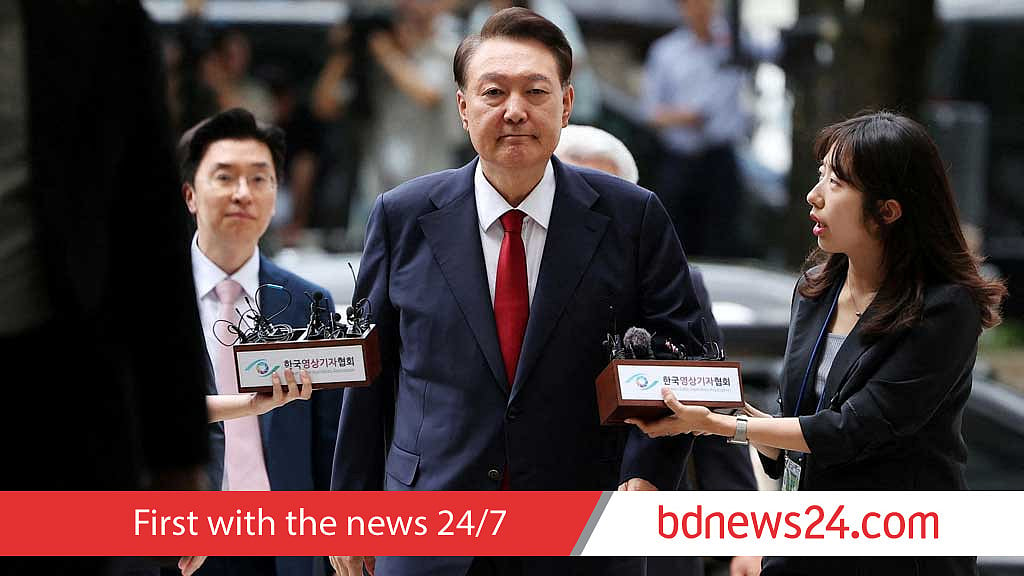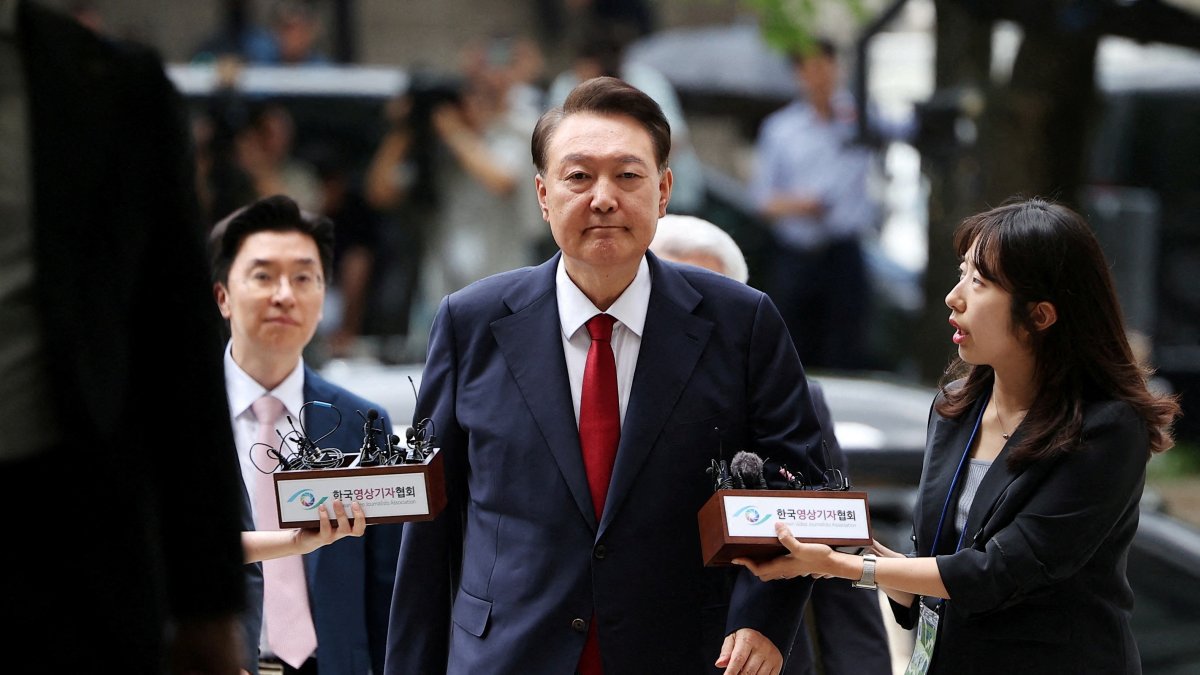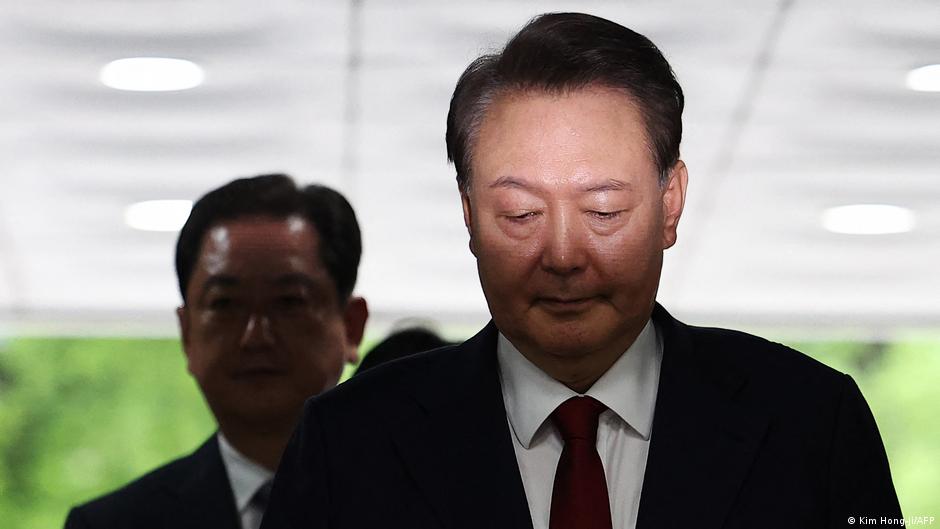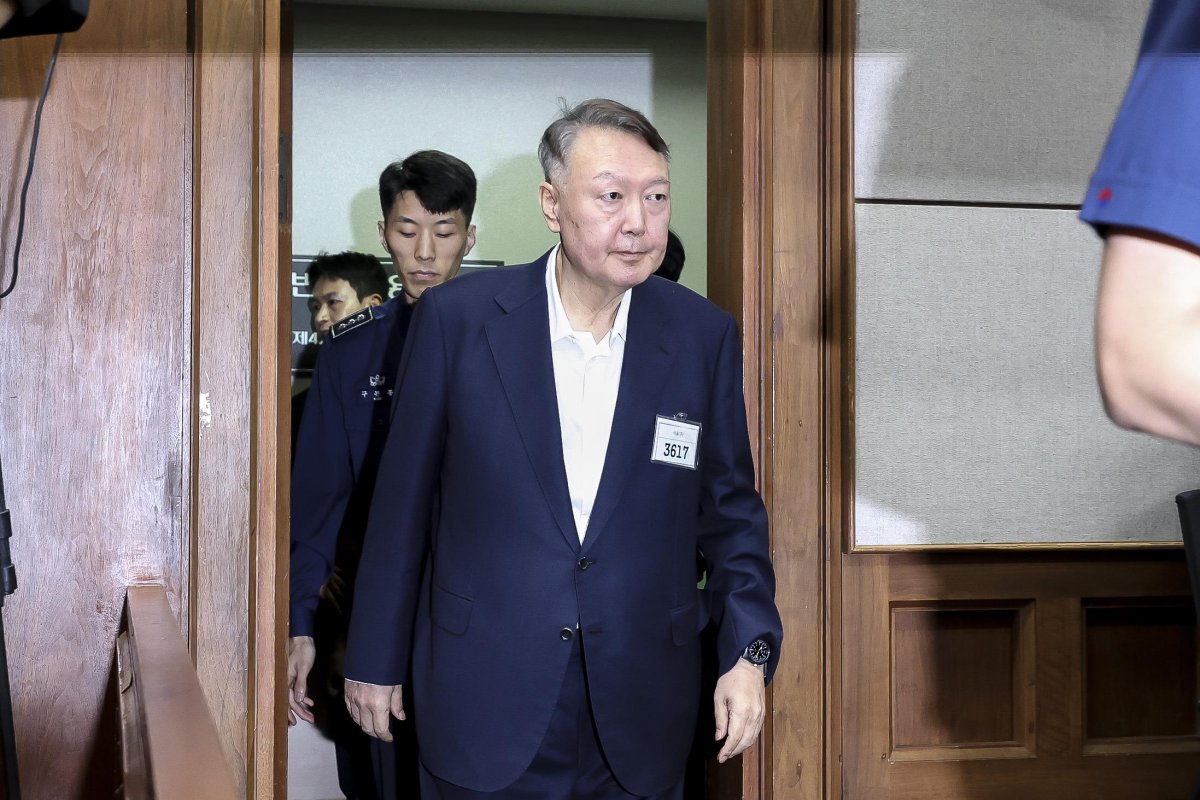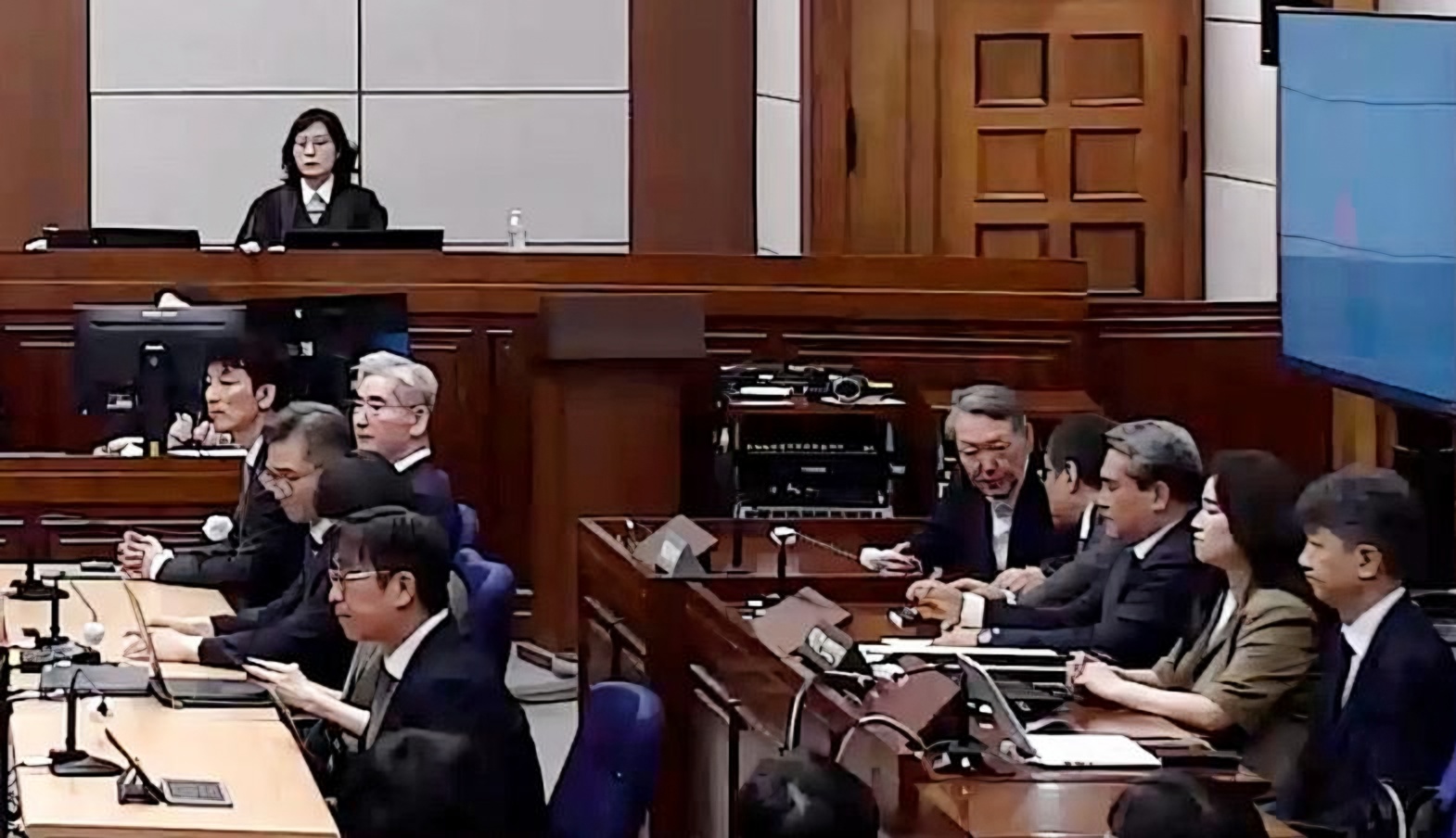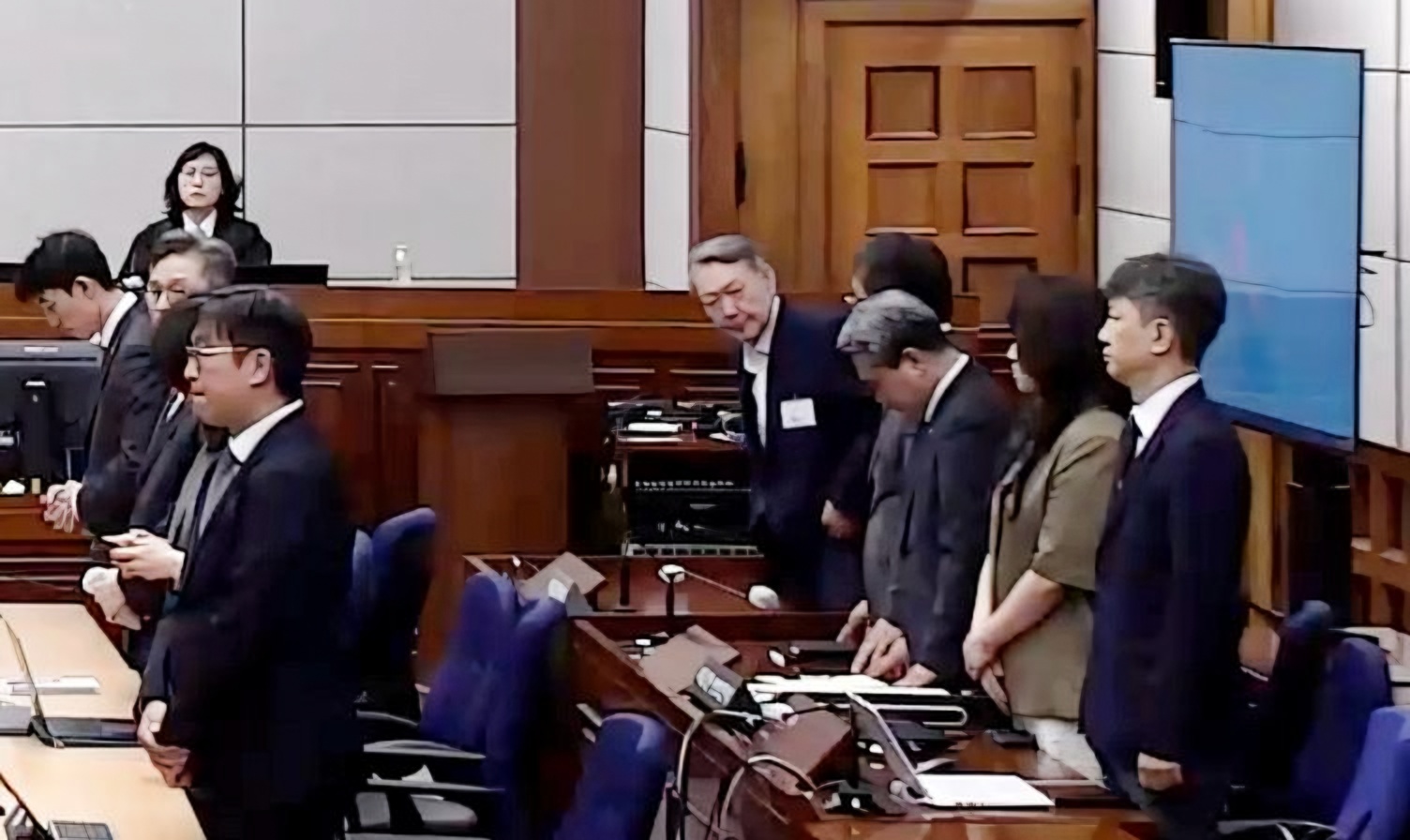
Yoon appears at the Seoul Central District Court in Seocho District, southern Seoul, to attend the sentencing hearing for his trial over charges of treason and abuse of power. Courtesy of Seoul Central District Court
The court's conviction of former President Yoon Suk Yeol on charges related to the deployment of drones into Pyongyang's airspace marks one of the most consequential moments in the nation's constitutional history. More than simply the downfall of one political leader, the ruling stands as a stark warning about the dangers of unchecked executive power and the catastrophic consequences that can follow when state institutions are subordinated to personal political ambitions.
According to the court's findings, Yoon deliberately sought to manufacture a national security crisis by provoking North Korea, in order to create a pretext for declaring martial law. This represents not merely an abuse of authority but a profound betrayal of public trust. The president wields immense powers, none more significant than command of the armed forces. Those powers are entrusted to the nation's leader for specific purposes: the defense of the state and the protection of its citizens. They are not instruments to be deployed in service of political survival or personal ambition.