People often imagine highly skilled hackers, cutting-edge malware, or advanced security tools when they think of cybersecurity. The human aspect of cyber defense gets far less attention.
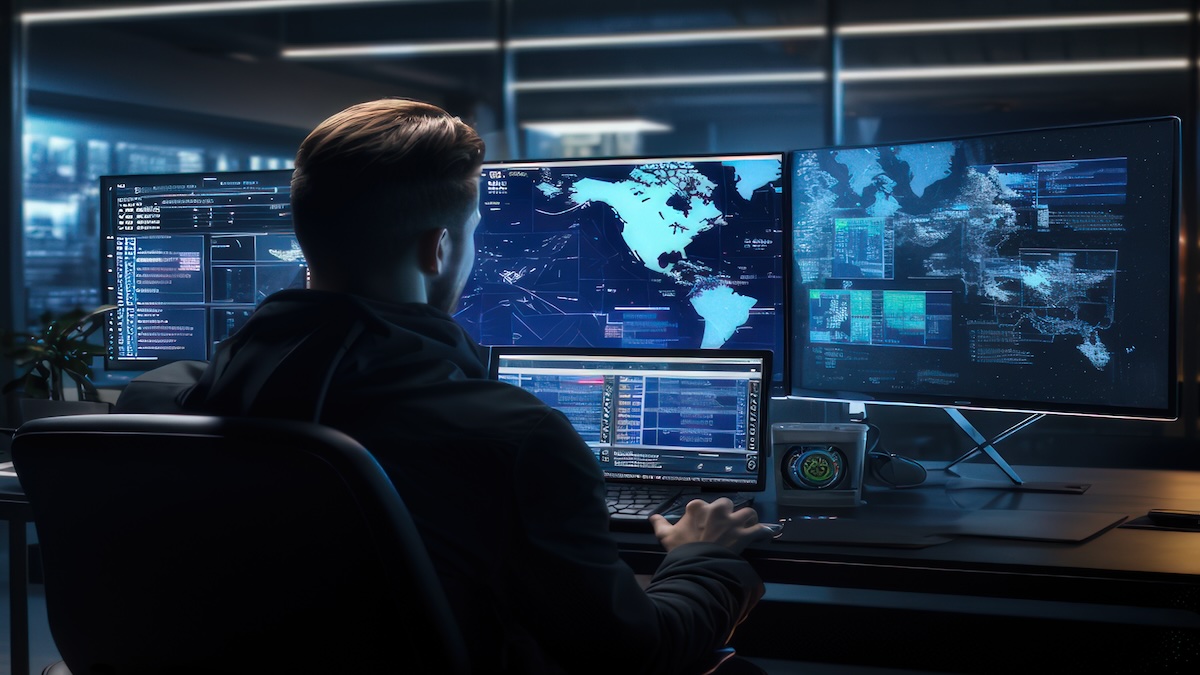
Every security monitoring platform, firewall, and detection system has people behind it who analyze alerts, investigate suspicious activity, and determine whether an organization is under attack. Small security teams in many Nigerian organizations are required to keep an eye on expanding digital environments under rising pressure and with limited resources.
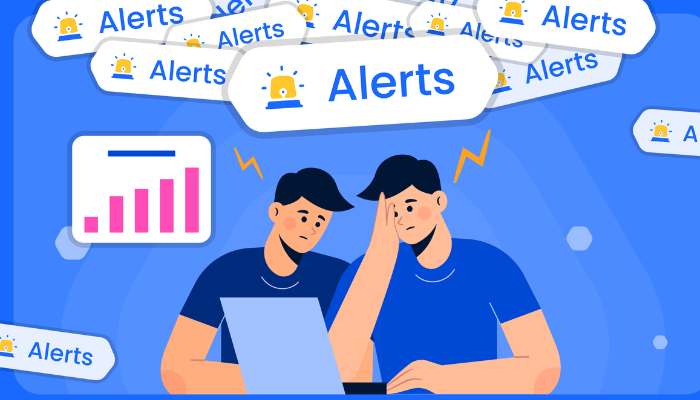
Alert fatigue is a condition that arises when security analysts become overwhelmed by the sheer frequency of notifications generated by security systems. Alerts are meant to assist defenders in identifying threats before they become incidents. In reality, thousands of alerts, many of which are false positives, low priority, or repetitive can come in every day. Analysts’ ability to spot truly malicious activity starts to deteriorate when they spend hours going over alerts that don’t lead anywhere.
Although the issue is not exclusive to Nigeria, local circumstances often make it more severe. Many businesses are growing their digital services while working with limited cybersecurity expenditures. Multiple system monitoring, security tool management, incident response, and compliance report preparation may fall within the responsibility of a single security analyst. In such a setting, the quantity of notifications frequently increases more quickly than the team in charge of looking into them.