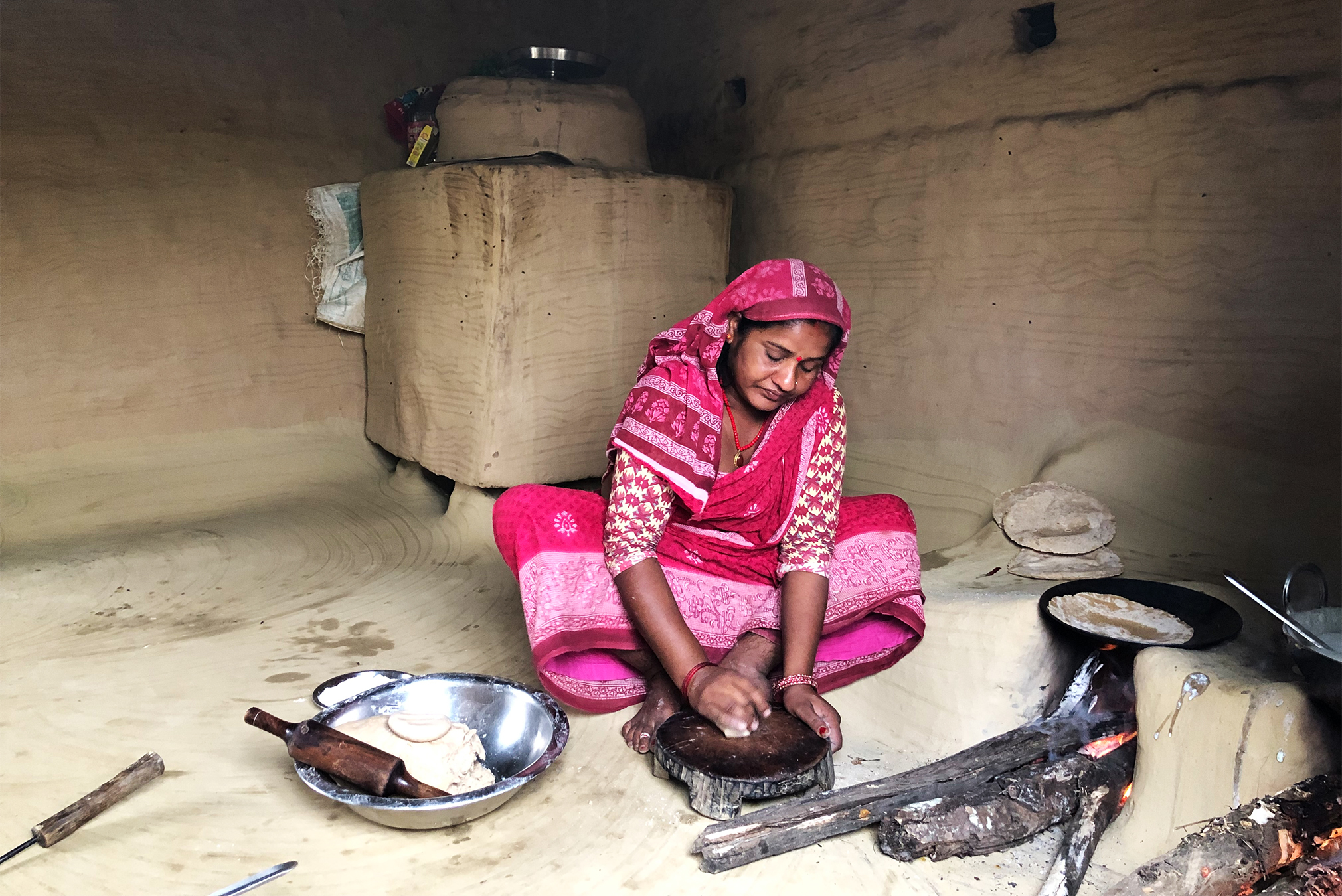
In Nepal’s southern plains, Indigenous communities such as the Tharu and Yadav use traditional earthen storage bins (dehari) to safely store grains and seeds, relying on knowledge passed down through generations.Made from locally available materials such as clay, husk and dung, the bins naturally regulate temperature and moisture, helping protect crops from extreme heat, pests and seasonal flooding without electricity.Experts say these traditional storage systems are climate-adaptive, environmentally friendly and crucial for preserving local seed diversity and sustaining smallholder farming systems.While durable and effective, dehari have limitations such as vulnerability to moisture, pests and floods requiring careful placement, regular monitoring and adaptation to changing climate conditions.
DANG, Nepal — With the start of the summer season in Nepal, farmers are worried about keeping their grain safe from extreme heat and insect infestation. But at Chattrapati Yadav’s home in Dang in western Nepal, that is not a concern thanks to handmade earthen pots passed down from previous generations.
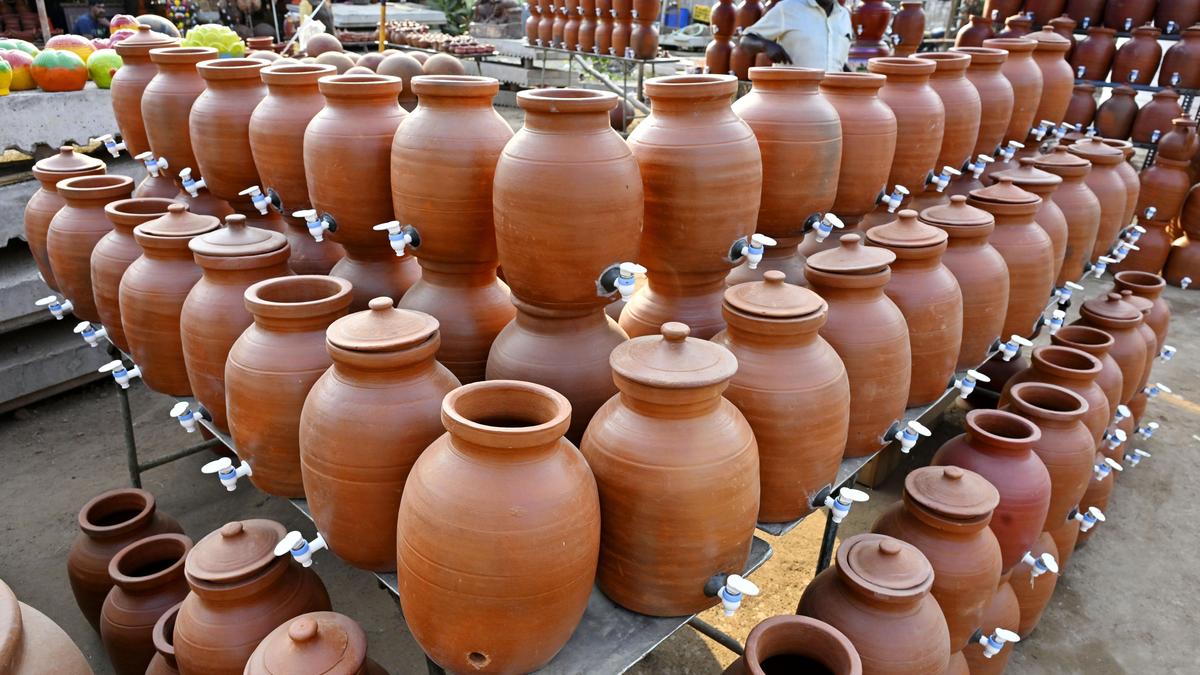
The 70‑year‑old learned the craft of making the pots from her mother. She eventually taught it to her daughters and granddaughters. “My granddaughter made this one, and that one was made by my mother‑in‑law,” Yadav said, pointing to the cylindrical and rectangular storage vessels.