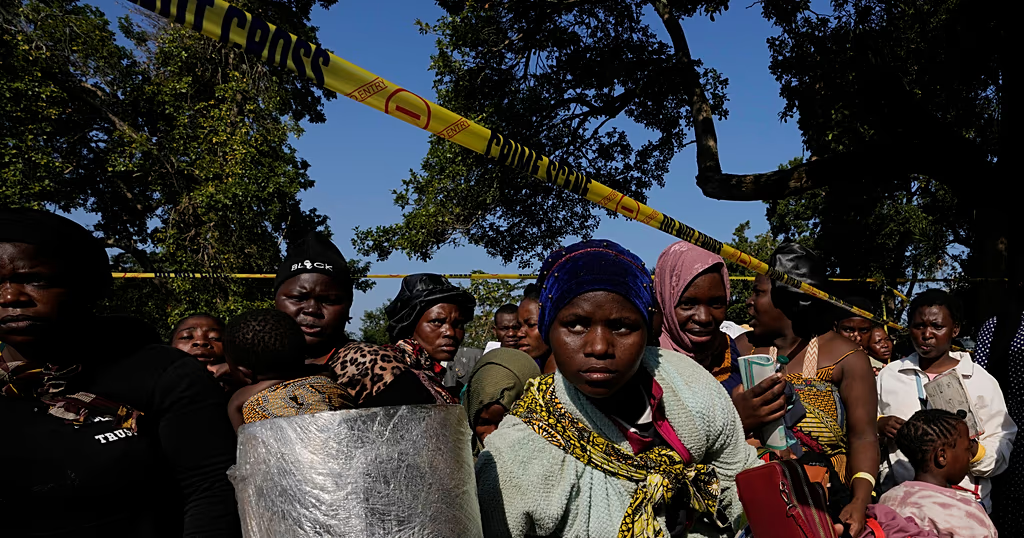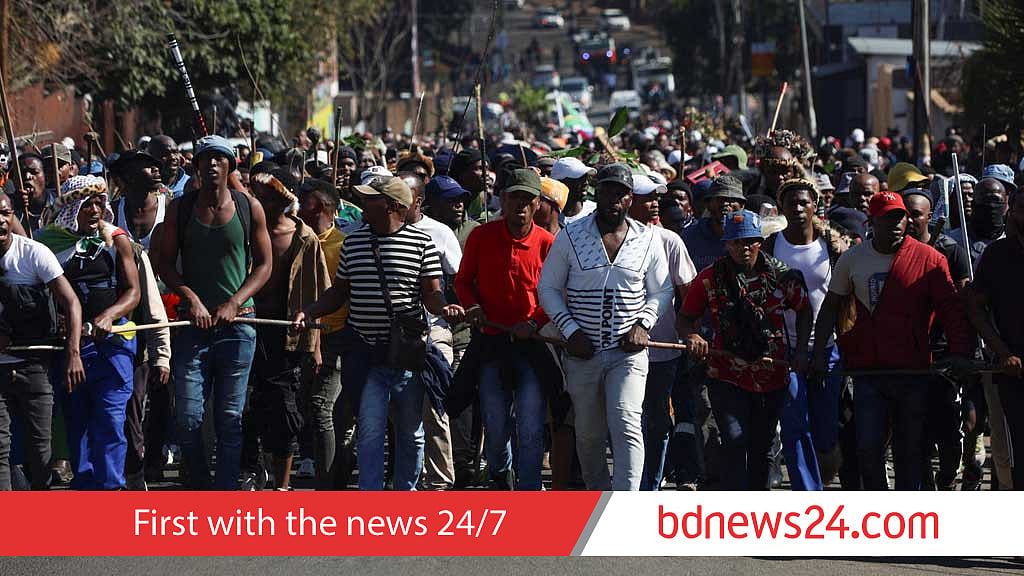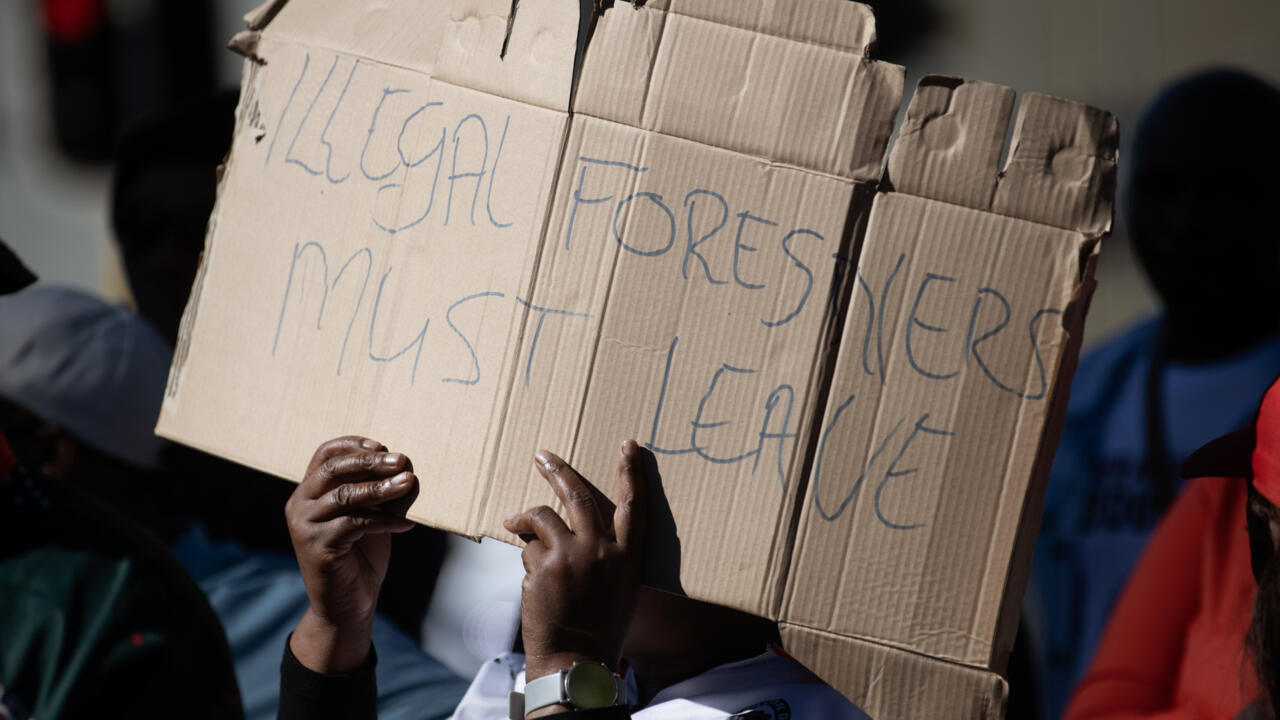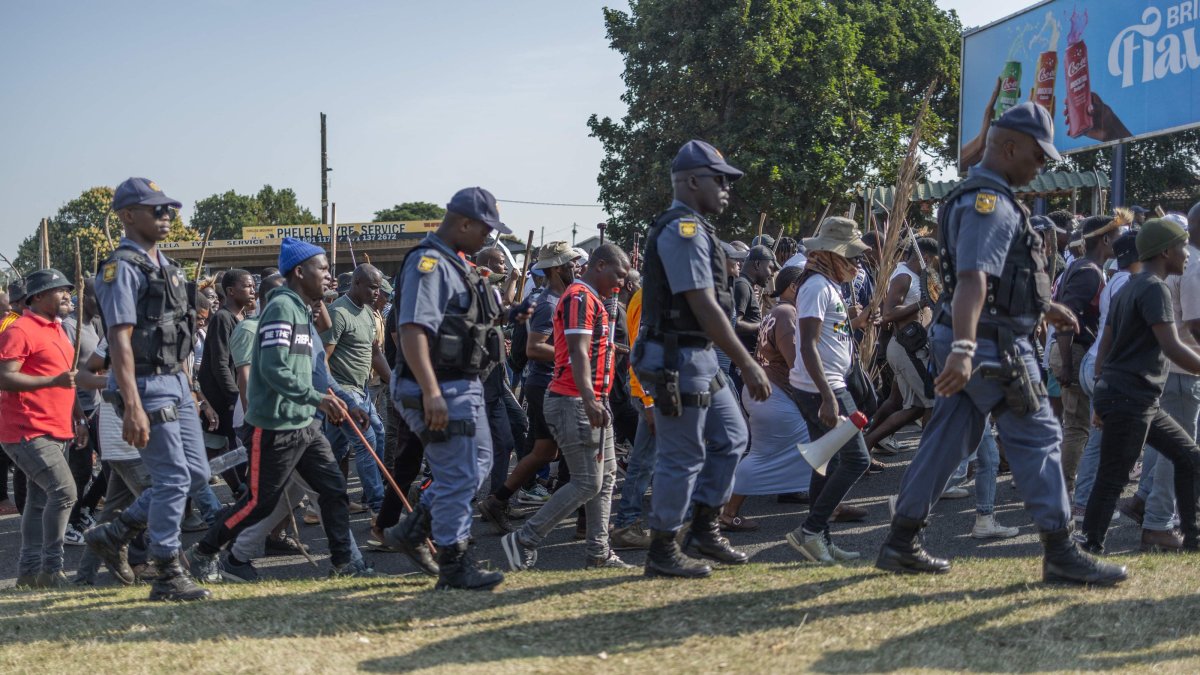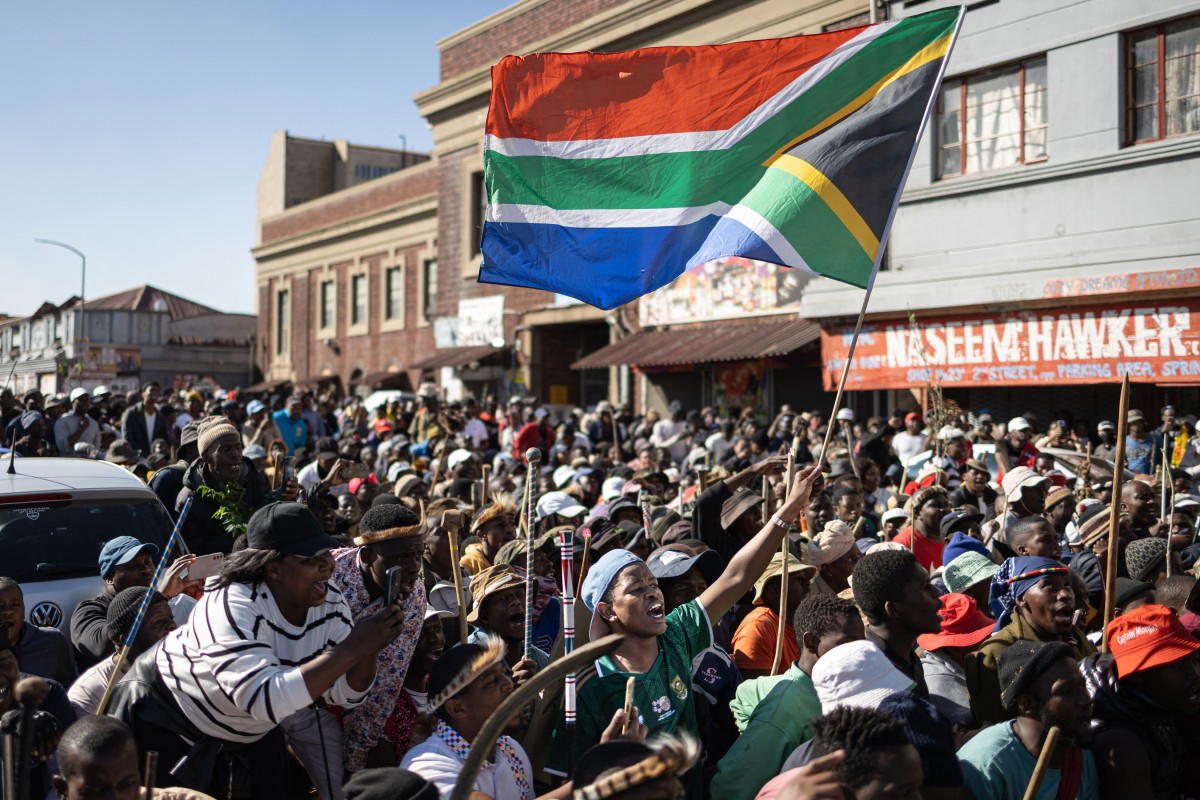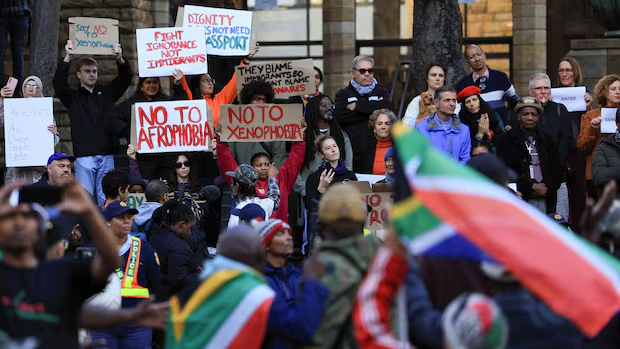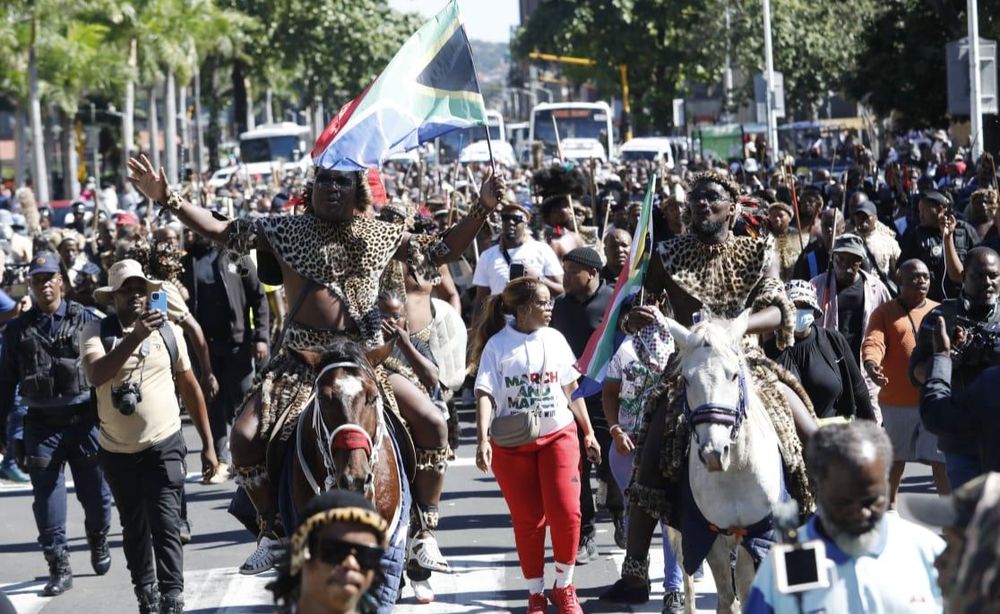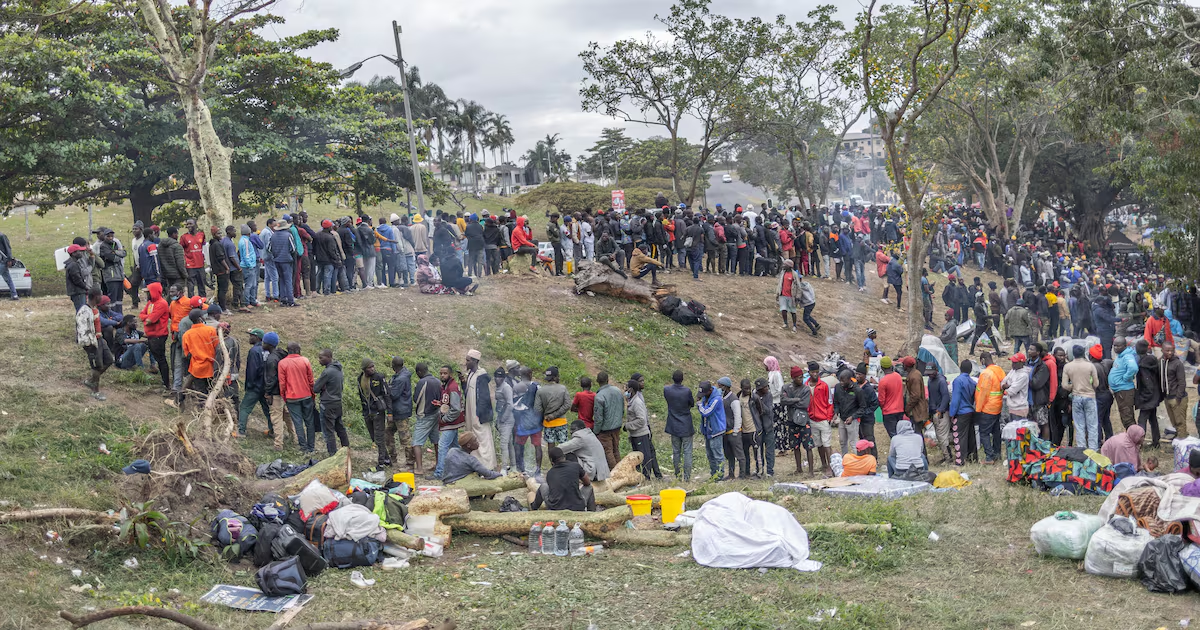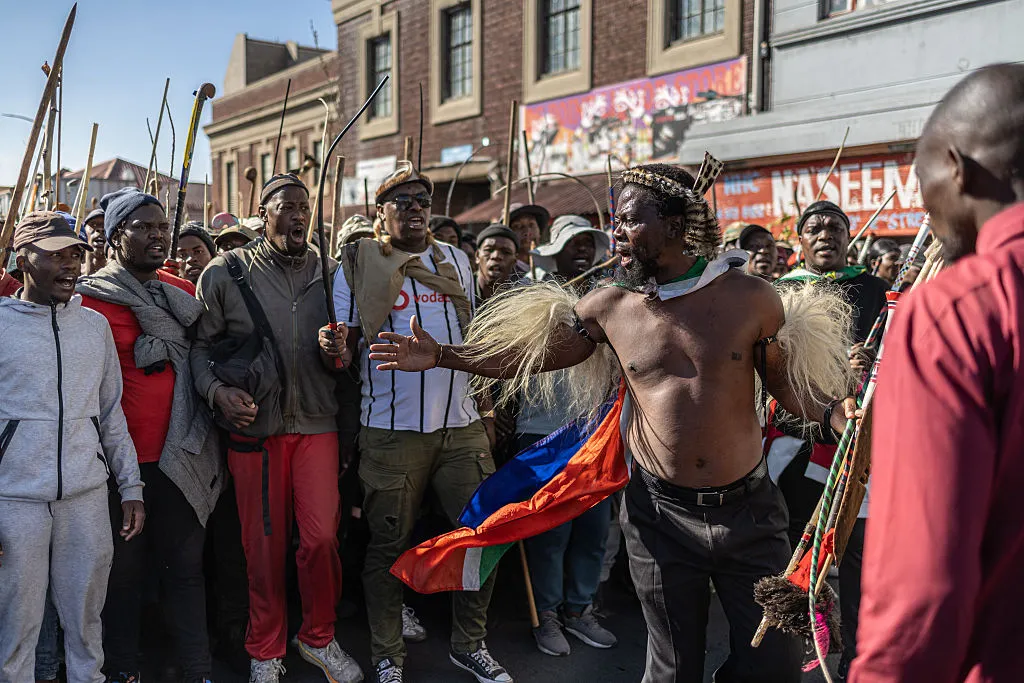
For months, South African social media has been awash with videos of men marching through the country’s streets carrying sticks, clubs and whips. Some of the clips are theatrical, others are more menacing. Running through them are repeated references to a date: 30 June, the deadline set by anti-immigration groups for illegal migrants from neighbouring African countries to leave the country… or else.
South Africa might be the biggest mass migration story you have never heard of
South Africa has seen this before. A protest movement appears, gathers momentum online, threatens to spiral, and then usually dissipates. Yet this country is far too combustible for anyone to assume that this movement will simply pass.
For the ordinary person in South Africa, things are not going well. As in much of the West, the effects of mass immigration are unevenly felt. The wealthier sections of society insulate themselves in enclaves and often regard migrants as a source of cheap, reliable, non-unionised labour. By contrast, poorer communities face the daily pressures of competition for jobs, housing and public services, compounded by cultural and linguistic tensions in a stagnant economy. These factors have created the tinderbox which has led to the current situation.