Part 4 of the ERTH Architecture Series: Implementing offline-first database schemas, UUIDv7 indexing, and cloud-edge SQLite replication.
In the third part of this series, we established a Zero-Trust shield around our Python backend (Robyn) using in-memory Opaque Tokens.
Our application is responsive, self-healing, and secure. But it is still stateless. If the user closes the application, all data disappears.
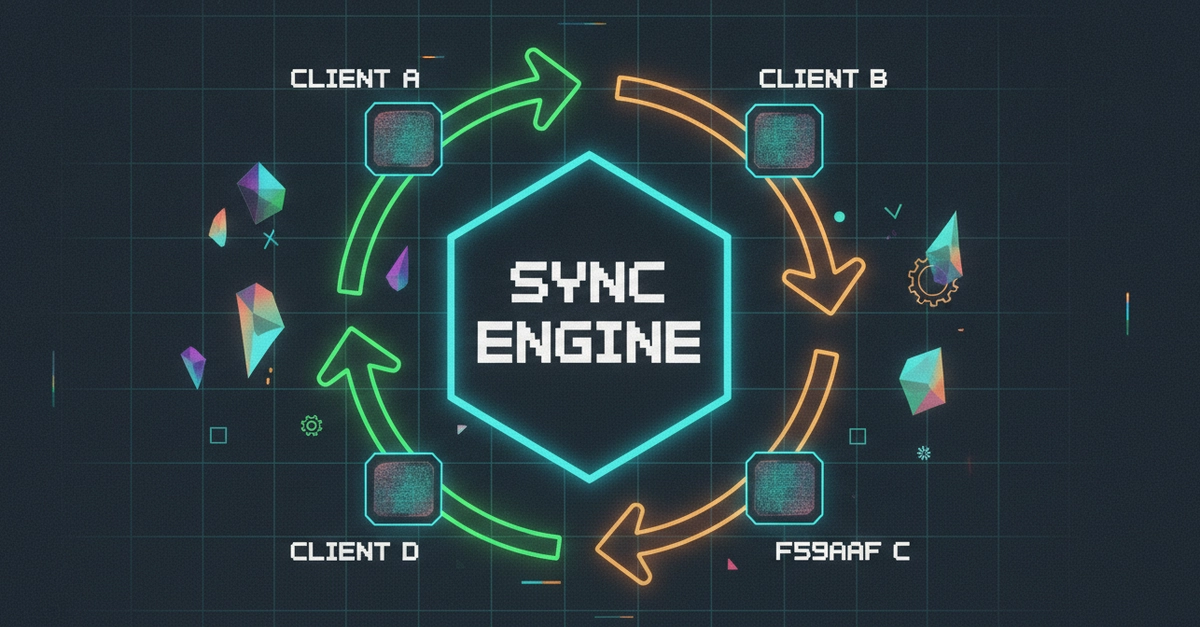
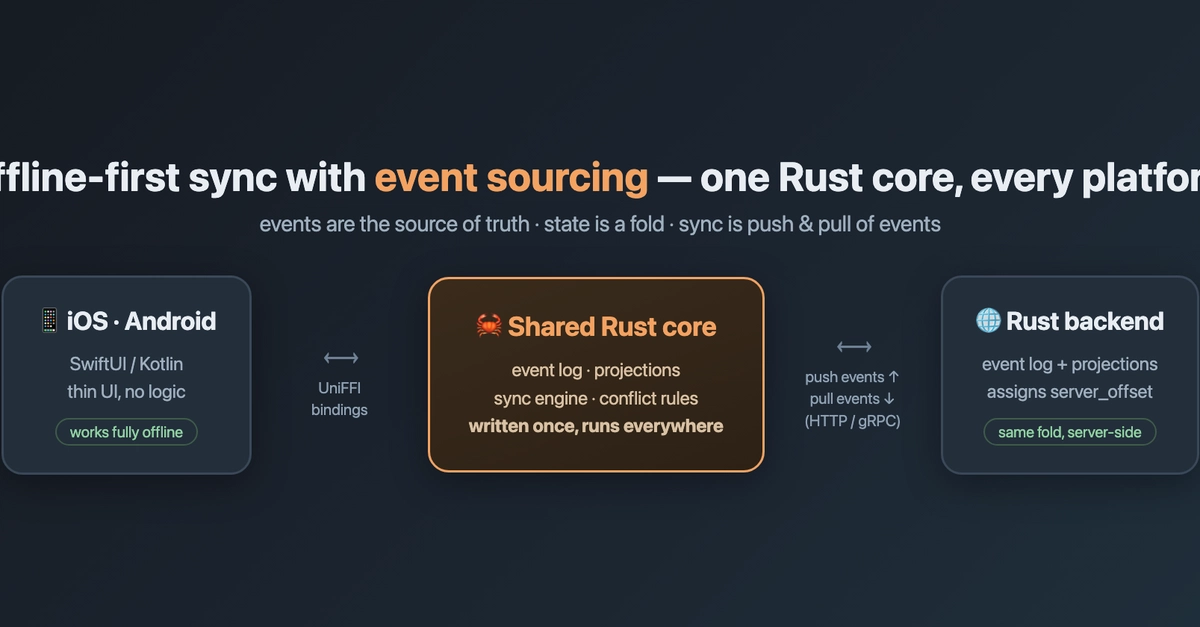
To turn our assistant into a true personal database, we need persistence. But we don't want a heavy database engine like PostgreSQL running on the user's laptop, nor do we want a simple offline SQLite file that isolates data on a single machine.
We want a Local-First Sync Engine: