The story of AI for the last three years has been written in megawatts. Nvidia GPUs stacked in desert data centers. Models with trillion-parameter counts. APIs that pipe your prompts, photos, and personal data to the cloud, burn a forest of electricity to process them, and return an answer 800ms later. If you're building with AI in 2026, the default assumption is that intelligence lives somewhere else. Your device is just a glass terminal.
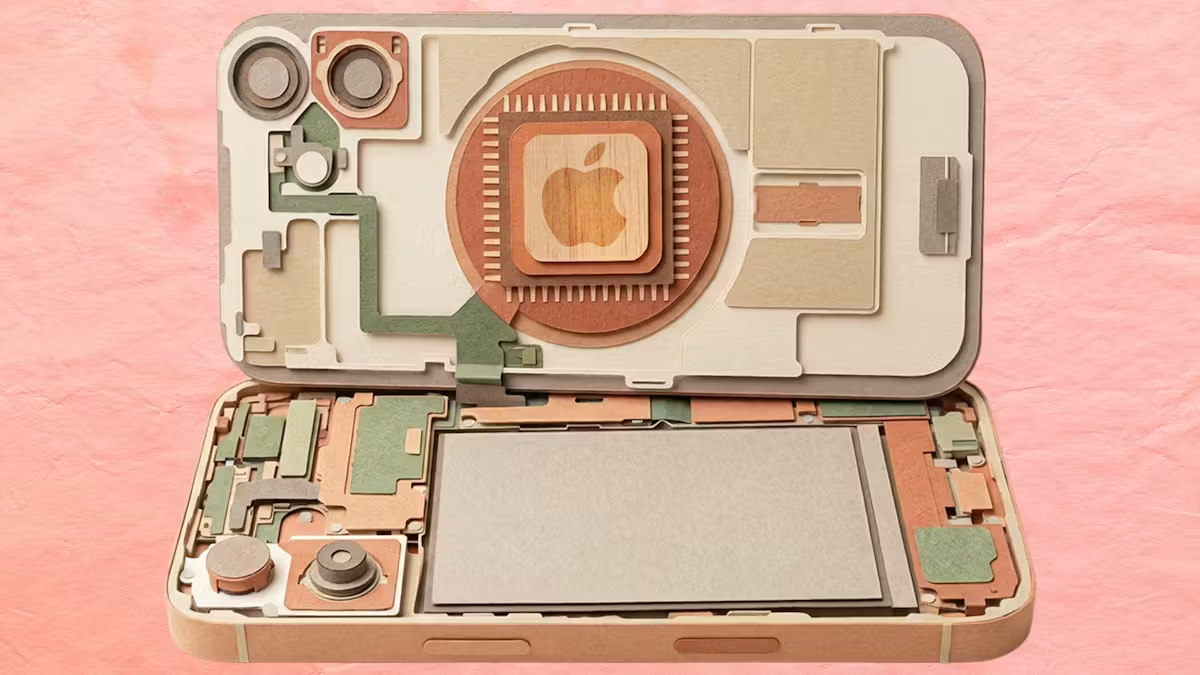
Apple has been telling a different story. No press tour. No "AGI in your pocket" hype cycles. Instead, a decade of silicon releases where the Neural Engine number (FLOPS) quietly doubled, then doubled again. Core ML updates that casually added transformer support.
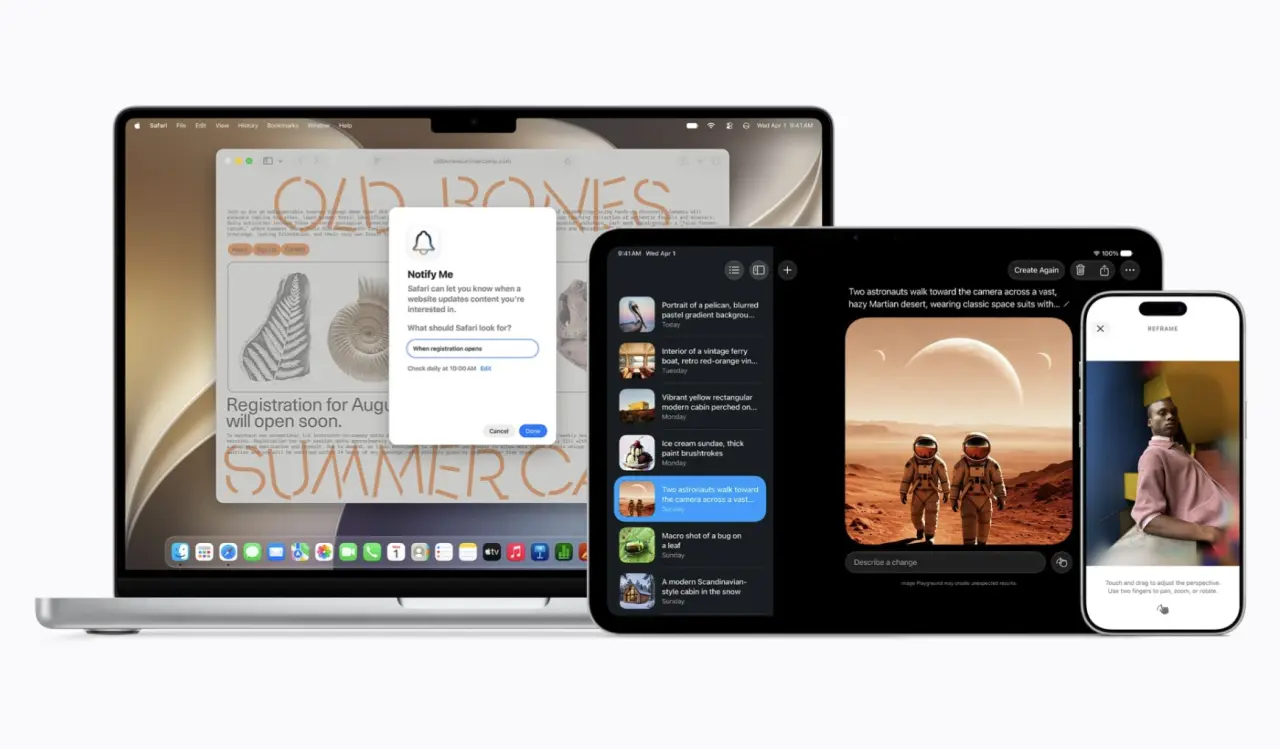
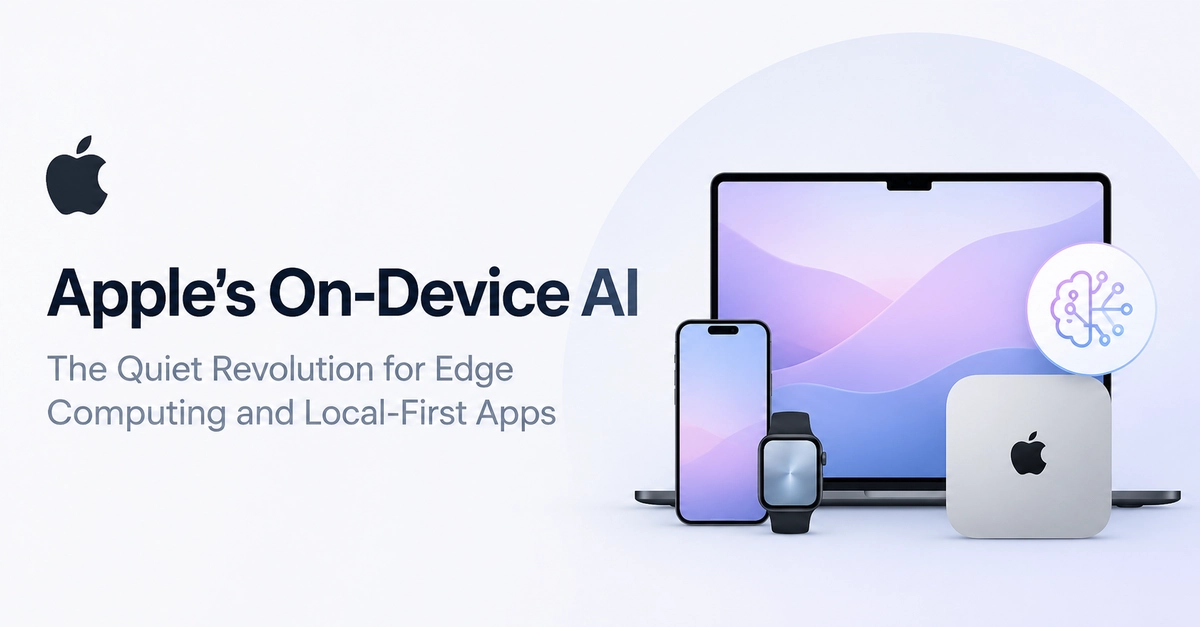
Here is my thesis: Apple’s on-device AI strategy is a privacy-first, performance-oriented architectural break from cloud-centric AI. By co-designing silicon, models, and APIs to run locally, Apple is unlocking a new class of local-first applications where user data never leaves the device, latency is measured in milliseconds, and features work in airplane mode. This doesn’t kill cloud AI. But it forces every developer to answer a new question: what part of your product must be in the cloud, and what gets better when it stays in the user’s pocket?