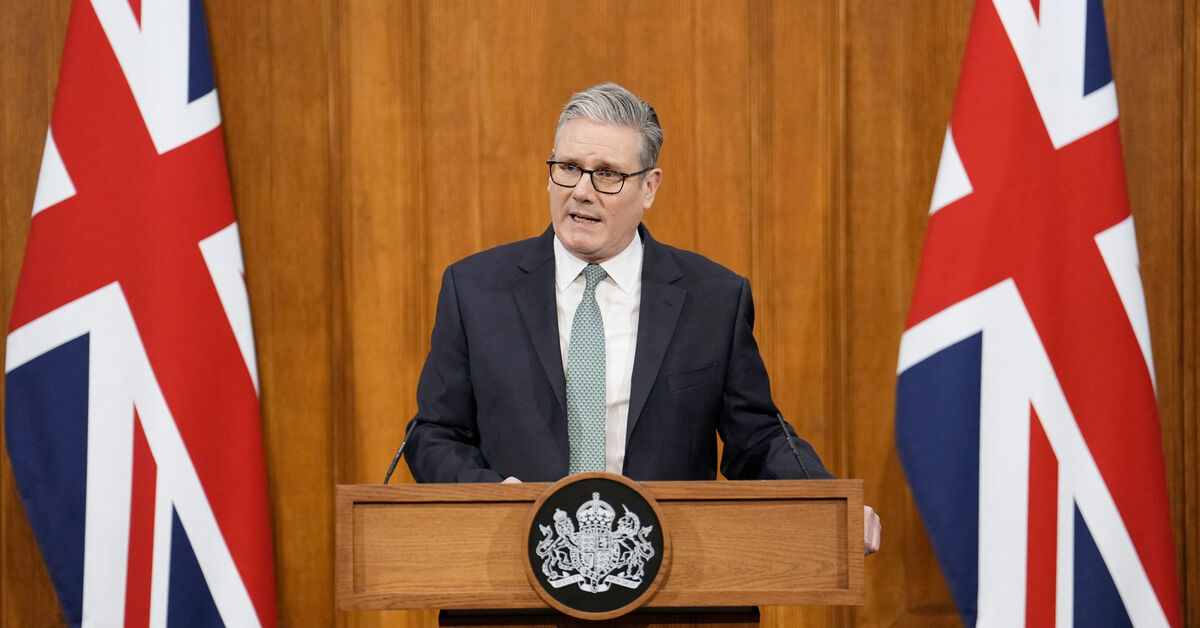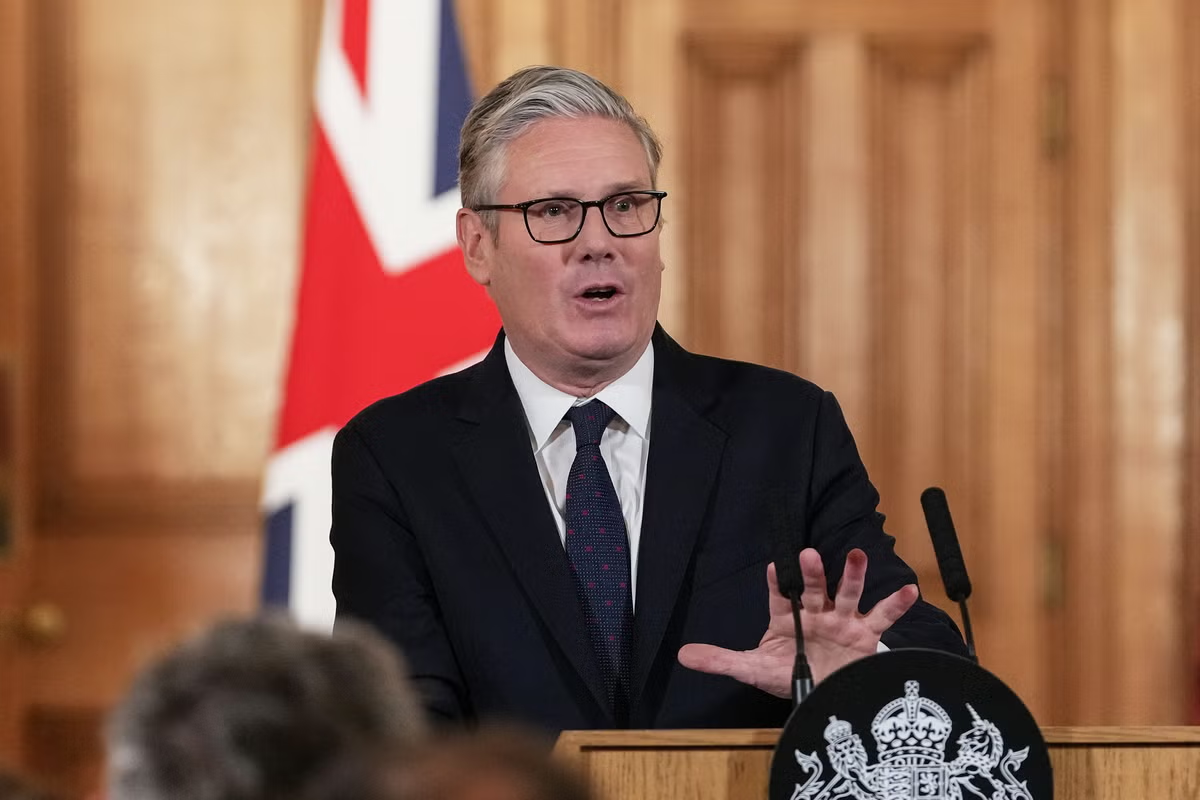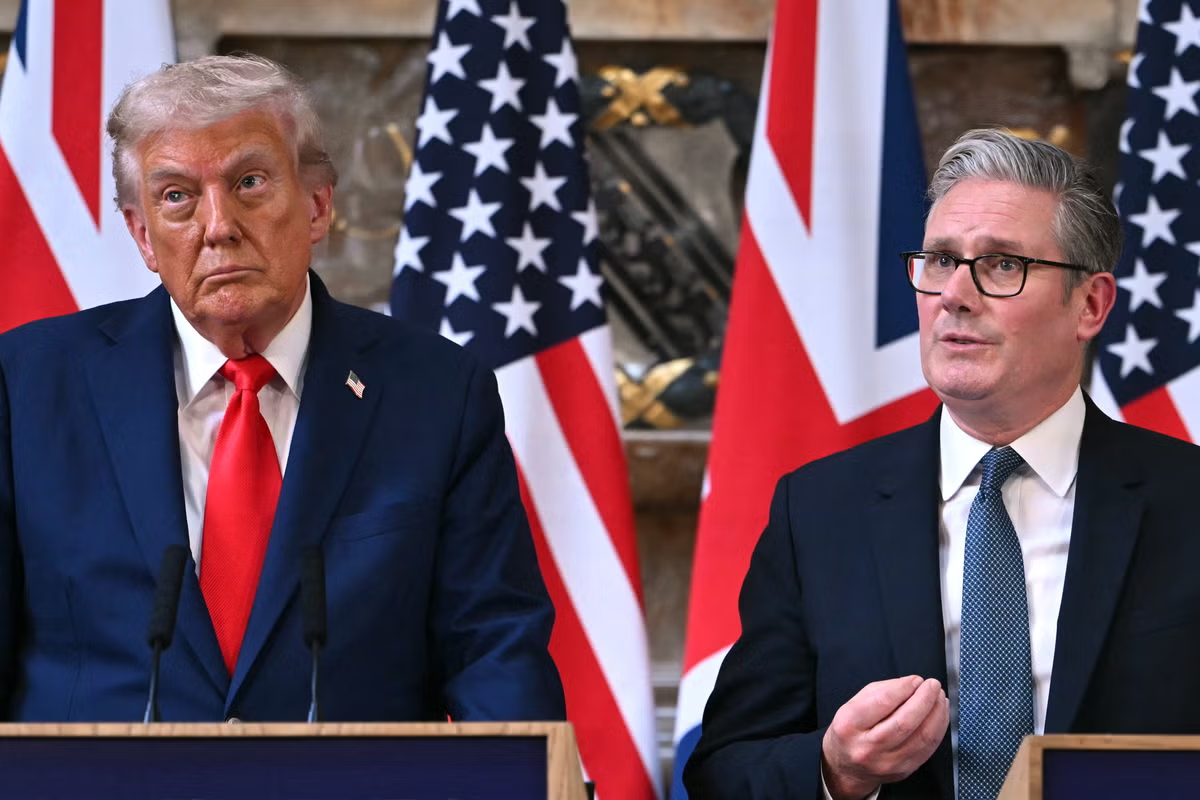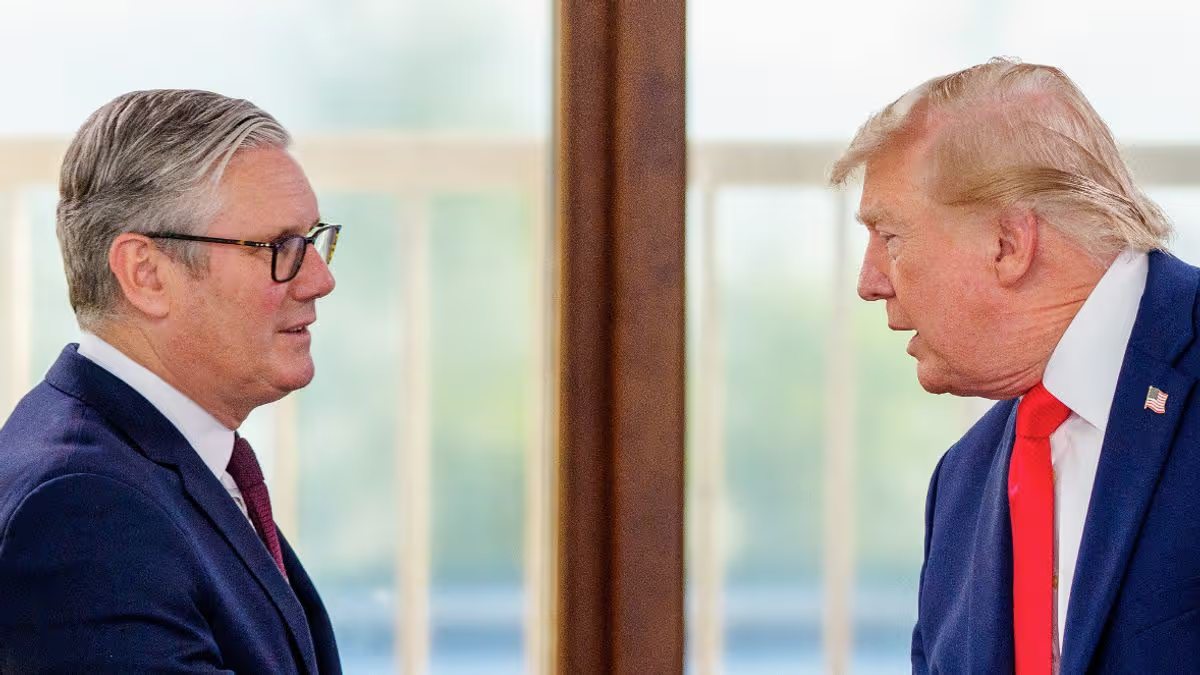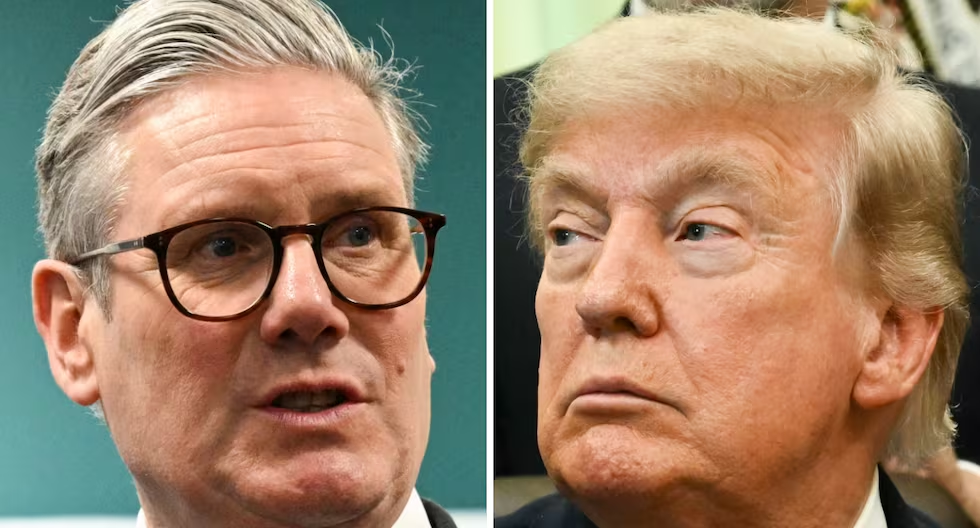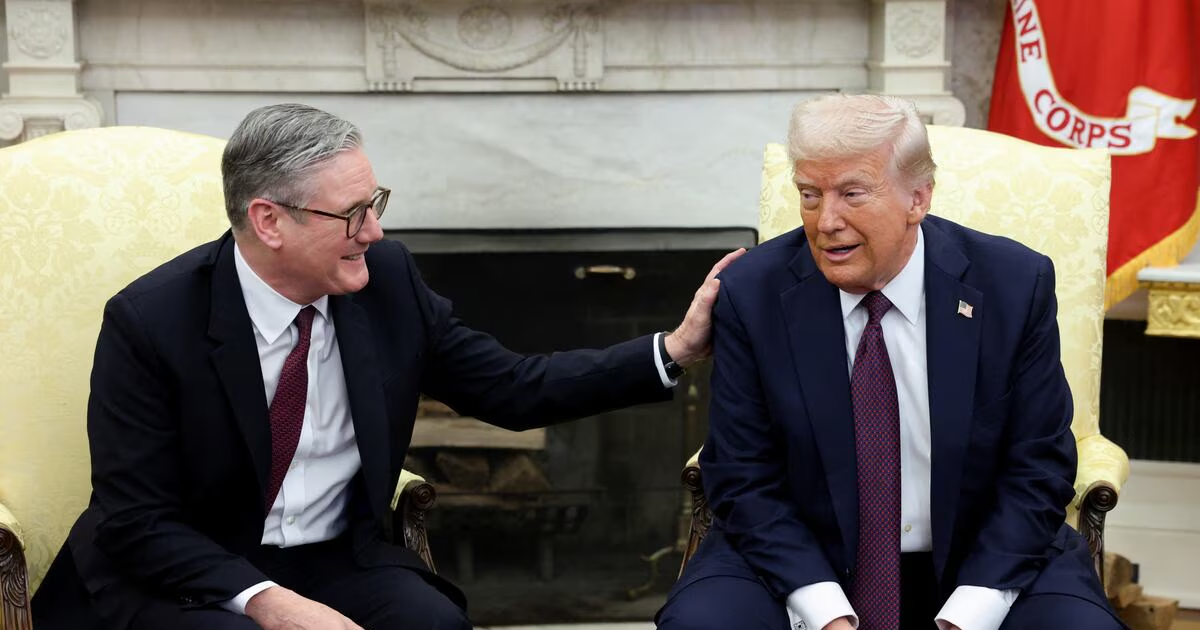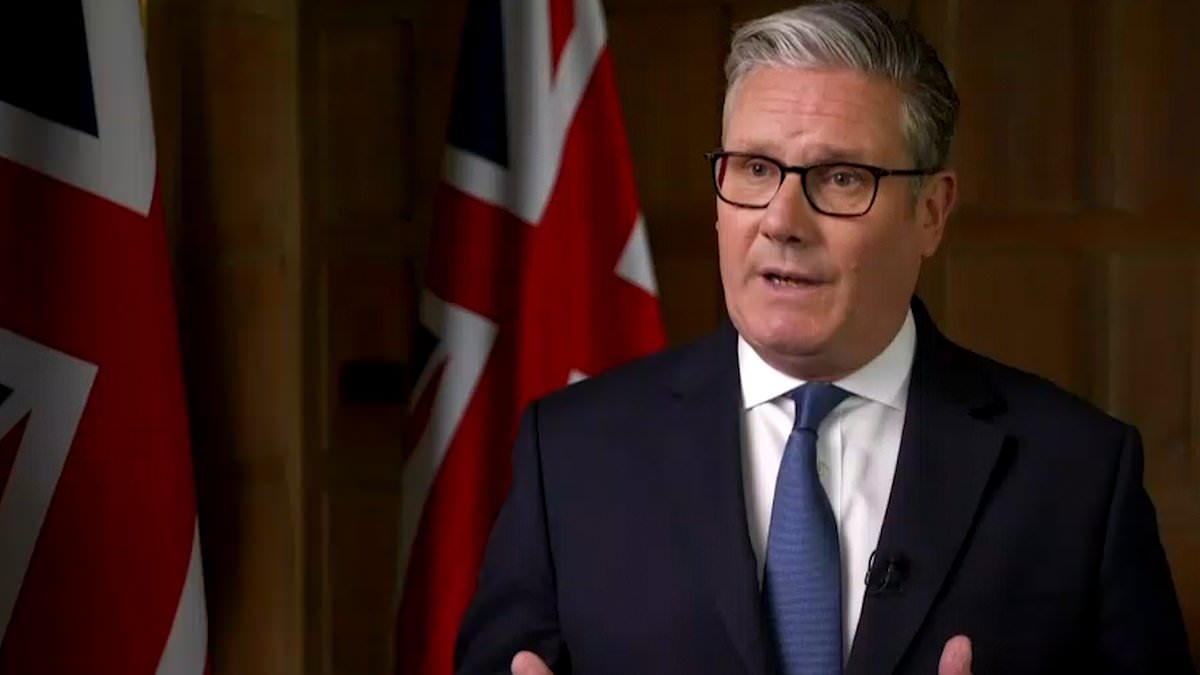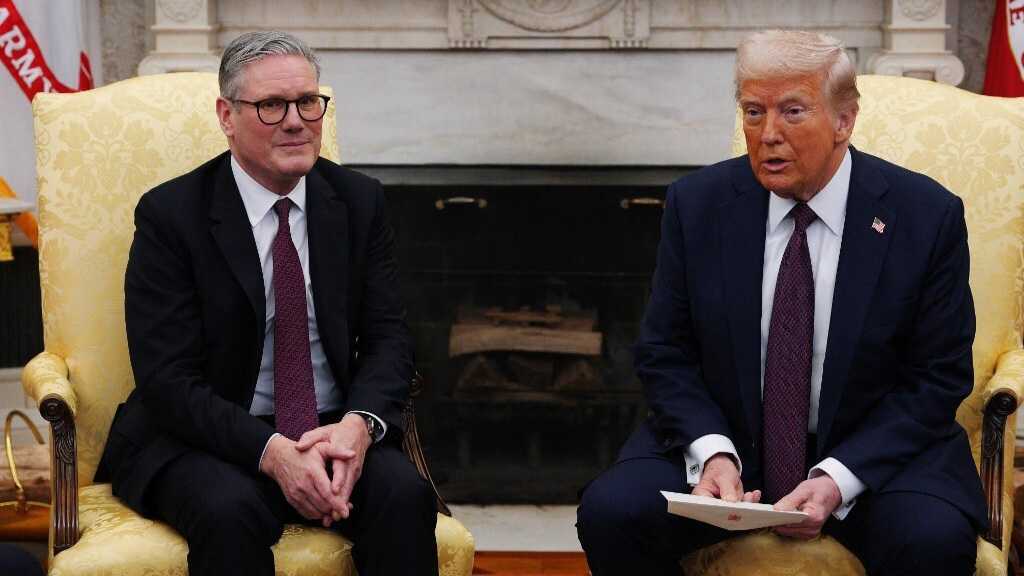
UK Prime Minister Keir Starmer and US President Donald Trump have been in discussions about efforts to bring the Iran conflict to a close, a diplomatic channel that has remained active despite months of visible tension between the two leaders over how the crisis should be handled.
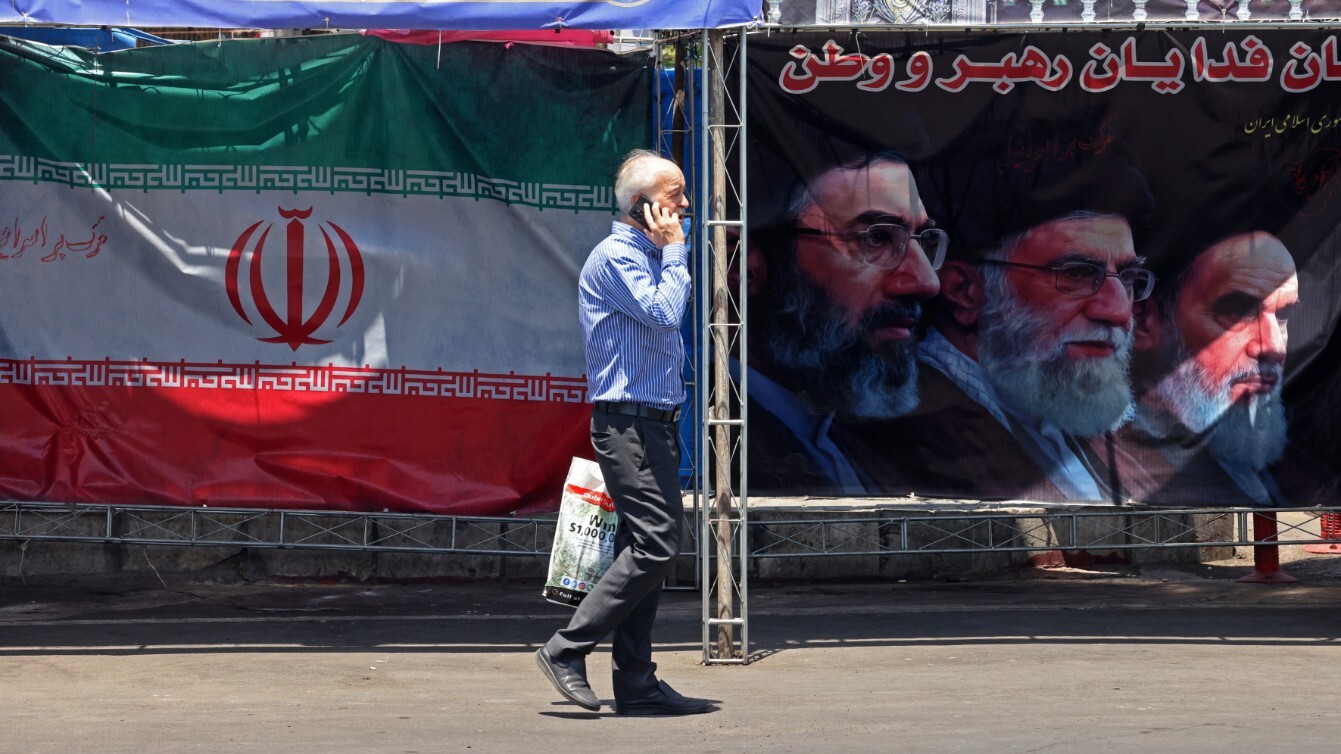
Trump has signaled that a peace deal could be signed “within days,” anchored by what he describes as Iran’s agreement to abandon its nuclear weapons ambitions. If that holds, it would mark the end of a military campaign involving US and Israeli forces that escalated sharply in late February and early March of this year.
A partnership defined by friction
Starmer has publicly rejected joining US-led military operations against Iran on multiple occasions since March. His position has been consistent and blunt: offensive military involvement does not align with British national interests. That refusal extended beyond rhetoric. The UK denied requests for base access and logistical support for the campaign, a move that drew pointed criticism from Washington.
Trump has not been shy about expressing frustration. He has claimed that UK support was lacking precisely when it was needed most. For his part, Starmer has pushed back on certain Trump rhetoric, calling some of it “wrong” ahead of ceasefire talks.