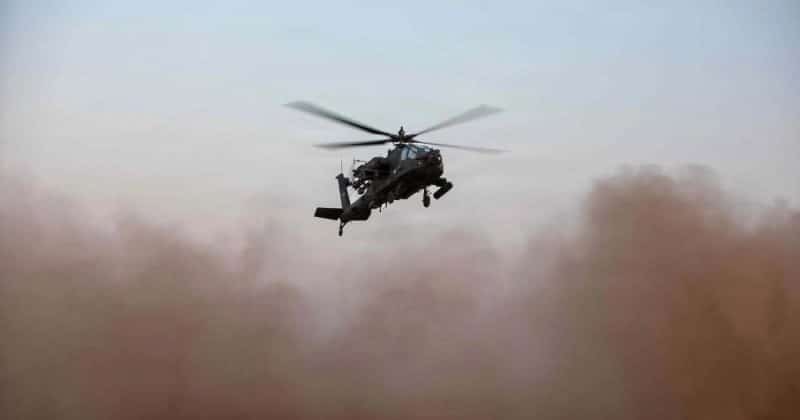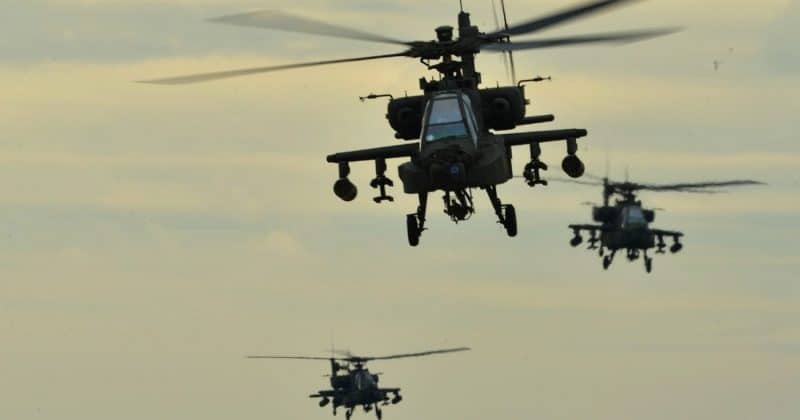
A US Army AH-64 Apache helicopter was shot down near the Strait of Hormuz on June 8, allegedly by an Iranian drone. Two pilots were rescued. And instead of spiraling into full-scale conflict, the incident appears to have done something nobody expected: it made both sides negotiate faster.
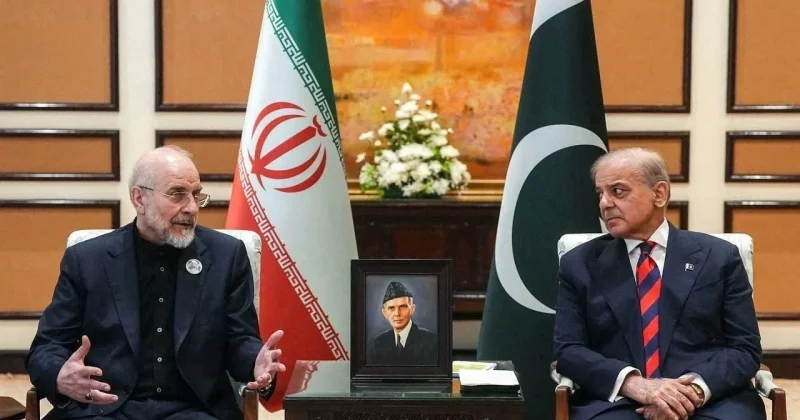
By June 12, reports indicated major progress in peace talks mediated by Pakistan, with officials from both nations working toward a memorandum of understanding.
From missiles to memorandums
Here’s the timeline. On June 8, the Apache went down. By June 9-10, President Trump authorized limited retaliatory strikes on Iranian positions, framing them as self-defense. Iran responded with strikes on US bases in the region. Then, almost as quickly as the shooting started, it stopped.
Pre-incident negotiations had already shown promise. Talks running from May through early June 2026 had covered a proposed 60-day ceasefire, nuclear enrichment concerns, and guaranteed access through the Strait of Hormuz. That last point matters enormously: roughly 20% of the world’s oil passes through that narrow waterway.