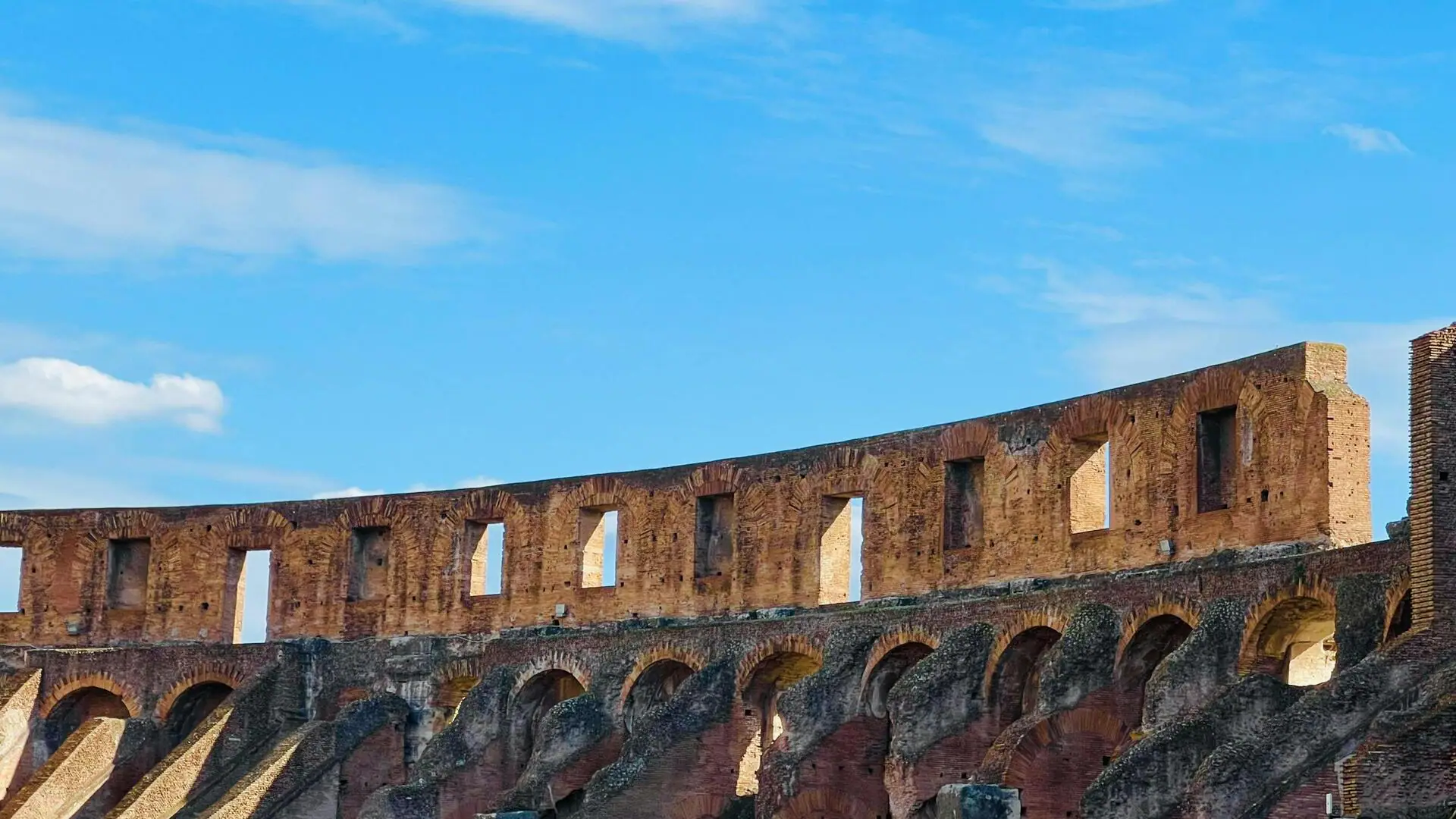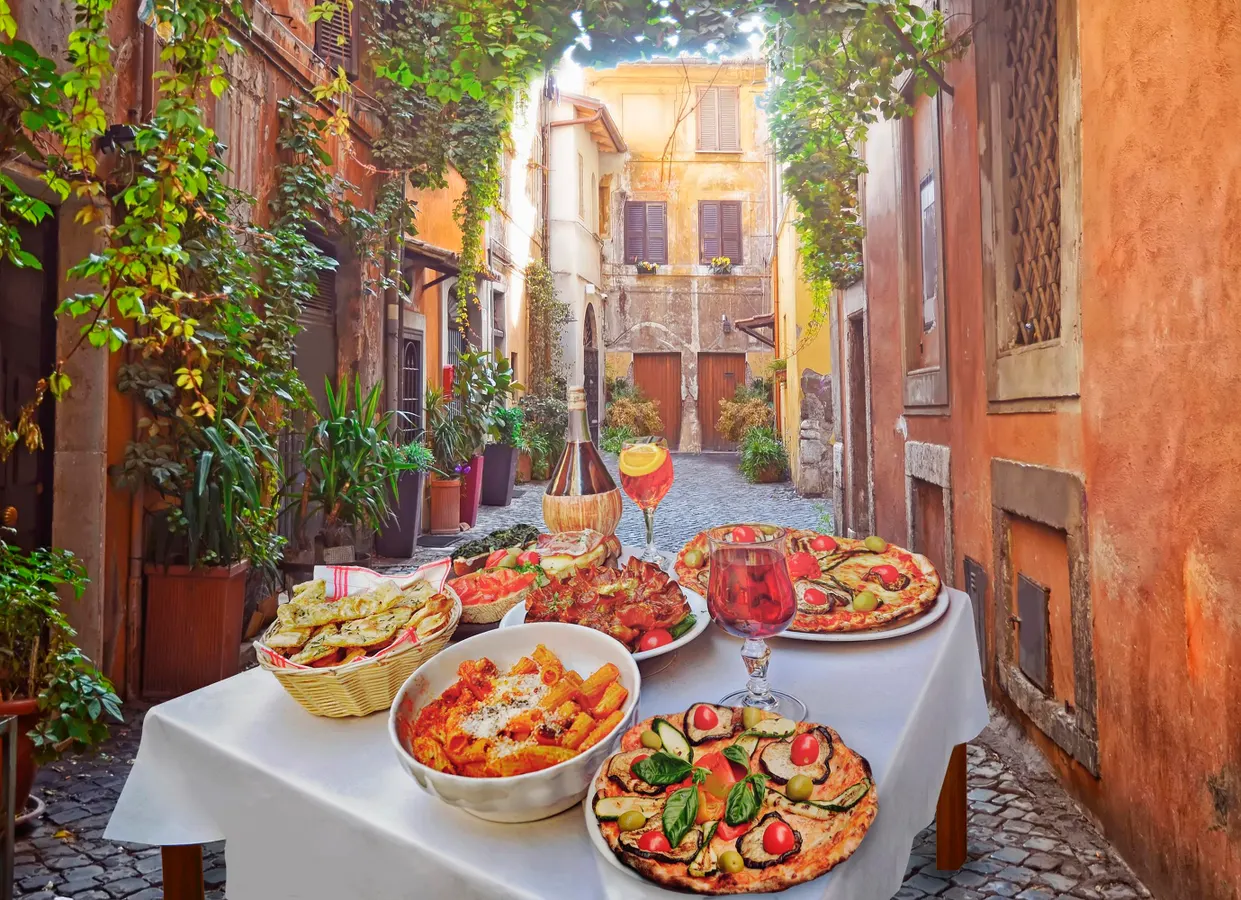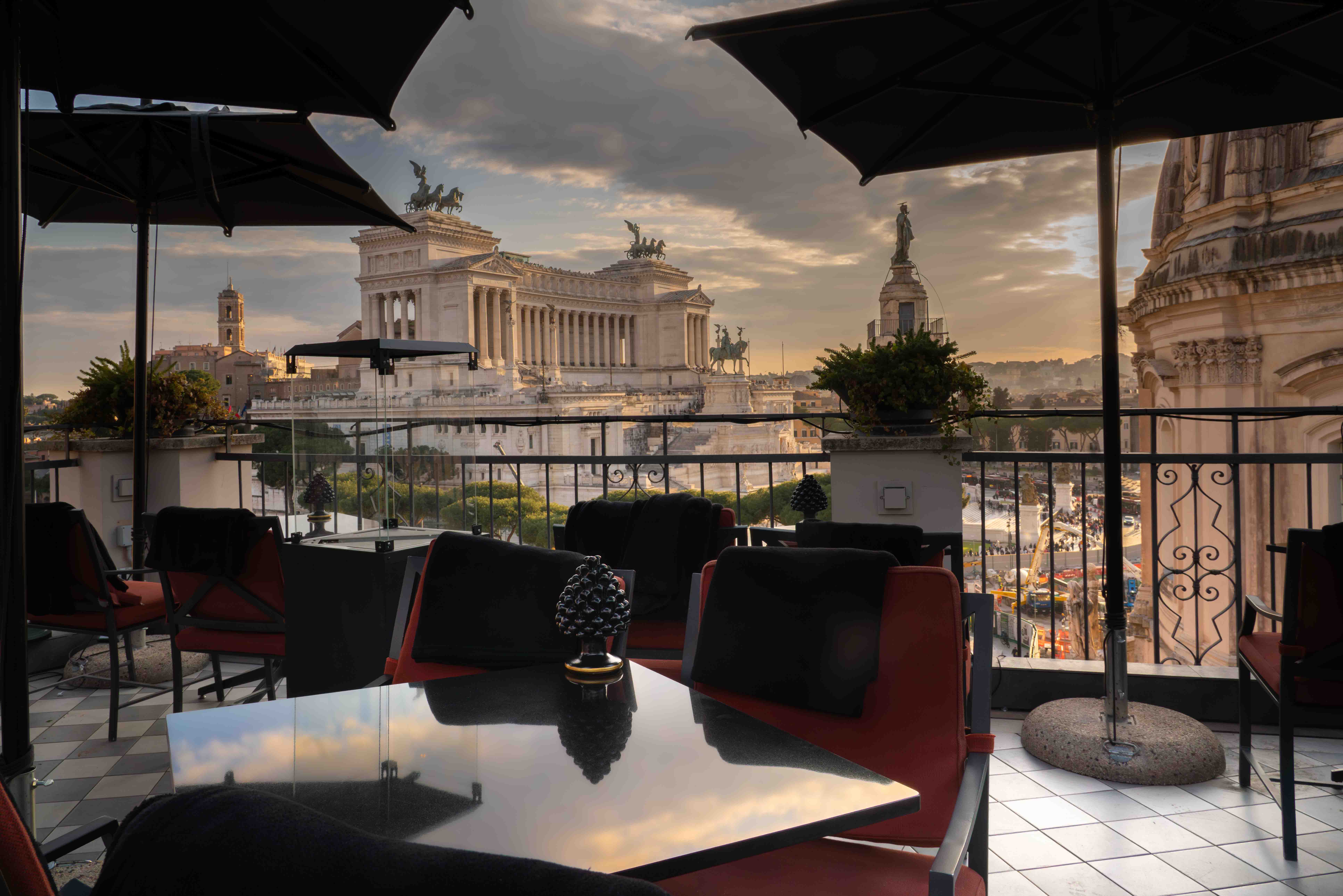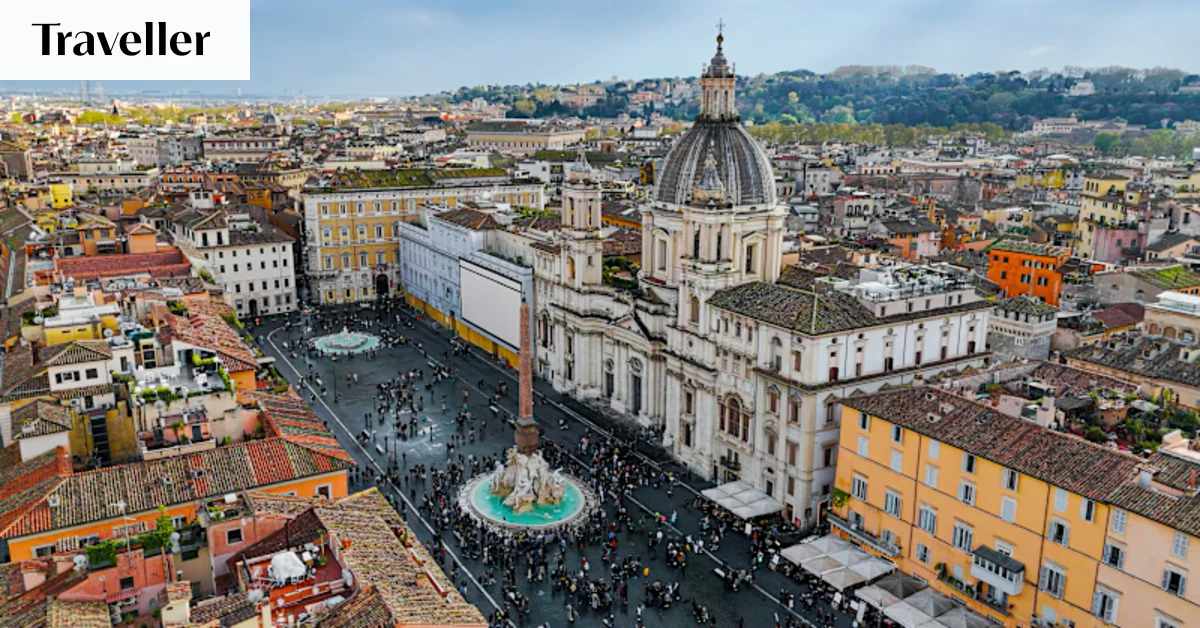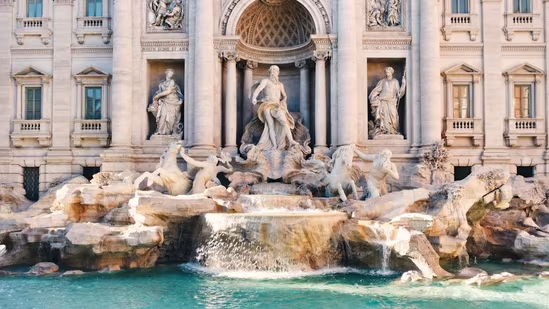
Ask most Indians to name a place in Italy and the chances are that they will say Rome. This is relatively unusual. In other countries it may be such tourist friendly cities as Venice that get mentioned. Or Florence if you are dealing with an art lover. Or Milan, Italy’s fashion capital.The historic Trevi Fountain is one of the popular attractions in Rome. (Unsplash)But for Indians it is always Rome that epitomises Italy. When the Congress’s detractors first tried to draw attention to the fact that the party was led by a foreigner, ‘Rome Raj’ was the term they used even though Sonia Gandhi grew up in Torino not Rome.Perhaps it’s the preponderance of history, myths and legends that surround the city that makes us mention it first. When I was first taken there as a ten-year-old, I solemnly informed my parents that it was the city of wolves because its two founders, we had been taught at school, were wolf-boys. My parents, who were familiar with the legend of Romulus and Remus, stopped me before I could get to Julius Caesar and the gladiators at the Colosseum and continue boring them. This was wise because I had fully intended to entertain them with my rendition of Mark Antony’s ‘Friends, Romans and countrymen’ speech.I must have been a very annoying child but I guess that most Indians still think of Rome through the prism of history. Which is fair enough because it probably has more historical attractions per square mile than any European city. And the Italians are proud and unconflicted about their history compared to say, the French, who will tell you unironically as you visit Versailles “Zis is where ze king live before we keel him…”This makes Rome a lovely historical city. In some ways it is like Delhi without the pollution and the traffic jams caused by VIP movement. It is not a city of skyscrapers that buzzes with business energy. The buildings are usually old and charming. The roads are lined with trees. And there is a historical monument at every corner which the locals don’t even notice because they have grown up with it and because there are bigger better monuments a few minutes away.Also Read | The Taste by Vir Sanghvi: Understanding the elite world of Michelin star restaurantsFor many tourists, the problem with all this is that once you have spent a week here on your first visit you see no reason to come back. You have already seen the Colosseum, you have spent the 30 seconds that tourists are allowed to spend in the Sistine Chapel, thrown a coin into the Trevi Fountain and have posed for a selfie with a dodgy Italian dressed up as a centurion. Why on earth would you want to come to Rome again?In fact, there are many reasons to love Rome, the city, as distinct from the Rome of the Caesars, the tourists and the Holy Father. It has a relaxed vibe, much better food than you might expect, charming neighbourhoods, gorgeous parks and gardens, great art and everywhere you look: Immense beauty.Some of this beauty is in the buildings. Unlike India where most hotels look modern and newly built, everything in Rome looks like it has been around for centuries; probably because it has. The great hotels are located in historical buildings and because they can be luxurious and grand you may miss the layers of history and heritage in each building.We stayed at the Palazzo Naiadi, a grand hotel in the centre of town, which is now run by the Thai Anantara group. The palatial main building opened in 1887 which makes it much older than most Asian hotels anyway. But that is just the first layer of history. If you look around the property you find that it includes a medieval structure with a timber roof. This was built in 1705 by Pope Clement’s architects as a granary.This is stunning enough till you get to the basement and discover that it was part of the ancient baths of Diocletian, built in 298 AD. The Romans loved going to public bath houses which were watered by natural springs and the Diocletian Baths were among the largest in the Roman Empire. Anantara has preserved the surviving parts of the baths and it is sobering to think - especially when you are soaping yourself in one of the hotel’s luxurious bath tubs - that over 2,000 years ago ancient Romans were doing the same thing as you at the same spot.There is always a sense of awe that overcomes you when you stay in a building like this. But Anantara is relaxed about the hotel’s heritage and though the ethos is determinedly European, it has managed to impose Thai/Asian service standards on its staff which must be hell to do in Italy. The hotel’s primary restaurant Ineo is Michelin-starred and the chef merges the techniques of French cuisine with international influences. And there is the rooftop Seen restaurant which is a Zuma-type modern Japanese place with a bar vibe.The concierge directed me to the many restaurants in the area and though Rome now offers lots of spicy Asian options, I stuck to the dishes that made Rome famous: The rectangular pizza which differs significantly from the Naples pizza and four great Roman pastas: Cacio e pepe, amatriciana, carbonara and alla gricia.What I enjoyed the most though was a relaxed amble through Rome’s residential neighbourhoods by buggy. It was the hotel which suggested it. I had no idea that golf carts were allowed on the public roads in Rome but the hotel found us a guy who took us on a lazy trip around Rome. We stopped at local pastry shops, churches, cafes and places that tourists don’t always go to. Why a golf cart and not a car?Well, because it seemed a little more like walking because the buggy was more open and you felt more connected to your surroundings.My wife’s favourite part of Rome was, of course, the art. She is the sort of person who has never met a museum she did not fall in love with and so Rome was perfect for her. Both the museums she liked the most were in the sprawling Villa Borghese complex.She wanted to get into the Galleria Borghese which is booked out weeks in advance and though we failed to find a ticket on the site, the concierge at Anantara got us in. The sculptures by Gian Lorenzo Bernini were stunning and I could see why everyone wanted to get in. But personally, I preferred the National Gallery of Modern Art also in the garden complex which was less crowded despite its spectacular paintings.All of Italy is now over-touristed and crowds throng most of the famous places. But, compared to Venice and Florence, Rome is still relatively manageable. Once you have got the Vatican and the Colosseum out of the way, that’s when you will really start to enjoy the city.
The Taste by Vir Sanghvi: Rediscovering the old-world charm of Rome and its heritage
Many tourists might visit Rome for a week and think they have no reason to come back. However, the real magic lies in discovering the city's rich heritage.
1,164 words~5 min read