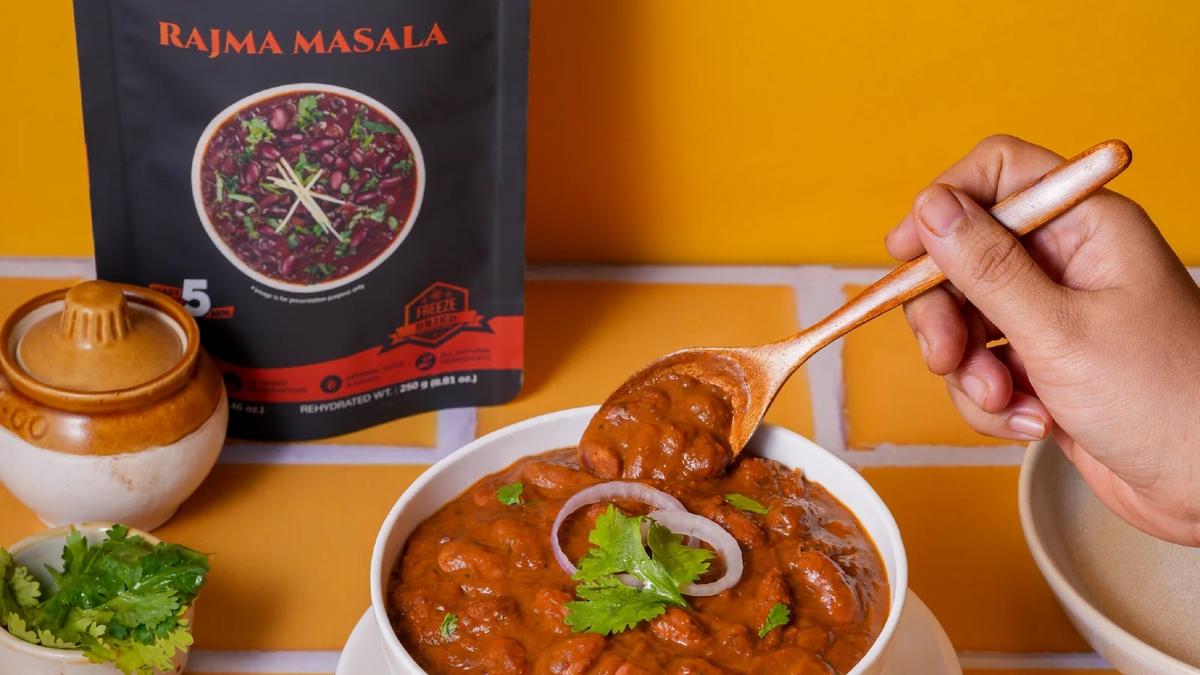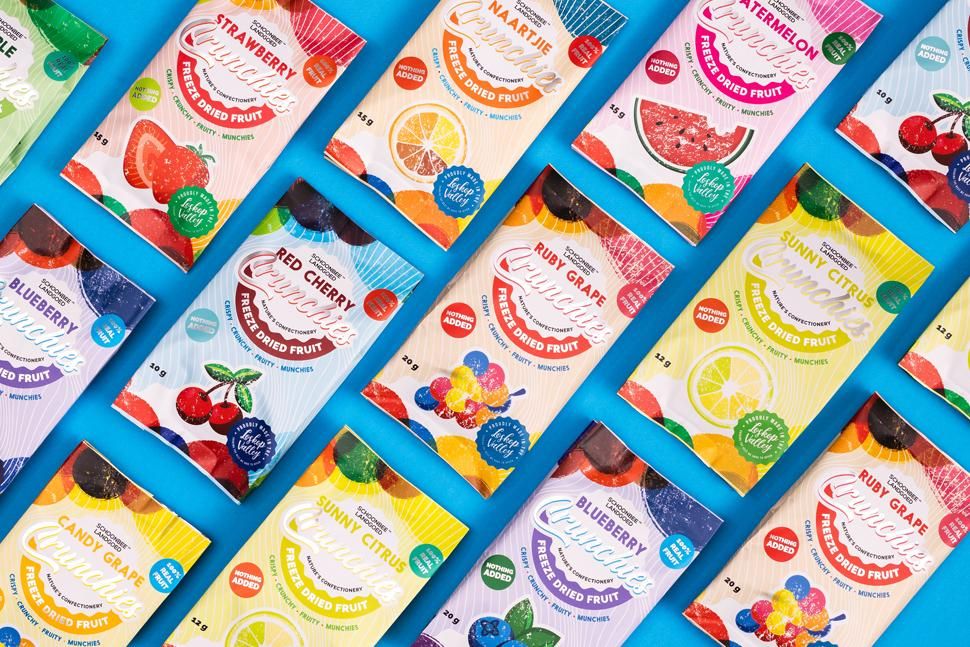
Freeze-dried products are lighter, easier to carry and can remain shelf-stable for months without preservatives.
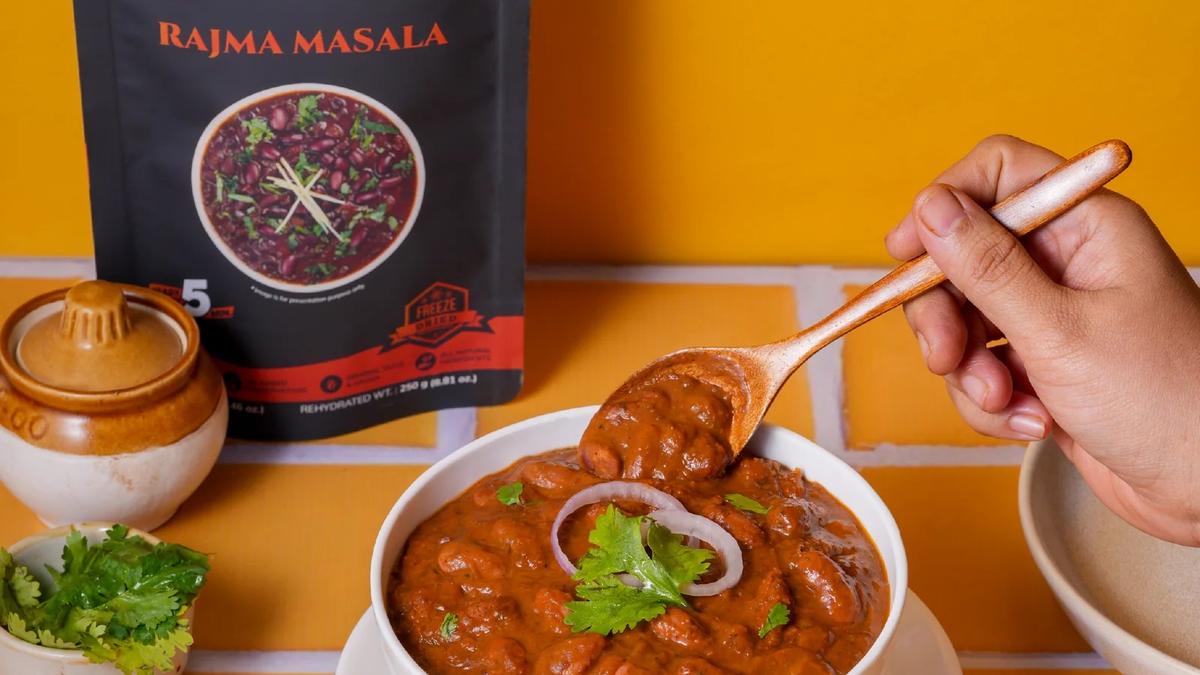
School friends Rahul Jain, Pranit Shah and Monish Agarwal had spent months planning a long-overdue reunion in the Swiss Alps. Their itinerary included luxury resorts in Bürgenstock, Gstaad and St. Moritz, where suites cost thousands of dollars a night. Yet as departure approached, their worry wasn’t about flights, hotels or sightseeing. It was food.For generations, Indians, finicky about onion, garlic and presence of lard, solved that problem by packing theplas, homemade mixes and carefully prepared meals before a journey. Now, a small ecosystem of start-ups has commercialised the homemade travel hack. The companies including Surat-based Bowlful Foods, Rohini-based Dryfii in Delhi and Mumbai’s Bombay Tiffin Co. are betting on freeze-drying technology to create lightweight, shelf-stable meals ranging from sambar, lemon rice and idli-based dishes to rajma chawal and Jain-friendly gravies.Lighter & easierUnlike the retort-processed ready-to-eat meals sold by companies such as MTR, Haldiram’s and ITC, freeze-dried products are lighter, easier to carry and can remain shelf-stable for months without preservatives.“We initially saw demand from consumers with very specific dietary requirements, but repeat orders showed the need was much broader,” Aayushi Jain, Co-founder of Sonipat-based DryM Foods, told businessline. “Students, professionals and families abroad were all looking for familiar food,” she said, describing how the market was bigger than the niche communities they initially targeted.While the established food giants built their businesses through distributors and supermarket shelves, the challengers are taking a different route. They sell through Instagram reels, WhatsApp groups, Facebook travel communities and diaspora networks, where trust often matters more than brand size and recommendations travel faster than products.Growing marketThe opportunity is growing. India’s freeze-dried food market, estimated at $109 million in 2025, is projected to reach $315 million by 2033, aided by rising outbound travel, student migration and a growing diaspora.The menus increasingly reflect that ambition. Beyond meals, some brands now sell products such as ready-to-eat paan, recognising that for many Indians abroad, the demand extends beyond nutrition to the small rituals of home.The category is also moving beyond online sales. Companies are exploring travel retail, airline catering and institutional channels. DryM has already secured business with IRCTC’s premium train services, including potentially servicing Vande Bharat and other premium trains .“What started as a travel use case is evolving into a much larger mobility category,” Jain said. “The more people move across cities and countries, the more relevant these products become.”Published on June 13, 2026