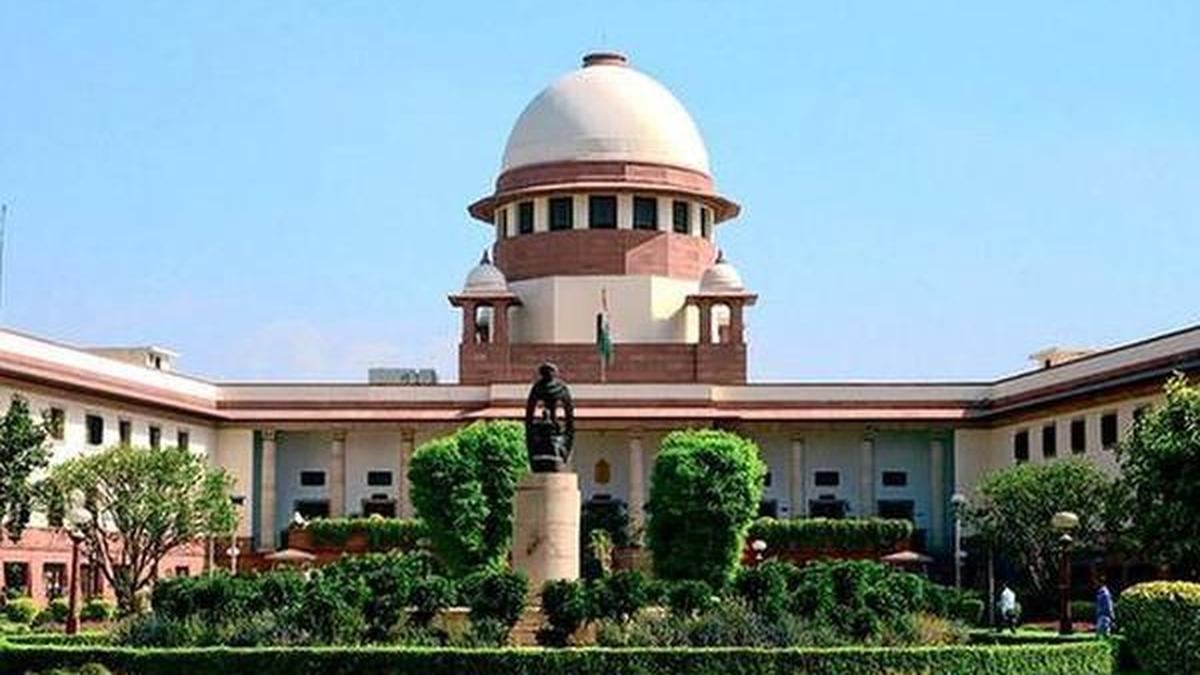
The Supreme Court’s intervention in the West Bengal SIR dispute must not be so deep as to adversely affect the electoral process.
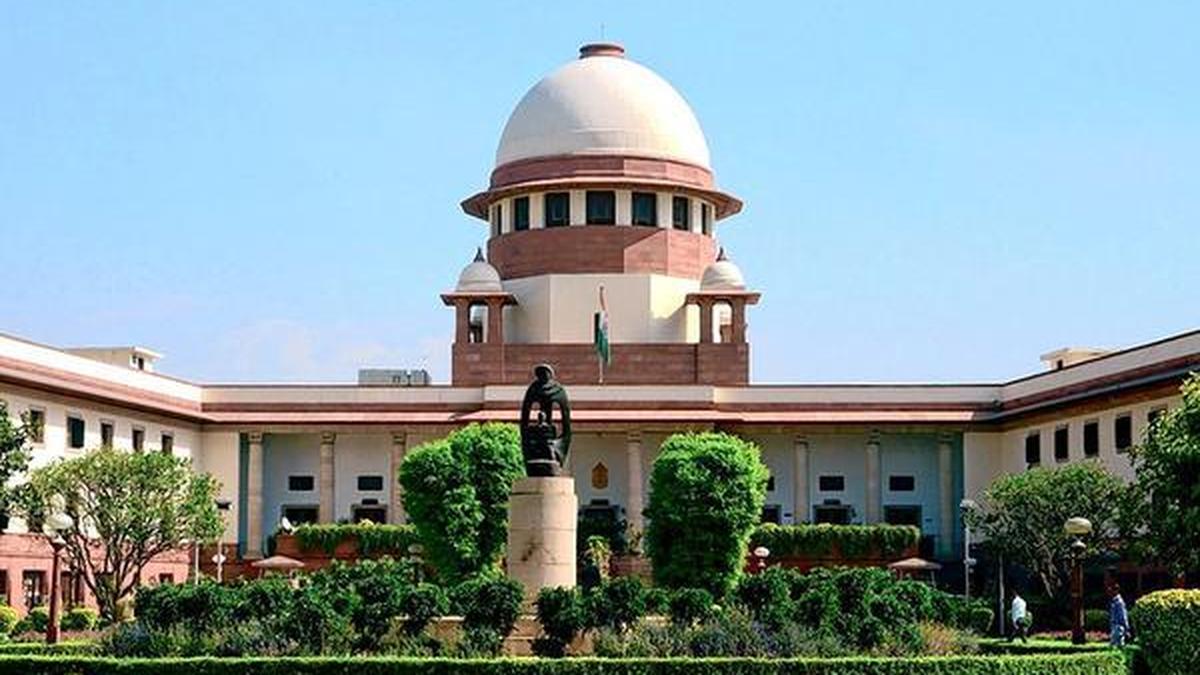
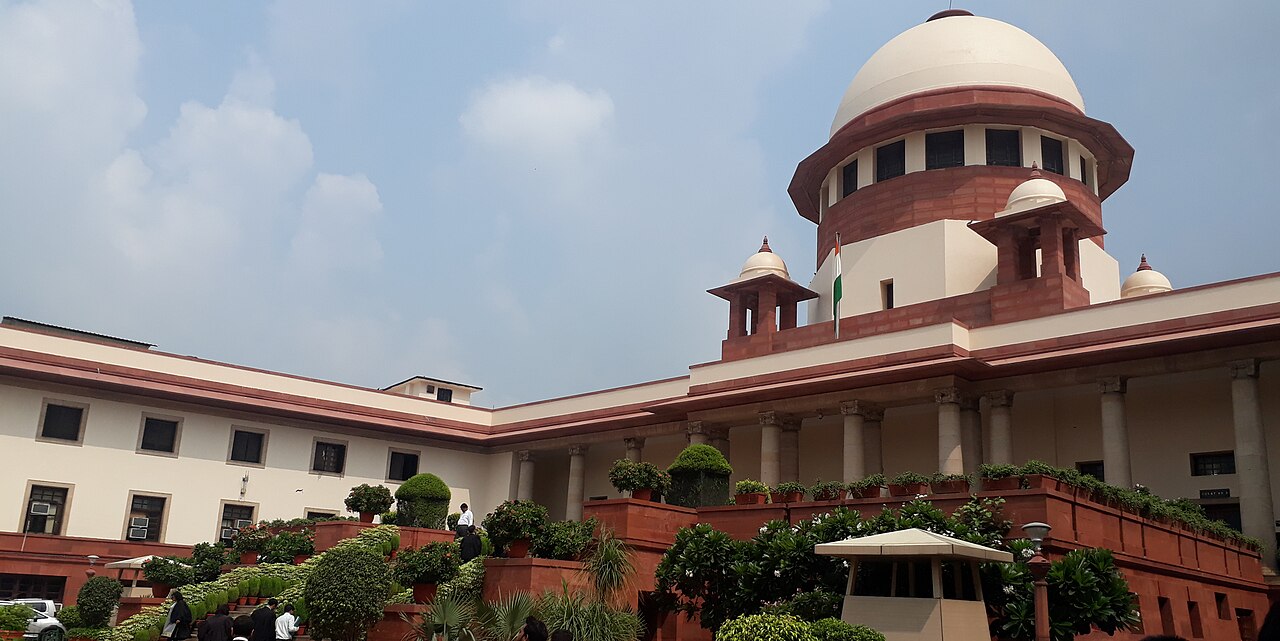
When two constitutional authorities are in dispute, the objective must be institutional balance, not institutional dominance. Wikimedia Commons, Share Alike 4.0 International.
The Supreme Court’s intervention in the West Bengal SIR dispute must not be so deep as to adversely affect the electoral process.
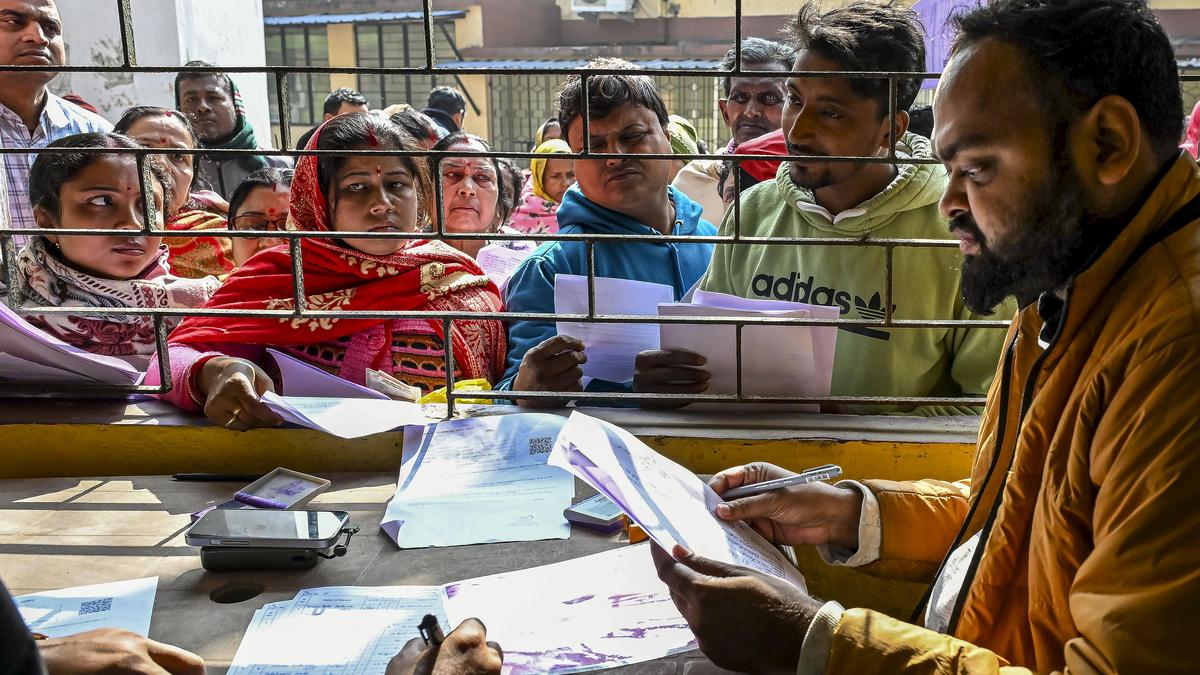
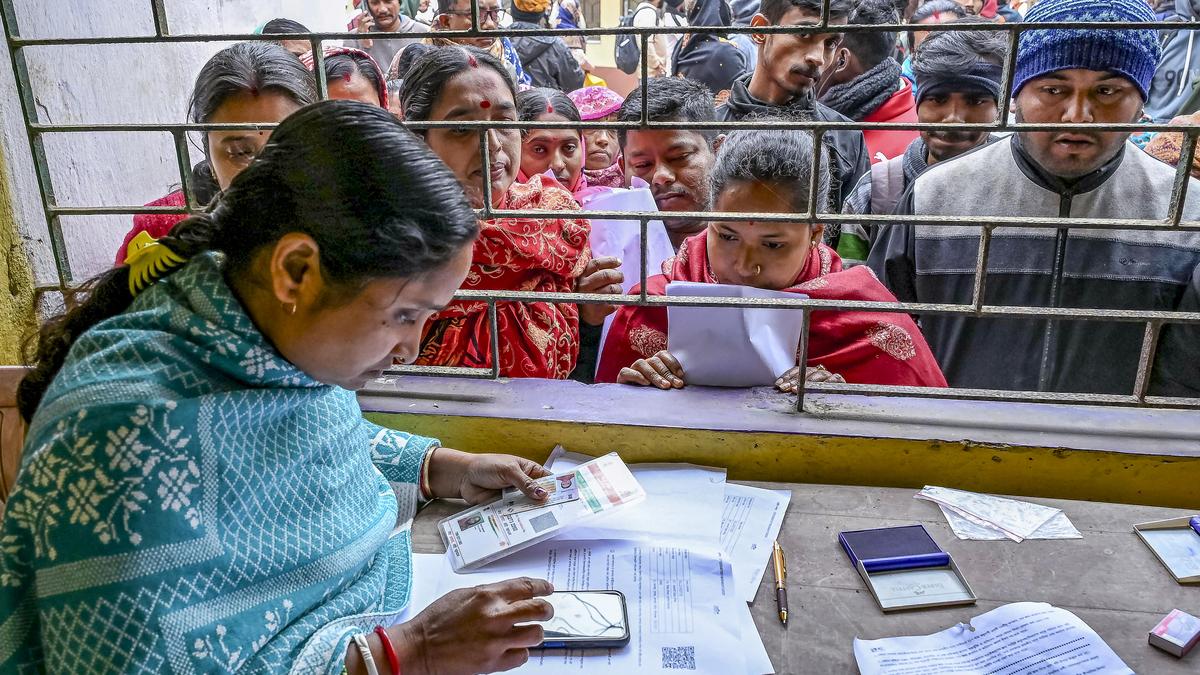
It is unsettling to watch a sitting chief minister argue an election-related dispute before the Supreme Court (SC). Armed with a law degree and decades of political experience, West Bengal Chief Minister Mamata Banerjee appeared before a bench headed by Chief Justice Surya Kant to contest the Election Commission’s conduct of the Special Intensive Revision of electoral rolls ahead of the 2026 state assembly elections. This is not merely a political moment. It is a constitutional one.
Beyond the political controversy lies a deeper and more enduring question: can courts correct electoral wrongs without assuming control over electoral processes themselves? What is at stake is not just a state election, but the delicate equilibrium between judicial review, electoral autonomy and democratic legitimacy.