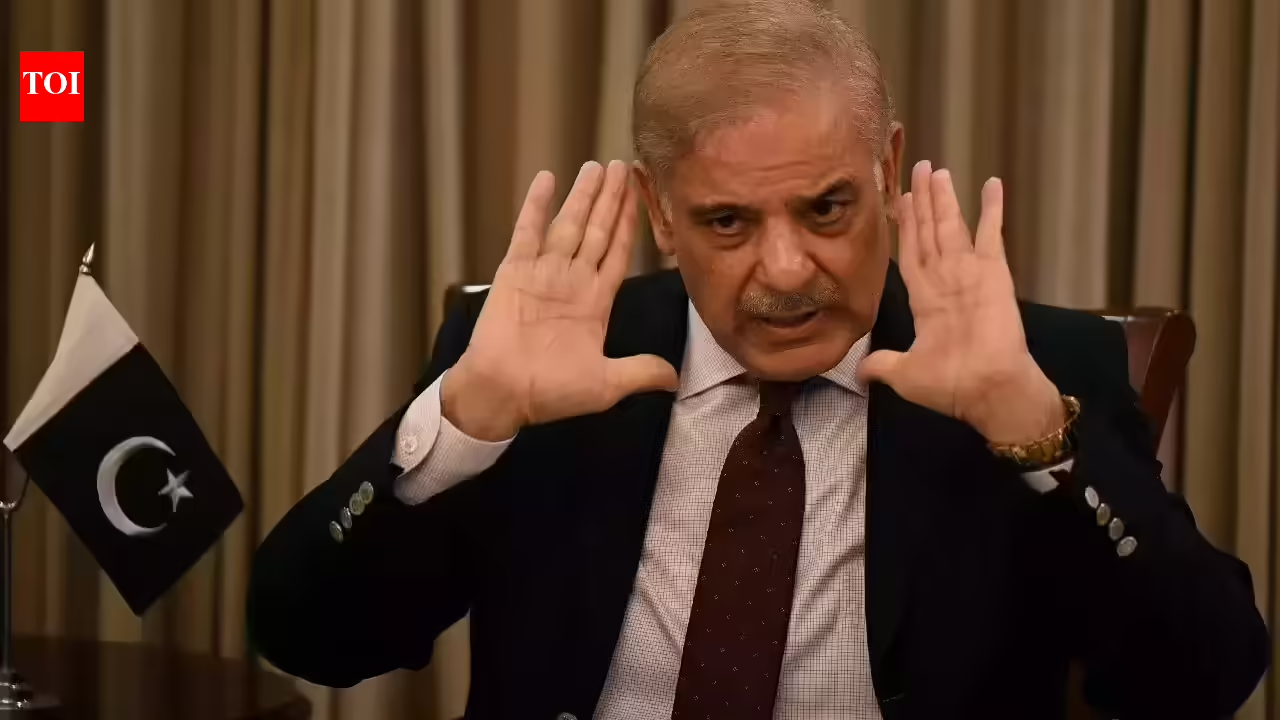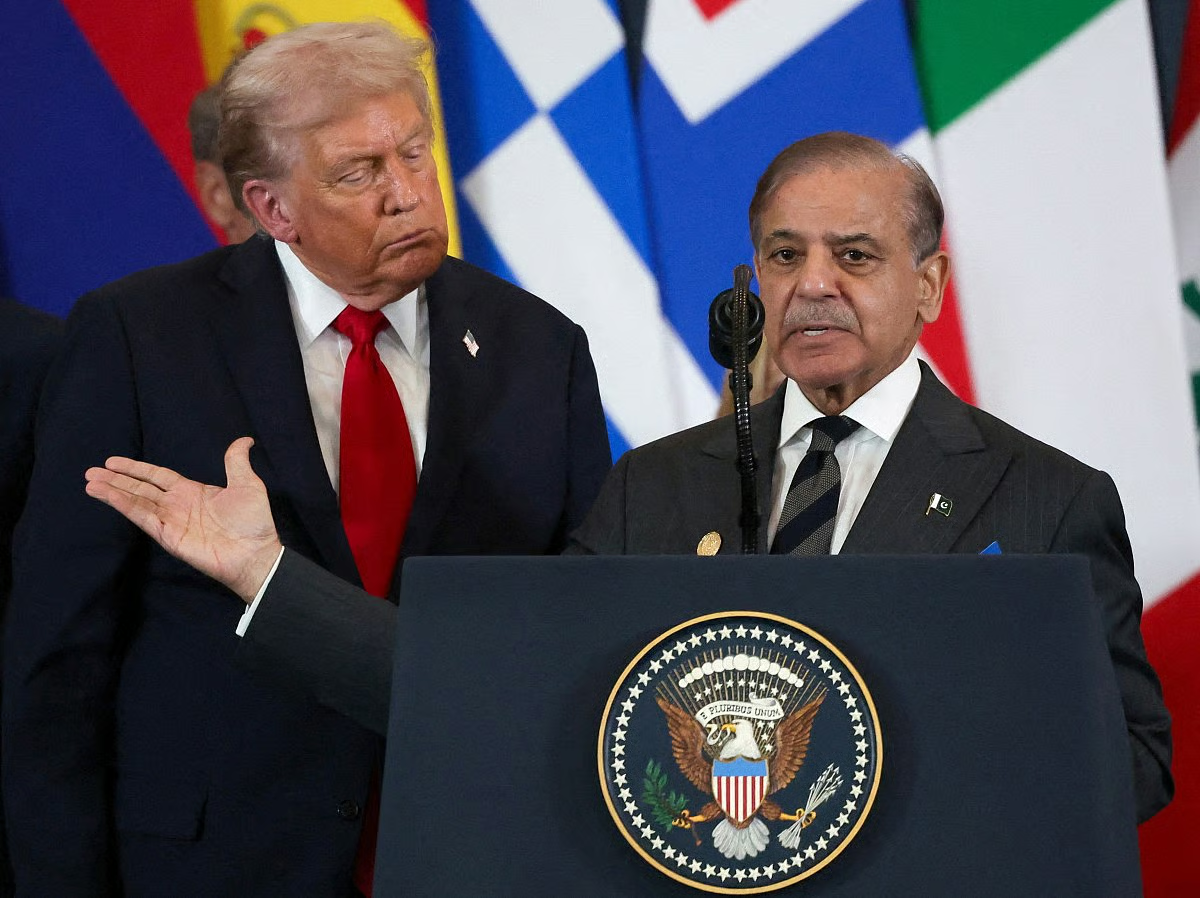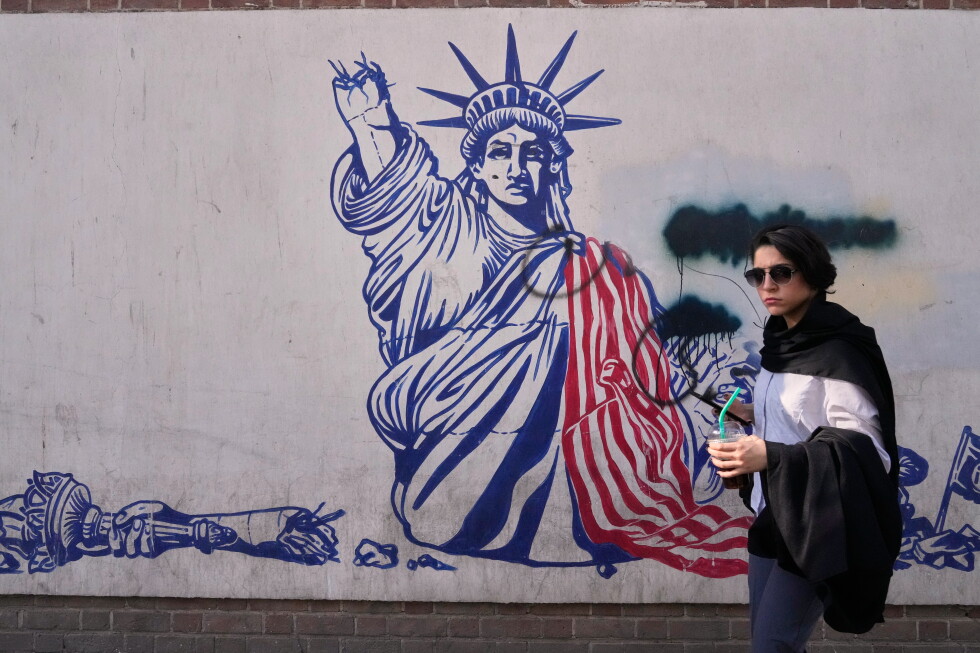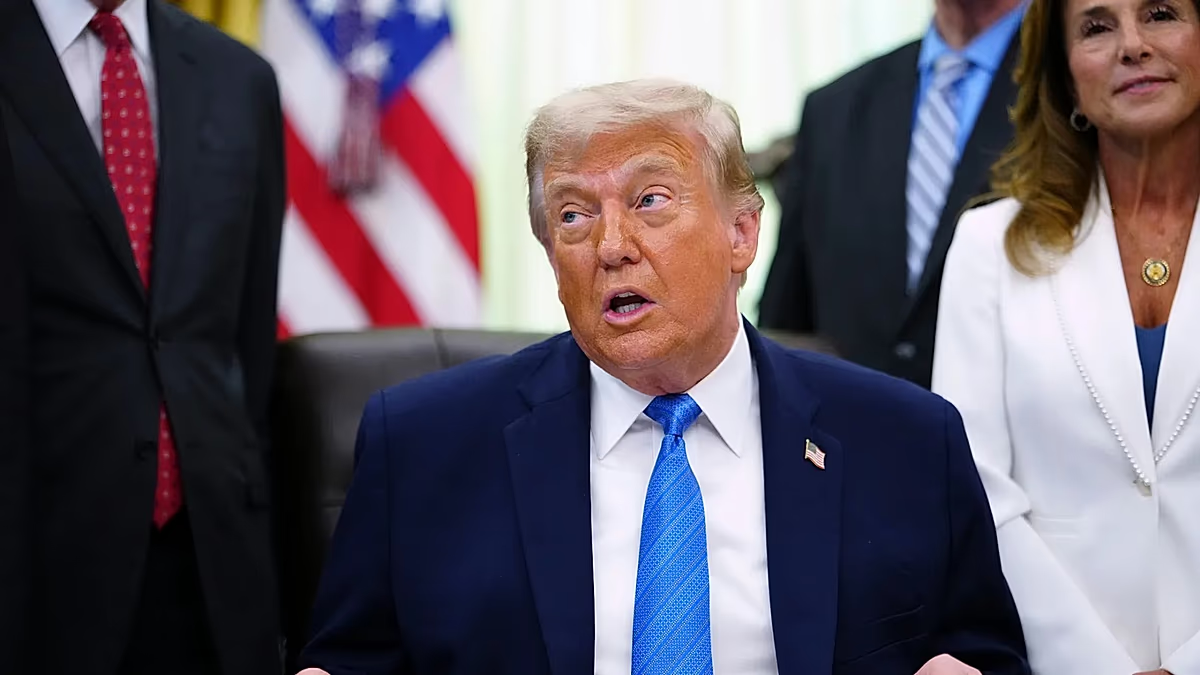
A social media post by Pakistani Prime Minister Shehbaz Sharif set a 24-hour clock ticking on July 13 as he said a deal between Washington and Tehran was closer “than ever before,” but the fragility of the cease-fire in the Middle East was underlined by further clashes in Lebanon and a reported strike on a tanker in the Strait of Hormuz.Meanwhile reports by Iranian news agencies cast doubt on Sharif’s timeline by quoting a Foreign Ministry spokesman as saying the signing of a deal “will not be tomorrow.”
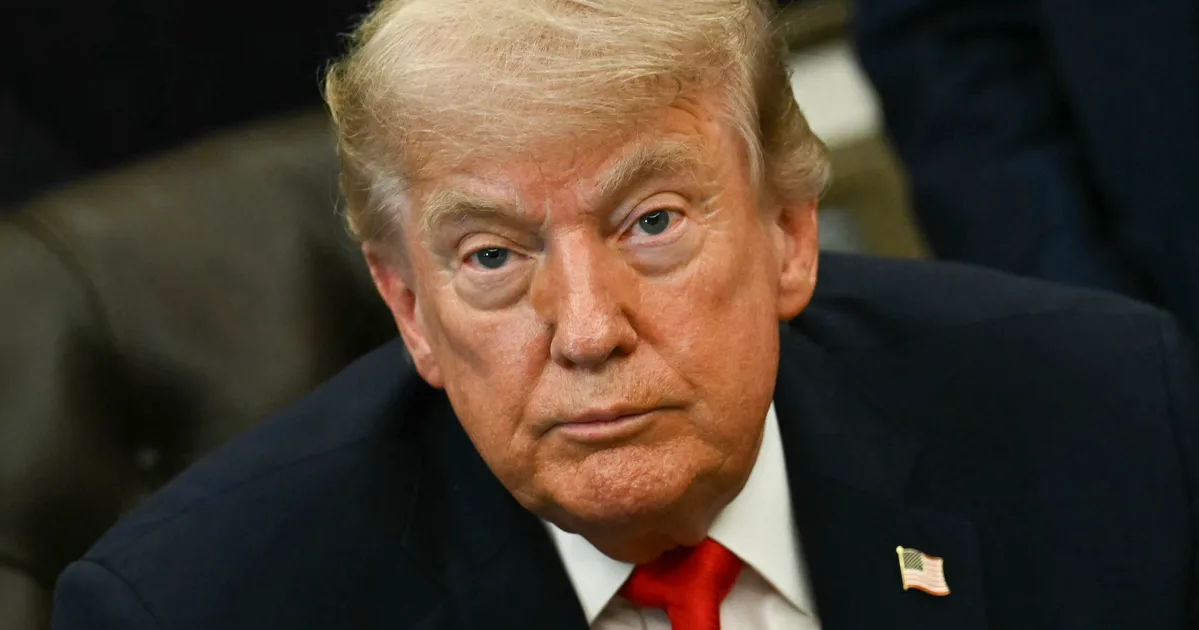
Sharif’s remarks followed a slew of statements, posts, and comments the previous day by top officials on both sides of the conflict, including US President Donald Trump and Iranian Foreign Minister Abbas Araqchi, indicating diplomatic progress.Officials in Washington had also briefed RFE/RL that a deal was coming together.But there have been false dawns before in the twisting course of the conflict that began with US and Israeli air strikes on Iran on February 28.
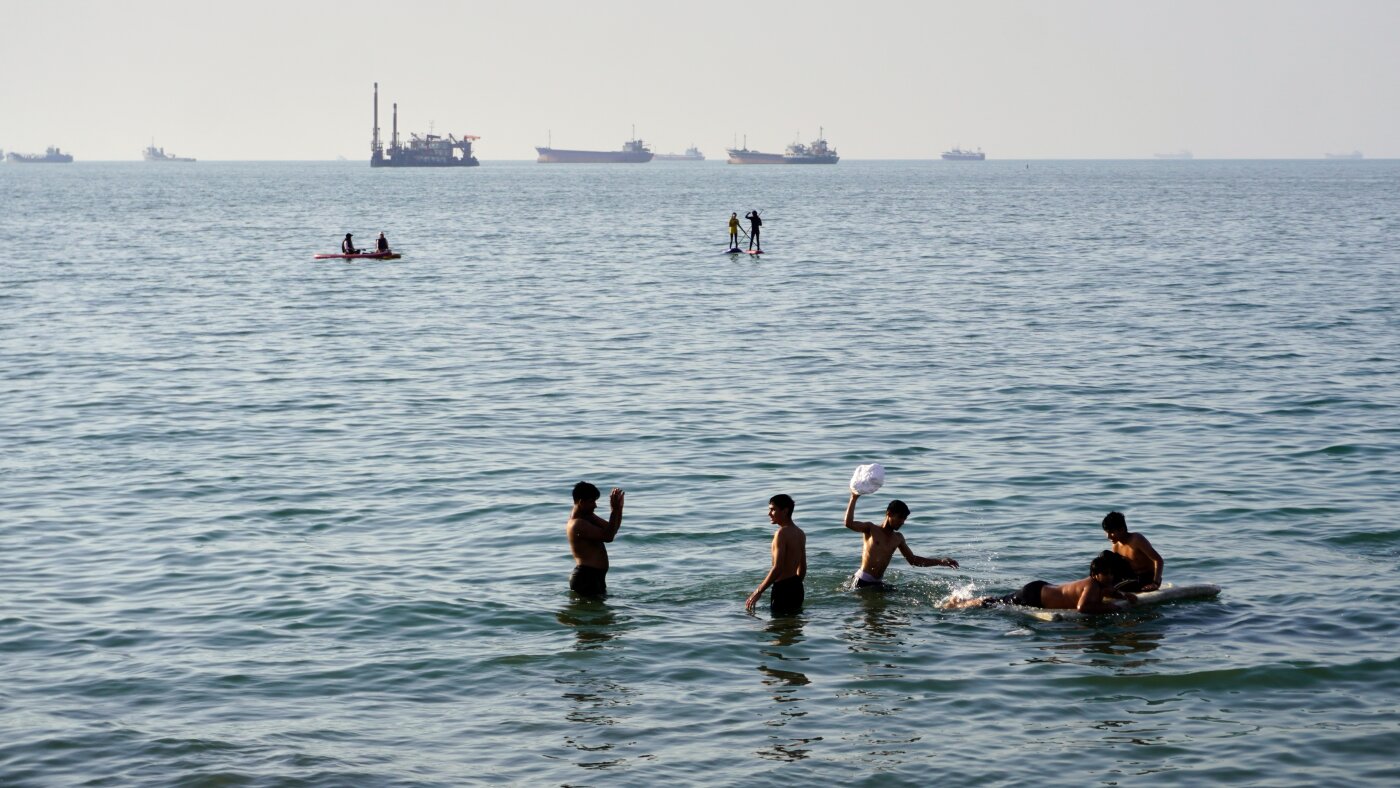
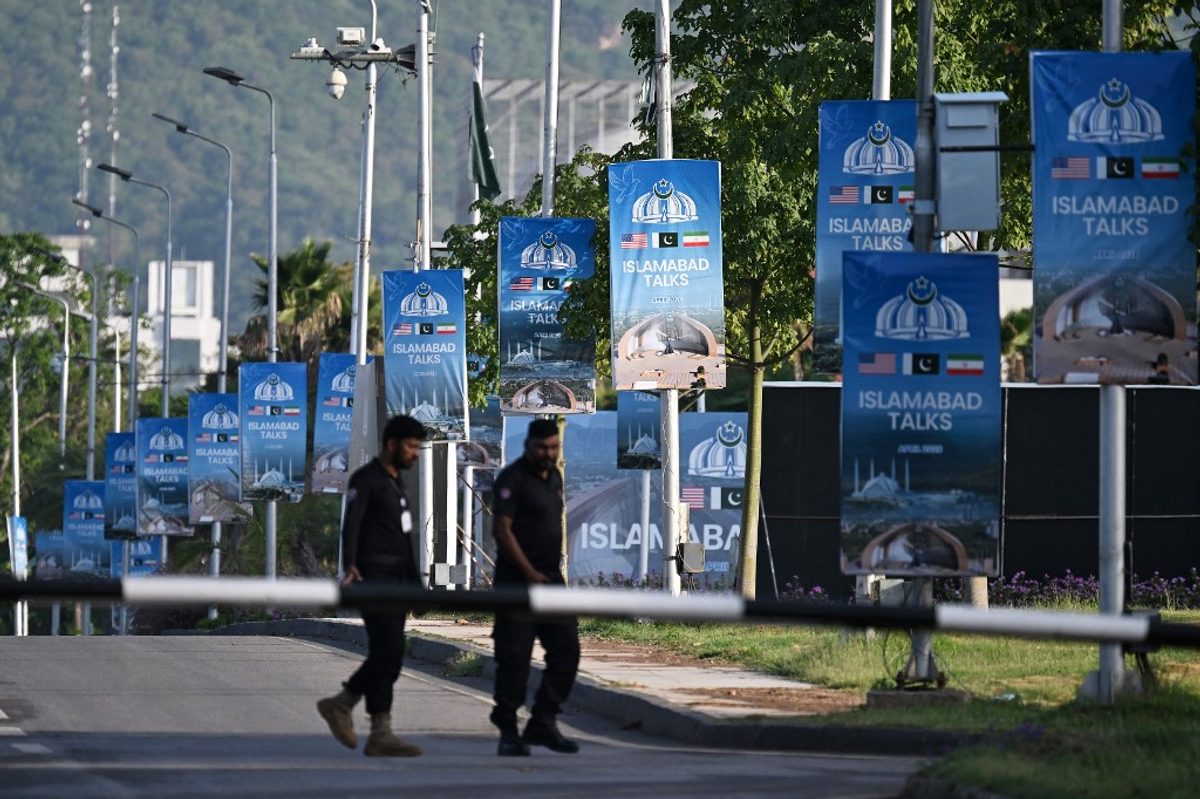
Previous optimism has dissipated amid a series of recent breaches of the cease-fire that began on April 8 and a return to belligerent rhetoric from key players.More kinetic activity was reported on June 13. The United Kingdom Maritime Trade Operations (UKMTO), a shipping security monitor, reported that a tanker had been hit by an unknown projectile off the coast of Oman overnight.“The crew are reported safe,” it said. “Vessels are advised to transit with caution.”Meanwhile the Israeli Defense Forces (IDF) pounded targets in Lebanon where they are fighting Hezbollah, an Iranian proxy regarded by both Israel and the United States as a terrorist organization. The IDF also reported incoming fire and sirens wailed in northern Israel.Senior Iranian officials have repeatedly said that a deal with Washington must include a truce in Lebanon.Countdown To A DealUS and Iranian negotiators have not met since they held direct talks in Islamabad, Pakistan, on April 11-12. Those talks ended without an agreement but in the two months since then the two sides have been exchanging messages aimed at drawing up a Memorandum of Understanding (MoU) via Pakistani mediators.Given Pakistan’s central role, Sharif’s comments have attracted a lot of attention.“A final, agreed upon text of the peace deal has been reached,” he wrote on social media on June 12. “Pakistan is now working closely with both sides to finalize the next steps.”One of the “next steps” that Sharif mentioned appears to be where and how the MoU is signed.“Pakistan is preparing for the electronic signing of the peace deal immediately after, followed by technical level talks next week,” Sharif wrote on June 13, in another post that said “finalization” was expected within 24 hours.But Iranian Foreign Ministry spokesman Esmail Baqaei subsequently suggested that the process may take longer.“The exact time of signing the memorandum will not be tomorrow,” he said less than two hours after Sharif's comments, according to the semiofficial Tasnim news agency. “Because of the other side’s hesitancy, we must be cautious in making any statements about this process.”