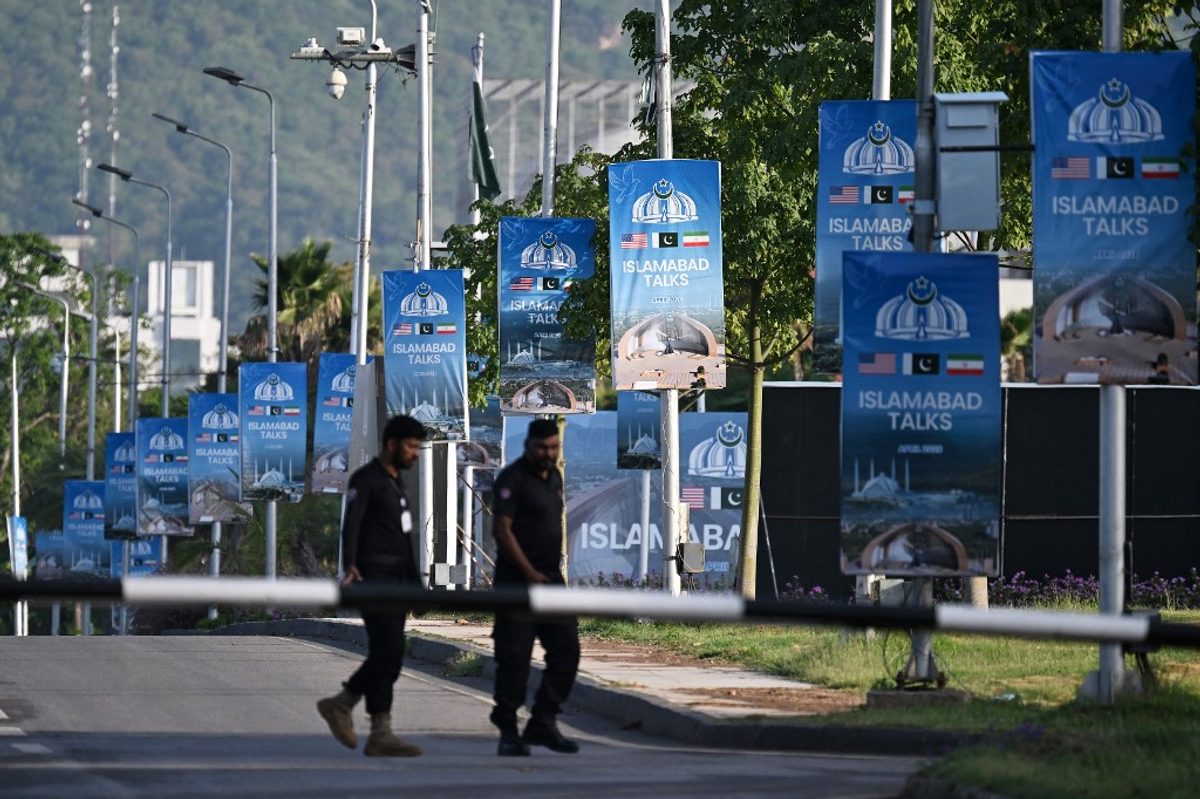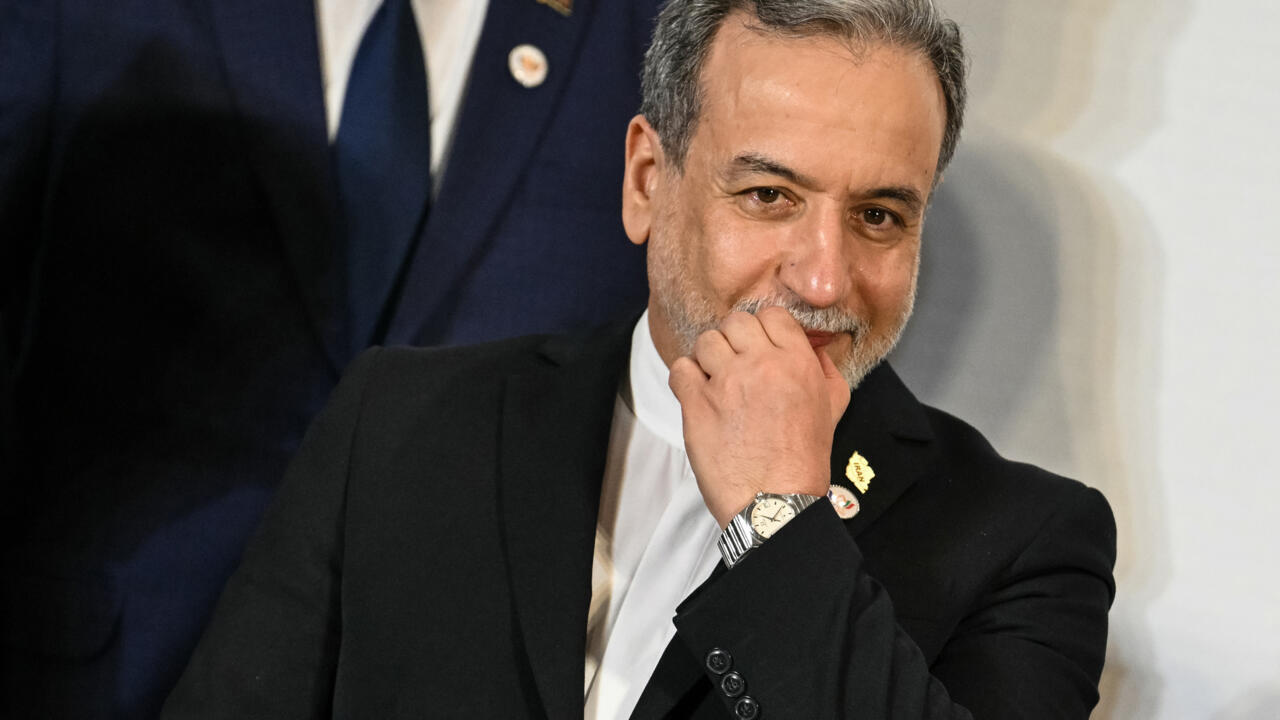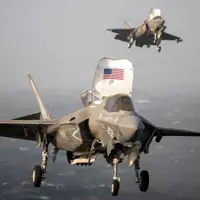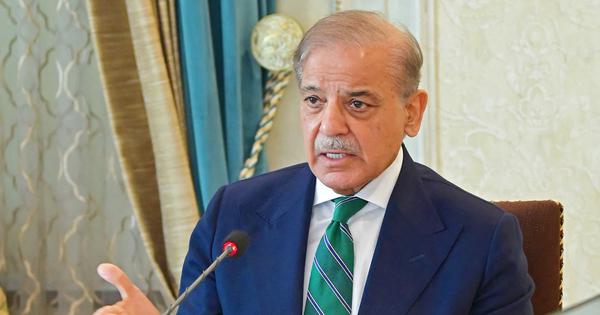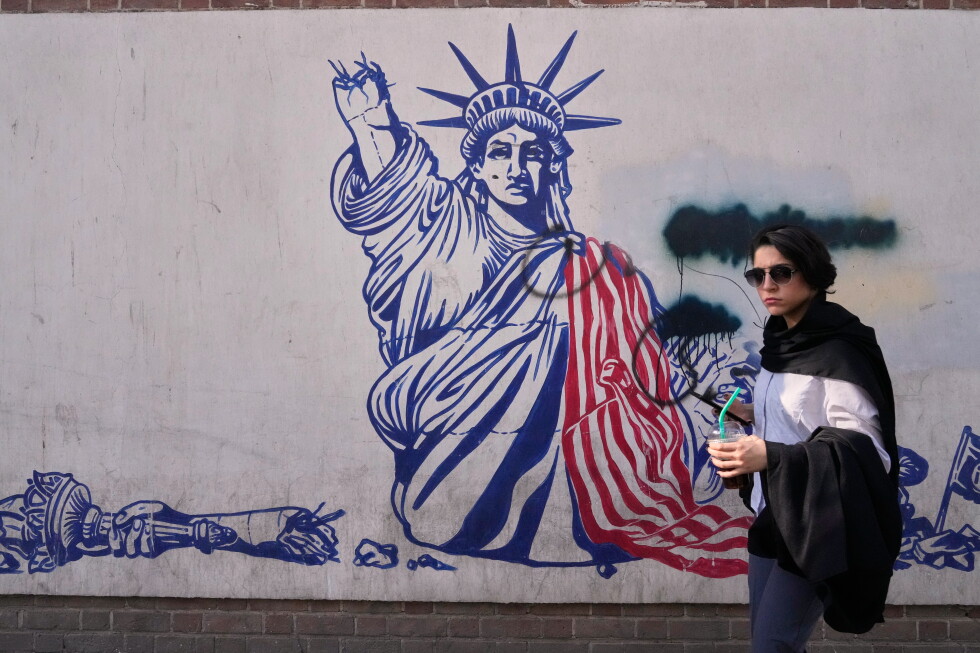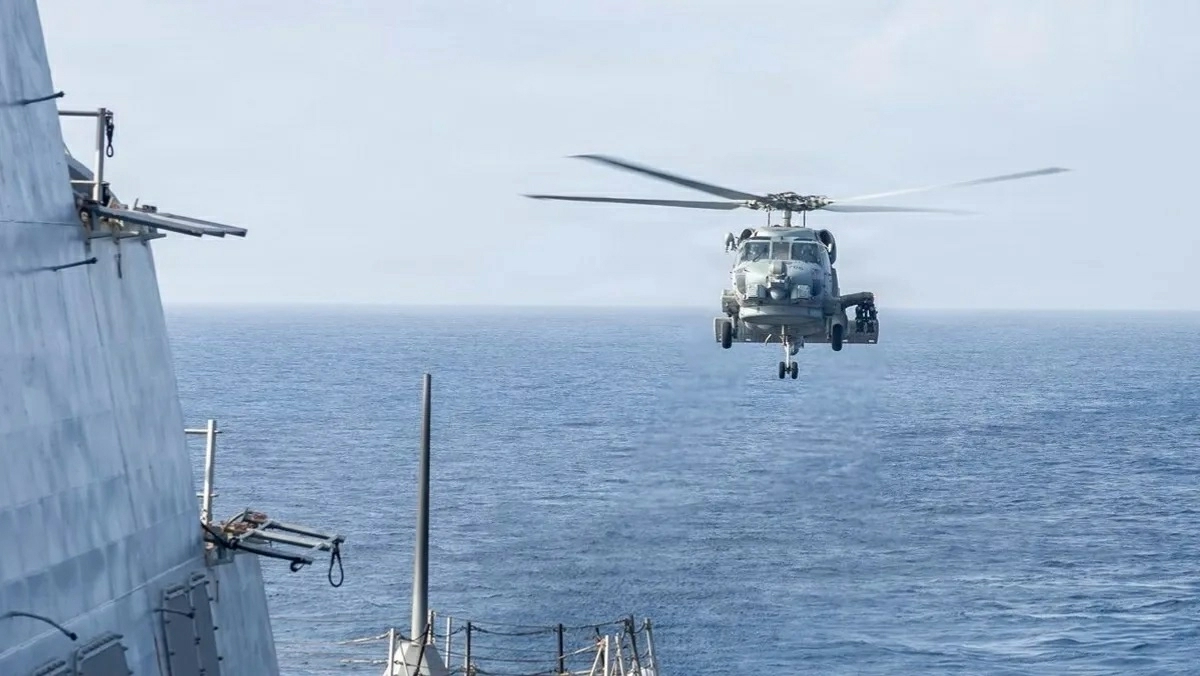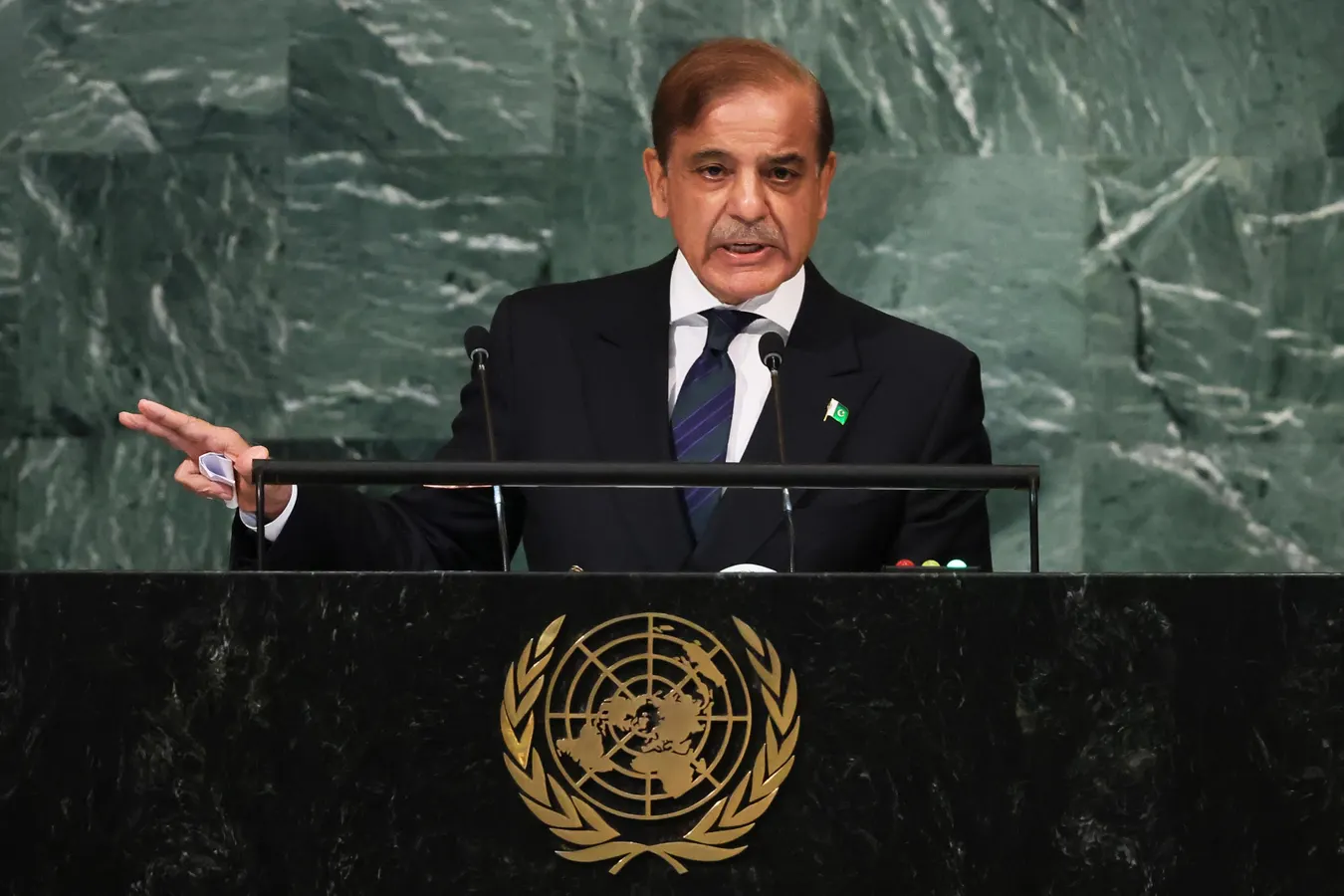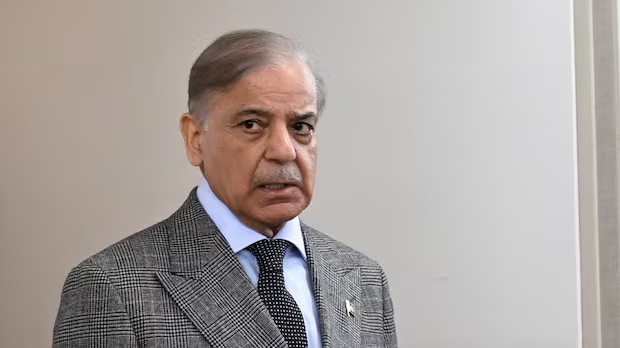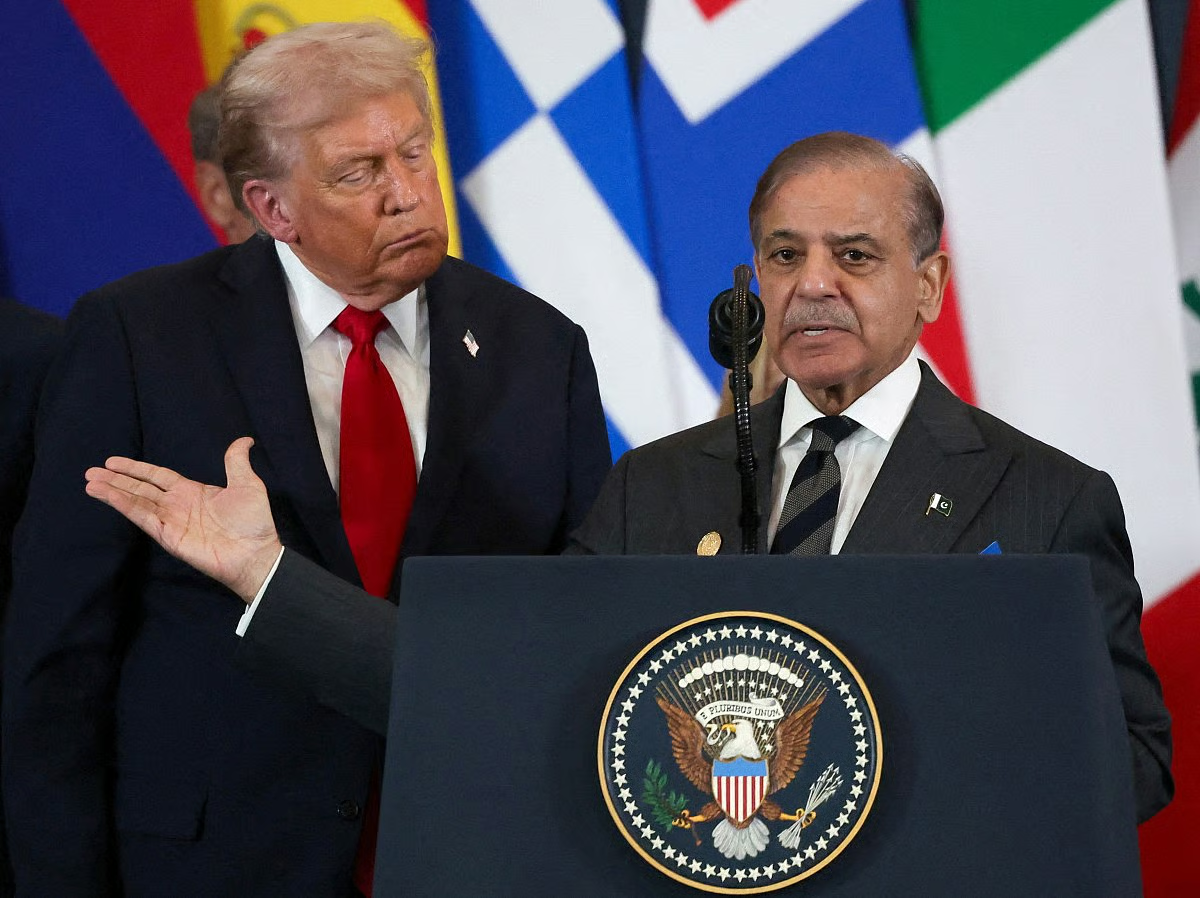
A long-awaited agreement between the United States and Iran could be finalised within 24 hours, according to Pakistani Prime Minister Shehbaz Sharif, who said both sides are closer than ever to ending months of conflict in the Middle East.Pakistan signals possible 24-hour breakthroughPakistan, which has played a key mediating role, said Washington and Tehran have made significant progress in negotiations.Shehbaz Sharif wrote on X that “finalisation is likely within the next 24 hours,” adding that preparations are underway for an electronic signing of the deal, followed by technical-level talks in the coming week.Iranian Foreign Minister Abbas Araghchi also expressed cautious optimism, saying most issues have been agreed, though final approval is still pending.Iran denies Sunday signingDespite the optimism, Iran’s foreign ministry has rejected reports that a deal will be signed on Sunday.Spokesman Esmaeil Baqaei said, “It will not be tomorrow,” while stressing that the timing remains uncertain. He added that a signing in the coming days “cannot be ruled out,” indicating that talks are still ongoing but not finalised.Strait of Hormuz remains key flashpointA central issue in the negotiations is the Strait of Hormuz, a critical global route for oil and gas shipments.The emerging framework reportedly includes provisions to reopen the waterway, ease restrictions, and redefine transit arrangements after months of disruption linked to the conflict.However, divisions remain over control of the strait, sanctions relief, and Iran’s nuclear programme.Nuclear terms and sanctions relief on tableOfficials briefed on the talks say the draft agreement could include:Phased lifting of US sanctions on IranRelease of frozen Iranian assetsSteps to address Iran’s enriched uranium stockpileA 60-day technical phase to finalise nuclear arrangementsWashington has pushed for the dismantling or relocation of enriched uranium, while Tehran insists its nuclear programme is peaceful.Renewed clashes raise tensionsDespite diplomatic progress, tensions remain on the ground.US Central Command said it intercepted multiple Iranian drones targeting commercial ships in the Strait of Hormuz, calling the attacks an attempt to disrupt maritime traffic. Iran has not formally responded to the latest claims.Tensions continue despite talksThe diplomatic uncertainty comes amid continued volatility in the region, including reported drone interceptions in the Strait of Hormuz and ongoing disputes over maritime control.Despite optimism from some mediators, both sides appear to be publicly cautious as negotiations reach a critical stage.Conflicting messaging from both sidesUS President Donald Trump rejected suggestions that the deal favours Iran, saying leaked versions do not reflect the actual agreement.Iranian officials, meanwhile, have urged caution, stressing that no final deal exists until all terms are fully agreed and signed.What happens nextIf approved, officials say the agreement could still be signed remotely within days, followed by detailed technical negotiations.Switzerland has offered to host a formal signing ceremony, but final arrangements remain unclear.For now, mediators maintain that momentum is strong—while acknowledging that major political and technical hurdles still stand in the way of a final breakthrough. With inputs from AFP, AP
US–Iran deal near? Pakistan signals 24-hour breakthrough as Tehran rejects Sunday signing claim
US–Iran talks near a 24-hour breakthrough as Pakistan mediates, but Tehran denies a Sunday signing. Explore what’s at stake in the Strait of Hormuz and nuclear terms.
TL;DRAI
Pakistan mediates potential US-Iran accord within 24 hours, targeting Strait of Hormuz reopening and nuclear agreement. Stable energy markets and secure shipping routes reduce inflationary pressure on enterprise infrastructure budgets and supply-chain risk.
476 words~2 min read