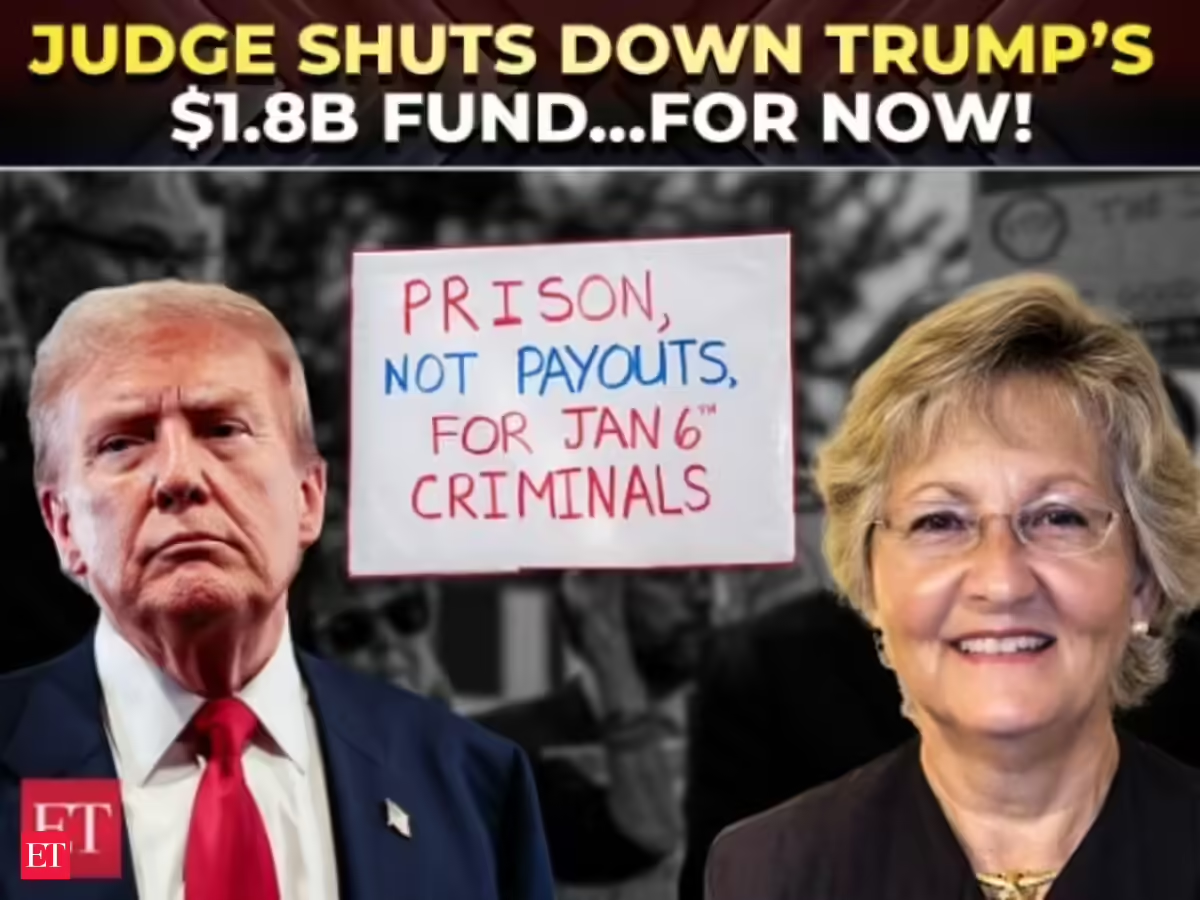
The US Justice Department has officially pulled the plug on its controversial $1.776 billion Anti-Weaponization Fund, a settlement-derived pot of money that critics on both sides of the aisle had labeled a potential slush fund for political allies. The fund lasted roughly one month before legal challenges, congressional fury, and a federal injunction made its survival untenable.
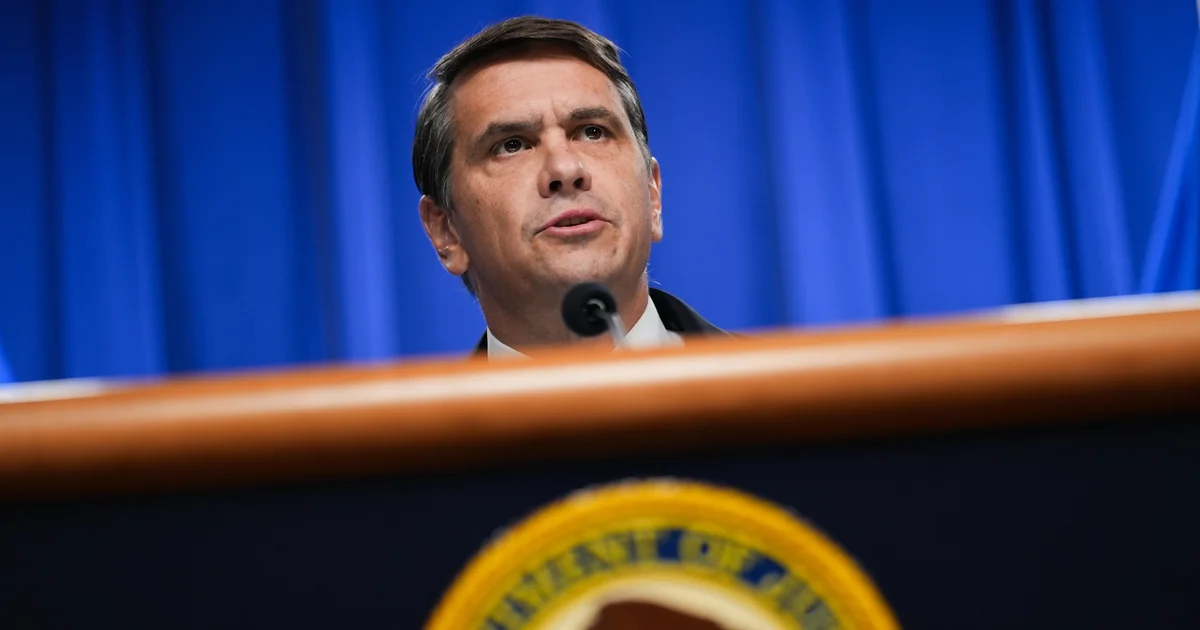
Acting Attorney General Todd Blanche made the call definitive on June 2, 2026. “We are not moving forward with the fund, period,” Blanche stated, putting a decisive end to what had become one of the more unusual legal experiments in recent DOJ history.
How the fund came to exist, and how it fell apart
The Anti-Weaponization Fund was born out of the settlement in Trump v. IRS, a lawsuit in which former President Donald Trump alleged unauthorized disclosure of his tax returns. As part of the deal, Trump dropped his lawsuit in exchange for the creation of this fund, along with certain protections from the IRS going forward.
A five-member commission appointed by the DOJ would review applications from individuals who claimed they had been damaged by federal government actions they categorized as “weaponization” or “lawfare.” The commission had until December 1, 2028, to process claims, and any unused money would revert to the government.