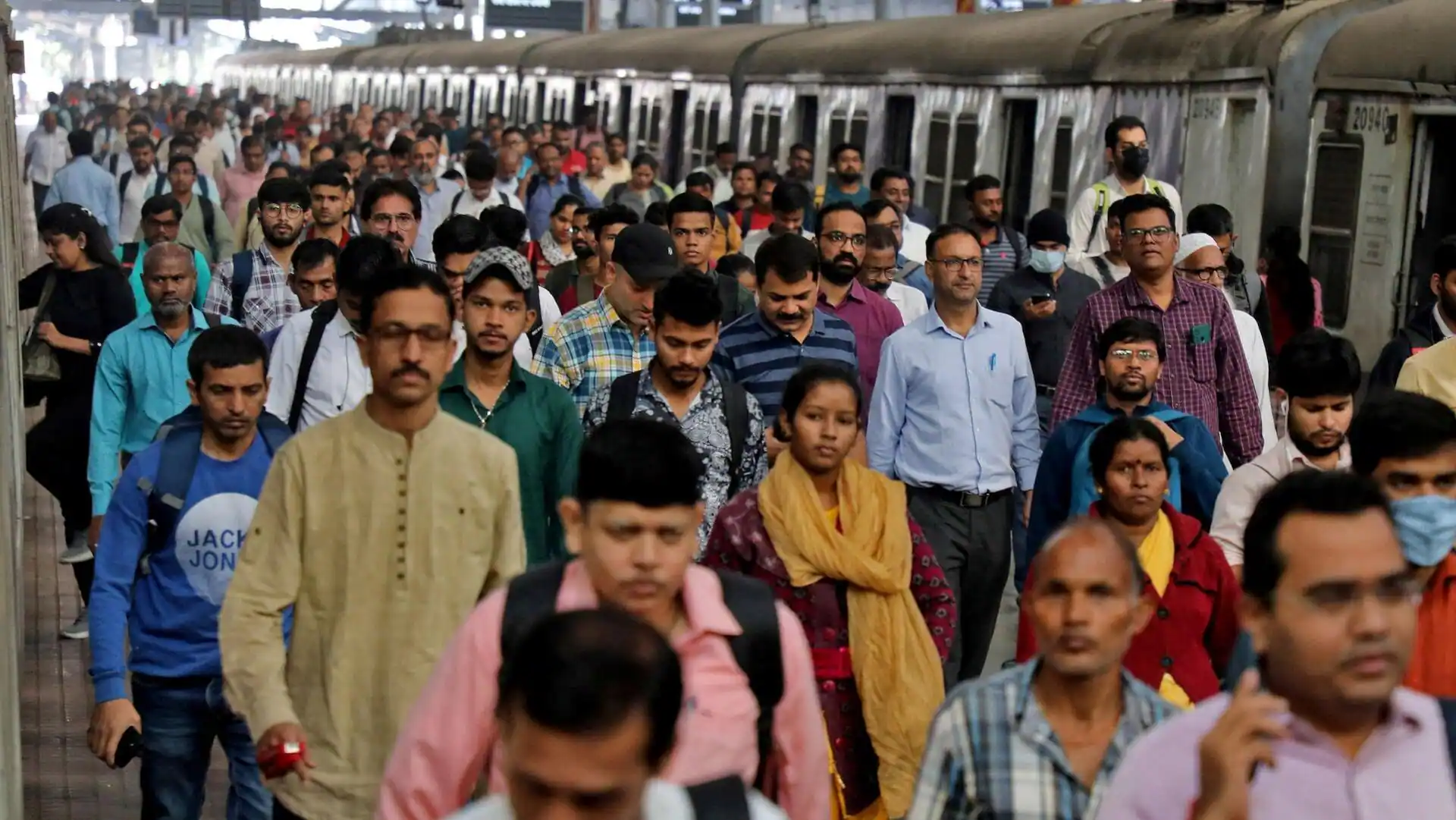
Growing up in India, I remember seeing posters everywhere promoting small families and family planning. I still remember my favourite slogan: “Chhota parivar, khushal parivar”— a small family is a happy family. Television advertisements carried the same message as well.
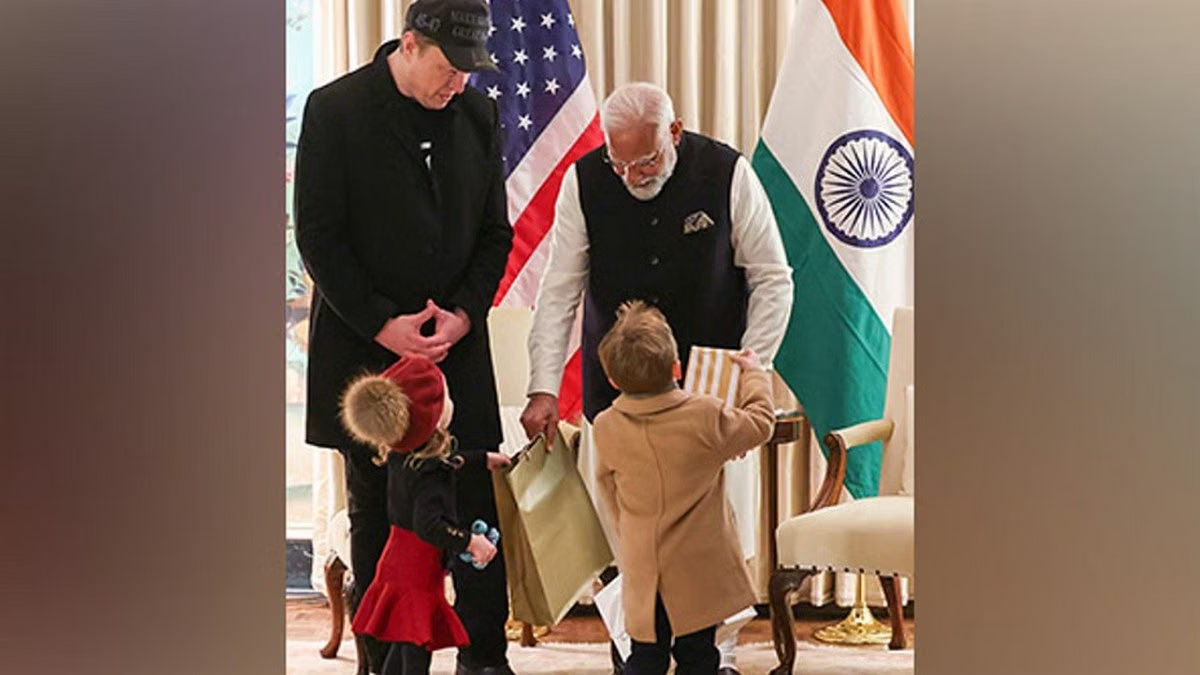
Reading trillionaire Elon Musk’s X post last week about India’s birth rate falling below replacement took me back to those childhood memories. It felt like watching two completely different eras collide—one where India worried about having too many people, and another where people are now worried about there being too few.Musk, father to at least 14 children, has made population collapse one of his pet themes. He has urged parents to have at least three children and warned repeatedly that low birth rates could endanger civilisation. In his post, he also noted that India’s birth rate fell below replacement among the “most educated” many years ago.
India’s birth rate has fallen below replacement. Among those most educated, India’s birth rate fell below replacement many years ago. https://t.co/RsWf0PK6wx— Elon Musk (@elonmusk) June 6, 2026
From an Indian perspective, though, falling fertility rates can also be viewed as evidence that many of the goals India spent decades pursuing—education, family planning, and economic development—have largely succeeded.India, especially urban India, seems to have changed dramatically within just a few decades. Why fertility rates decline and what can be done about it remains a matter of debate, but some correlations are there to see. Greater access to education for women, economic development, delayed marriages, family planning, and access to contraception have all played a role. India is not unique in this regard.So why does Musk see this as doomsday?Some reasons I can understand: fears around ageing populations, labour shortages, and economic stagnation. But there is also another kind of fear that often appears in these discussions—one coming from a much narrower, nationalistic, or tribalistic position.