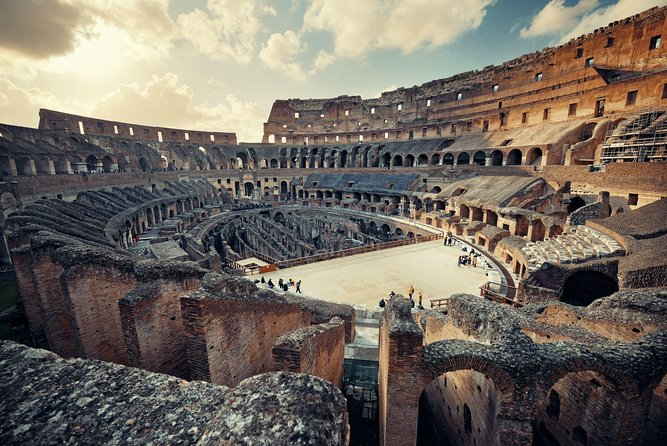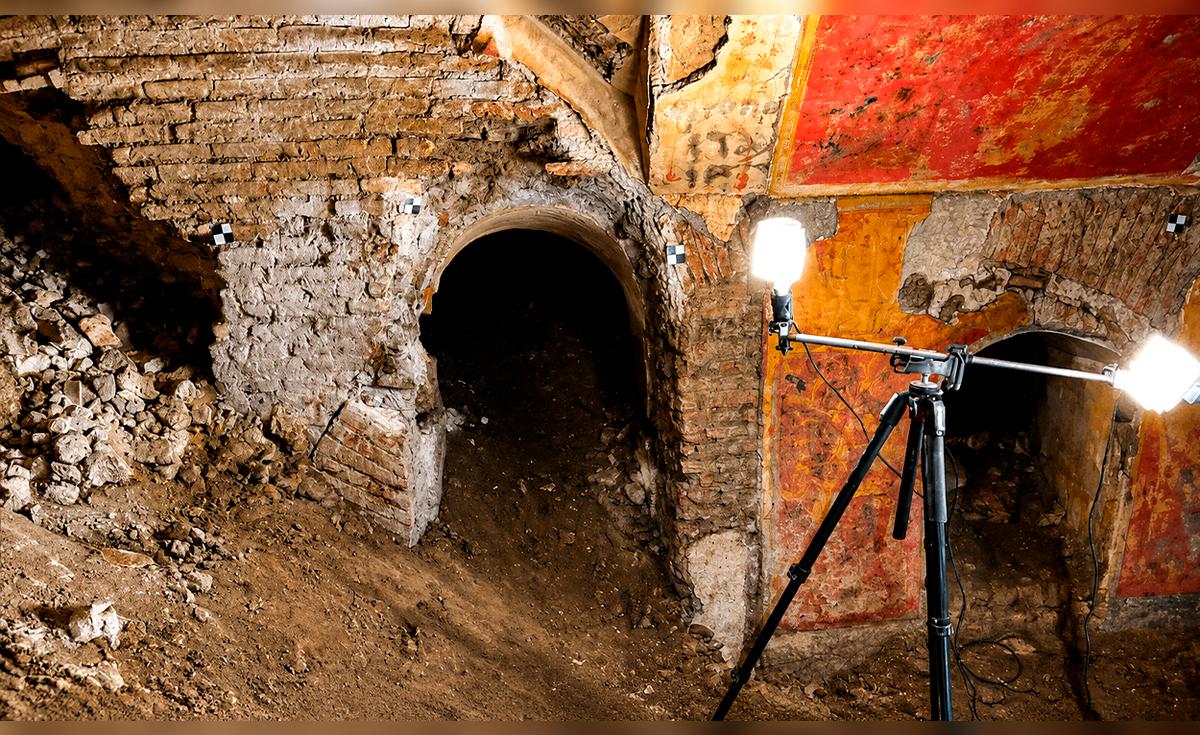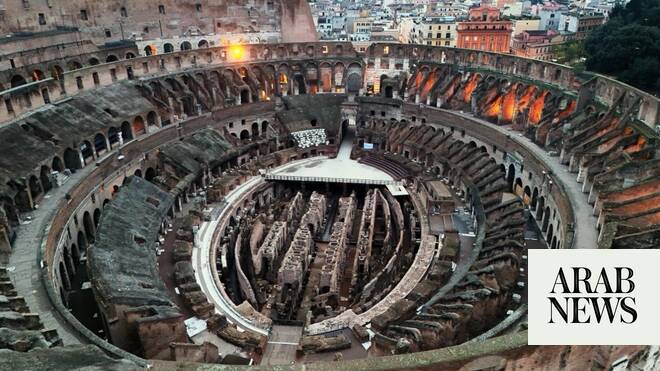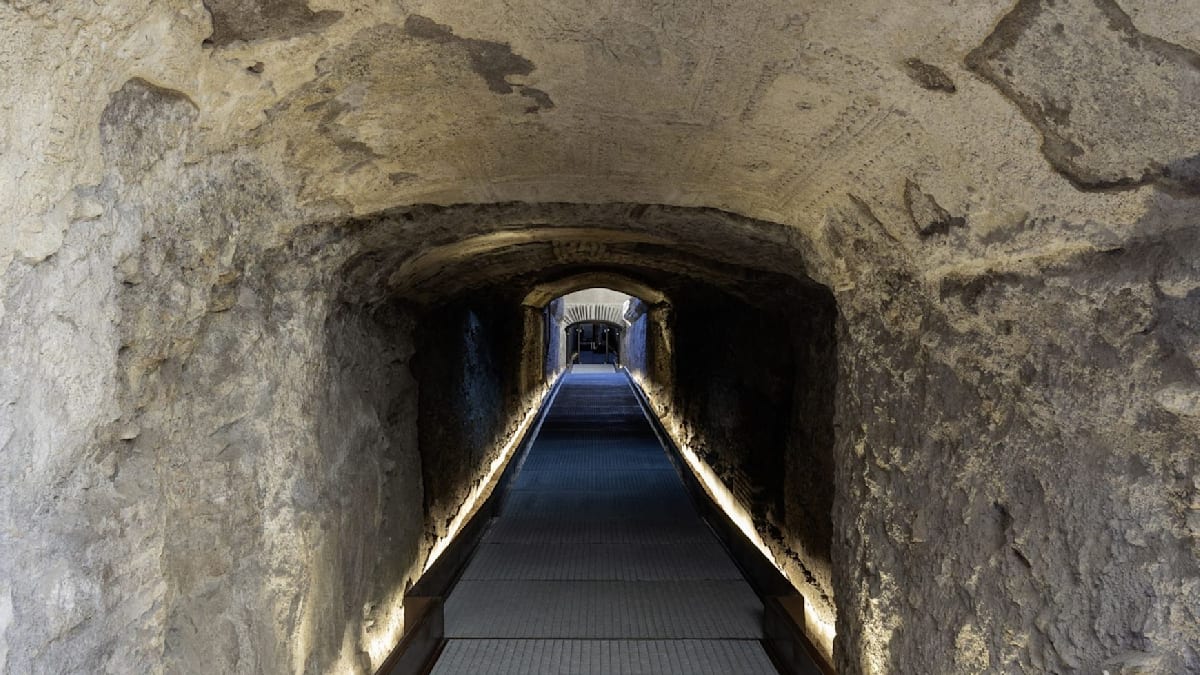
The Colosseum is an elliptical amphitheatre in the centre of the city of Rome, Italy, just east of the Roman Forum. Image Credit: WikipediaThe Roman Colosseum is among the most famous landmarks of Earth. Through the ages, the popular imagination has diminished this amphitheatre's history to the simple, stone-built bowl- an open arena where gladiators would fight as crowds booed. The shows held on the surface depended on an enormous hidden world beneath the floor.In contrast to being an unmoving stone ring, the Colosseum functioned as an advanced performance space. he most dramatic engineering lay beneath the arena floor in a complex underground labyrinth.Look Beneath the SurfaceTo understand the Colosseum, look beneath the surface. Under the arena's wooden floor lies the hypogeum, a complex underground system of tunnels, corridors, staging areas, and mechanical infrastructure. The main structure of the Colosseum was built between 72 and 80 CE under the Flavian emperors Vespasian and Titus. Emperor Domitian later completed the intricate hypogeum system.The amphitheatre had extremely complex stage equipment. The underground labyrinth served as a backstage area, directing the movement of fighters, animals, scenery and equipment out of spectators’ sight. The area was carefully organized to manage the spectacle, turning a large stone structure into a dynamic source of Roman entertainment.The art of engineering surpriseTraditional narratives portray the Colosseum only as a site to hold violence. But its construction was designed to create dramatic effects.The hypogeum had traps, lifts, and ramps hidden from view. Gladiators and animals did not simply stroll onto the field; they could appear suddenly through hidden entrances and lifts. By controlling timing, visibility, and entry points, the workers below could create sudden appearances that startled spectators.The hidden work transformed the arena into an instrument of state theatre. To Roman audiences, the displays may have seemed spontaneous because the mechanisms and labor behind them were hidden from view. It was a deliberate display of imperial power, showing that emperors could manipulate nature and people with precision.Interior of the Colosseum by late nineteenth century photographer Francis Frith. Image Credit: WikipediaWhy the underground system mattersThe stark contrast between the Colosseum's upper and lower levels is what makes it so striking today. The upper level is dominated by travertine and tufa stonework designed for public gatherings. Beneath it lay a complex system of machinery and passageways designed to create theatrical effects.According to The World History Encyclopedia, it is a marvel of Roman design that was able to hold more than 50,000 people, which were shielded from the sun with a huge Awning. The structure's ingenuity was not limited to its seating arrangements. Its seamless integration of underground tunnels and the arena floor meant that events could unfold quickly and dramatically.If modern-day visitors look past the ruined walls and into the stained tunnels of the hypogeum, the stadium can feel less like a ruined monument. It becomes easier to imagine the arena as an active venue with a roaring crowd. It invites us to look beneath the surface of time and see that one of Rome's greatest engineering achievements was not just the Colosseum itself, but the system beneath it.
In 80 AD, Rome opened the Colosseum, but its real surprise lay beneath the arena floor
The Roman Colosseum is among the most famous landmarks of Earth. Through the ages, the popular imagination has diminished this amphitheatre's history to the simple, stone-built bowl- an open arena where gladiators would fight as crowds booed.
TL;DRAI
The Colosseum (80 AD) used hidden mechanical lifts and passages beneath the arena to stage sudden gladiator appearances for 50,000 spectators. Hidden infrastructure created dramatic impact—a design principle where invisible backend systems drive seamless user experience.
518 words~2 min read