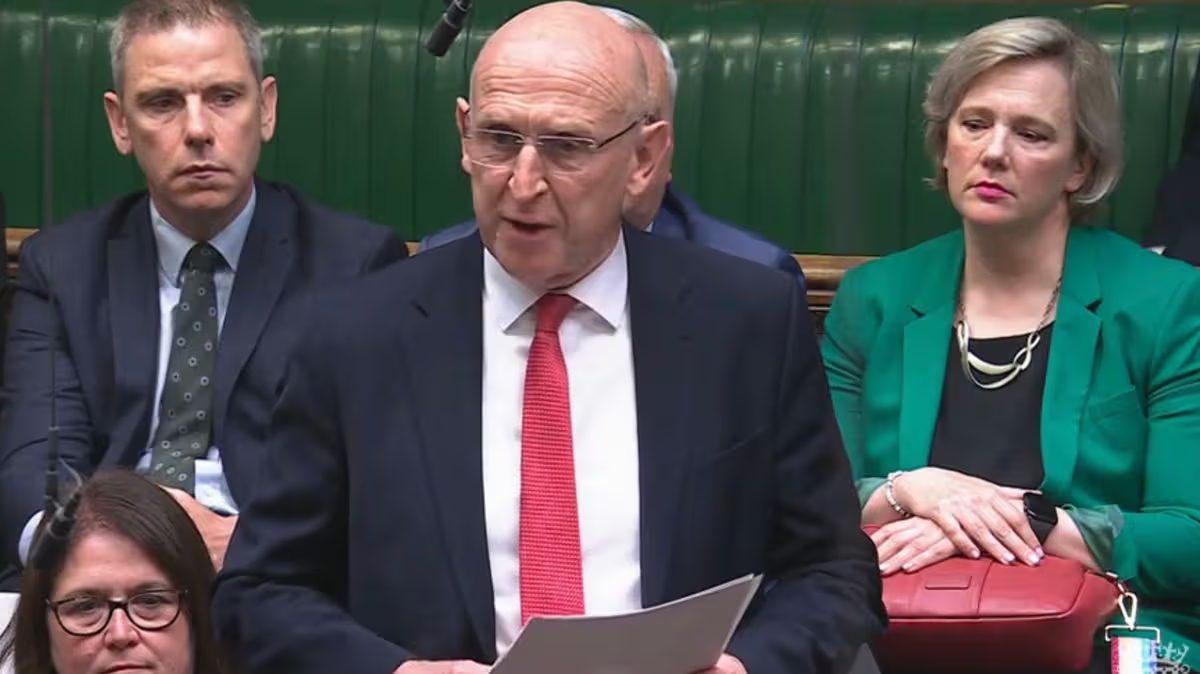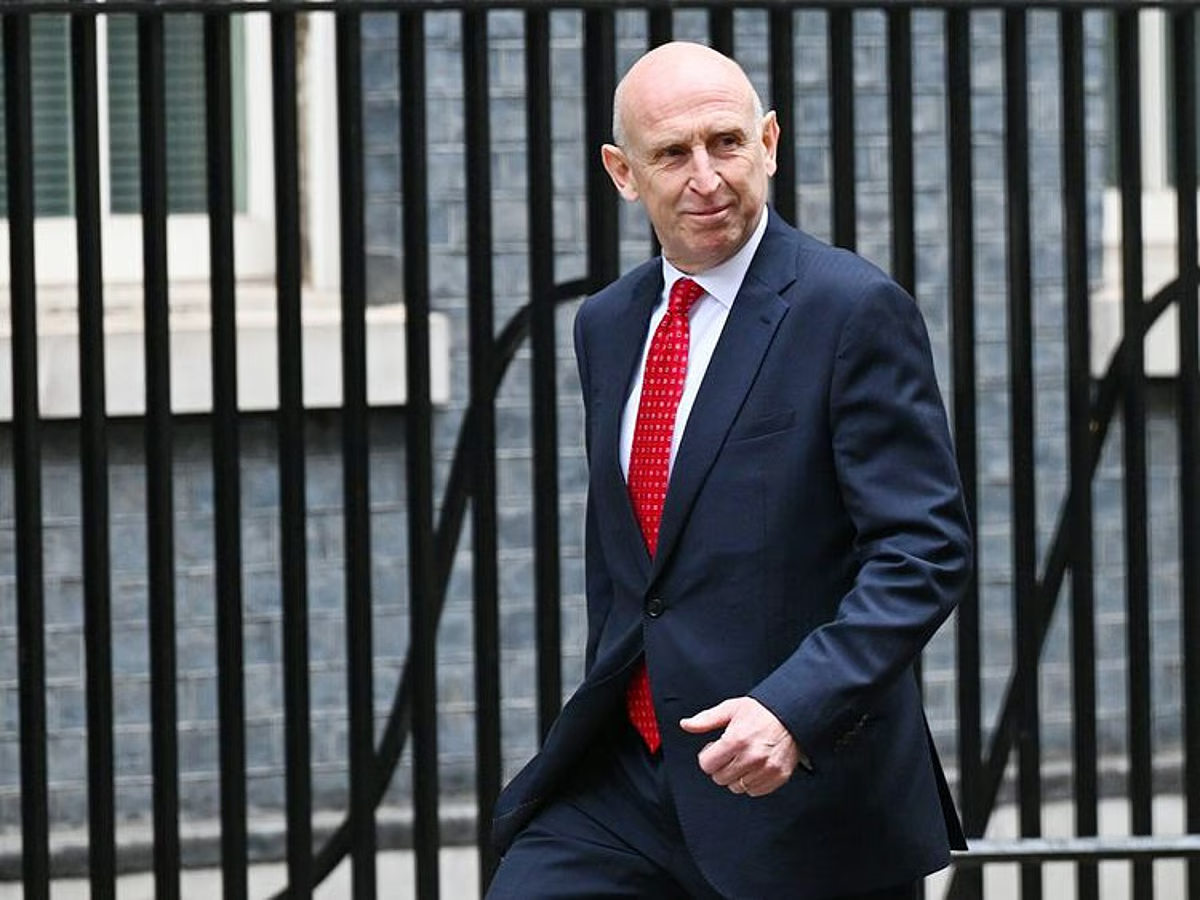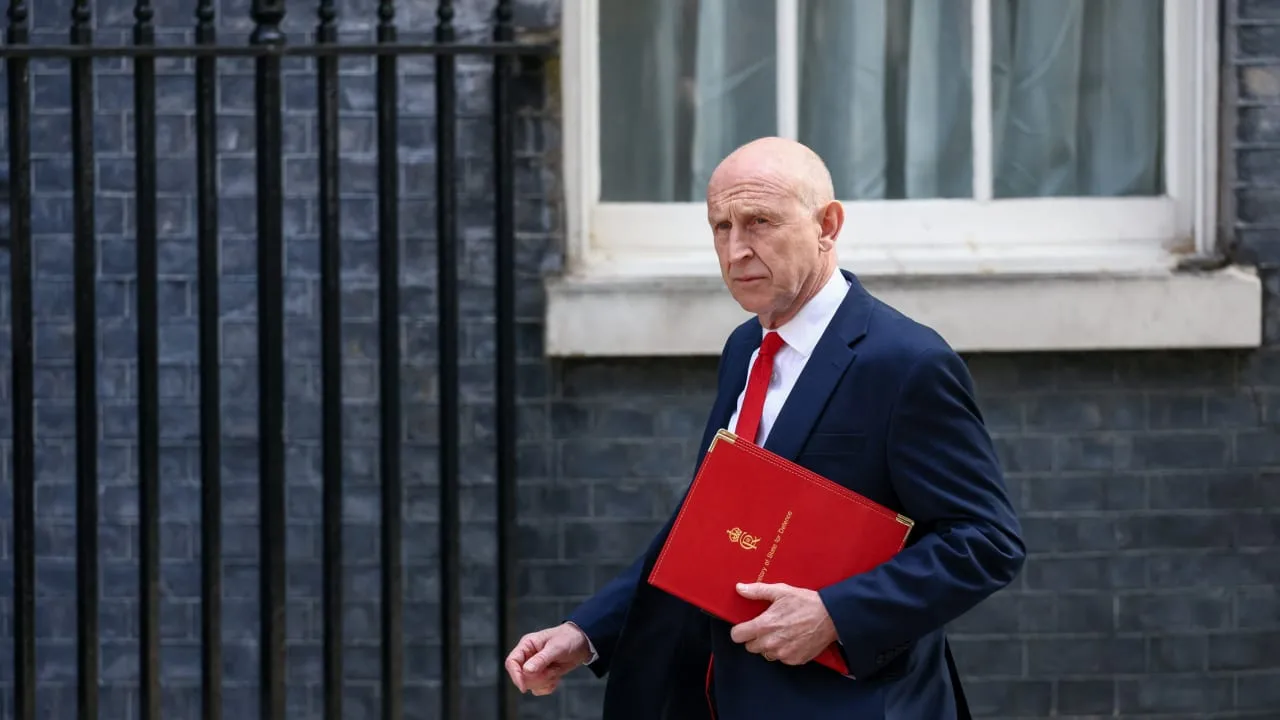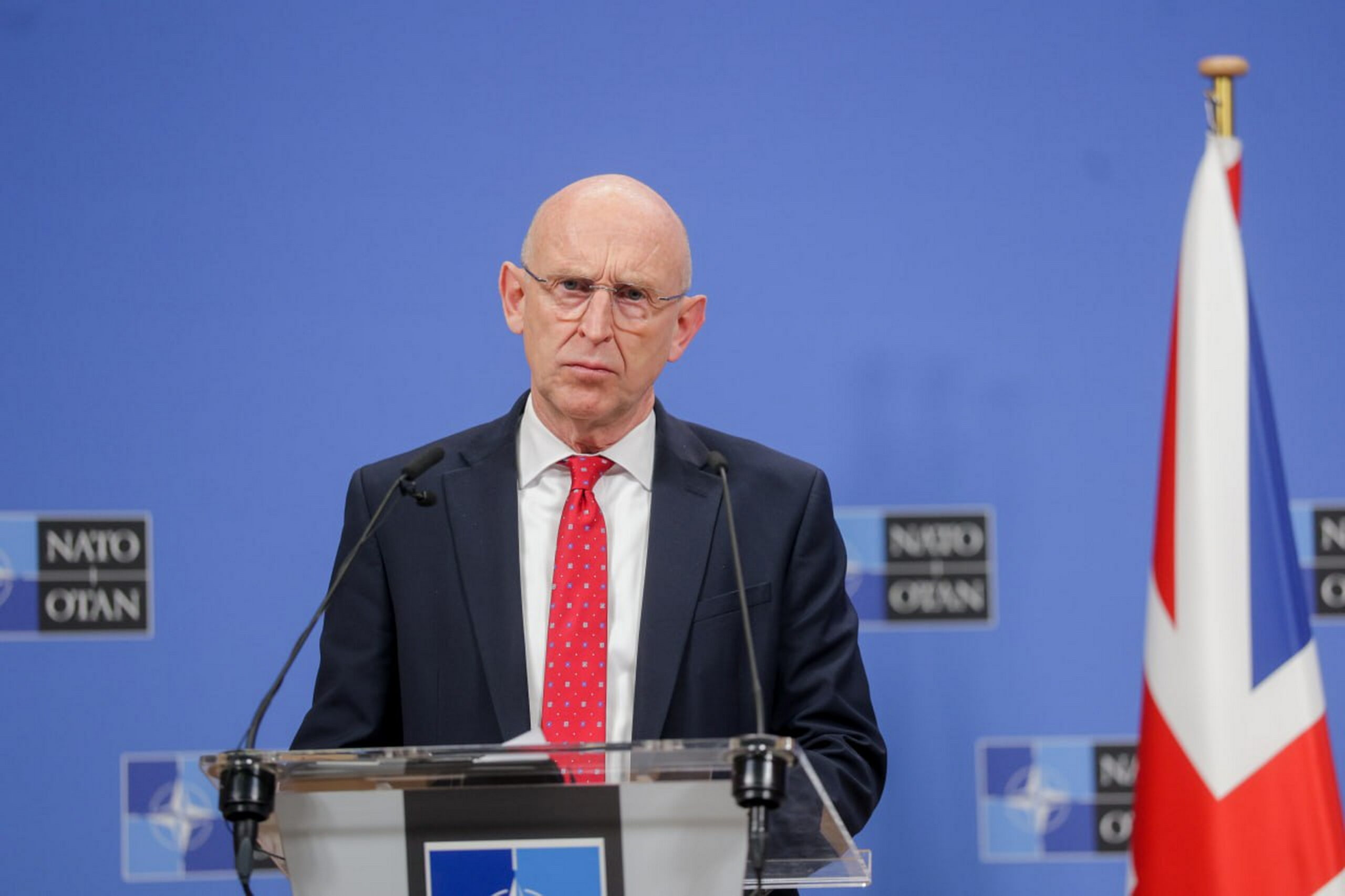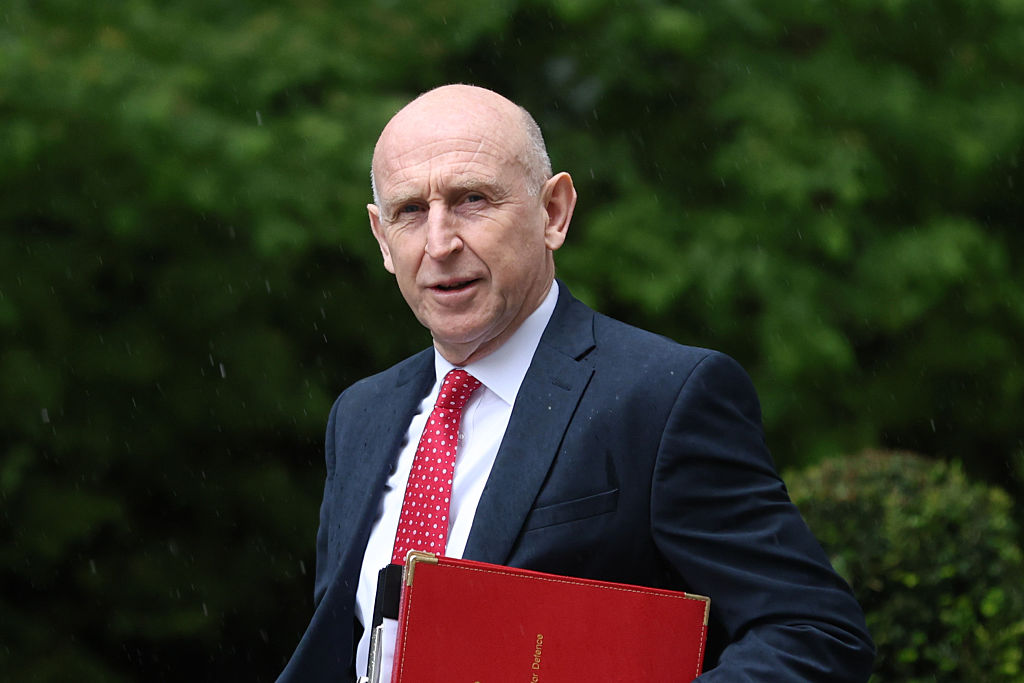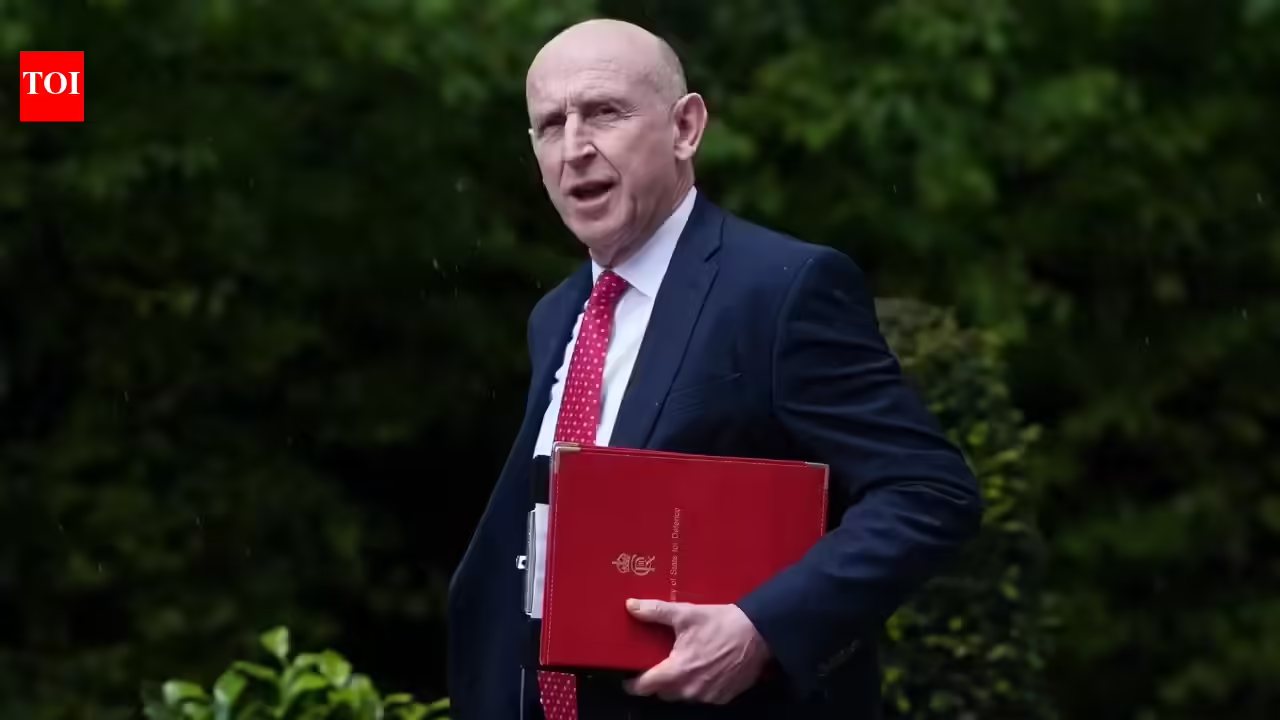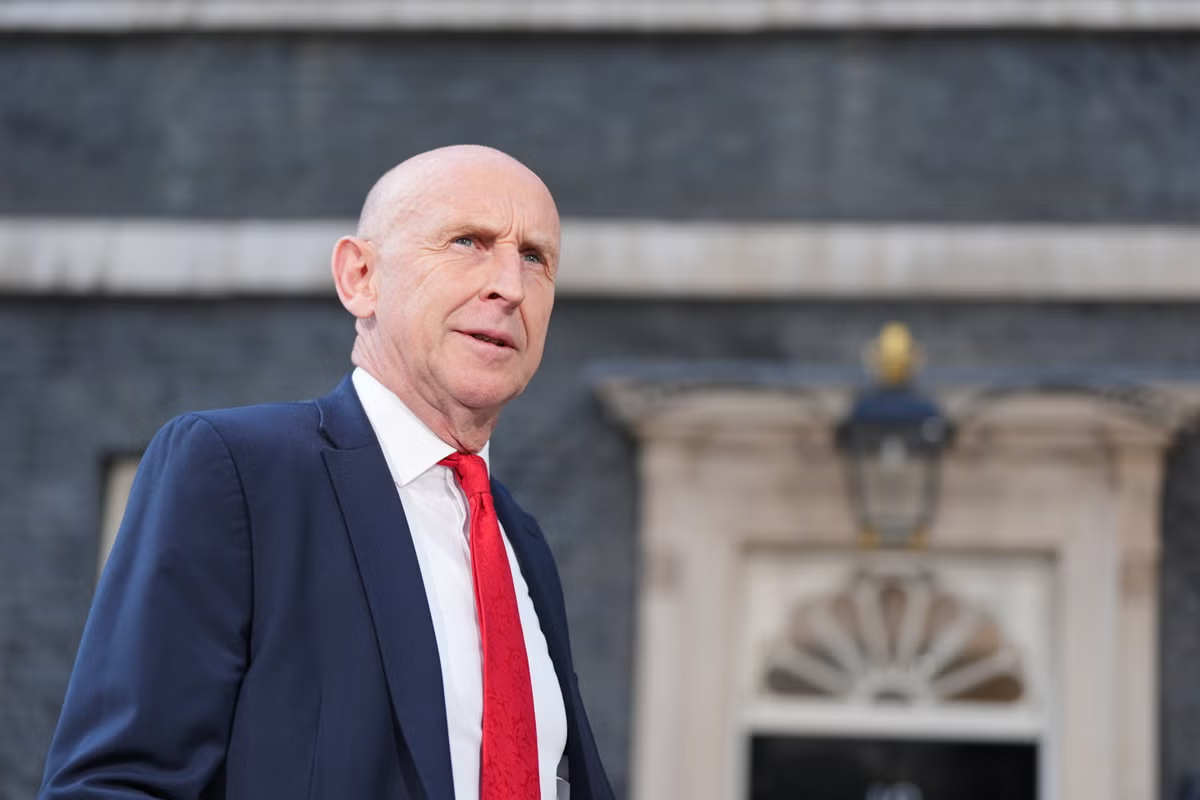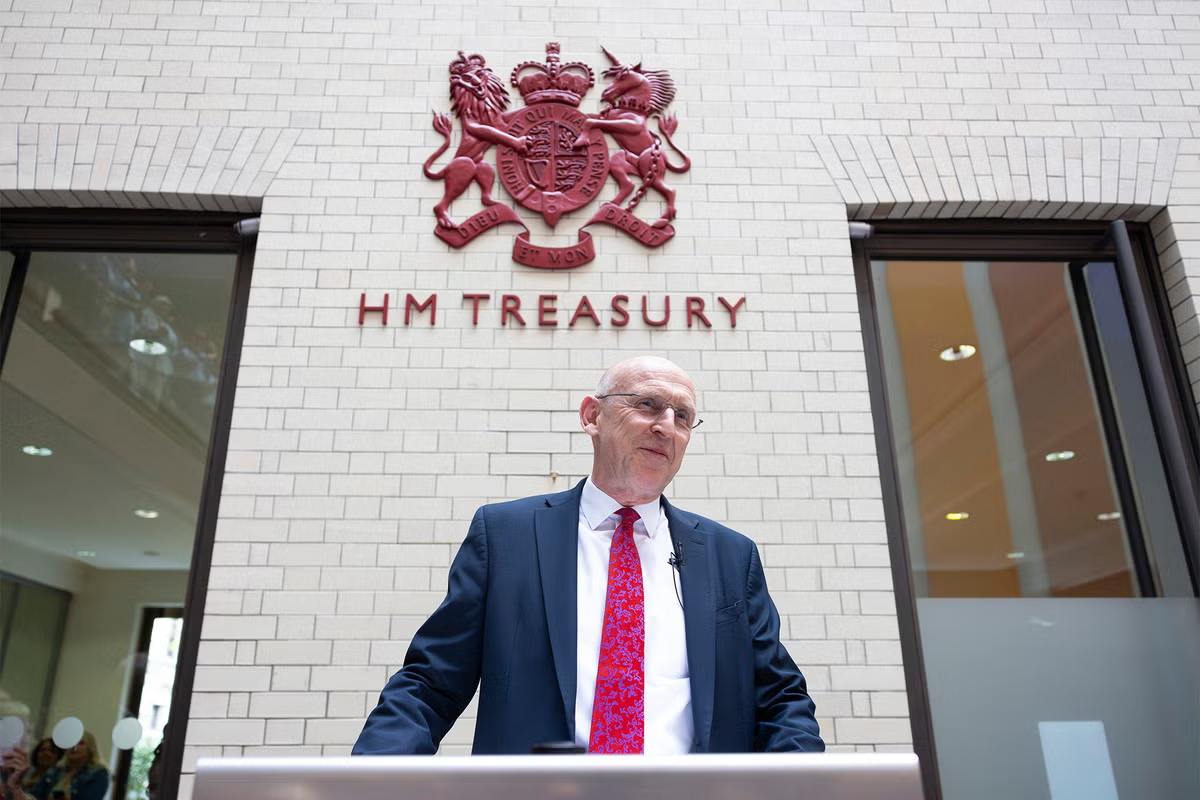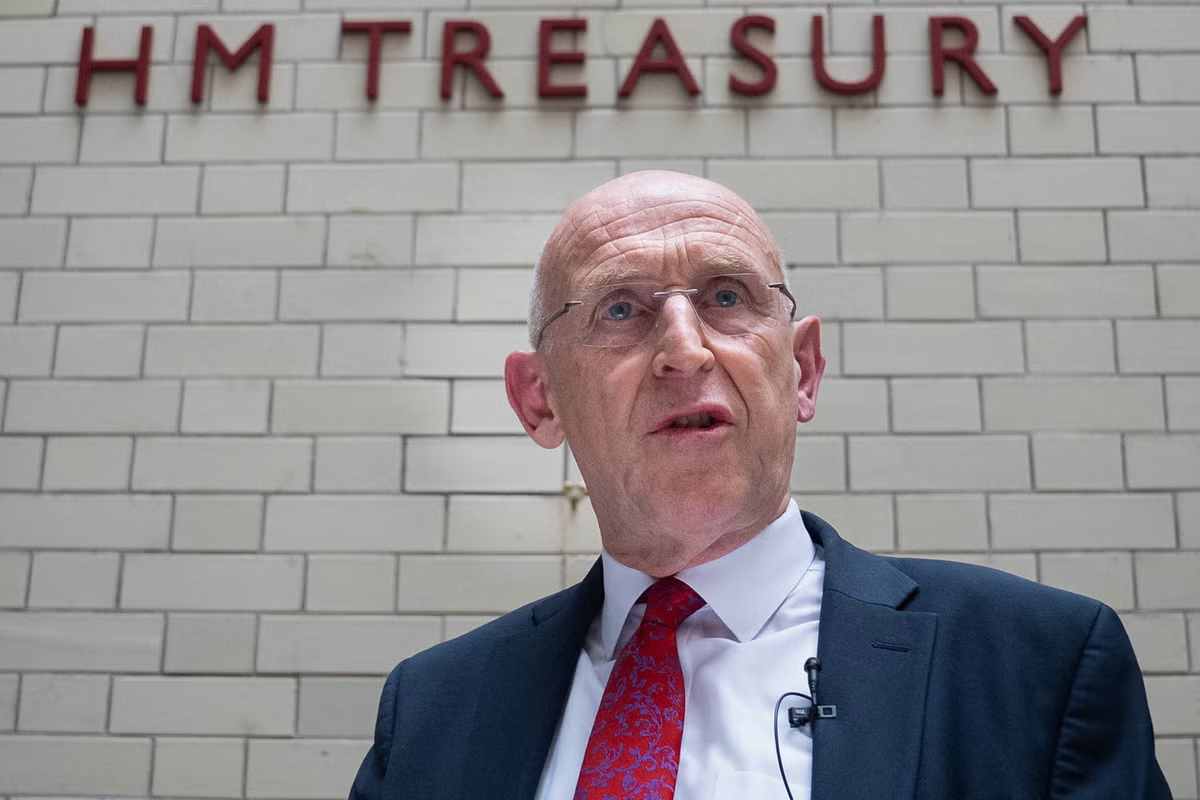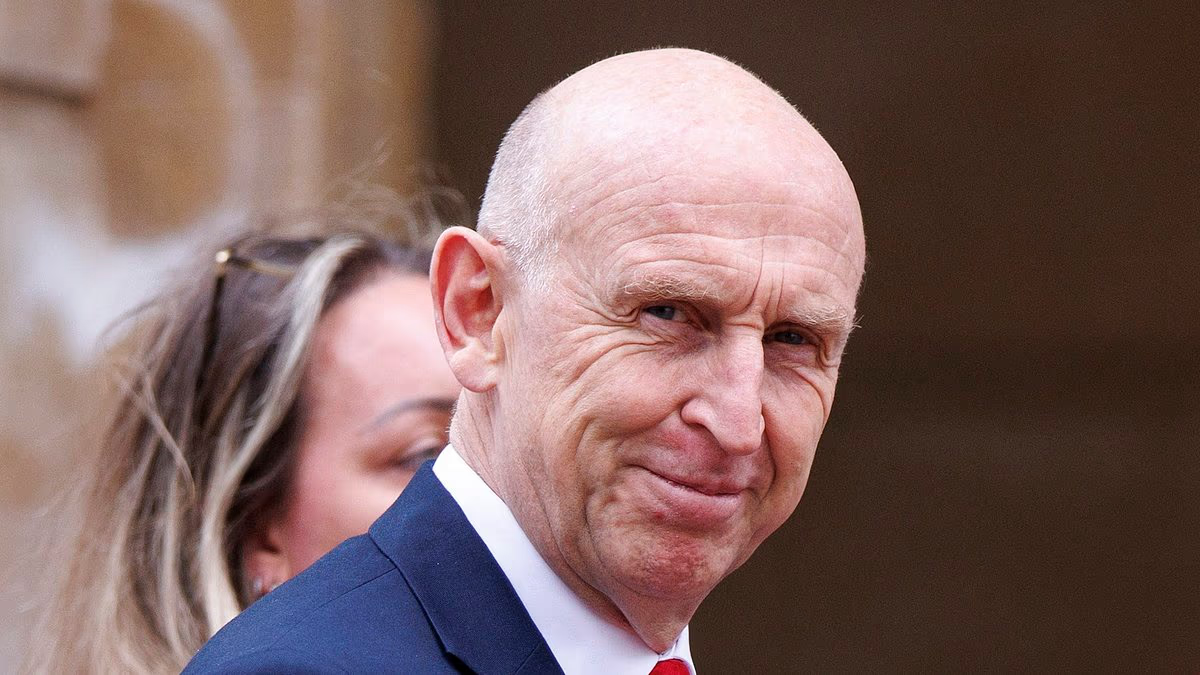
Former Defence Secretary John Healey pushed for the UK to join an international investment bank to raise urgently needed funds for defence spending.It has emerged that Mr Healey's idea to join the Defence, Security and Resilience Bank (DSRB) touted by the Canadian Premier Mark Carney was blocked by the Treasury.In his resignation letter to the Prime Minister this week, he said there were 'credible ways to fund extra spending including working multinationally', in an apparent nod to joining the NATO-linked bank, suggesting these had been dismissed.It was reported last week that the Chancellor Rachel Reeves had refused to sign off on the £870 million fee to join the bank which provides low cost funding for defence spending to NATO allies.Meanwhile former national security adviser Lord Mark Sedwill piled the pressure on the new Defence Secretary Dan Jarvis today saying the government 'must spend more money on defence'.He also warned Mr Jarvis would have to make sweeping cuts to the military because defence budgets were so low and might need to 'mothball' Navy ships which were not ready for deployment.Instead of an 'everywhere all at once approach' which the UK could no longer afford, he suggested the creation of a new super force like the US Marine Corps.'We have cut defence spending in real terms over quite a long period. The world is more dangerous than it was before,' he told the BBC. Former Defence Secretary John Healey arrives at Lancaster House for the annual AUKMIN Summit in London on June 10 Chancellor Rachel Reeves arrives Downing street for her first day as a cabinet minister on July 6, 2024'We have to play our part against the Russian threat but we also have global interests. We are a trading nation and we have to keep the sea lanes open. We have to be ready for the defence of the Strait of Hormuz so we have to spend more money on defence.'Separately, Canada's most senior diplomat revealed that former UK PM Gordon Brown, had spoken directly to Mr Carney, the former governor of the Bank of England, about joining the DSRB.Canadian High Commissioner to the UK Bill Blair told the Politico website that Mr Brown, brought in last month by Sir Keir Starmer to aid his flailing government, was in 'negotiations' over joining the bank and membership of a global fighter programme.It reported that Mr Blair, a former defence minister in Canada, had confirmed 'conversations were taking place' between bank officials and both the MOD and Treasury which were 'very encouraging' and Mr Brown had tendered 'a number of questions, which were entirely appropriate'.Mr Healey resigned from the government on Thursday in protest at the government's defence spending plans for the military.The government has postponed announcing detailed budgets for defence spending – its long-awaited Defence Investment Plan - for more than a year since last year's Strategic Defence Review was published in early June.But private indications that the Prime Minister was about to kowtow to both the Chancellor Rachel Reeves and Energy Secretary Ed Miliband in their refusal to cut the welfare and net zero plans respectively to fund defence instead of prioritising it led to an exasperated Mr Healey calling time on his role.Sir Keir Starmer apparently refused to set a timetable for defence spending to rise to 3% of GDP by 2030, offering in real terms what amounted to a paltry 0.08% increase when the pair met on Monday. Prime Minister Sir Keir Starmer departs 10 Downing Street for the House of Commons to attend PMQs on June 10Meanwhile Reeves' vast and escalating welfare spending is estimated to cost the UK a staggering £322.6 billion alone, 23% of total government spending.Believing Mr Starmer's suggested defence spending would be nowhere near enough to keep the country safe, Mr Healey quit to be replaced by Barnsley MP Dan Jarvis.Mr Jarvis has so far failed to impress on his initial outings after failing to appear at all for his first 24 hours in post.He was then widely ridiculed for a BBC TV interview where he backed the PM's new defence spending plan while admitting he had not actually even seen it.In a hard-hitting interview on Radio 4's Today programme this morning Lord Sedwill, also the former cabinet secretary to Theresa May and Boris Johnson, said that it appeared Mr Jarvis 'would have to live with' the PM's spending plan meaning he would have to undertake 'ruthless prioritisation' and 'make cuts in capability across the board'.Likening what was needed to the way the Australian government had reformed defence spending, he said:'We need to abandon this long-standing notion of a balanced force – where we have something everywhere - and focus on our absolutely central contribution to NATO and protecting our wider interests as an island nation.'He also called for reform of the MOD which he said was 'too top heavy and too bureaucratic'. Dan Jarvis, who was appointed as Defence Secretary after Mr Healey's resignation, arrives at Downing Street'NATO would like us to have something everywhere but we must make a choice like the Australians did to basically make some very painful cuts in their case to the army,' he insisted.'It would be something like the US Marine Corps - a properly integrated land, air, sea and amphibious force capable of being deployed at speed up into the North Atlantic to counter the Russians there - and which would also be capable of being deployed elsewhere if there is another Hormuz crisis or something else that actually is vital to our interests because we depend on our sea lanes.'Warning that the military did not like his suggestions, he said it would mean 'some very painful choices including for the Navy to 'mothball some of the Navy ships that are nowhere near ready to be deployed'.'We cannot reconstitute what is essentially a modern version of the British army of the Rhine which is what we had during the Cold War which we simply can't deal with at once. These are the choices Dan Jarvis has to confront.'And while he agreed it was normal for any Treasury to hold the MOD to account 'because it does not have a great track record in spending money well', he said Rachel Reeves should not be doing so 'as an alibi to spending money on defence'.'At this stage it is about real investment,' he stressed.Meanwhile Latvian Foreign Minister Miss Baiba Braze said her country, which once spent as little as 1% of GDP on defence, had made a 'unanimous decision' in its Parliament to raise defence spending to 5% next year because all 32 NATO nations had 'increased defence needs' and 'we need defence funding'.Identifying Russia as the main threat to NATO, she told the BBC that all countries needed to increase their spending.She said her message to Britain would be that it needed to make 'hard decisions' to fund defence spending and consider 'its priorities'.Earlier this year at the Munich security conference, Mr Healey signalled his support for joining the new investment bank to help the UK boost defence spending when he highlighted the 'creative ideas around a Defence, Security and Resilience bank'.At the same conference in February, it appeared Sir Keir Starmer may also be amenable to the idea, admitting the UK was 'stepping up work with likeminded allies on options for a collective approach to defence financing'.Backers of the campaign for the UK to adopt a world bank for defence, which has been running for over a year, say it would benefit smaller weapons manufacturers and enable firms to borrow more than twice as much because of the sovereign backing.It would also take any defence spending done through the bank off the books.Andrew Kinniburgh, director general of Make UK Defence, called for the PM 'to urgently rethink and ensure the UK fully participates in the DSRB as a matter of national importance'.
John Healey pushed for UK to join international bank for defence funds
It has emerged that Mr Healey's idea to join the Defence, Security and Resilience Bank (DSRB) touted by the Canadian Premier Mark Carney was blocked by the Treasury.
TL;DRAI
UK Treasury rejected John Healey's proposal to join DSRB (NATO defence bank) for the £870m membership fee. Budget pressure will force UK defence agencies to prioritize IT contracts, impacting cloud vendor selection and security infrastructure spending.
1,306 words~6 min read