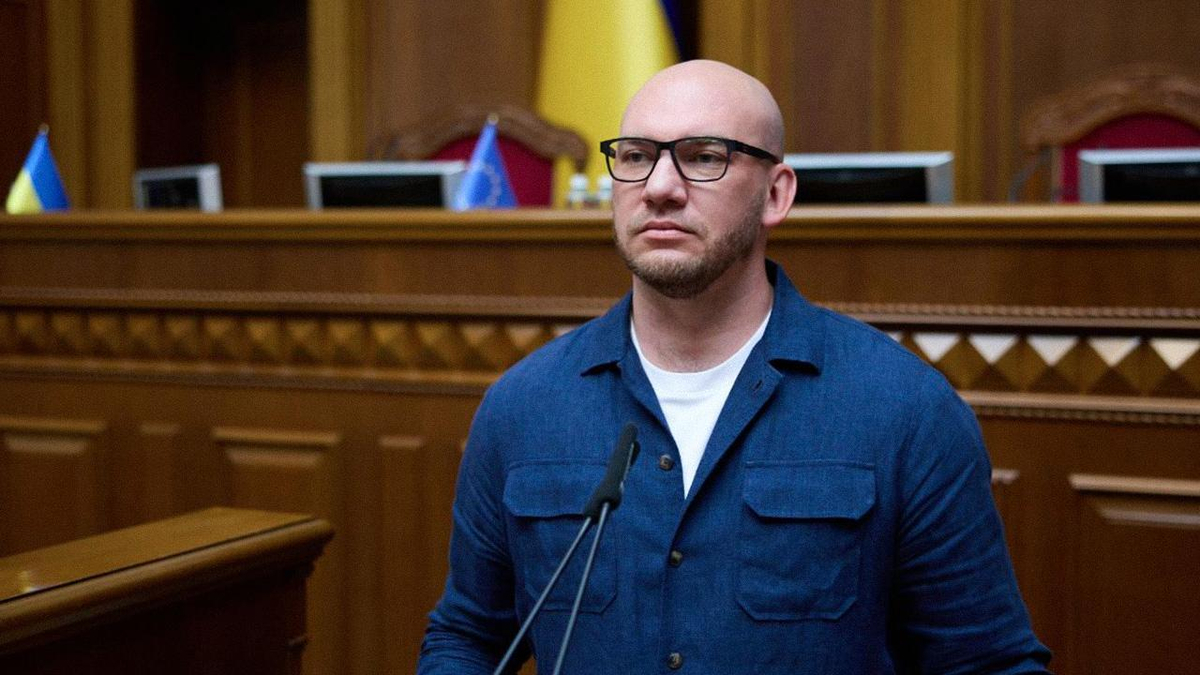
Russia’s plans to accelerate the issuance of passports in the breakaway Transnistria region and recent legislative changes that expand the grounds for deploying Russian forces abroad have raised concerns about potential security implications for southern Ukraine and Moldova. And as Russia’s hybrid threats intensify alongside risks of the war spilling into neighboring Moldova and Romania in recent drone incidents, trilateral cooperation among Kyiv, Chisinau, and Bucharest has gained renewed urgency.JOIN US ON TELEGRAMFollow our coverage of the war on the @Kyivpost_official. In an interview with Kyiv Post, Ukrainian lawmaker Oleksiy Leonov, co-chair of the Verkhovna Rada’s interparliamentary relations group with Romania, discussed security developments related to Transnistria, prospects for a joint drone-production initiative with Romania, progress on the A7 highway project, and efforts to revive the “Odesa Triangle” framework for regional cooperation. Oleksiy Leonov in the Verkhovna Rada. (Photo courtesy of the Leonov’s press service) Kyiv Post: It recently became known that Russia plans to accelerate the passportization of residents in the so-called Pridnestrovian Moldavian Republic (PMR). How will Moscow’s intentions affect the security of the entire region, including the Odesa region?
Passports Abroad and Threat to Odesa Region: Lawmaker on Kremlin’s New Dniester Blackmail Scheme
Russia is attempting to accelerate passport issuance in Transnistria. Lawmaker Oleksiy Leonov discusses hybrid threats to the Odesa region and the Kyiv-Chisinau-Bucharest security axis.
TL;DRAI
Russia escalates Transnistria passportization while expanding military deployment legal grounds using the Georgia/Donbas 'compatriot protection' playbook. Hybrid threats to Black Sea logistics and port infrastructure threaten regional supply chains; coordinated Ukraine-Moldova defense is essential.
1,936 words~9 min read