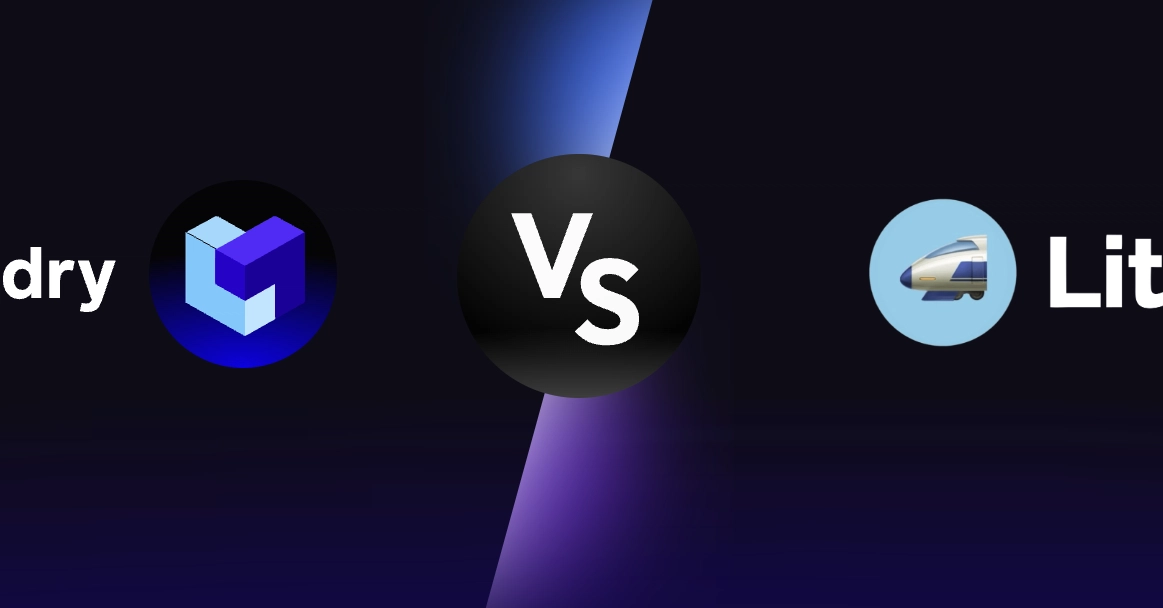
LiteLLM is one of the most useful tools in the modern AI stack, and I want to say that clearly before anything else. If you're building an AI application and haven't tried it: a working proxy to 100+ LLM providers in about five minutes, OpenAI-compatible, MIT licensed, massive community. It's genuinely good software and it's the right default for a lot of teams.
The comparison I want to make isn't "LiteLLM is bad". It's: here are the specific things LiteLLM does well, here are the specific things that get painful as you scale, and here's how TrueFoundry is different. If you're running LiteLLM today and it's working fine, you probably don't need to read the rest of this.
What LiteLLM is genuinely good at
Zero-to-working in minutes. The LiteLLM proxy is a pip install litellm[proxy] and a config file. You're routing to OpenAI, Anthropic, Bedrock, and Vertex in the same afternoon. No Kubernetes, no control plane, no vendor relationship required. For prototyping, team demos, and early-stage products, this is the right tradeoff.
100+ providers, actively maintained. LiteLLM's provider list is comprehensive and stays current. If a new model provider launches, LiteLLM usually has support within days. The community contributions are real.