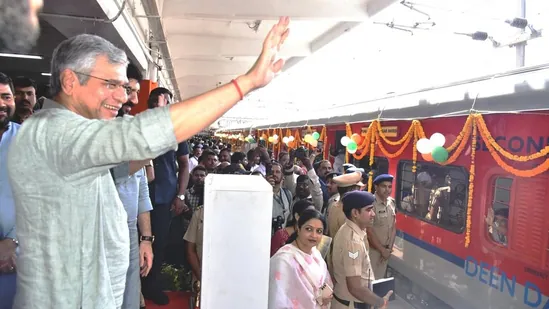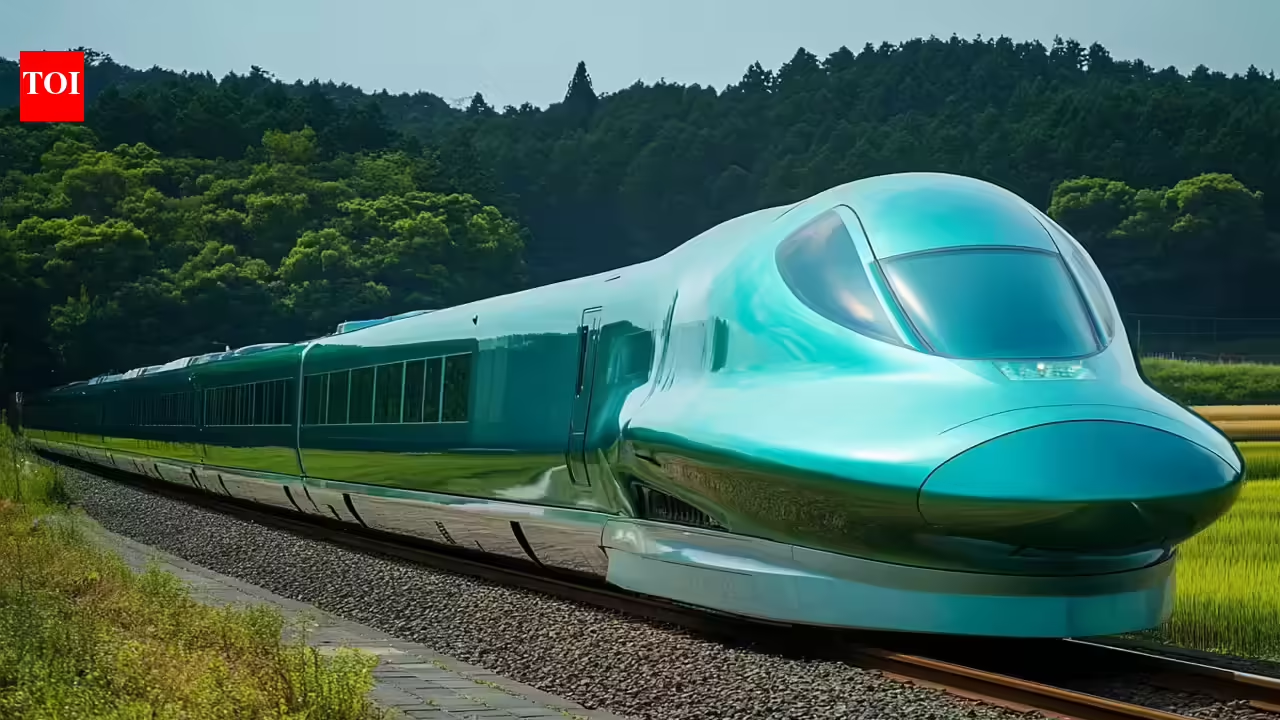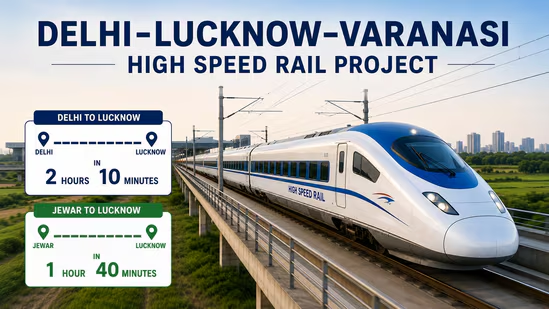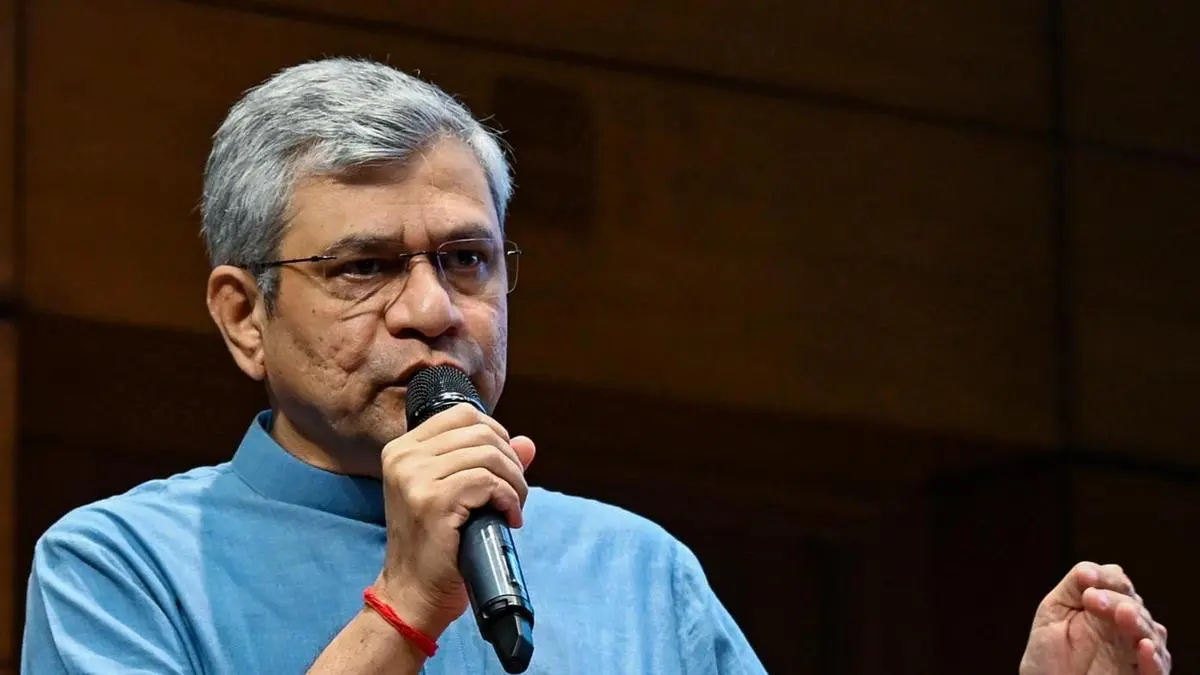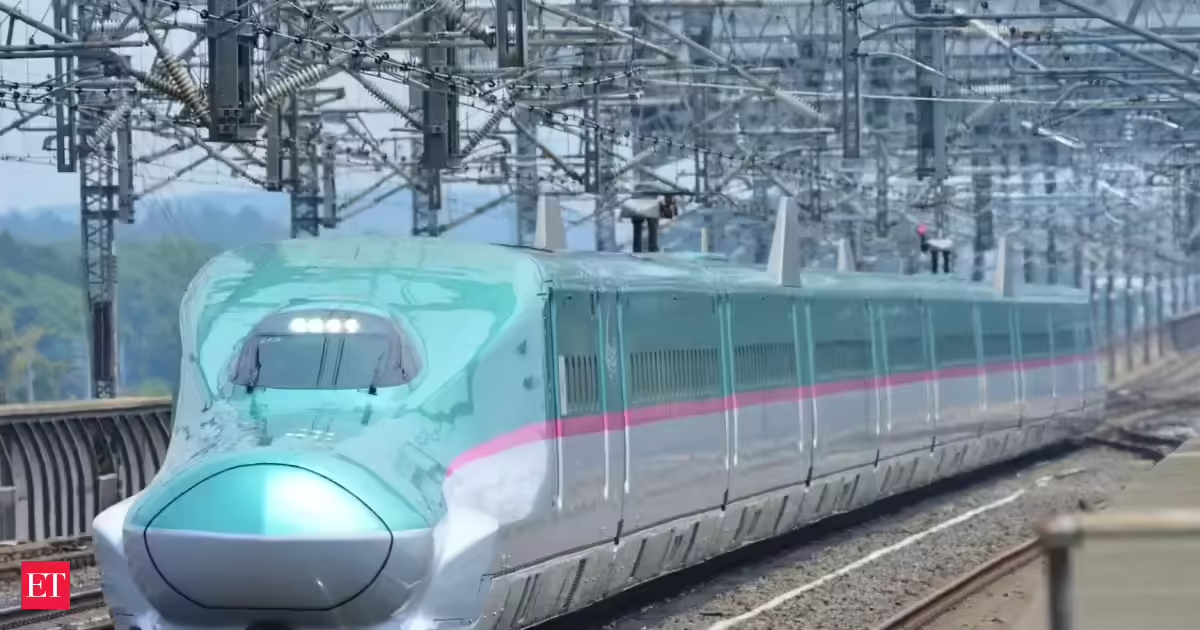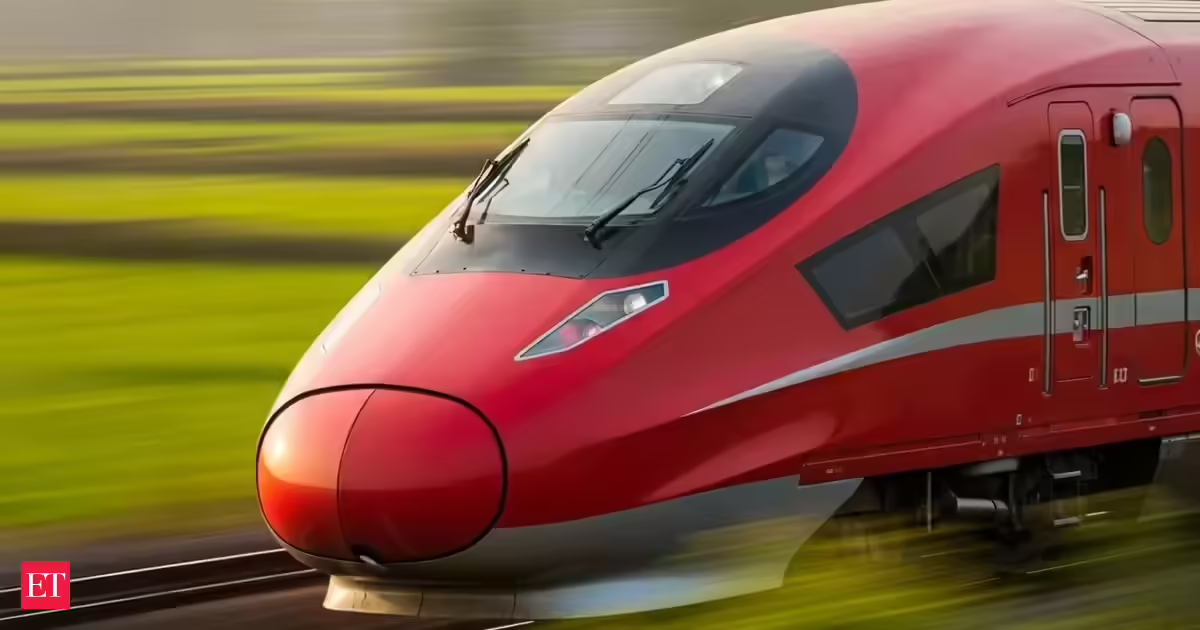
SynopsisIndia is embarking on a massive high-speed rail project. Seven dedicated corridors are planned, aiming to slash travel times between major cities. The Delhi-Varanasi and Varanasi-Siliguri routes are key proposals. This initiative will connect western, northern, southern, and eastern India. Indigenous bullet train technology is also advancing, with trial runs set for 2027.TIMESOFINDIA.COMRepresentative ImageThe Railways ministry is planning to develop seven dedicated high-speed rail corridors across the country. The ambitious project, estimated to cost around Rs 16 lakh crore, aims to drastically reduce travel times between key cities and position train travel as a practical alternative to air transport.Among the most significant proposals are the Delhi–Varanasi and Varanasi–Siliguri bullet train corridors. According to Railway Minister Ashwini Vaishnaw, these routes could cut travel time between Delhi and Siliguri to nearly six hours, passing through major cities such as Lucknow, Varanasi and Patna. Currently, the fastest train on the route, the Dibrugarh Rajdhani Express, takes more than 20 hours to complete the journey.The Detailed Project Report (DPR) for the Delhi–Varanasi corridor is currently being reviewed, while work on the DPR for the Varanasi–Siliguri stretch is expected to begin soon, according to a report of Dipak Kumar Dash in the Times of India. Together with the under-construction Ahmedabad–Mumbai bullet train project, these corridors are expected to lay the foundation for a nationwide high-speed rail network connecting western, northern, southern and eastern India. Once completed, passengers could travel rapidly between major urban centres including Delhi to Siliguri, and Ahmedabad to Mumbai, Pune, Hyderabad, Bengaluru and Chennai. The vision is to create a seamless high-speed rail system that significantly improves long-distance connectivity.Public sector enterprise BEML Ltd is currently building the country's first domestically manufactured bullet train, designed to operate at speeds of up to 280 kmph. The train is expected to begin trial operations on a 100-km section between Surat and Bilimora on the Ahmedabad–Mumbai corridor in August 2027.BEML Chairman and Managing Director Shantanu Roy has earlier, during a post-Budget webinar, claimed that future versions of these trains could run even faster. According to him, the speed could eventually be increased from 280 kmph to 350 kmph as technology advances.Meanwhile, Vaishnaw earlier said that the upcoming bullet train projects will rely heavily on Indian technology and locally manufactured components. Railway officials say efforts are underway to standardize construction methods, signaling systems and rolling stock production. This approach is expected to reduce costs, speed up execution and strengthen domestic manufacturing capabilities.Construction on the Ahmedabad–Mumbai bullet train corridor has gathered momentum, with officials reporting progress of nearly 15 km per month. The acceleration has been attributed to improved engineering practices and the adoption of advanced technologies. Authorities are also working to standardize bullet train components for future projects, reducing dependence on imported equipment.Indian Railways has reportedly set an internal goal of building around 250 km of bullet train corridors annually once multiple projects enter the construction phase. While no official completion date has been announced for the Ahmedabad–Mumbai route, the TOI reported claimed that the full corridor could become operational by 2031.The proposed network could significantly change travel patterns in India. For example, a trip from Delhi to Siliguri currently takes around five hours by air when airport transfers, security checks and waiting times are included. Rail travel, meanwhile, requires more than 20 hours. A six-hour bullet train journey would offer a competitive option by combining speed, convenience and city-centre connectivity.With a projected investment of Rs 16 lakh crore, the high-speed rail initiative represents one of India's largest infrastructure programmes. If executed as planned, it could reshape intercity transportation, improve regional connectivity and accelerate the adoption of advanced railway technology developed within the country.Read More News on...moreless
Delhi to Siliguri in 6 hours? Railways have a Rs 16 lakh crore bullet train plan to connect major cities
India is embarking on a massive high-speed rail project. Seven dedicated corridors are planned, aiming to slash travel times between major cities. The Delhi-Varanasi and Varanasi-Siliguri routes are key proposals. This initiative will connect western, northern, southern, and eastern India. Indigenous bullet train technology is also advancing, with trial runs set for 2027.
TL;DRAI
India plans seven bullet-train corridors (Rs 16 lakh crore) cutting Delhi-Siliguri from 20+ to 6 hours. BEML's indigenous 280-kmph trains (2027 trials) drive domestic tech stack maturity, reshaping software, IoT and signaling vendor opportunities across Indian railways.
610 words~3 min read