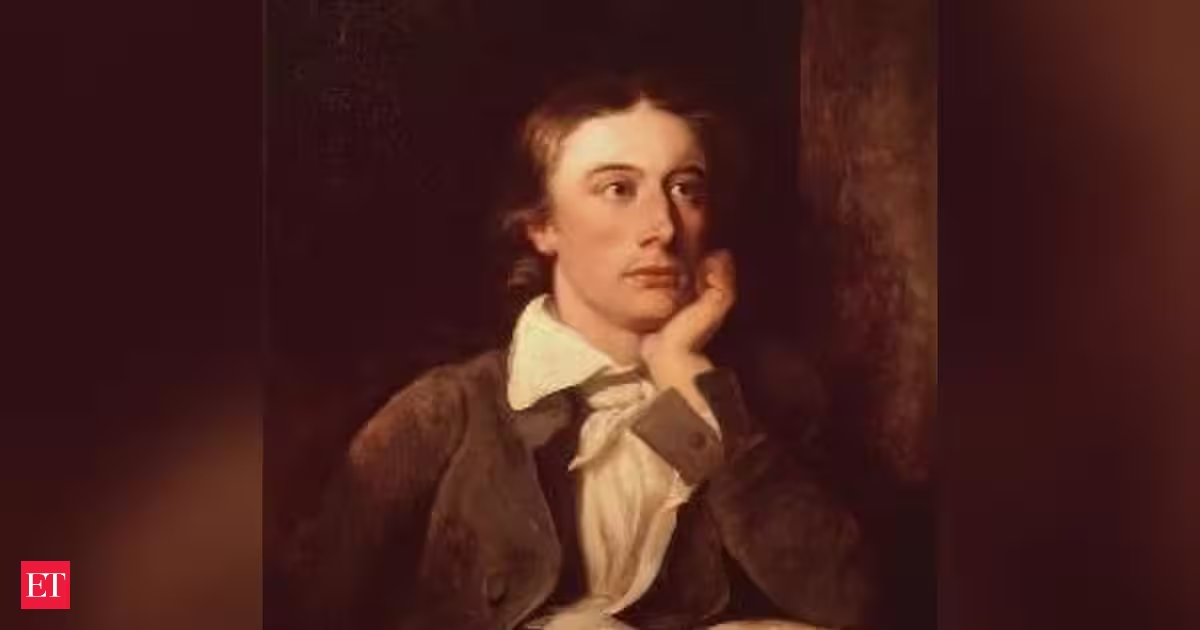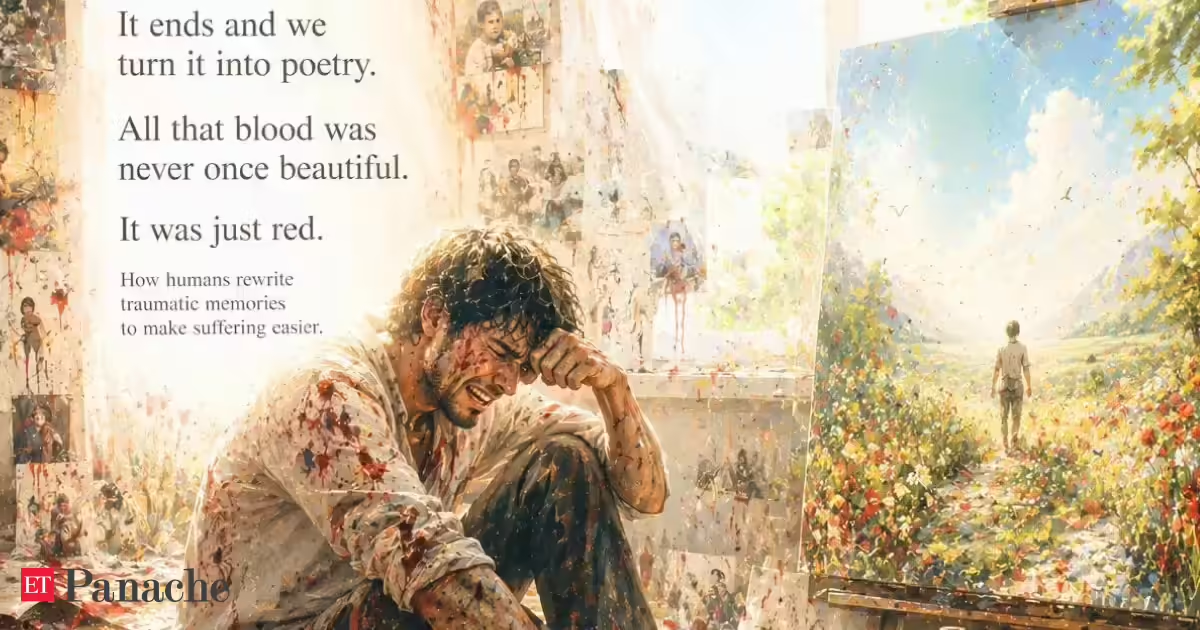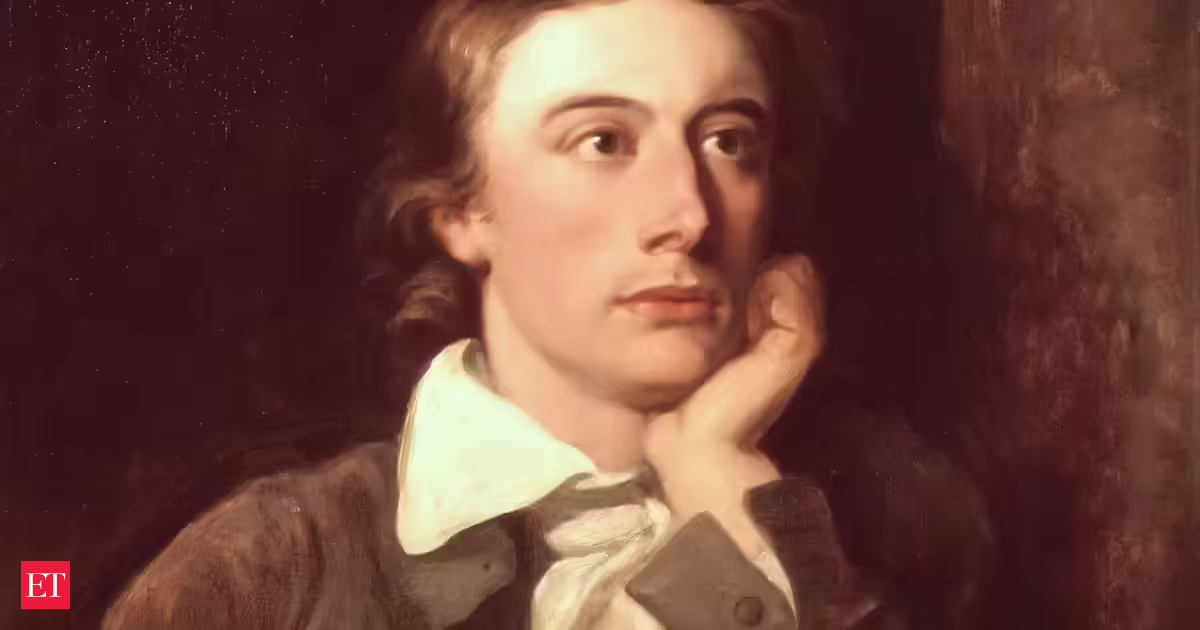
Everyone experiences pain. Whether it is the loss of a loved one, a personal failure, disappointment, illness, or uncertainty about the future, suffering is an unavoidable part of being human. Most people naturally try to avoid hardship, yet some of history’s greatest thinkers believed that difficulties play a vital role in shaping who we become.One of them was the celebrated English poet John Keats. Through his poetry and letters, Keats explored beauty, mortality, love, and the human condition. His words continue to resonate because they confront life's challenges with honesty and wisdom.“Do you not see how necessary a world of pains and troubles is to school an intelligence and make it a soul?”Who was John Keats?Born in 1795 in London, John Keats became one of the most influential figures of the Romantic movement despite living only 25 years. His life was marked by personal tragedy from an early age. He lost both parents while young, faced financial difficulties, and later watched several loved ones suffer from tuberculosis.Originally trained as a medical apprentice, Keats eventually chose poetry over medicine. Although his work received mixed reviews during his lifetime, later generations recognized his extraordinary talent.His most famous works include Ode to a Nightingale, Ode on a Grecian Urn, and To Autumn. These poems are celebrated for their rich imagery, emotional depth, and exploration of beauty and mortality.Keats himself suffered from tuberculosis and died in 1821 in Rome. Yet in his short life, he produced literature that continues to inspire readers around the world.The said quote comes from one of Keats's letters, where he developed what scholars often call the “vale of Soul-making” idea, the belief that human beings develop character, wisdom, and spiritual depth through life's challenges.What John Keats’ quote meansAt its core, Keats suggests that intelligence alone is not enough. A person may possess knowledge, talent, or intellectual ability, but true depth comes from experience.According to Keats, pain and difficulties are not meaningless interruptions in life. They are part of the process that transforms a person from merely thinking into truly understanding.Challenges teach lessons that comfort cannot. Heartbreak can deepen compassion. Failure can build resilience. Loss can foster gratitude. Struggle can reveal strengths we never knew we possessed.Keats is not glorifying suffering or suggesting that pain is pleasant. Instead, he argues that adversity often serves as the classroom in which the human soul is formed.His message remains especially relevant in a world that frequently seeks quick solutions and immediate comfort. Growth often emerges not despite difficulties, but because of them.Why the quote still matters todayModern life presents its own set of pressures, career uncertainty, financial stress, social expectations, and personal setbacks. In difficult moments, people often ask, “Why is this happening to me?”Keats encourages a different question:“What can this experience teach me?”This shift in perspective can transform hardship from a purely negative experience into an opportunity for growth. While not every painful event has a clear purpose, many of life's most valuable lessons emerge from moments of challenge.More memorable quotes by John Keats“A thing of beauty is a joy forever.”“Nothing ever becomes real till it is experienced.”“I am certain of nothing but the holiness of the heart's affections and the truth of imagination.”“Heard melodies are sweet, but those unheard are sweeter.”“The poetry of the earth is never dead.”
Quote of the day by John Keats: ‘Do you not see how necessary a world of pains and troubles is to school…’ – English poet talks about the ‘vale of Soul-making’
John Keats, a renowned poet, believed life's troubles forge character. His "vale of Soul-making" concept suggests pain teaches vital lessons. Modern pressures make this idea relevant. Instead of asking 'why me', Keats encourages asking 'what can this teach me'. This perspective transforms hardship into growth opportunities. His wisdom continues to inspire.
547 words~2 min read