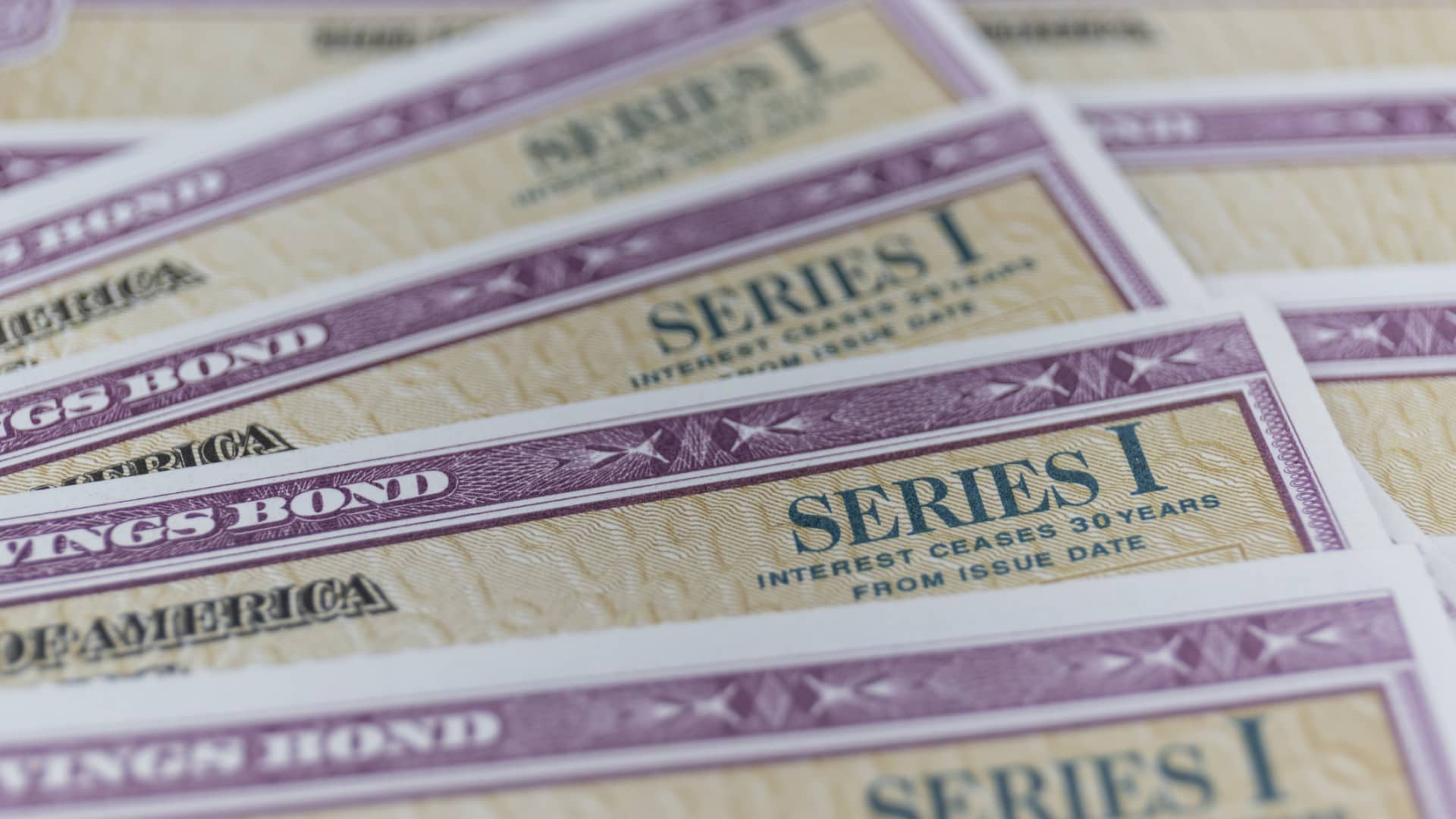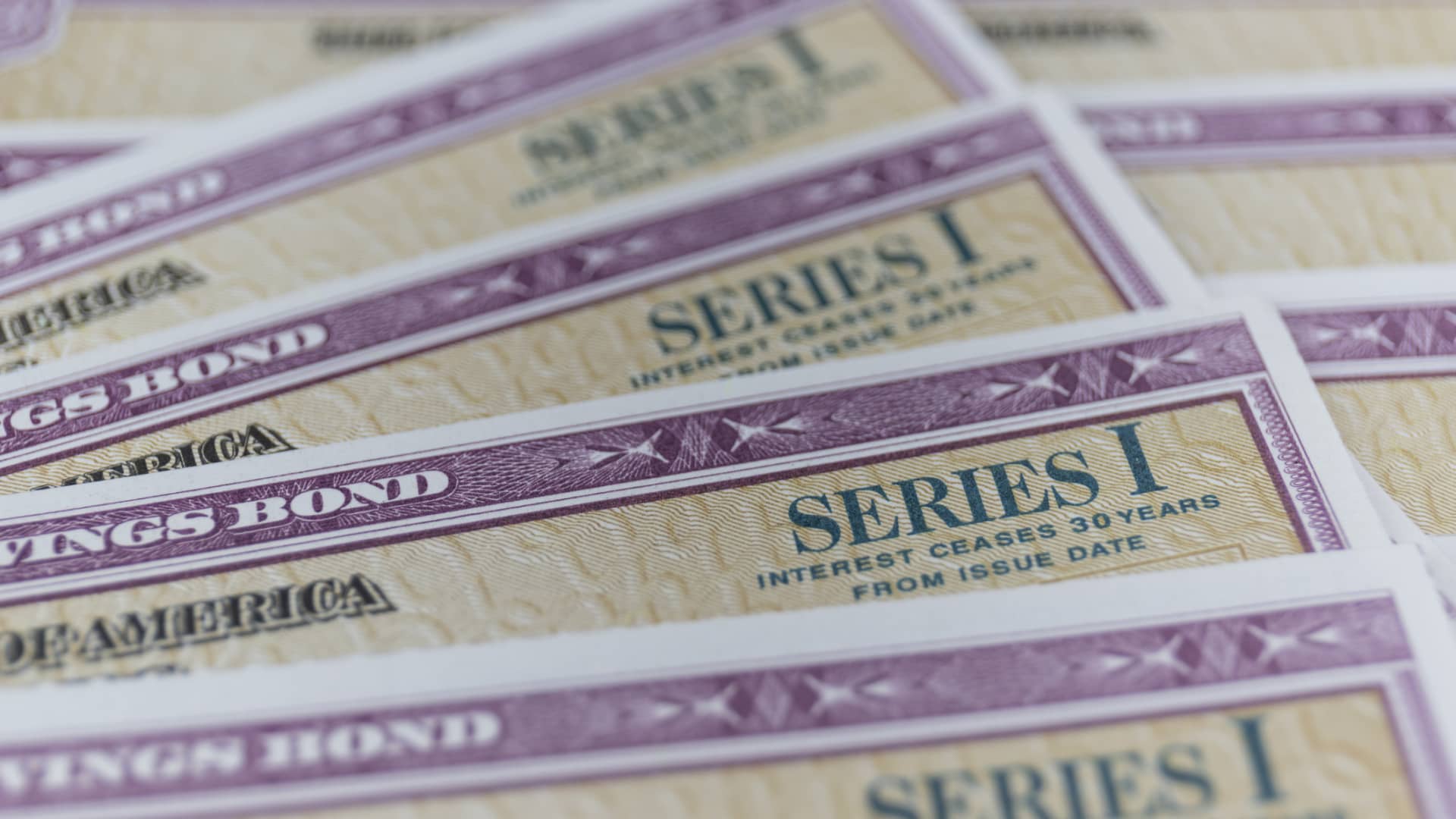
If you have watched savings account rates plummet over the past few years, you know how frustrating it feels to let cash sit idle in a checking account earning almost nothing. I Bonds offer a straightforward way to keep pace with inflation while avoiding the complexity and risk of the stock market, and they are backed by the full faith and credit of the U.S. Treasury.An I Bond is a Treasury bond that accrues interest based on a combination of a fixed rate and an inflation rate, adjusted every six months by the U.S. Department of the Treasury.You buy an I Bond directly from the Treasury for the face value, typically ranging from $25 to $10,000 per purchase, and hold it for at least one year before you can redeem it.If you cash out before five years, you forfeit the last three months of interest as a penalty.The appeal of I Bonds lies in their inflation protection: as the consumer price index rises, so does your earnings, a feature that makes them especially attractive when inflation is elevated.How the Interest Rate WorksThe I Bond interest rate consists of two components: a fixed rate set by the Treasury that never changes for the life of your bond, and a variable inflation rate that adjusts every May and November based on the Consumer Price Index.The current fixed rate is 1.30%, and the inflation rate for bonds purchased from May 2024 through October 2024 was 2.34%, giving a composite rate of 3.64%.This composite rate is what actually earns you money, paid twice yearly.The fixed component is typically small, often near zero, because the real value you are buying is the inflation protection.Your bond will earn whichever is higher: the composite rate or zero, meaning your principal can never decline.The Tax AngleI Bond interest is subject to federal income tax but not state or local income tax, making them efficient for people in high-tax states.You do not owe taxes on the interest until you redeem the bond, which means you can defer the tax liability for up to 30 years if you hold the bond that long.If you use the proceeds from an I Bond to pay for qualified education expenses, you may be able to exclude the interest from federal taxation entirely, though this comes with income limits and other eligibility requirements set by the IRS.How to Buy I BondsYou can purchase I Bonds only through Treasury Direct, the official government website, not through a broker or bank.You will need to create an account, verify your identity, and link a bank account for purchases and redemptions.The minimum purchase is $25, and you can buy up to $10,000 per person per calendar year in electronic form.This annual limit resets on January 1st, so if you want to maximize your I Bond holdings, you will need to space purchases across multiple calendar years.The buying process takes about 15 minutes once your account is set up.When I Bonds Make SenseI Bonds work best for cash you will not need for at least one year and ideally longer than five.They are attractive for emergency funds that sit in a savings account earning next to nothing, or for earmarked money destined for a near-term goal like a down payment.Because the interest rate adjusts every six months, your real returns will fluctuate as inflation changes.If inflation drops sharply, your earnings will decline, though your principal remains protected.They do not make sense as a replacement for a diversified portfolio, since bonds are intentionally boring and conservative.For someone who is uncomfortable with market volatility but concerned that their cash is losing purchasing power to inflation, Treasury bonds and other fixed-income securities can balance safety with modest growth.Practical ConsiderationsOnce you purchase an I Bond, you cannot access your money penalty-free for one year, making liquidity a real constraint.If you redeem before five years have passed, you lose three months of interest, which can eat into your gains if your holding period is short.The $10,000-per-year limit also means you cannot dump a large lump sum into I Bonds, so they work best as part of a broader cash strategy alongside high-yield savings accounts or money market funds.I Bonds issued after May 2003 can be held for up to 30 years, giving you a long window to benefit from inflation protection without forced decisions.Your bond continues to earn interest for the full 30-year period, even if inflation eventually falls to near zero.The Bigger PictureI Bonds have emerged as a more appealing option in a higher-rate environment, especially for people tired of watching their savings erode to inflation.They are not exciting, and they will not outpace a strong stock market, but they offer a guarantee that your purchasing power will not decay as long as inflation remains positive.If you have money sitting in a low-yield savings account and a time horizon of several years, spending 15 minutes to set up a Treasury Direct account and purchase an I Bond is often worth the friction.
Understanding What Are I Bonds? • Benzinga
Discover I Bonds: a safe, inflation-protected savings option from the U.S. Treasury, ideal for long-term investors seeking steady growth and security.
829 words~4 min read