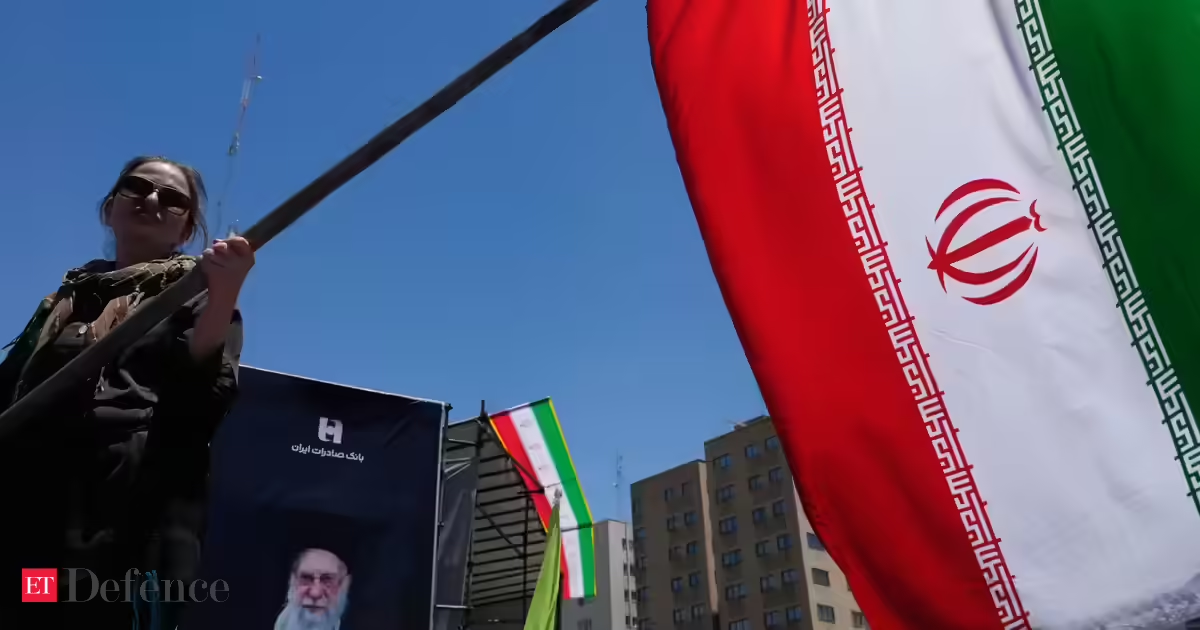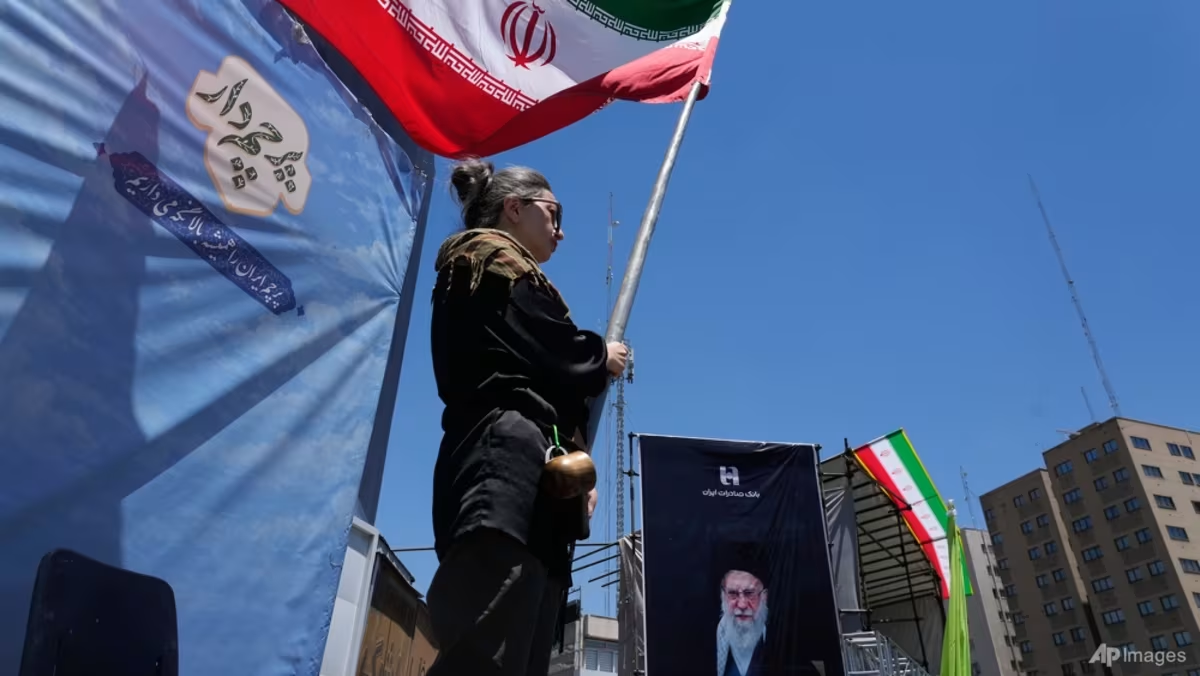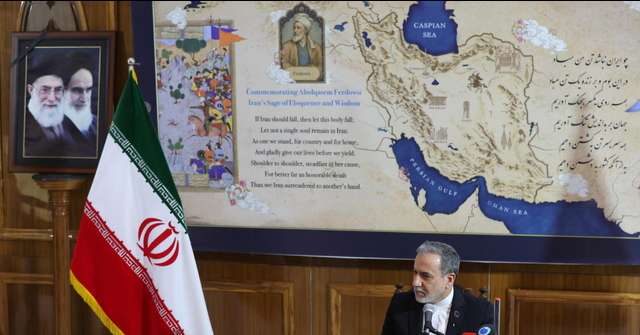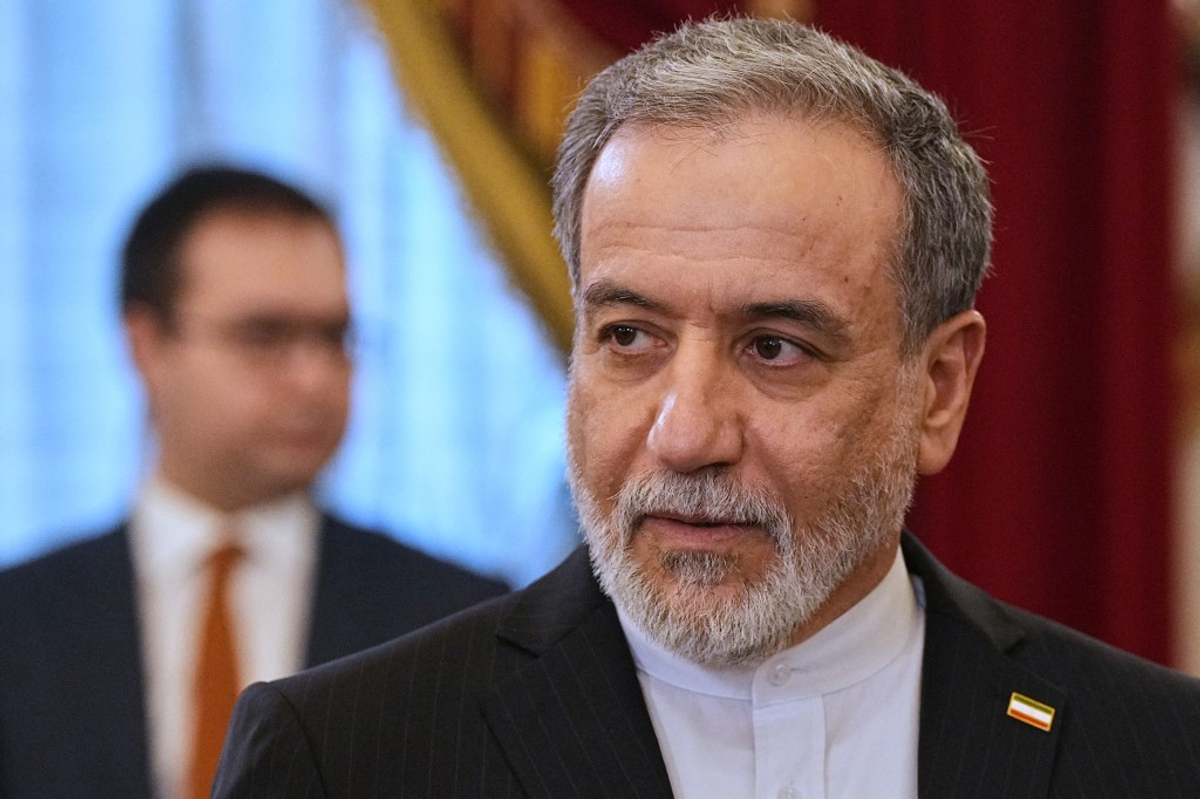
The Iranian government has established its baseline conditions for a comprehensive diplomatic settlement with the US, offering a domestic compromise on its highly enriched uranium stockpile while drawing an unyielding line over the sovereignty of global shipping lanes, PressTV and The Jerusalem Post reported. Domestic blending as the sole nuclear path Iranian Foreign Minister Abbas Araghchi announced that Tehran views the down-blending (dilution) of its highly enriched uranium within Iranian territory as the only permissible resolution to the nuclear component of the conflict. Araghchi clarified that highly sensitive technical disputes – specifically regarding uranium enrichment caps and Iran’s existing stockpiles of weapons-grade material – have been intentionally deferred to the second phase of a potential multi-tiered accord with Washington.JOIN US ON TELEGRAMFollow our coverage of the war on the @Kyivpost_official. According to US intelligence estimates, Iran currently possesses an estimated 440 kilograms of highly enriched uranium, the vast majority of which is secured at facilities in the Isfahan region. By proposing to dilute this material domestically rather than shipping it out of the country, Tehran aims to retain its core nuclear infrastructure while defusing immediate Western anxieties regarding a rapid breakout capability. The stance on the interim framework Despite recent optimistic declarations from Washington, Araghchi emphasized that Iran is entirely unready to engage in broader, permanent nuclear negotiations until the explicit provisions of the current temporary or interim agreement are fully realized by both nations. The Iranian leadership views the strict implementation of this interim framework as a mandatory prerequisite for any long-term normalization of bilateral relations.
Nuclear Compromise: Tehran Proposes Internal Uranium Dilution but Claims Victory Over US
Iranian Foreign Minister Abbas Araghchi declared that Iran will only accept diluting its enriched uranium domestically and refuses to cede control of the Strait of Hormuz to Washington.
786 words~4 min read