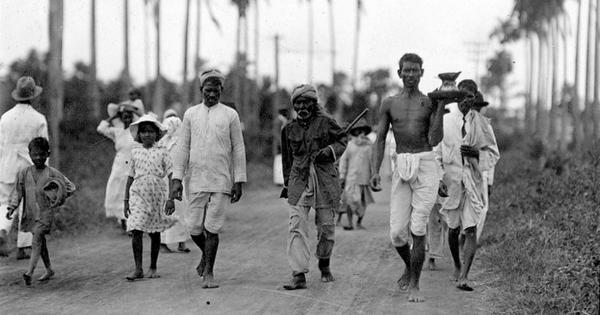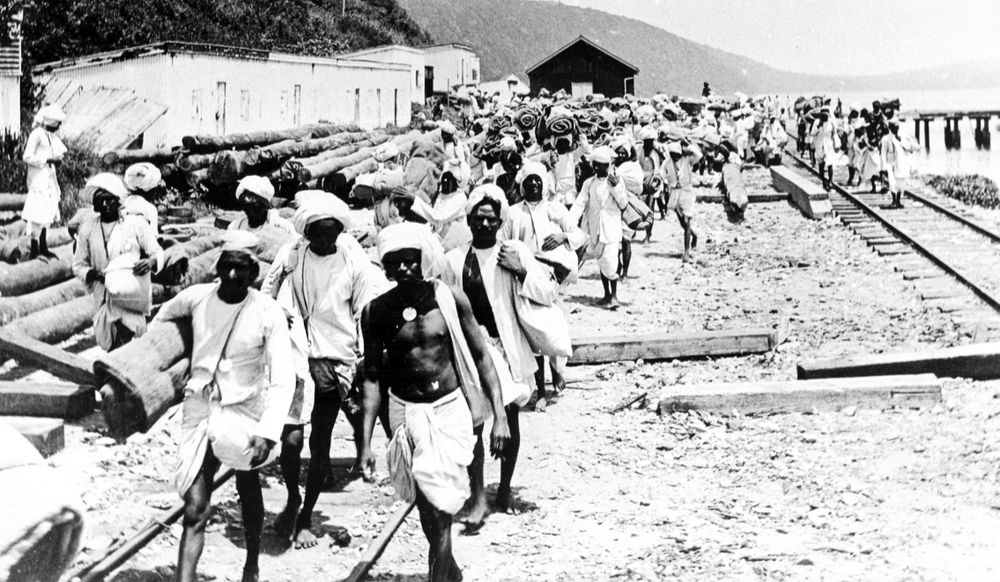
Indentured Indians arriving at the Bluff.
DEATH always followed passengers on ships transporting indentured workers to imperial colonies across the world. In the 86 years that the system of indenture existed, from 1834 to 1920, death was unavoidable with the outbreak of disease, often running rampant on board the journeys of indentured Indians.
In the early 19th century, shipping companies referred to the transportation of indentured workers from India as the "Coolie System". The conditions on the ships transporting workers from India were deplorable. The voyages were long, with the dangers of abuse and disease breaking out in many voyages.
The "coolie system" had its origins after the abolition of slavery. After an act of parliament formally abolished slavery in most British colonies in 1833, sugar plantation owners formed powerful lobbies to push policies that safeguarded the profits of their trade.
After some short-lived and unsuccessful attempts to employ emancipated slaves and European labourers on low wages, the planters began importing indentured workers from India. Despite some newspapers condemning this practice as a revival of the slave trade, it quickly gained British parliamentary approval, giving rise to a centralised and organised system of contractual migration, which sustained the sugar trade for many decades, creating the Indian diaspora communities across the globe. By the time this system was abolished in 1920, more than two million Indian labourers had migrated to British, French, Danish, and Dutch colonies across the world.