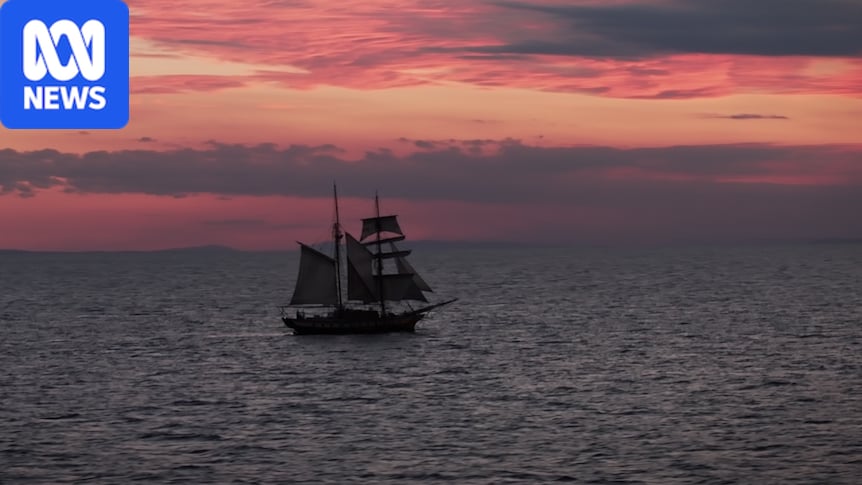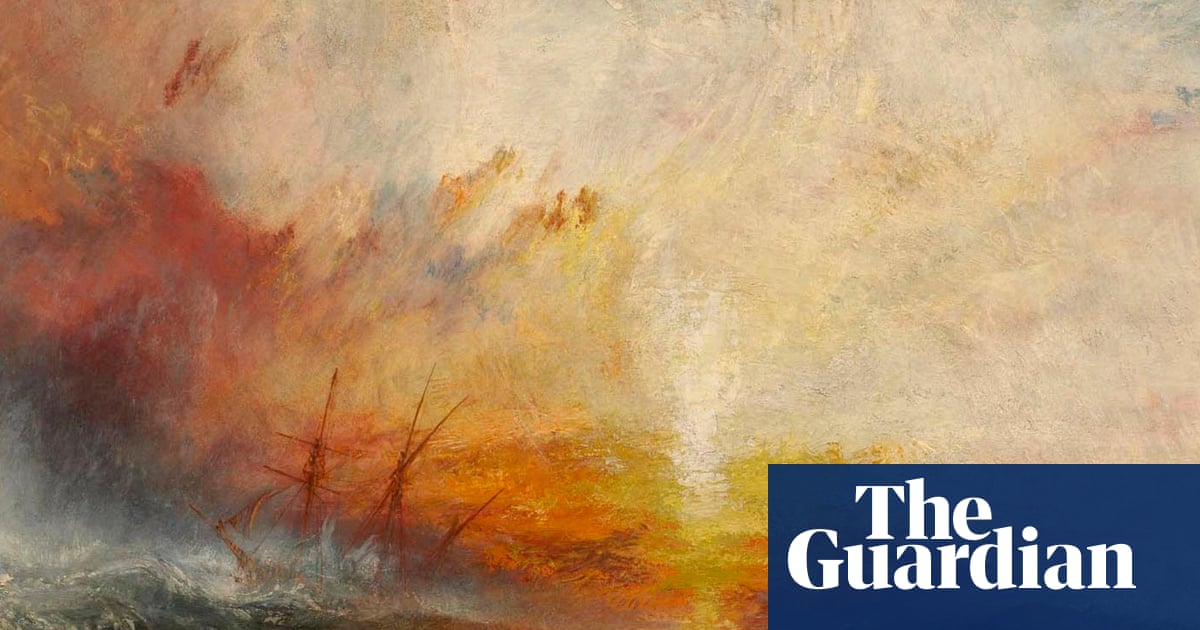
A vivid and chilling account of the deadly voyage that triggered the abolition of the Atlantic slave trade
O
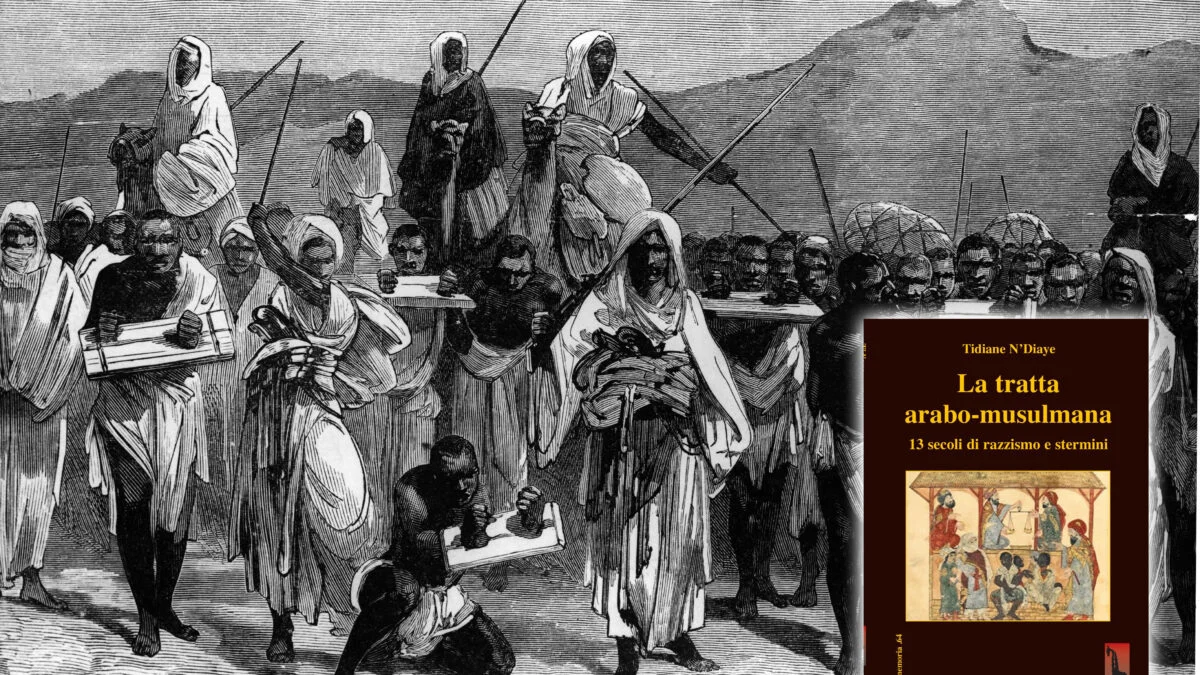
ver the nearly four centuries during which the transatlantic slave trade operated, 12.5 million Africans were trafficked by Europeans to the Americas. 1.8 million of them perished on the voyage under scarcely imaginable conditions of overcrowding, filth and disease. Some threw themselves overboard. And others were thrown into the sea.
In The Zorg, Siddharth Kara tells two stories. The first is of a harrowing incident aboard the eponymous slave ship – the murder of 132 Africans by the British crew. The second relates how that event came to play a role in the abolition of the Atlantic slave trade in 1807, in large part through the work of a dazzling array of committed campaigners. One of these was Olaudah Equiano, author of one of the few surviving accounts of the Middle Passage from the perspective of an enslaved person, in which he described it as “a scene of horror almost inconceivable”.
The tale begins in Liverpool, a city which at its economic zenith was responsible for 40% of the European slave trade. Investing in slavery was a profitable activity not just for the elites but for the lower classes as well. One investor, William Gregson, saved up his rope-making wages, ploughed them into the trade and eventually became a rich burgher and mayor of the city. Gregson financed the slave ship The William, which left Liverpool for west Africa in October 1780 with Capt Richard Hanley at the helm. It was loaded with commodities to trade at slave markets, such as tobacco, firearms, knives and “India goods” such as chintz and Maldive cowrie shells, 400lbs of which was “the going rate … per African male”.