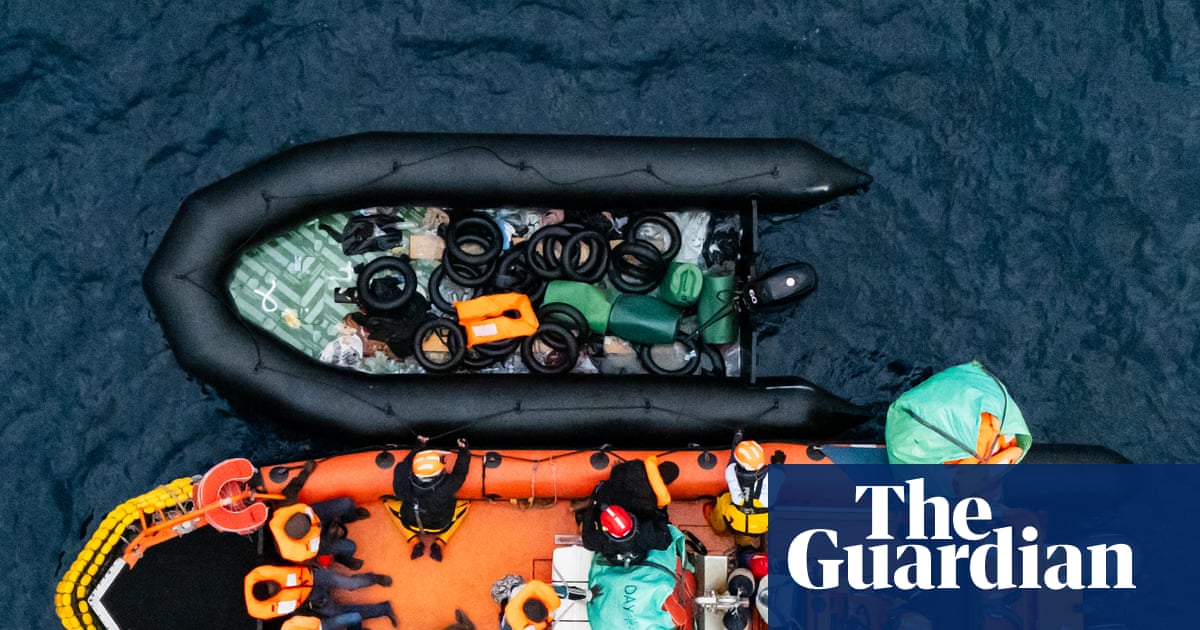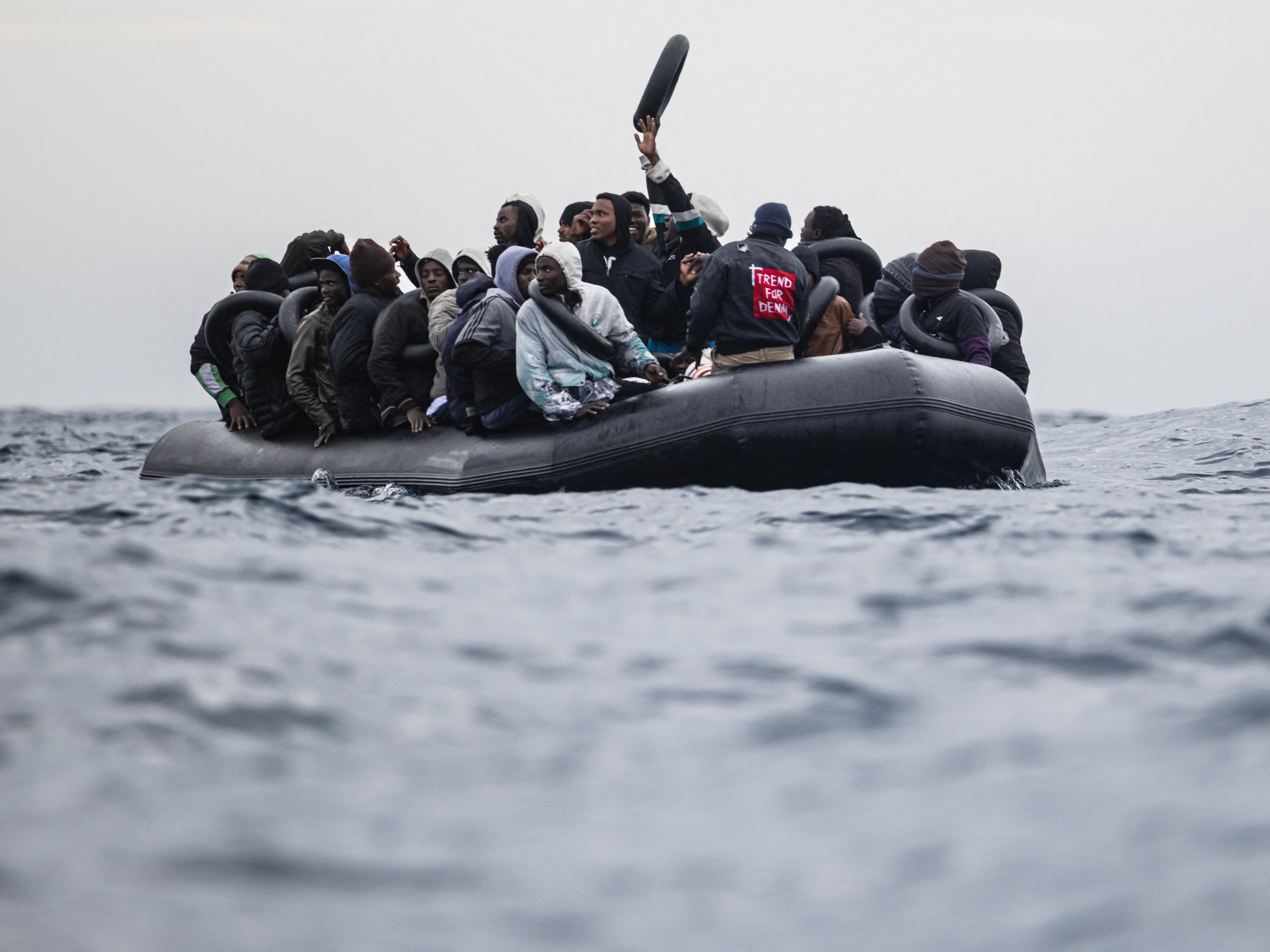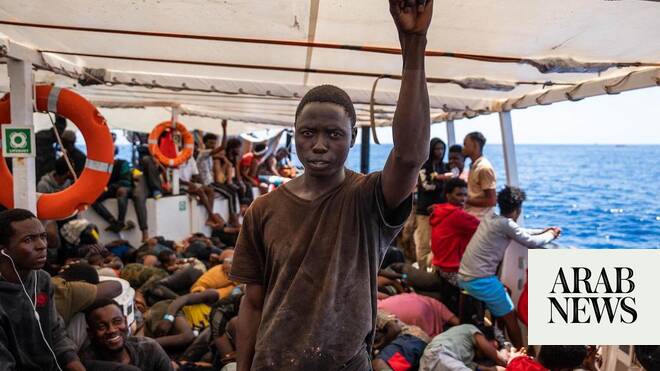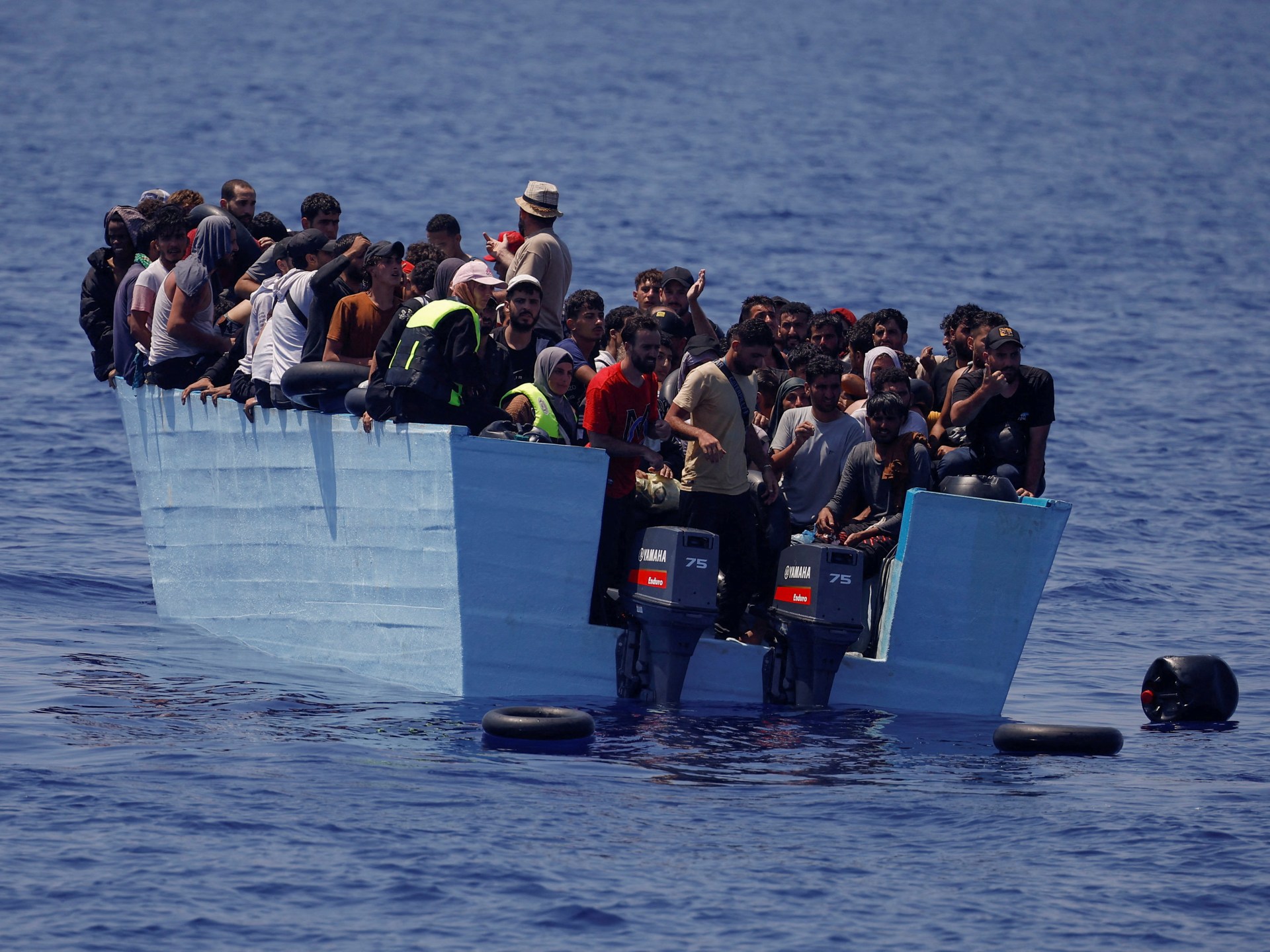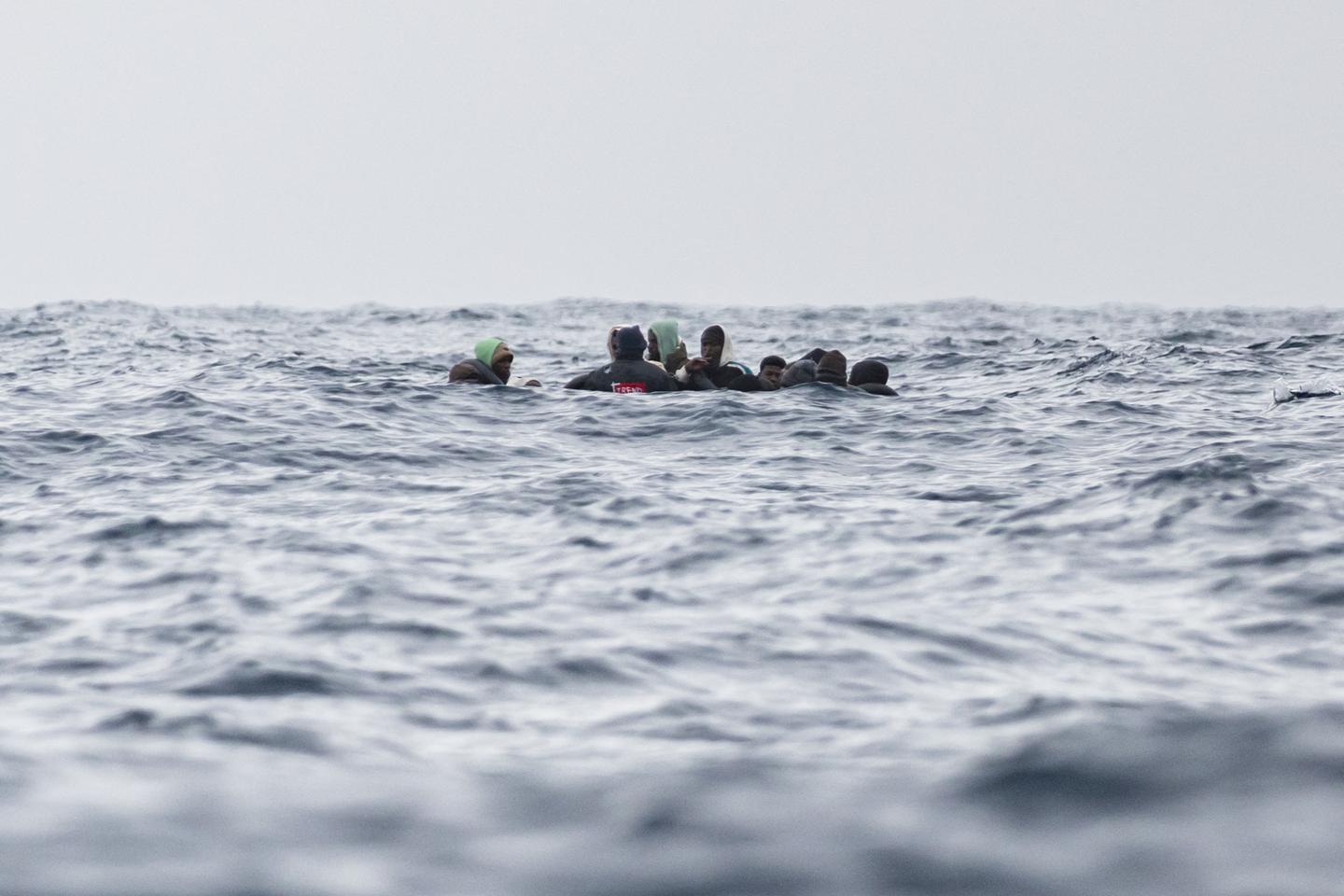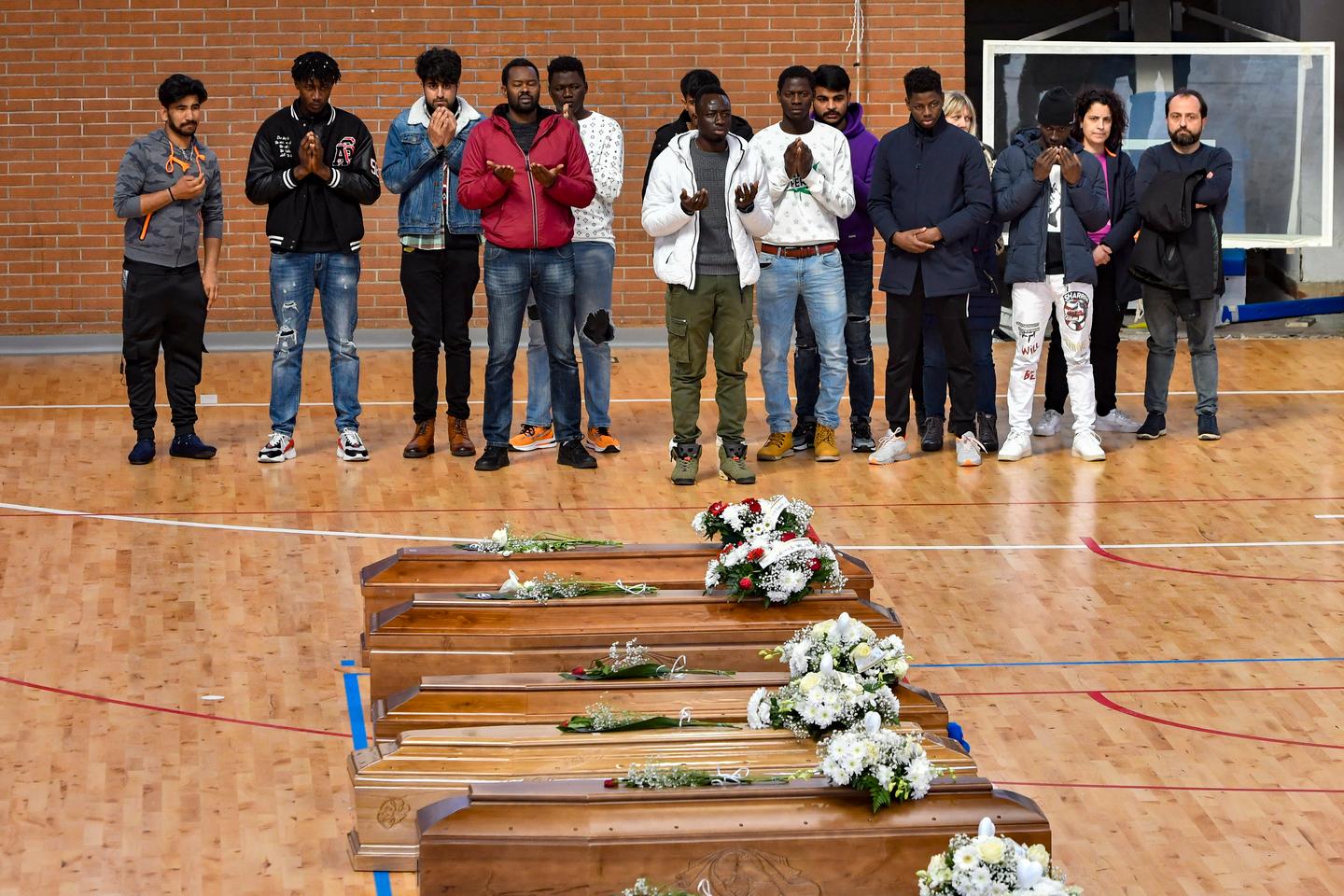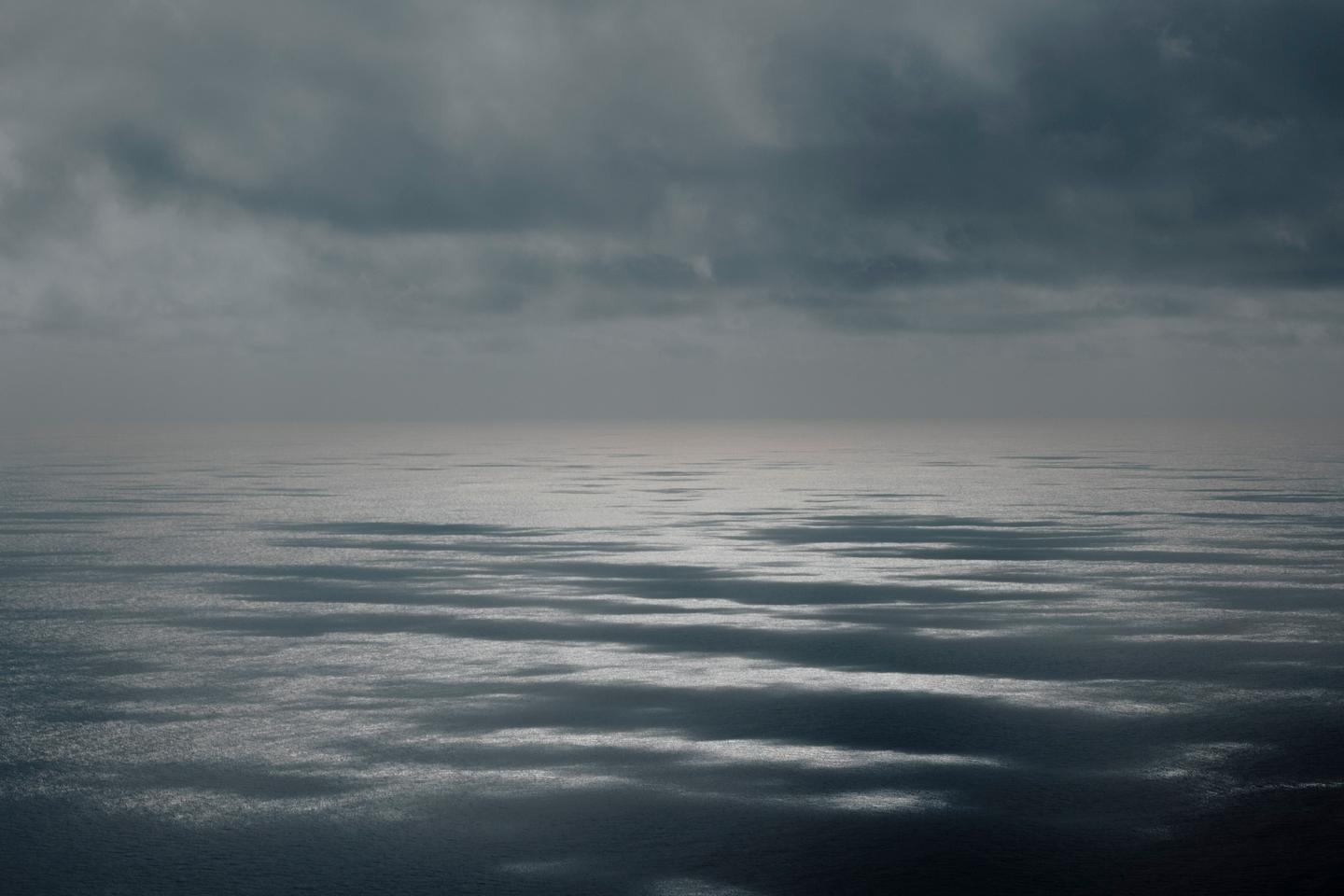
A view of the Atlantic Ocean between West Africa and the Spanish Canary Islands, during an aerial mission by the Swiss NGO Humanitarian Pilots Initiative, on January 22, 2026. MICHELE CATTANI / AFP
Ever since the Mediterranean Sea and the Atlantic Ocean became vast graveyards for exiles without burial rites or tombstones, a basic question has divided NGOs and international institutions: How many people have vanished in the silence of the waves, swallowed whole along with their dreams of another life in Europe? Between the International Organization for Migration (IOM) and migrant aid groups, the tallies differ, sometimes by significant measure.
The start of 2026 illustrates this phenomenon perfectly: From January 1 to February 23, at least 606 people died or went missing in the Mediterranean, across all sea routes, according to the IOM. This figure, according to the United Nations agency, marks "the worst start to the year" and "the deadliest" since 2014, the year it began recording such deaths. Cyclone Harry, which struck the central Mediterranean in mid-January, reportedly caused most of these disappearances. However, NGOs – Italy's Mediterranea Saving Humans and Libya's Refugees in Libya – have spoken of some 1,000 victims, not just over 600.