Get the latest news and updates from Dawn
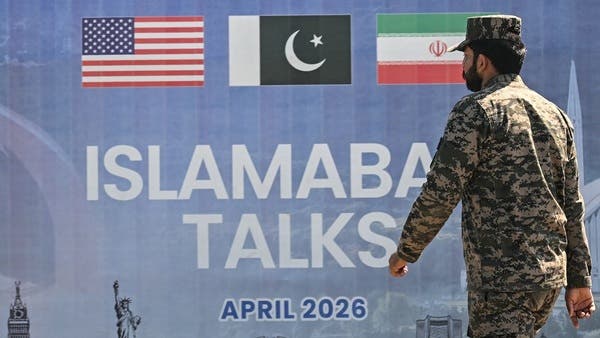
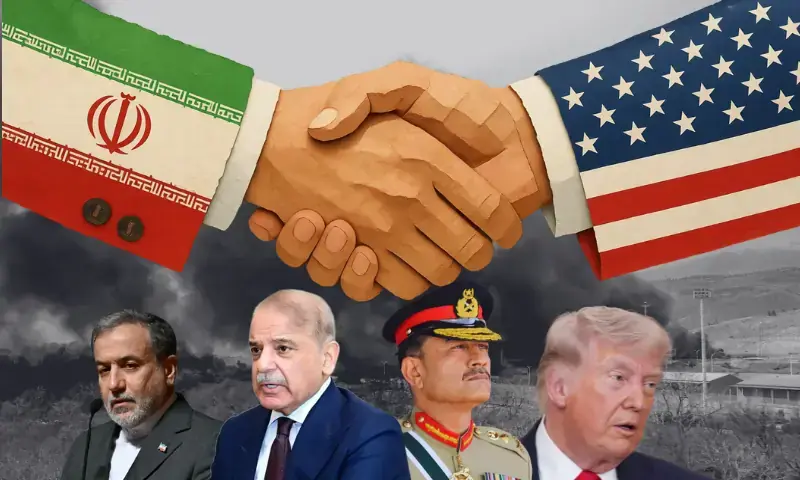
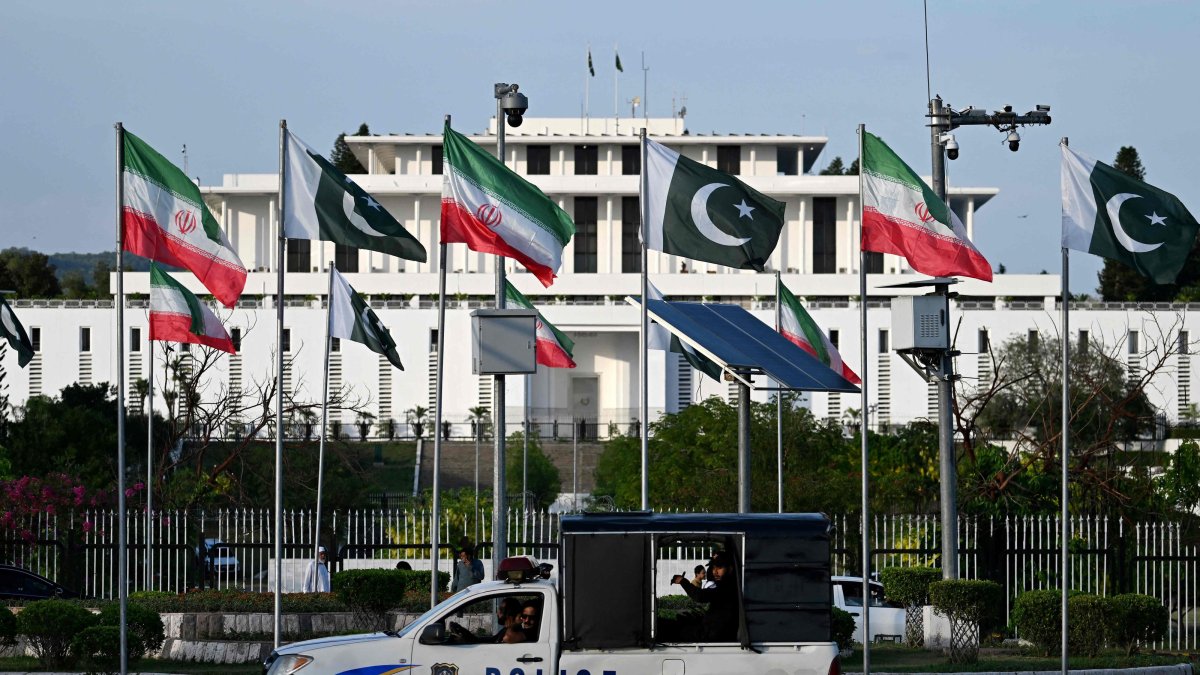
PAKISTAN’S ongoing role in helping bridge differences between the US and Iran has attracted considerable attention. Given the depth of hostility between Washington and Tehran, even keeping channels of communication open is nothing short of an achievement.
That said, an important aspect of this episode has received surprisingly little attention: it’s the significance — albeit limited — of both Pakistan’s role in shaping the development of international law and its implications for Pakistan’s positive image. In my view, that may ultimately prove to be the more enduring part of Pakistan’s success story.
Most people think of mediation as diplomacy. It is only partly that. We lawyers see more. Mediation is part of the legal architecture that governs relations between countries. The idea itself is as old as statehood. Long before the UN was established, countries recognised the need for resolving disputes instead of resorting to war. The Hague Conventions of 1899 and 1907 underpinned the belief that war shouldn’t be the default method for settling disputes. Bringing in a neutral third party as mediator was often a better option for managing differences.