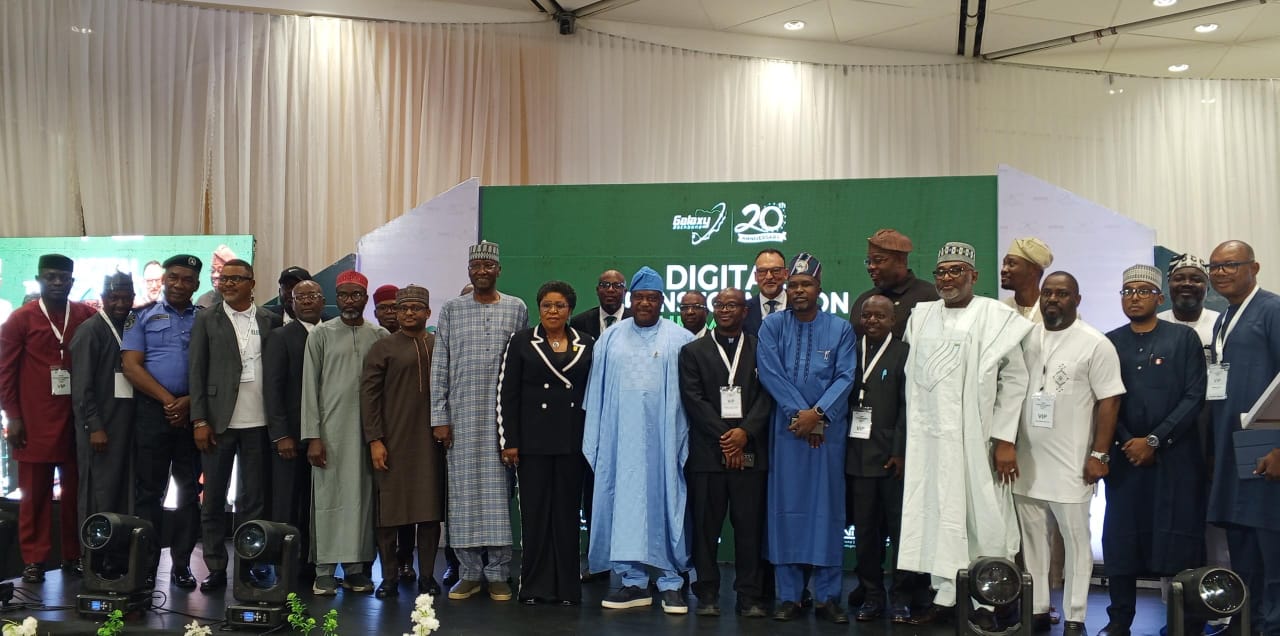
Katsina State is rolling out its Digital Public Infrastructure, a move pointing to growing subnational adoption, writes Omolabake Fasogbon
Nigeria has been rated among nations of the world making significant progress regarding Digital Public Infrastructure (DPI) that is becoming almost inevitable to daily life. However, state-level adoption and integration into service delivery is crucial to offer full value.
Defined by the World Bank as foundational, reusable digital platforms and building blocks designed for the public benefit, DPI is built on three anchors: digital identity, digital payment, and data exchange. Together, these elements enable services across both the public and private sectors, similar to how physical roads and railways connect people and goods.
From a rural farmer instantly receiving a government fertilizer subsidy on his mobile wallet, to a mother accessing her child’s verified immunization records at a local clinic without carrying a sheet of paper, DPI is increasingly touching almost every sphere of modern life, driving improvement in education, agriculture, revenue and tax, social protection, and finances, amongst others.
Why DPI Matters for Katsina